
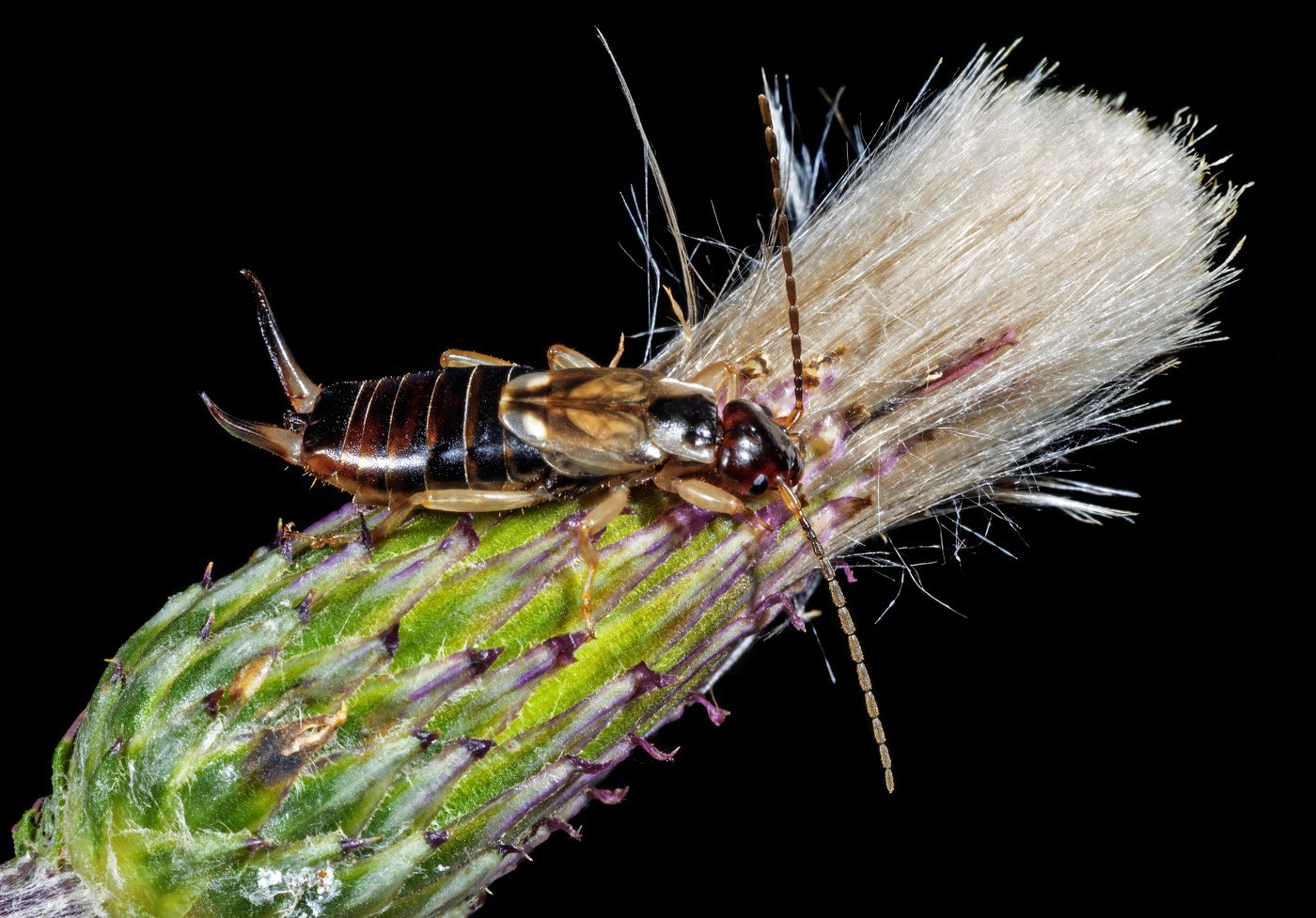
Common Earwig
Forficula auricularia
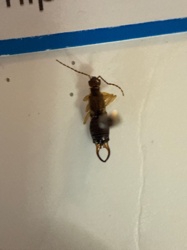
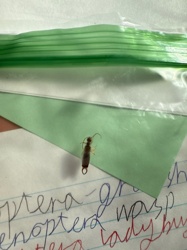
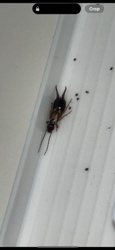
A flattened, reddish-brown insect instantly recognizable by the pair of pincer-like forceps at the tip of its abdomen, which it uses for defense and to help fold its wings.
- Size
- 0.5-0.75 in (13-19 mm)
- Habitat
- Gardens, mulch, leaf litter, and damp crevices near structures
- Danger
- Bites
Spotted a bug like this?
Identify any bug or insect from a photo, free.
Overview
The common or European earwig is a widely distributed insect in the order Dermaptera, introduced to North America from Europe in the early 1900s and now established across much of the continent as well as many other temperate regions worldwide. It is instantly recognizable by the pair of curved, pincer-like appendages called cerci at the rear of its abdomen, which give the group its nickname "pincher bugs."
Earwigs are nocturnal, omnivorous insects that spend the day hidden in dark, moist crevices and emerge at night to forage among garden plants, mulch, and organic debris, making them common residents of gardens and landscaped areas around homes.
How to Identify
- Body elongated, flattened, and reddish-brown to dark brown, roughly 0.5 to 0.75 inch (13-19 mm) long excluding the cerci
- Distinctive pair of curved, pincer-like cerci extends from the tip of the abdomen; males have more strongly curved cerci than the straighter cerci of females
- Short, leathery forewings cover a small portion of the back, with the hind wings, when present, folded fan-like beneath them
- Thread-like antennae are moderately long
- Legs are relatively short and adapted for quick scurrying rather than jumping
- Nymphs resemble small, wingless versions of adults with less-developed cerci
Habitat & Range
Common earwigs live in damp, sheltered microhabitats such as mulch, leaf litter, under stones and boards, in bark crevices, and within cracks around building foundations, favoring gardens, flower beds, and landscaped areas around homes. The species is found throughout temperate regions of North America, Europe, and other parts of the world where it has become established, and is active from spring through fall, sheltering in protected sites such as soil or debris to overwinter in colder climates.
Behavior & Diet
Earwigs are nocturnal and omnivorous, feeding on a mix of decaying plant material, live plant tissue such as flowers and soft fruit, and small invertebrates including aphids, making them both minor garden pests on tender plants and incidental predators of some pest insects. During the day they hide in tight, dark, moist spaces, using their cerci both for defense, where they can pinch if handled, and to help fold and unfold their hind wings. As omnivorous scavengers and opportunistic predators, earwigs contribute to the breakdown of organic debris in gardens and soil while also preying on smaller insects, giving them a mixed ecological role as both minor plant pests and modest natural pest control agents.
Life Cycle
Female earwigs lay clusters of eggs in a sheltered underground burrow, typically in fall, and are notable among insects for actively guarding and tending the eggs and newly hatched nymphs, cleaning them and protecting them from mold and predators. Nymphs hatch resembling miniature wingless adults and develop through several molts via gradual (incomplete) metamorphosis, gaining wing pads and fully developed cerci as they mature. Depending on climate, the common earwig generally completes one generation per year, overwintering as adults or partially grown nymphs in protected underground burrows before resuming activity and reproducing again in the following season.
Frequently asked questions
Can earwigs pinch people?
Earwigs are not aggressive toward people, but if handled or trapped against the skin they can pinch in defense with their cerci.
Do earwigs actually crawl into ears?
No, this is a persistent myth; earwigs have no particular attraction to human ears and simply seek out any dark, tight, damp crevice to hide in during the day.
What do earwigs eat?
They are omnivorous, feeding on decaying plant matter, tender plant tissue such as flowers and soft fruit, and small insects like aphids.
Why do earwigs have pincers?
The cerci at the tip of the abdomen are used for defense against predators, for capturing small prey, and to help fold the hind wings beneath the short forewings.
Common Earwig guides
In-depth guides for identifying, understanding, and living alongside Common Earwig.
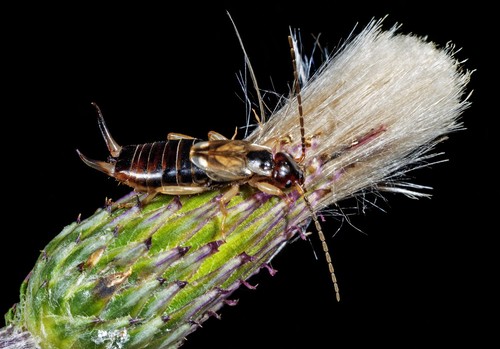
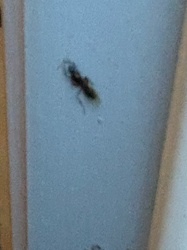
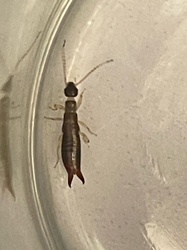
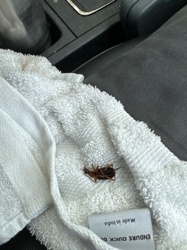
Common Earwig identified by the community
Real finds identified with Bug Identifier.

Other bugs you may enjoy
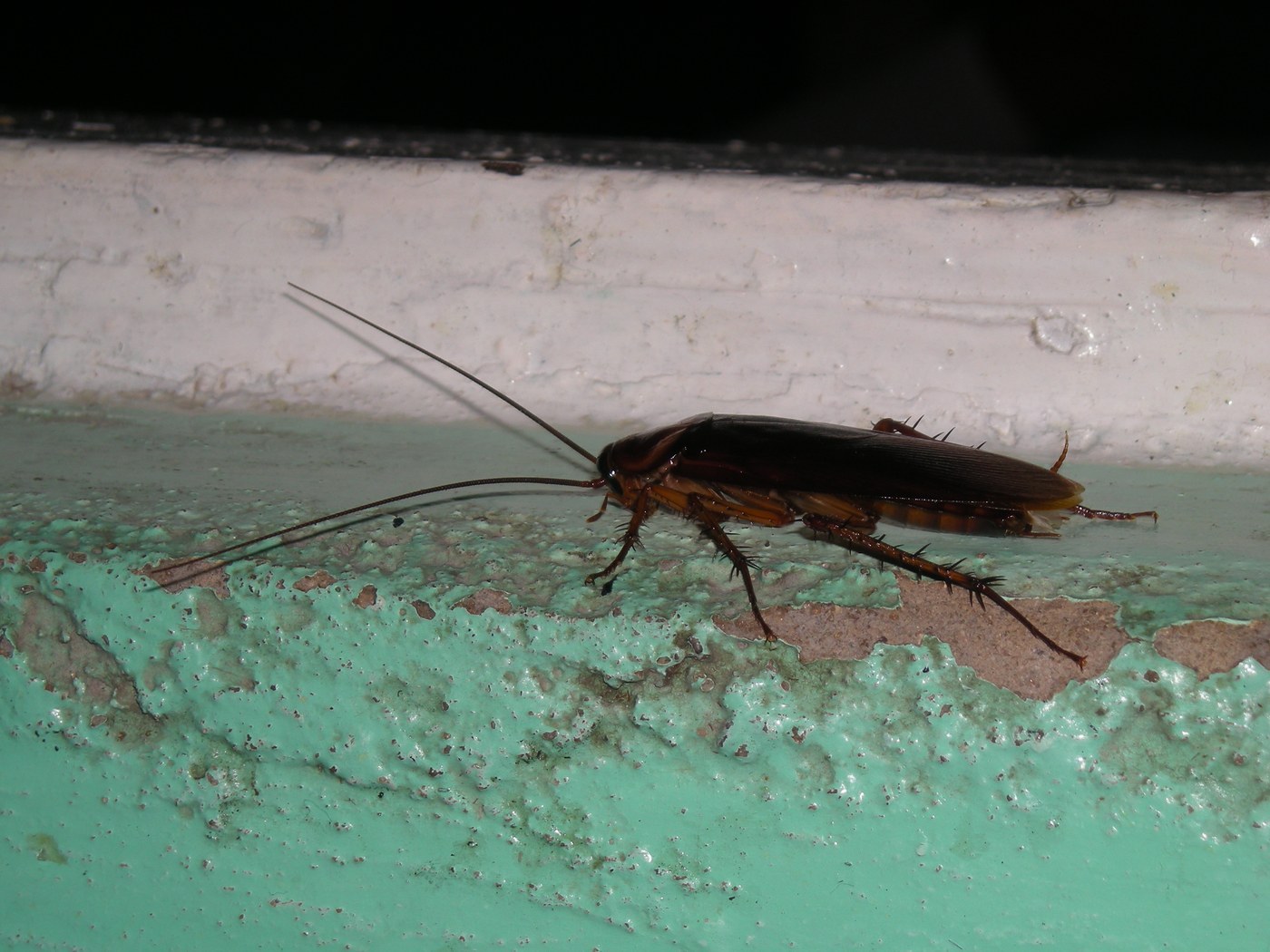
American Cockroach
Warm, humid environments such as basements, sewers, drains, and tropical outdoor settings
Thrips
Flowers, foliage, gardens, greenhouses, crop fields
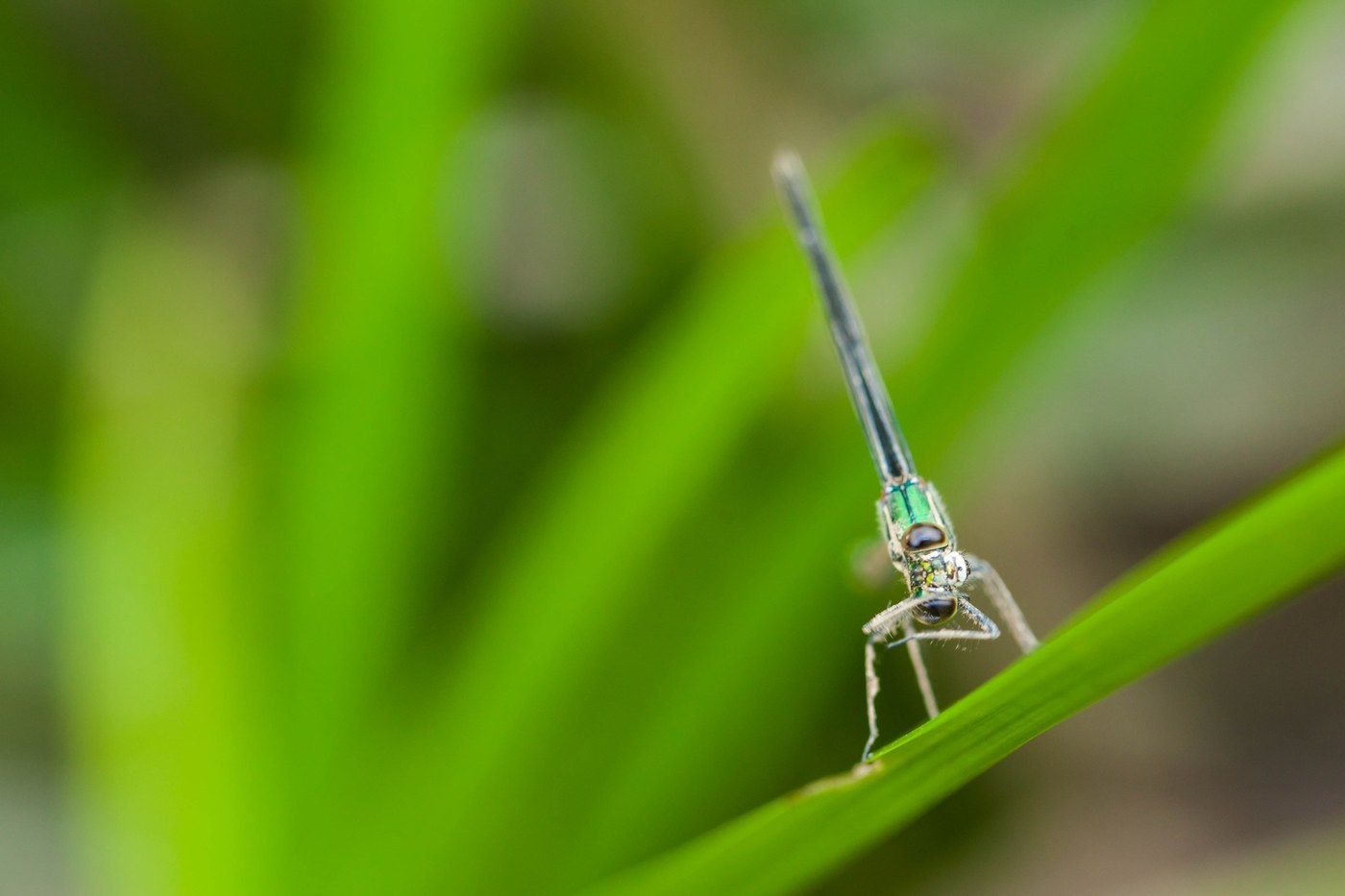
American Rubyspot
Sunny rivers and streams with moderate current
Springtail
Moist soil, leaf litter, decaying organic matter, and damp indoor areas
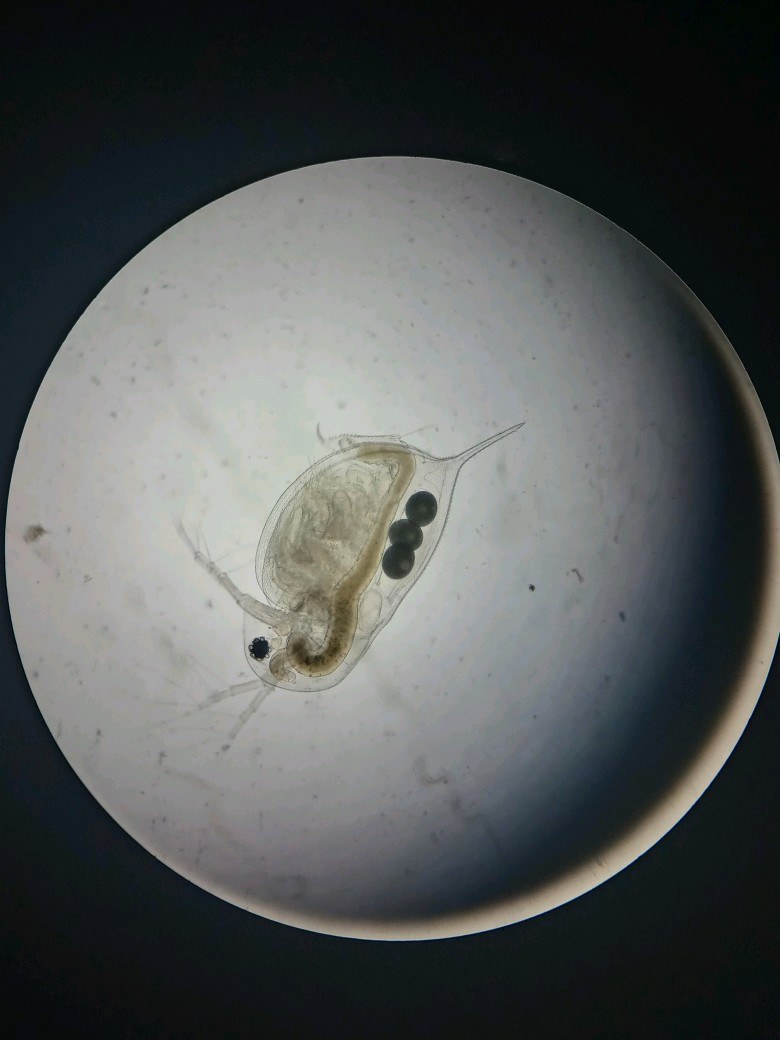
Water Flea
Ponds, lakes, and slow streams as free-floating plankton
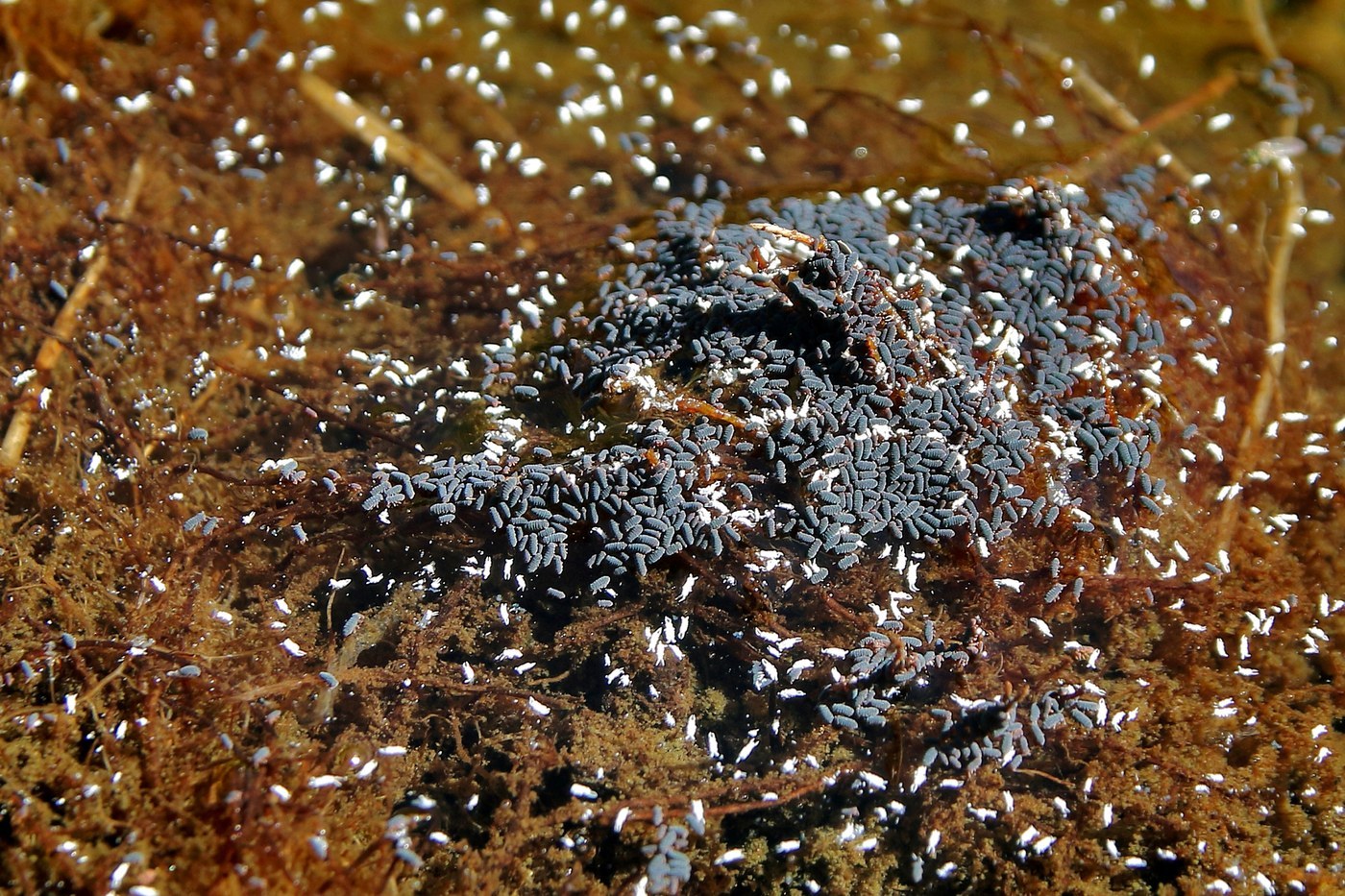
Water Springtail
Surface film of ponds, puddles, and slow ditches
Slug
Gardens, damp soil, leaf litter, greenhouses
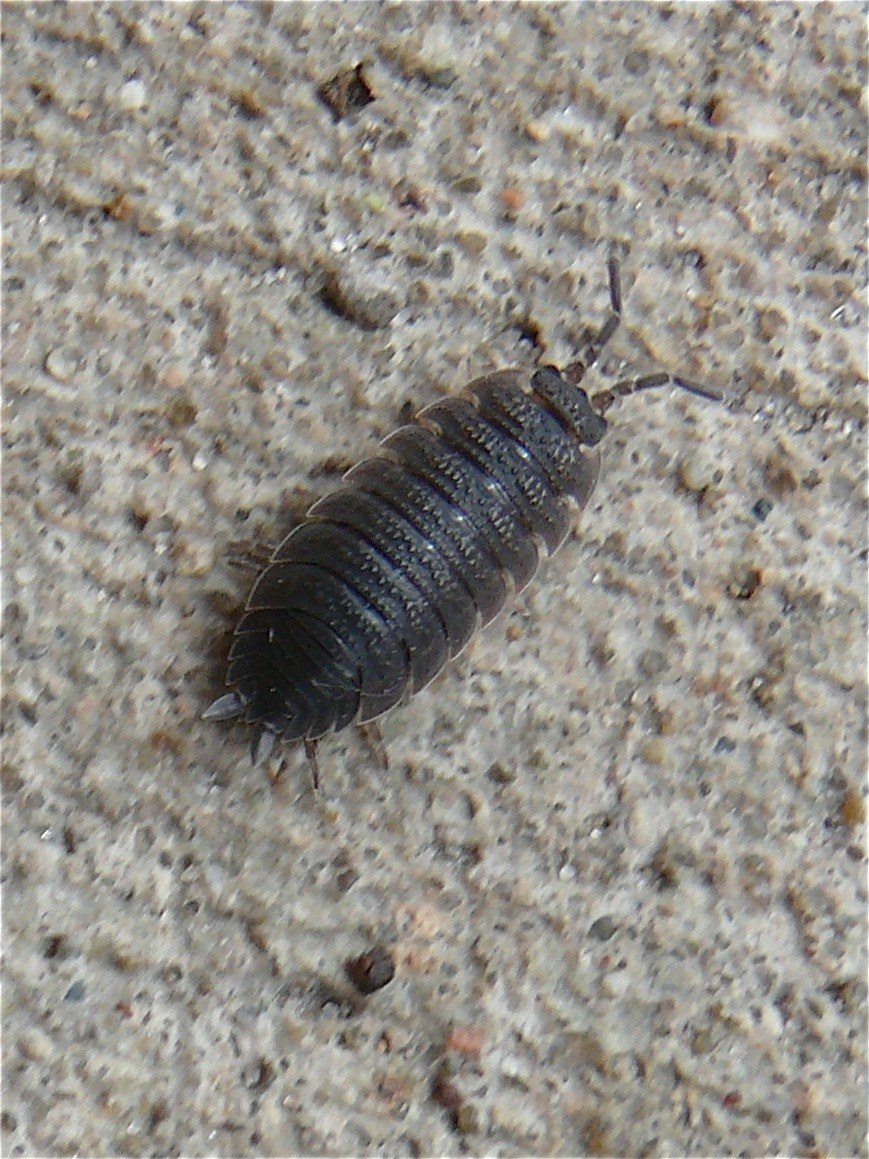
Sowbug
Leaf litter, under rocks/logs, damp garden soil, basements
Pill Bug
Damp soil, leaf litter, under rocks and logs, garden beds
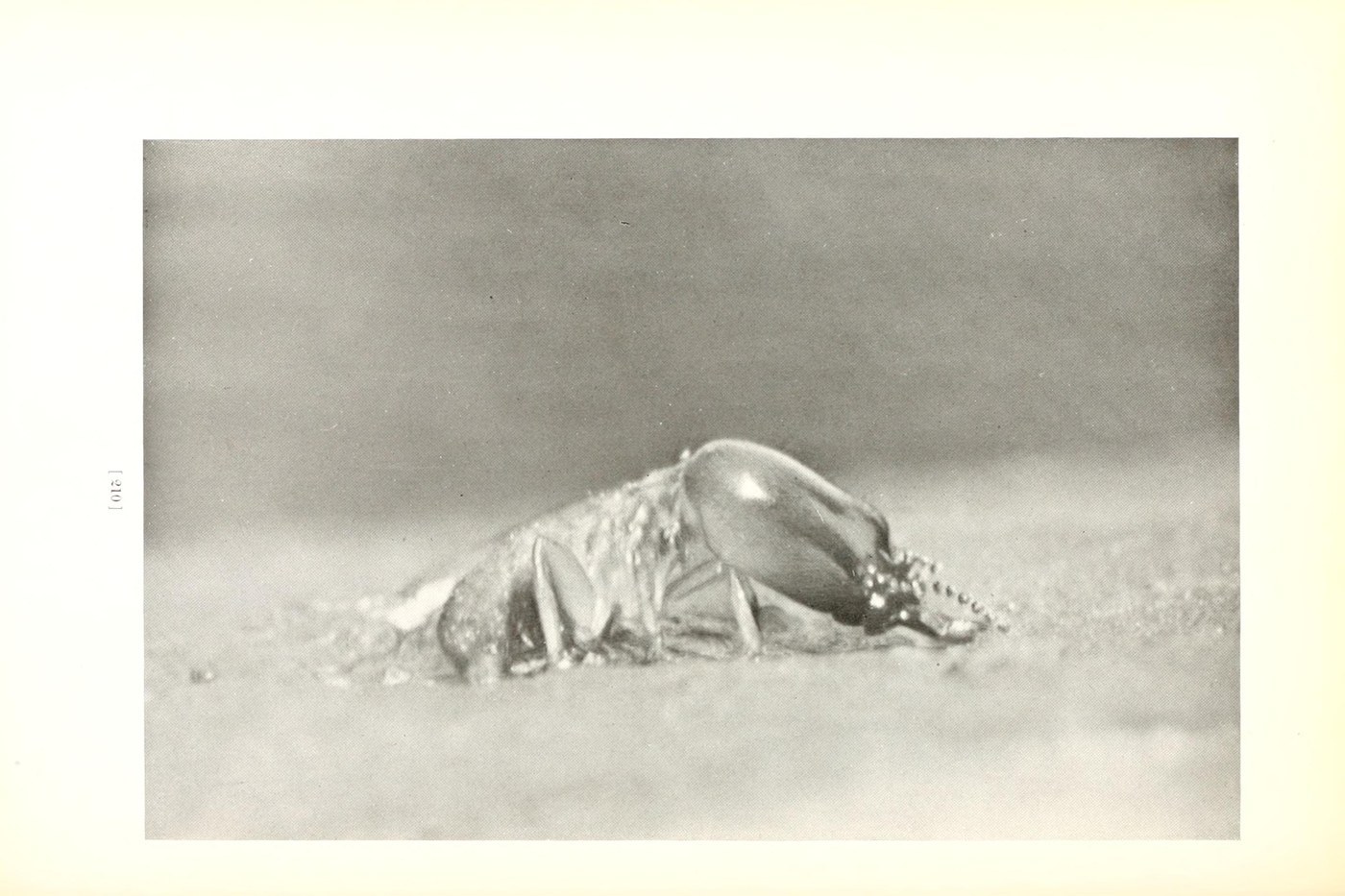
Termite
Soil, decaying wood, tree stumps, and wooden structures
Termite Swarmer
Emerges from underground or wood-nesting colonies, often near structures and moist soil
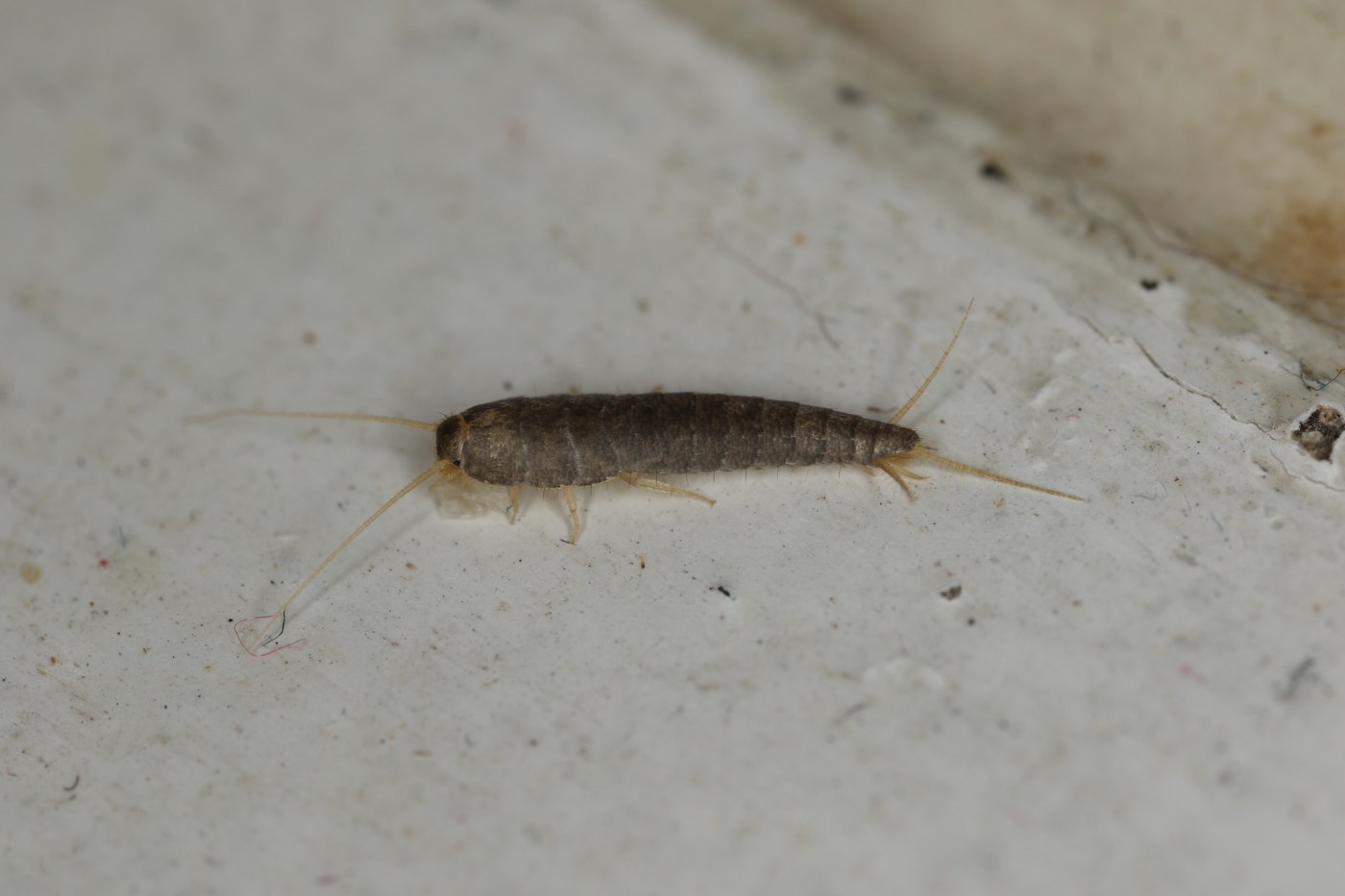
Silverfish
Damp basements, bathrooms, closets, and dark indoor crevices