Fruit Fly Identification Guide
Identify a fruit fly by its tiny tan body, bright red eyes, and habit of hovering around ripening produce.
Read the full Fruit Fly encyclopedia entry →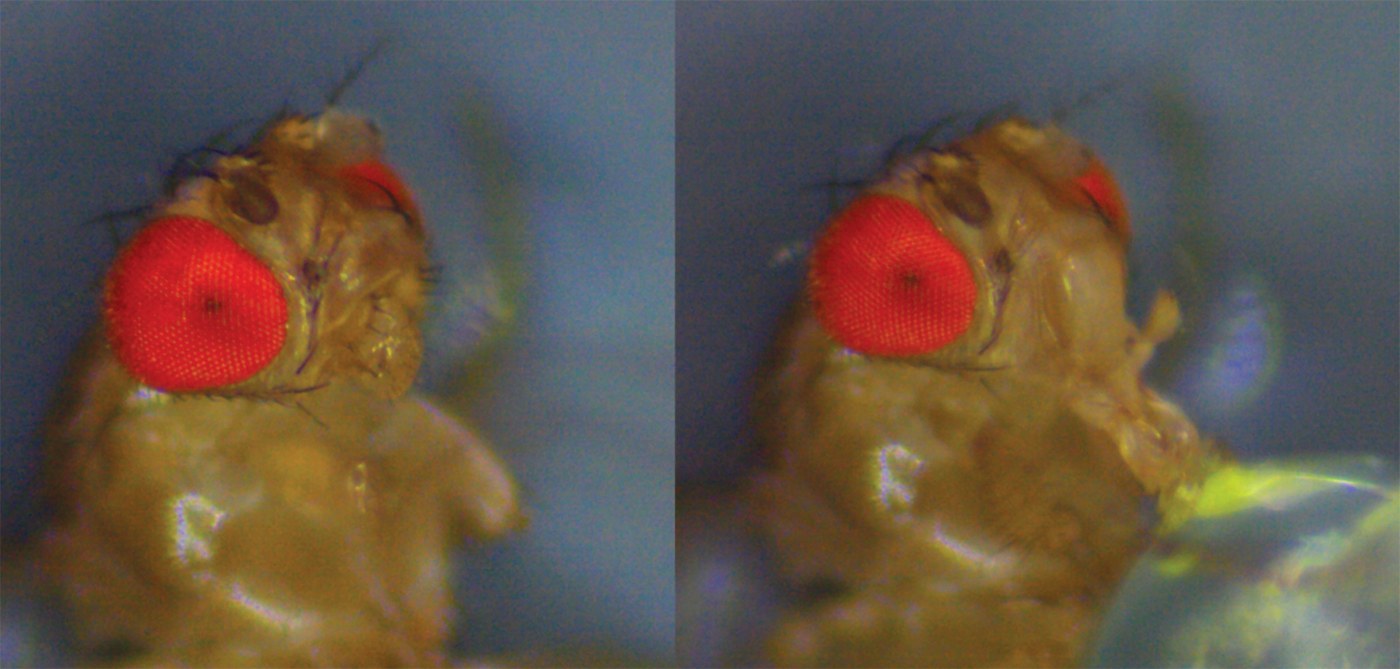
Key Visual Features
The common fruit fly is a tiny, delicate insect frequently noticed hovering around kitchens, known for its bright eye color.
- Size: Very small, about 1/8 inch (3 mm) long — among the smallest flies commonly seen indoors.
- Color: Tan to light brown body with a darker abdomen, often showing faint striping.
- Eyes: Large, bright red compound eyes that dominate the head — one of the most distinguishing features of this species.
- Body shape: Small, oval body with a rounded abdomen and a relatively large head compared to body size.
- Wings: A single pair of clear wings held flat over the body at rest, allowing quick, hovering flight.
- Antennae: Short, small antennae, not easily visible without close inspection.
- Legs: Six short legs used mainly for walking on surfaces like fruit skins.
Where and When You'll See Them
Fruit flies are drawn to ripening or fermenting produce, as well as drains, empty bottles, and other sources of sugary residue, making kitchens and pantries their most common indoor habitat. They are active throughout the day, often appearing suddenly in numbers when overripe fruit or vegetables are left out. Outdoors, they are most abundant in warm months near orchards, compost, or gardens with ripening produce, while indoor populations can appear at any time of year given the right conditions.
Similar-Looking Insects
- Fungus gnats: Similar small size but have dark bodies and long legs, and are associated with damp potting soil rather than ripening fruit.
- Phorid flies (drain flies' relatives): Small and dark but have a distinctive humped back and tend to run rather than fly when disturbed.
- Drain flies (moth flies): Slightly larger, fuzzy, moth-like wings held in a tent shape, and associated with drain buildup rather than fruit.
- House flies: Much larger overall, with a gray body and dark eyes instead of the fruit fly's tan body and bright red eyes.
Quick ID Checklist
- Very small, about 1/8 inch long
- Tan to light brown body
- Bright red compound eyes
- Single pair of clear wings, hovering flight
- Found near ripening produce, drains, or fermenting residue
Frequently asked questions
How can I tell a fruit fly from a fungus gnat?
Fruit flies have a tan body with bright red eyes and are drawn to ripening produce, while fungus gnats have a darker body, longer legs, and are usually found near damp potting soil instead.
Why are fruit flies attracted to my kitchen?
They are drawn to the sugars and fermentation from ripening or overripe produce as well as sugary residue in drains, which is why they tend to cluster around fruit bowls and sink areas.
What color are a fruit fly's eyes?
The common fruit fly has bright red compound eyes, a distinctive feature that stands out against its small tan body and helps separate it from other tiny flies.
How big is a fruit fly compared to a house fly?
A fruit fly is much smaller, at about 1/8 inch, compared to a house fly's 1/4 to 3/8 inch length, making size alone a useful first clue for telling them apart.
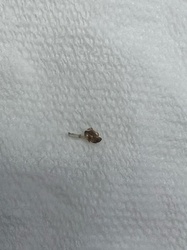
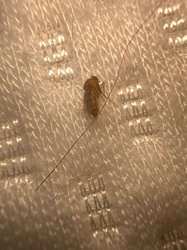
Fruit Fly identified by the community
Recent Fruit Fly finds identified with Bug Identifier.