
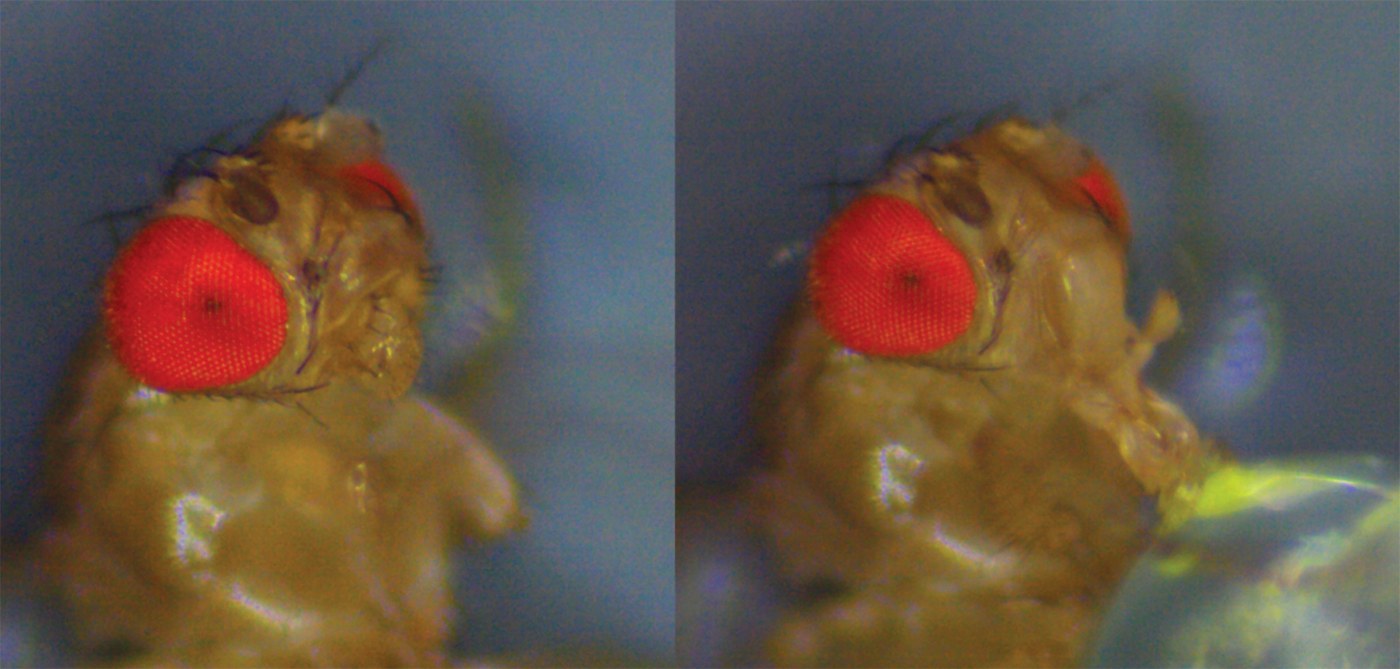
Fruit Fly
Drosophila melanogaster
A tiny tan fly with prominent red eyes that swarms around overripe fruit, wine, and vinegar, appearing seemingly out of nowhere thanks to an extremely fast life cycle.
- Size
- 2–4 mm
- Habitat
- Kitchens, overripe fruit, compost, orchards
- Danger
- Nuisance pest
Spotted a bug like this?
Identify any bug or insect from a photo, free.
Overview
The common fruit fly, Drosophila melanogaster, is a small dipteran insect in the family Drosophilidae, often called a vinegar fly because it is drawn to fermenting and decaying fruit. It is one of the most extensively studied organisms in biology, serving as a model species for genetics research for over a century, but in everyday life it is best known as the tiny fly that appears around ripening produce.
As a member of the order Diptera (true flies), it has a single pair of functional wings and a short, oval body. Its rapid reproduction and short generation time make it exceptionally good at exploiting temporary food sources like an overripe banana or an open glass of wine.
Fruit flies are found virtually worldwide alongside human agriculture and food storage, and they play a natural role as decomposers, helping break down overripe or rotting plant material along with the yeasts that grow on it.
How to Identify
- Body: small, oval, tan to brownish-yellow with a black abdomen banded in dark rings.
- Eyes: large, prominent red compound eyes covering much of the head.
- Wings: single pair, clear, held flat over the body at rest.
- Size: roughly 2–4 mm, noticeably smaller than a common housefly.
- Lookalikes: often confused with fungus gnats and phorid (humpbacked) flies, which are darker, less rounded, and lack the bright red eyes.
Habitat & Range
Fruit flies are found nearly worldwide, anywhere fermenting or overripe organic matter is available—kitchens, orchards, wineries, compost bins, and grocery produce sections. They thrive in warm, humid conditions and are most numerous in late summer and fall when fruit is ripening and decaying outdoors.
Indoors they can persist year-round wherever a food source such as a drain, garbage disposal, or piece of overripe produce provides moisture and yeast.
Behavior & Diet
Adults are drawn by scent to volatile compounds released by fermenting fruit, wine, and vinegar, feeding on the yeast and bacteria growing on decaying plant surfaces rather than the fruit flesh itself. They are weak but persistent fliers, often seen hovering in small erratic loops around a food source.
Ecologically, fruit flies and their larvae help accelerate the breakdown of rotting fruit, contributing to nutrient cycling. They have no notable defensive behaviors and rely on quick flight to avoid being caught.
Life Cycle
Fruit flies undergo complete metamorphosis: egg, larva (maggot), pupa, and adult. Females lay tiny eggs directly on or near fermenting fruit, and eggs can hatch in as little as a day under warm conditions.
Larvae feed on the yeast-rich surface of decaying fruit for several days before pupating in a hardened, dark case. The entire life cycle from egg to adult can be completed in as little as 8–10 days at room temperature, allowing many generations to occur in a single season.
Frequently asked questions
Why do fruit flies appear so suddenly?
Their extremely fast life cycle means a few flies attracted to ripening produce can produce a visible population within about a week.
Are fruit flies the same as gnats?
No—fungus gnats and drain flies are different families with darker coloring and different breeding sites, though they are often mistaken for fruit flies.
What attracts fruit flies?
The scent of fermenting or overripe fruit, vinegar, and other yeasty organic matter.
How big is a fruit fly?
About 2–4 mm, roughly a third the size of a common housefly.
Fruit Fly guides
In-depth guides for identifying, understanding, and living alongside Fruit Fly.
Fruit Fly identified by the community
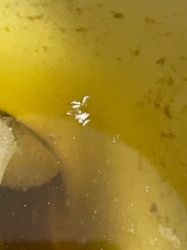
Real finds identified with Bug Identifier.
Other bugs you may enjoy
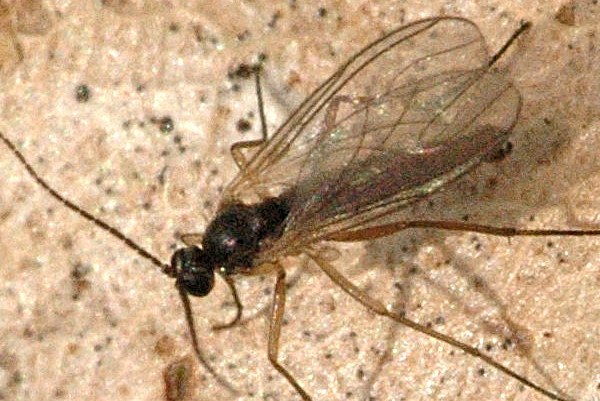
Aphid Midge
Gardens, greenhouses, and crops with aphids
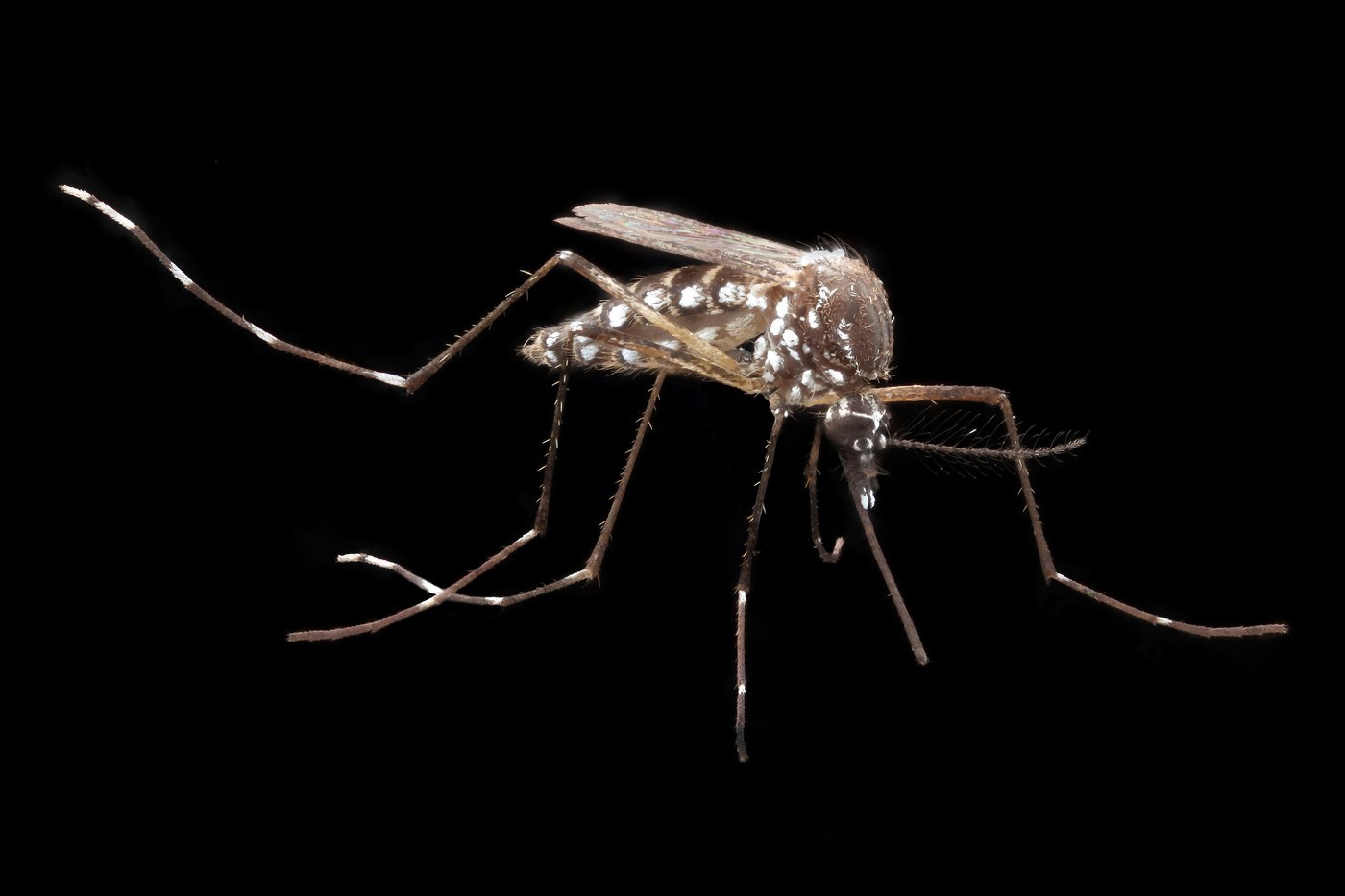
Yellow Fever Mosquito
Urban and peri-urban areas near small artificial water containers in tropical and subtropical regions worldwide
Root Maggot
Garden and field soil around the roots of cole crops and other vegetables
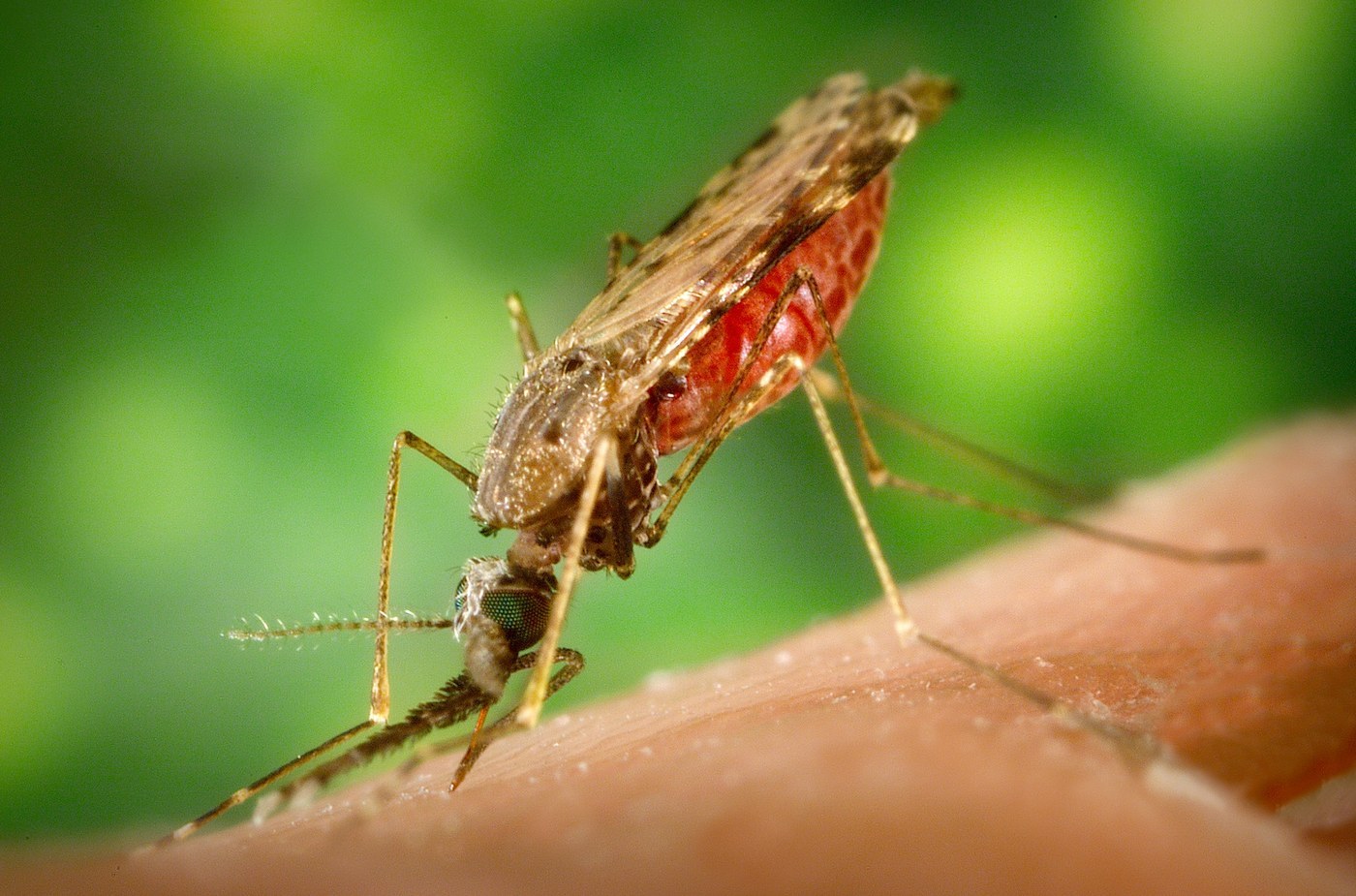
Anopheles Mosquito
Clean, still or slow-moving freshwater habitats such as marshes, ponds, and rice paddies
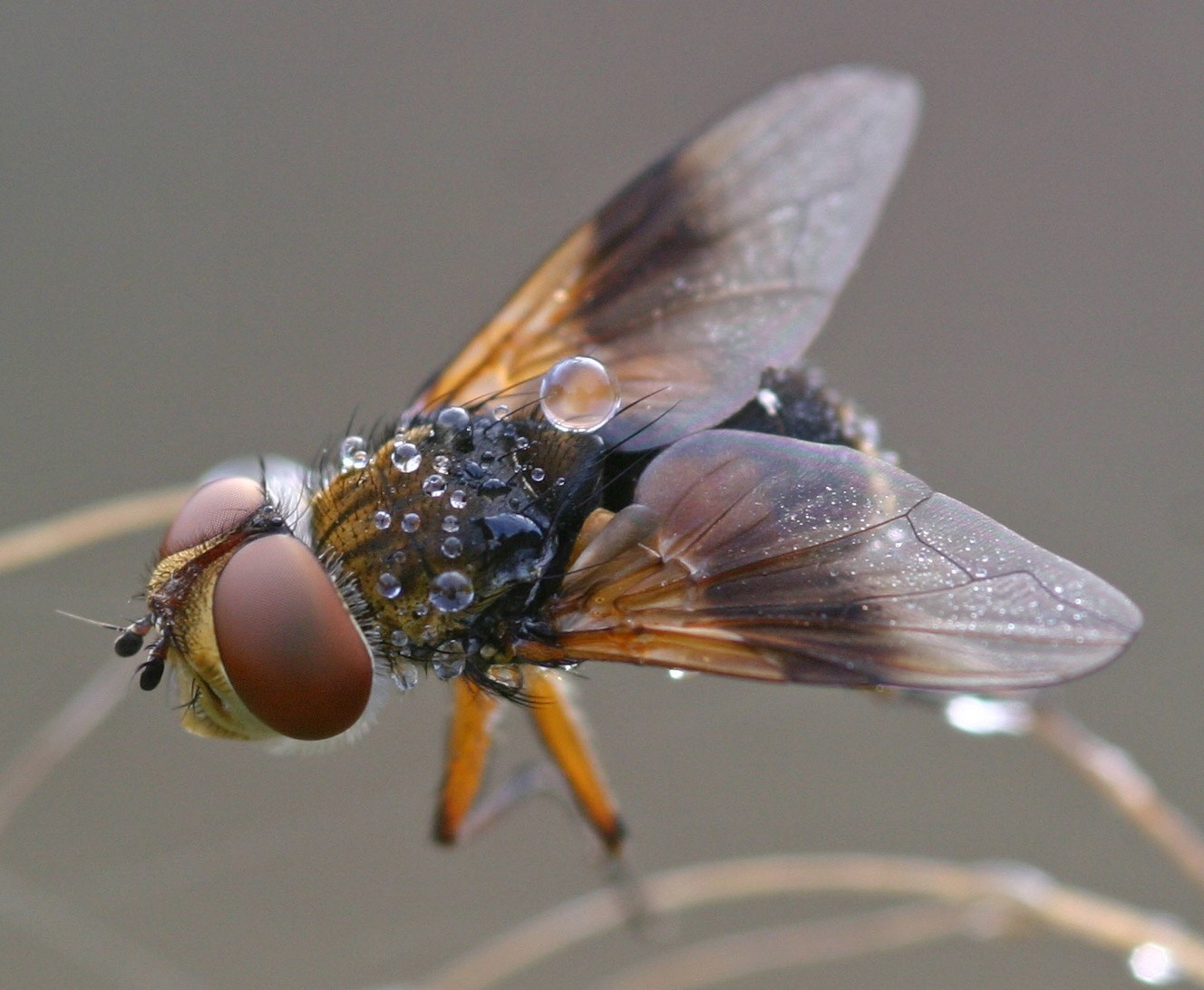
Tachinid Fly
Gardens, meadows, and woodlands wherever host caterpillars and other insects occur
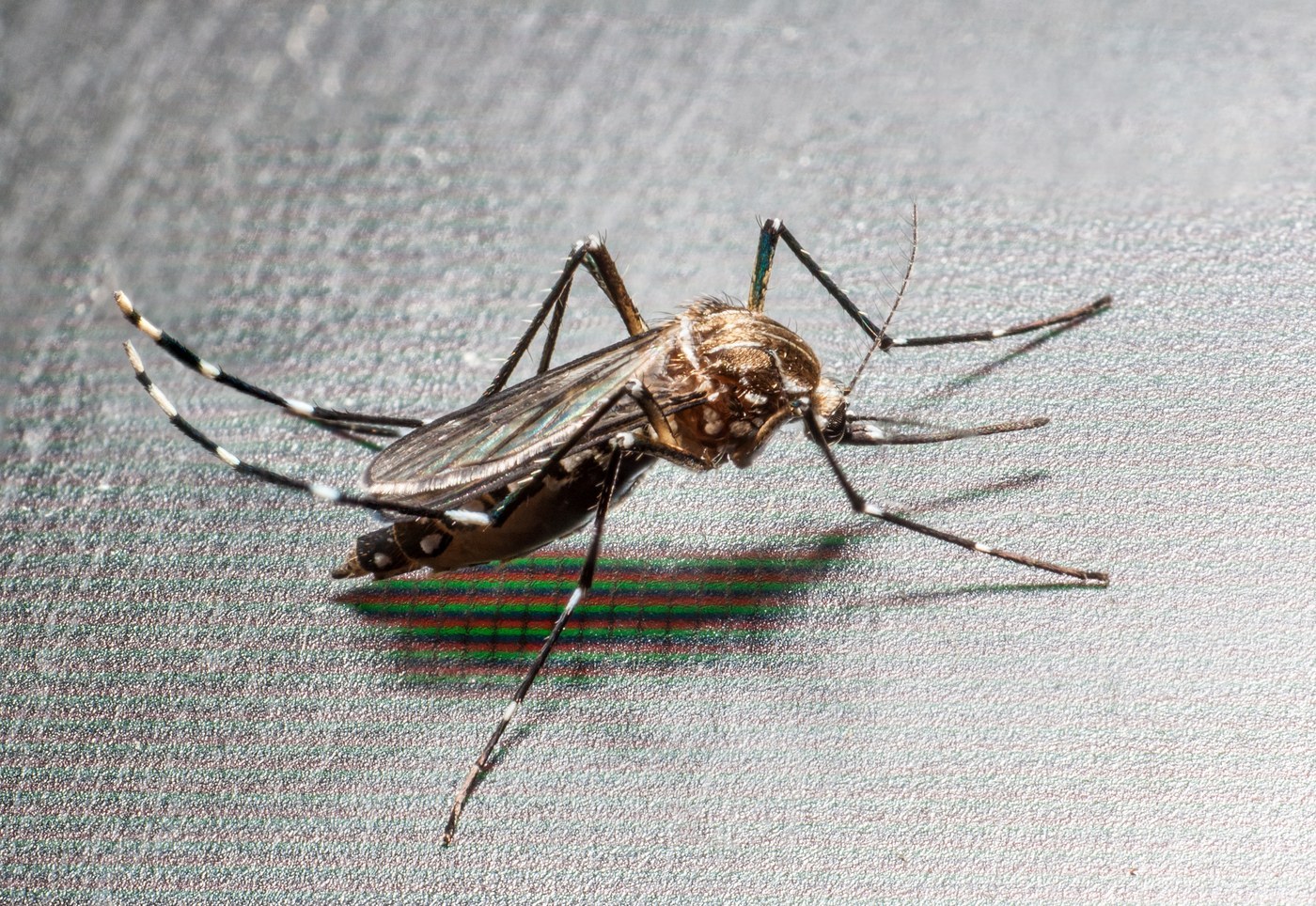
Asian Tiger Mosquito
Shaded urban and suburban areas near small water-holding containers, tires, and tree holes; native to Southeast Asia, now widespread
Tsetse Fly
Wooded savanna, riverine thickets, and forest edges across sub-Saharan Africa
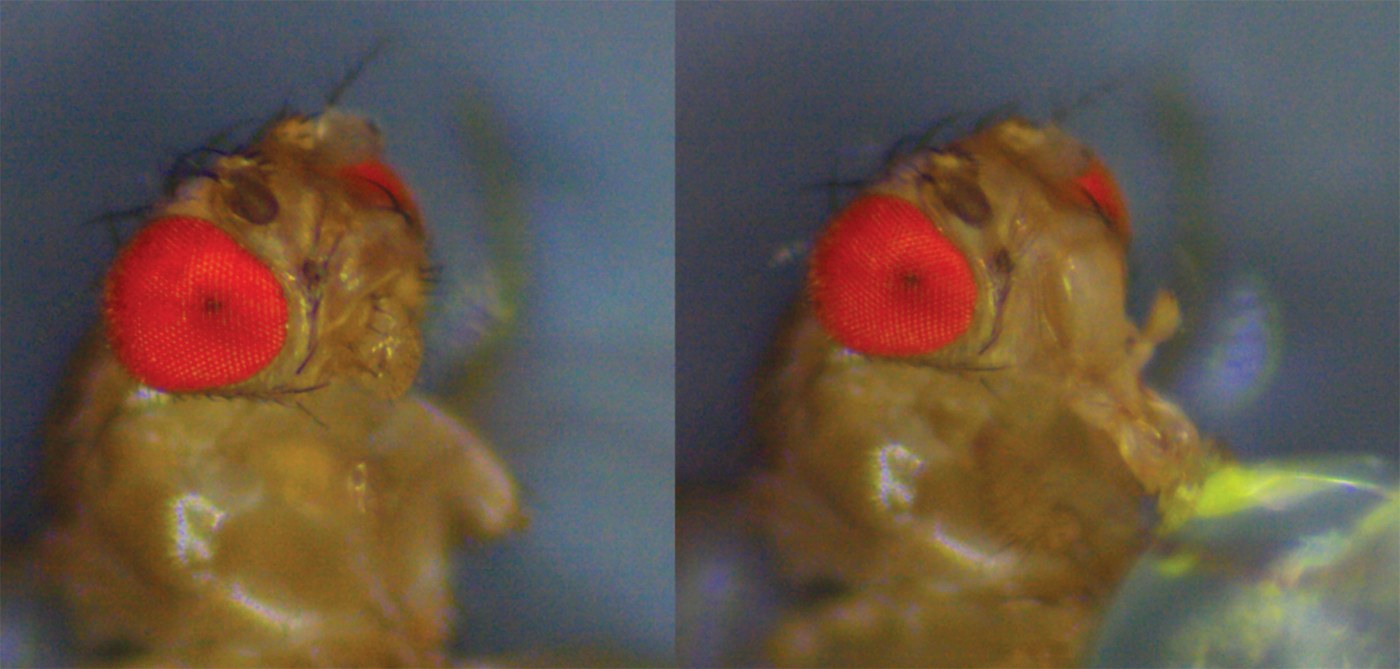
Vinegar Fly
Around overripe fruit, compost, and fermenting materials worldwide
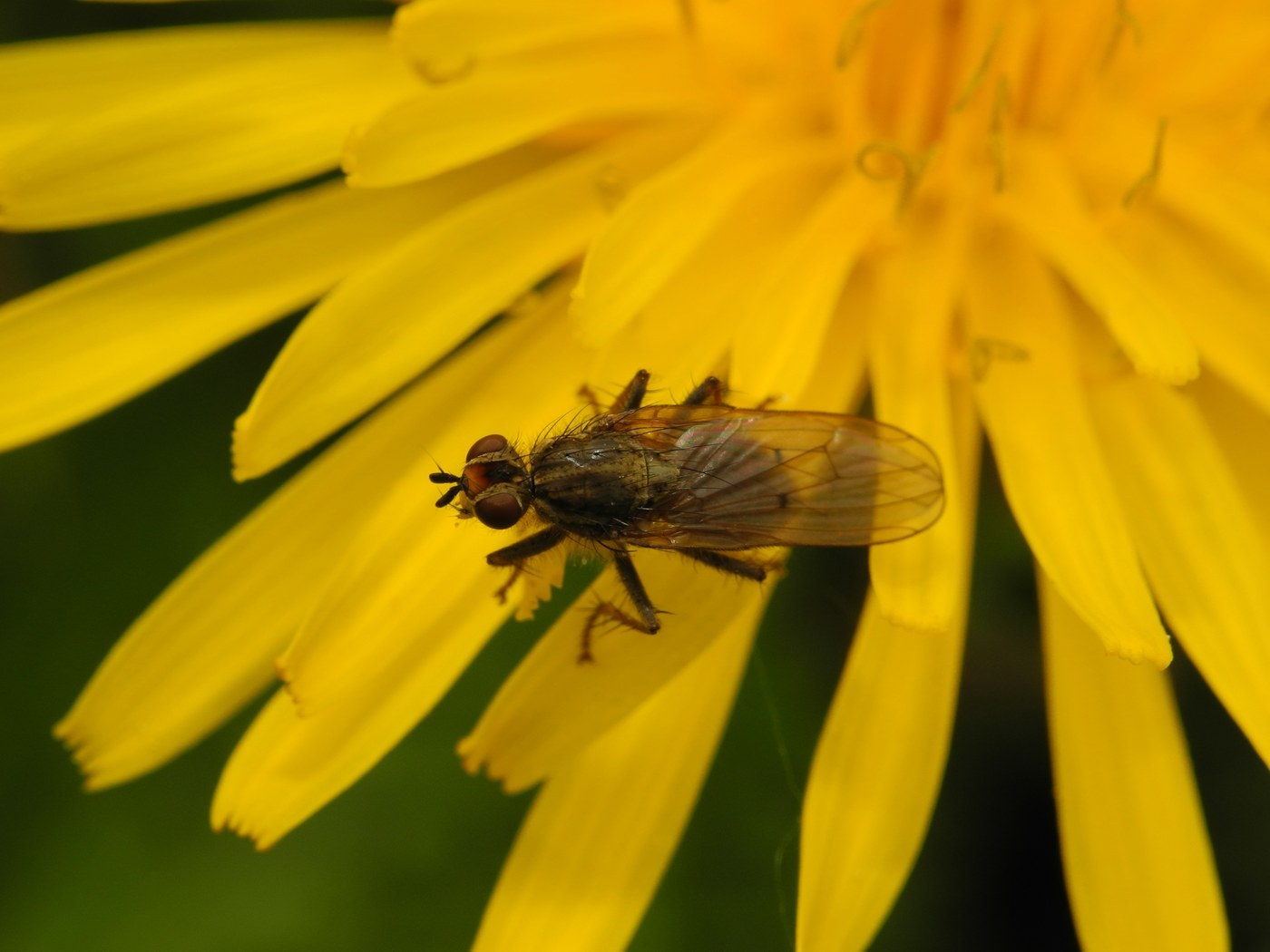
Yellow Dung Fly
Pastures and fields with fresh cattle dung
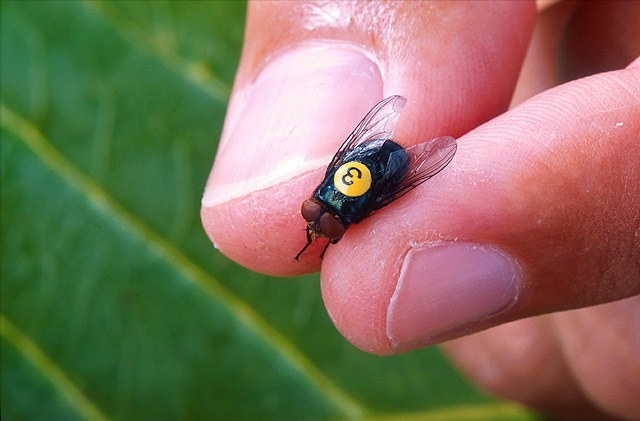
Screwworm Fly
Warm, humid lowlands of the Americas, especially near livestock and wildlife wounds
Soldier Fly
Wetland margins, decaying organic matter, and vegetation near water
Punkie
near marshes, mudflats, ponds, and other standing water