Ghost Mantis Identification Guide
A small, jagged-edged mantis whose curled, leaf-like projections give it an eerie, withered-leaf disguise.
Read the full Ghost Mantis encyclopedia entry →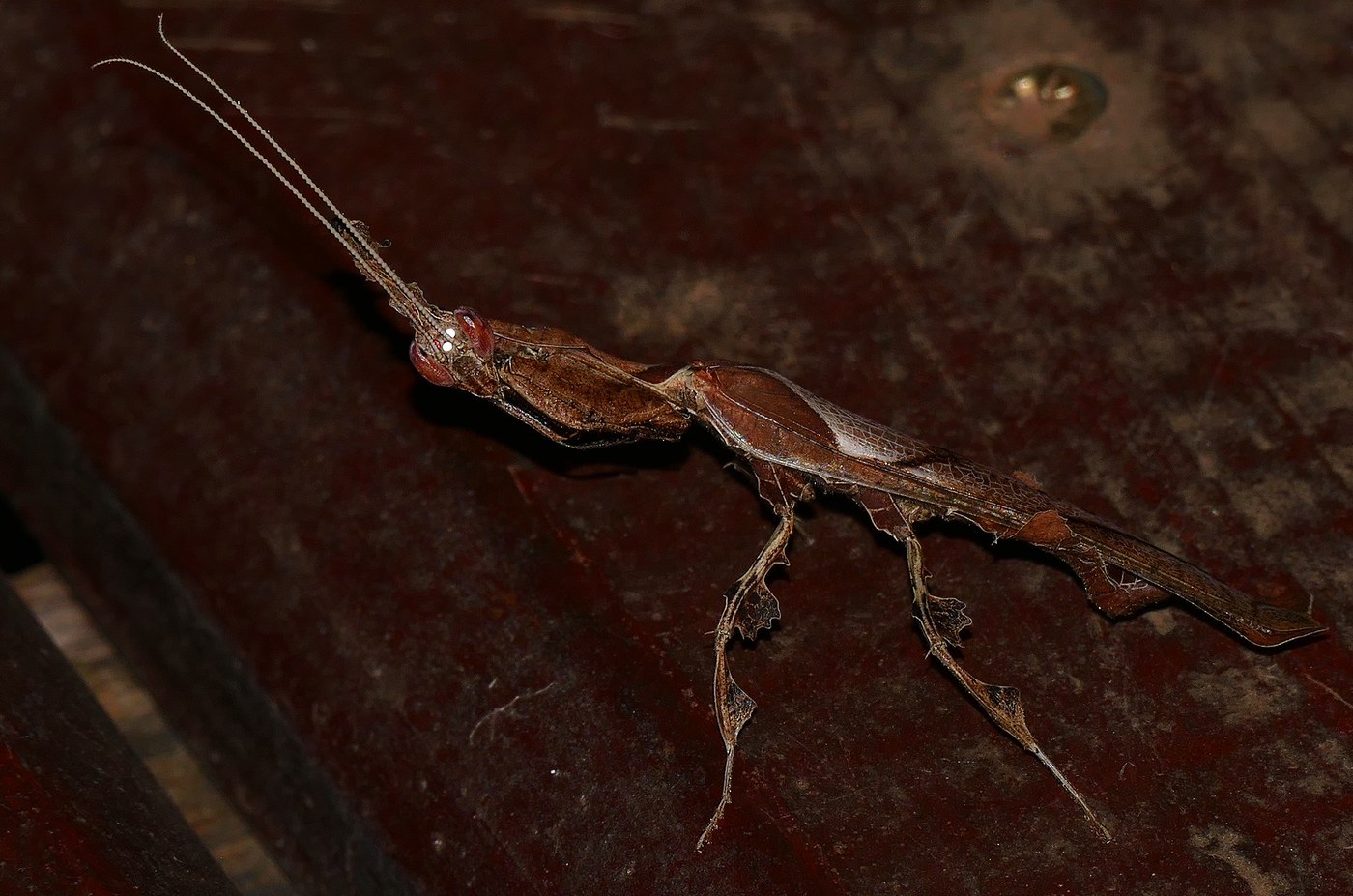
Key Visual Features
The ghost mantis (Phyllocrania paradoxa) is a small African mantis species notable for its irregular, jagged silhouette mimicking a curled dead leaf.
- Size: Small compared to many other mantis species, adults reaching roughly 1.5-2.5 inches (4-6 cm)
- Color: Ranges from tan and brown to grayish or even dark brown/black forms, with mottled patterning resembling decaying plant matter
- Body shape: Slender but irregular, with a distinctive crest or hood-like projection extending upward from the top of the head, plus additional lobes and flanges along the thorax and abdomen edges
- Wings: Forewings have a crinkled, leaf-like texture with visible veining and irregular, curled-looking edges, enhancing the withered-leaf appearance
- Legs: Front raptorial legs folded in typical mantis fashion; the legs and body margins have small pointed or scalloped extensions that break up the outline
- Head: A raised, hood- or crown-like projection above the head is a signature feature, giving rise to the "ghost" and sometimes "paradoxa" naming
Where and When You'd See It
Ghost mantises are native to Africa, found in dry savanna, scrubland, and woodland habitats where dead leaves and dry vegetation are common. They rest by day among dry leaves, twigs, and low shrubs, relying on camouflage and stillness rather than movement to avoid detection. In their native range they are active during the warmer, wetter parts of the year and are also widely kept and observed in captivity as an exotic pet species.
Similar-Looking Bugs
- Dead leaf mantis: Larger and broader with a smoother, more rounded leaf-shaped outline, lacking the ghost mantis's distinctive raised head crest and jagged edges
- Other African mantis species (e.g., African mantis): Typically have a more standard, streamlined mantis shape without the crown-like head projection or curled leaf texture
- Twig or bark mantises: Mimic thin twigs with an elongated body rather than the broad, curled-leaf shape of the ghost mantis
- Dry, curled dead leaves themselves: The resemblance is intentional — the presence of a mantis head shape, compound eyes, and folded front legs confirms it's the insect and not actual leaf litter
Quick ID Checklist
- Small body with a raised, hood-like crest above the head
- Jagged, irregular lobes along the thorax and body edges
- Tan/brown mottled coloring resembling dead leaves
- Crinkled, veined wing texture with curled-looking edges
- Found resting among dry leaves and scrub vegetation in African savanna/woodland habitat
Frequently asked questions
What is the defining feature of the ghost mantis?
A distinctive raised, hood- or crown-like projection above the head, combined with jagged lobes along the body, is the clearest way to identify this species.
How is the ghost mantis different from the dead leaf mantis?
The ghost mantis is smaller with a jagged, angular silhouette and a raised head crest, while the dead leaf mantis is larger with a smoother, broader leaf-shaped outline.
Where is the ghost mantis originally from?
It is native to Africa, where it lives in dry savanna, scrubland, and woodland habitats among dead leaves and dry vegetation.
Does color vary between individuals?
Yes, ghost mantises can range from light tan and brown to darker grayish or blackish forms, all mimicking various states of decaying leaf litter.
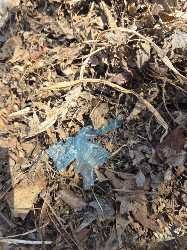
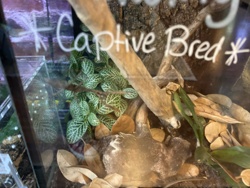
Ghost Mantis identified by the community
Recent Ghost Mantis finds identified with Bug Identifier.