
Ghost Mantis
Phyllocrania paradoxa
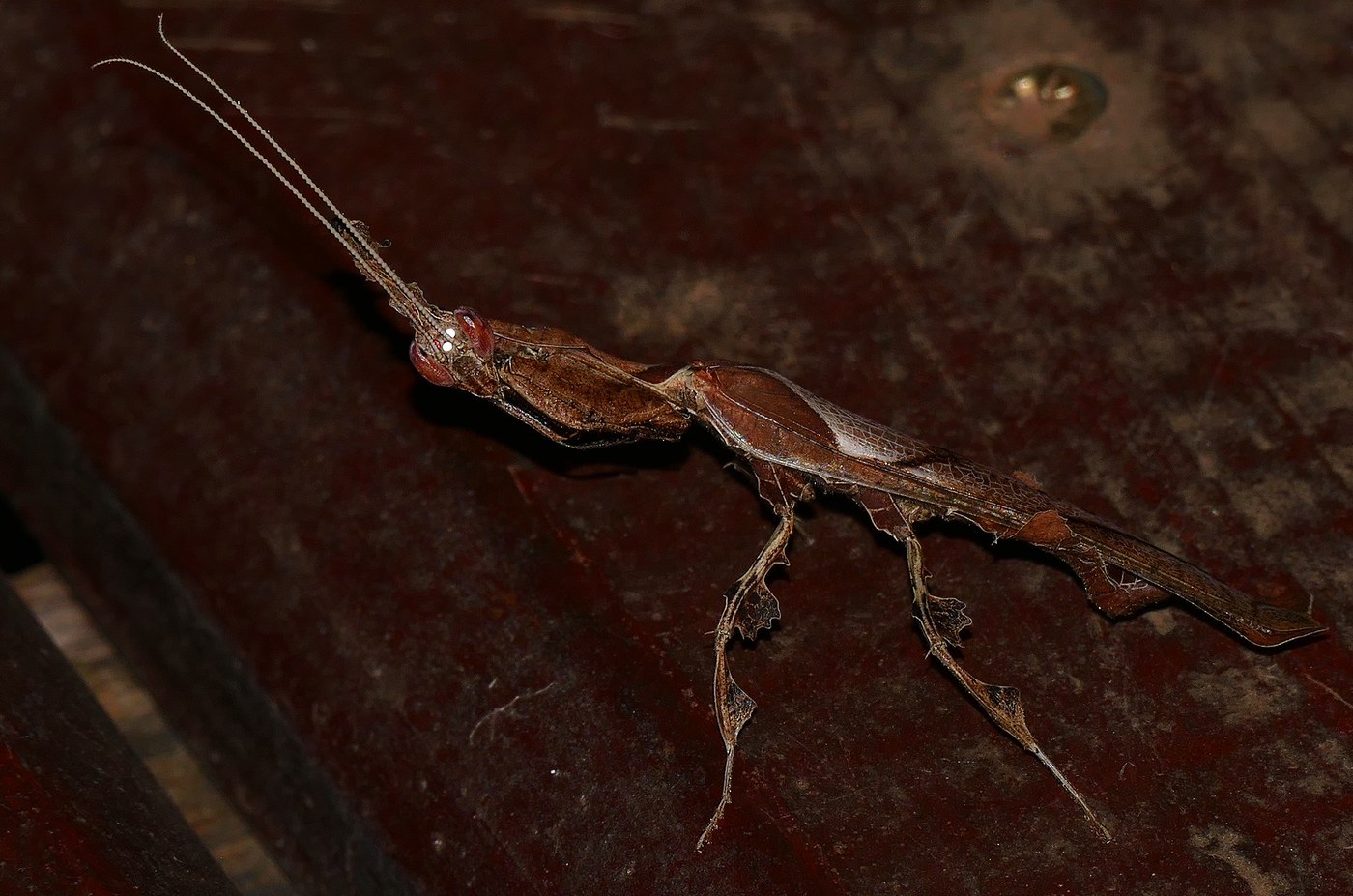
A small, angular mantis crowned with a leaf-shaped crest, so thoroughly disguised as a withered leaf that it seems to vanish into dead foliage.
- Size
- 1.5-2.5 in (4-6.5 cm) long
- Habitat
- dry shrubland and leaf litter of sub-Saharan Africa
- Danger
- Harmless
Spotted a bug like this?
Identify any bug or insect from a photo, free.
Overview
The ghost mantis is a small, highly cryptic mantis species native to sub-Saharan Africa, prized for its remarkably leaf-like appearance. Its most distinctive feature is a large, flattened, crown-like projection extending from the top of the head, resembling a curled leaf tip, which together with irregular body outlines and lobed leg extensions helps the insect blend almost seamlessly into dry leaves and brush.
Coloration typically ranges from dead-leaf brown to grayish tan, sometimes with darker mottling, closely matching withered vegetation rather than fresh green growth. The body outline is irregular and angular rather than smooth, with jagged edges on the thorax, abdomen, and legs that break up its silhouette and further enhance the illusion of a dried, curled leaf fragment rather than a living insect.
Ghost mantises are ambush predators that spend most of their time motionless among dead leaves, twigs, and dry shrubland vegetation, relying almost entirely on camouflage rather than active movement to avoid predators and to surprise prey. Their small size and modest predatory demands make them relatively easy to overlook in the wild, and their unusual leaf-mimic appearance has made them a popular species among mantis enthusiasts in captivity.
How to Identify
- Distinctive crown-like, leaf-shaped projection on top of the head, the species' most recognizable feature
- Dead-leaf brown to grayish-tan coloring, sometimes with darker mottled patches
- Irregular, jagged body outline with lobed extensions on the thorax and legs
- Relatively small size for a mantis, typically 1.5-2.5 in (4-6.5 cm)
- Wings, when present, are thin and leaf-textured, folded flat over the abdomen at rest
- Spined raptorial front legs typical of mantises, usually held close to the body
Habitat & Range
The ghost mantis is native to dry shrubland, savanna, and leaf litter habitats across sub-Saharan Africa, including regions of East and Southern Africa. It is closely associated with dry, withered vegetation and leaf debris where its coloring and shape provide effective camouflage, and it is generally active during the warmer, drier periods typical of its range.
Behavior & Diet
Ghost mantises rely almost entirely on stillness and camouflage as their primary survival strategy, remaining motionless among dead leaves and dry twigs for extended periods to avoid detection by predators while waiting to ambush passing insects. When disturbed, they may sway gently back and forth, mimicking a leaf moving in the breeze, a behavior called masquerade that reinforces their disguise even when movement is unavoidable. As with other mantises, they strike quickly with their spined front legs once prey ventures within range, feeding on small insects encountered in their leaf litter habitat. Solitary by nature, they are also known to be cannibalistic, particularly among females toward smaller males.
Life Cycle
The ghost mantis undergoes incomplete metamorphosis through egg, nymph, and adult stages. Females produce a compact ootheca attached to a twig or other secure surface, from which multiple nymphs hatch and disperse to reduce competition and cannibalism among siblings. Nymphs already display the characteristic leaf-like head crest and mottled coloring in miniature form, becoming more pronounced with successive molts. Development to adulthood typically takes a few months, with males generally maturing faster and being smaller and more slender than females.
Frequently asked questions
What is the crown-like structure on a ghost mantis's head?
It is a flattened, leaf-shaped crest that extends from the top of the head, helping the mantis mimic a curled, dead leaf.
Why does the ghost mantis sway back and forth?
This swaying, known as masquerade behavior, mimics a leaf moving in the wind and helps maintain its camouflage even while moving.
Where is the ghost mantis found?
It is native to dry shrubland and leaf litter habitats across sub-Saharan Africa.
How big does a ghost mantis get?
It is a relatively small mantis species, typically reaching about 1.5-2.5 in (4-6.5 cm) in length.
Ghost Mantis guides
In-depth guides for identifying, understanding, and living alongside Ghost Mantis.
Ghost Mantis identified by the community
Real finds identified with Bug Identifier.
Other bugs you may enjoy
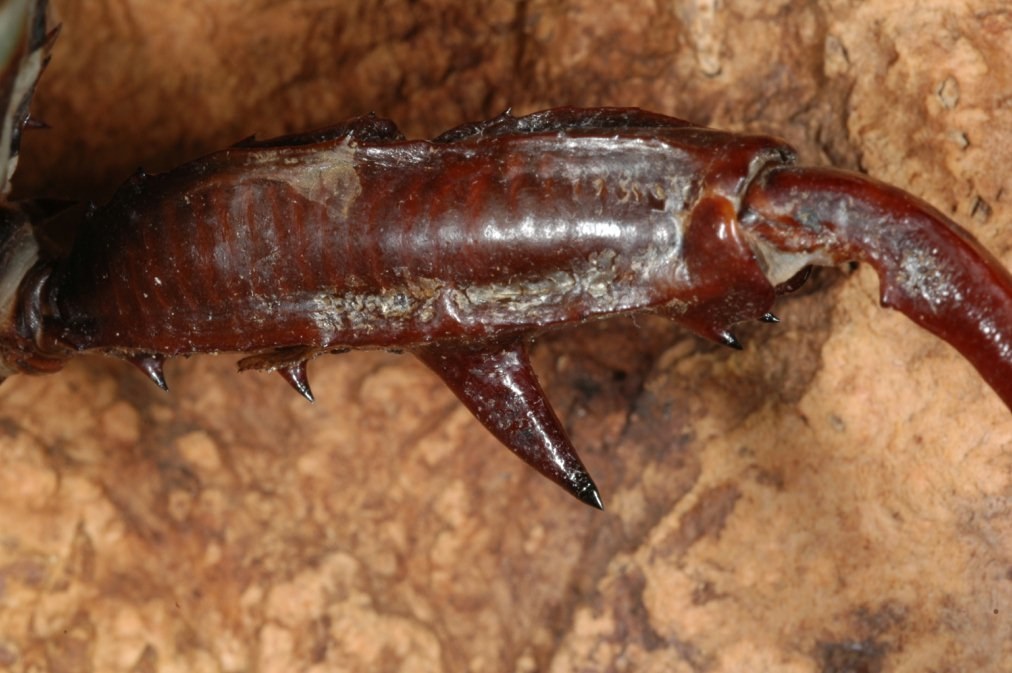
Walking Stick Insect
Trees, shrubs and leaf litter in forests, woodlands and gardens
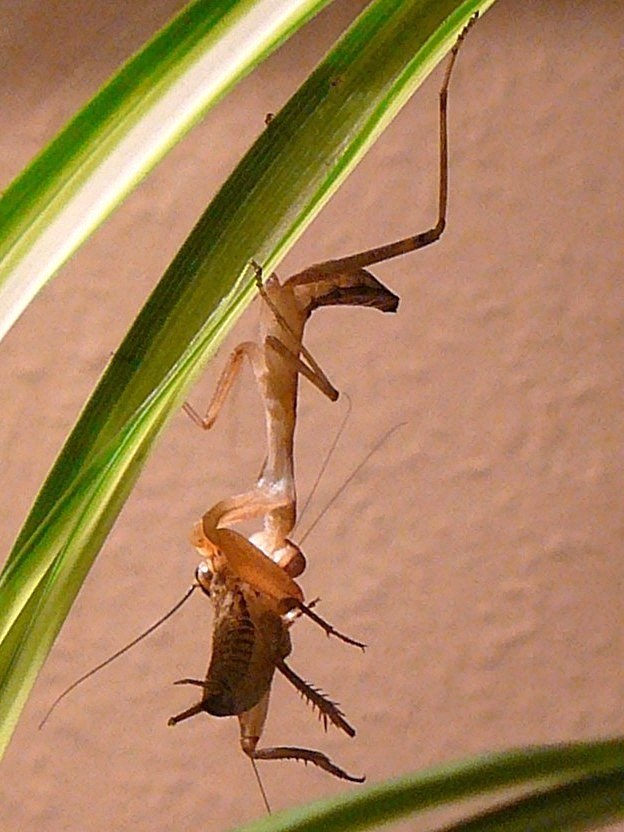
African Mantis
grasslands, shrubs, and gardens across sub-Saharan Africa
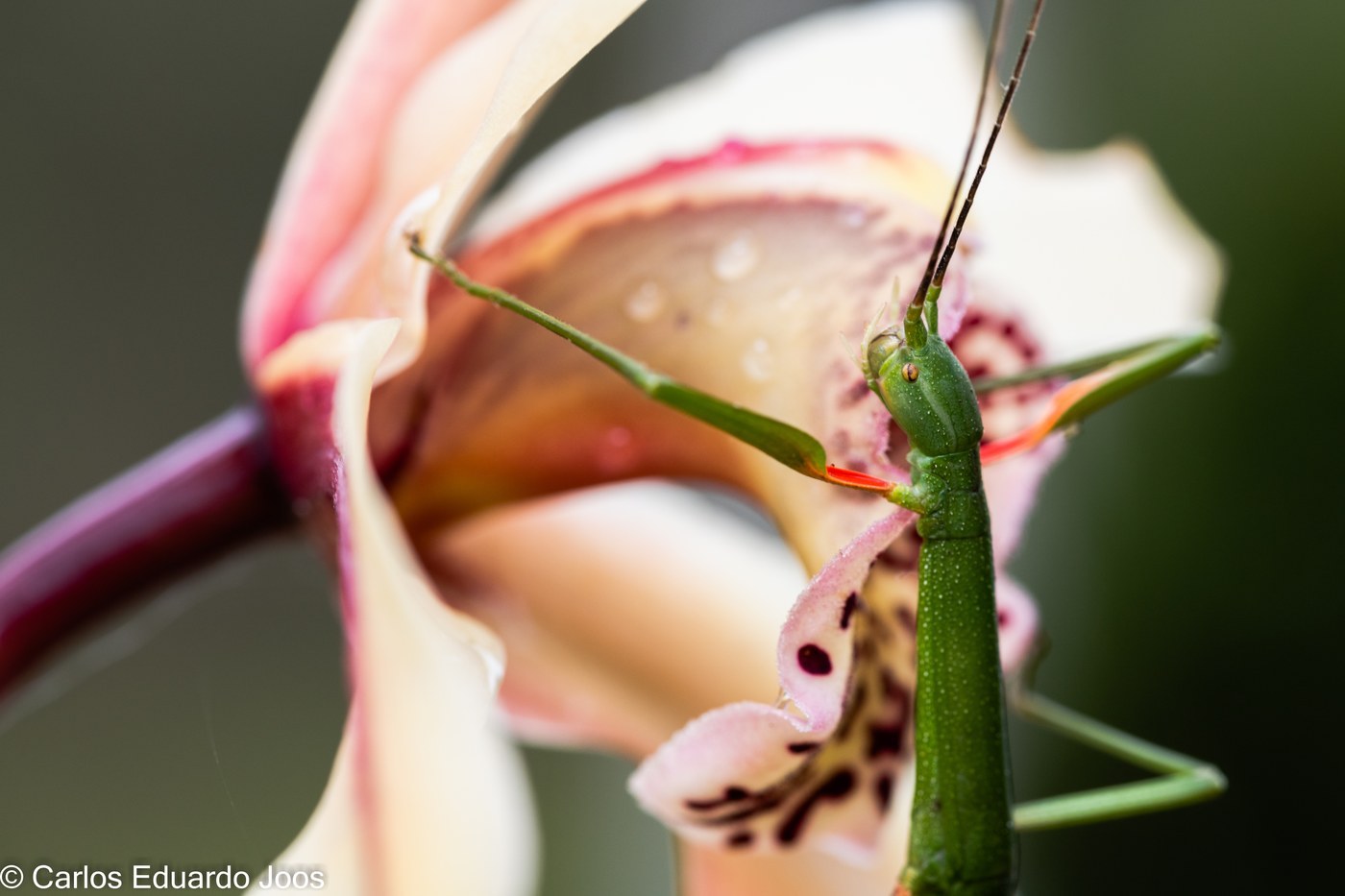
Walking Stick
Deciduous woodlands, forest edges, and shrubby vegetation
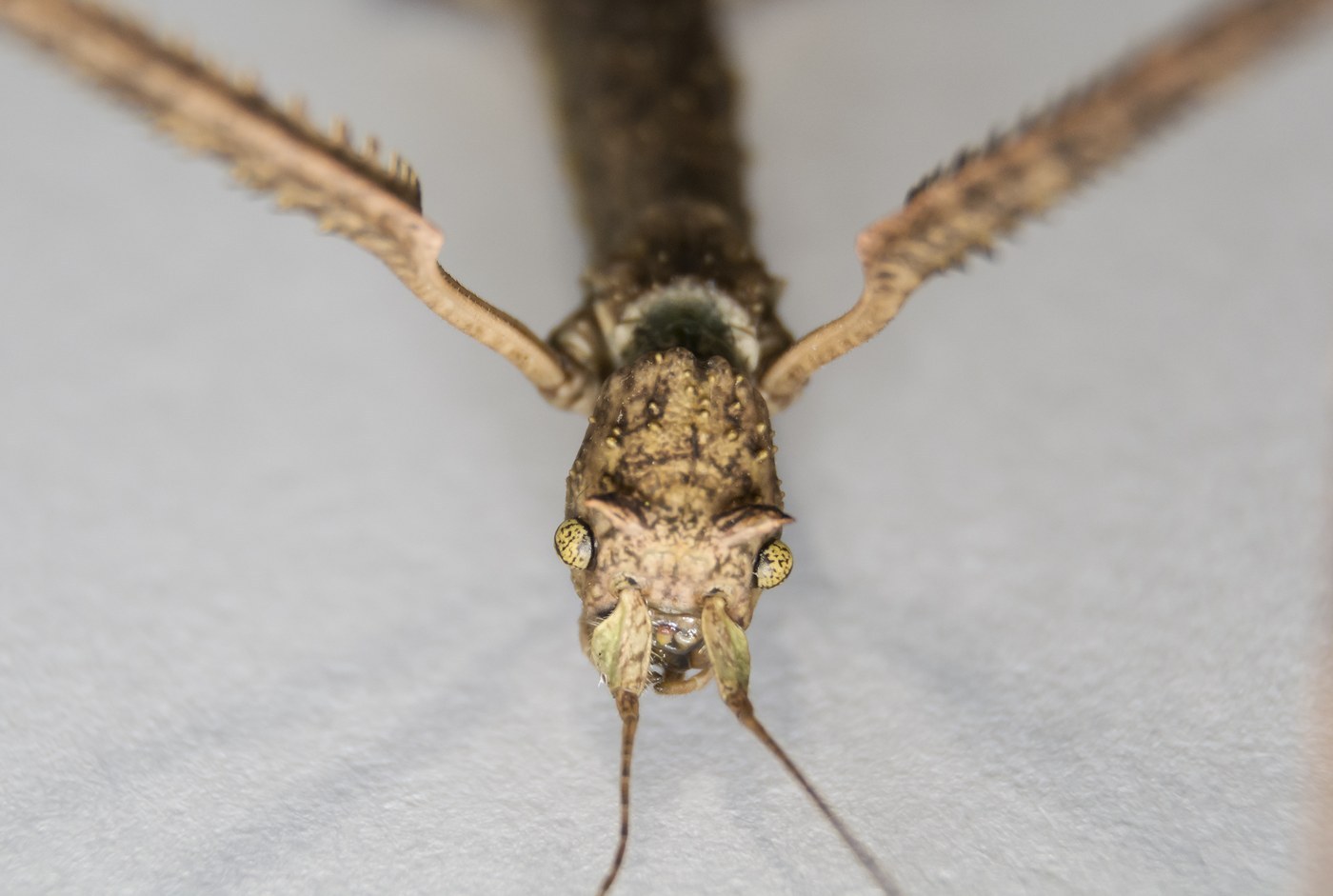
Vietnamese Walking Stick
tropical forests of Vietnam; widely kept in captivity worldwide
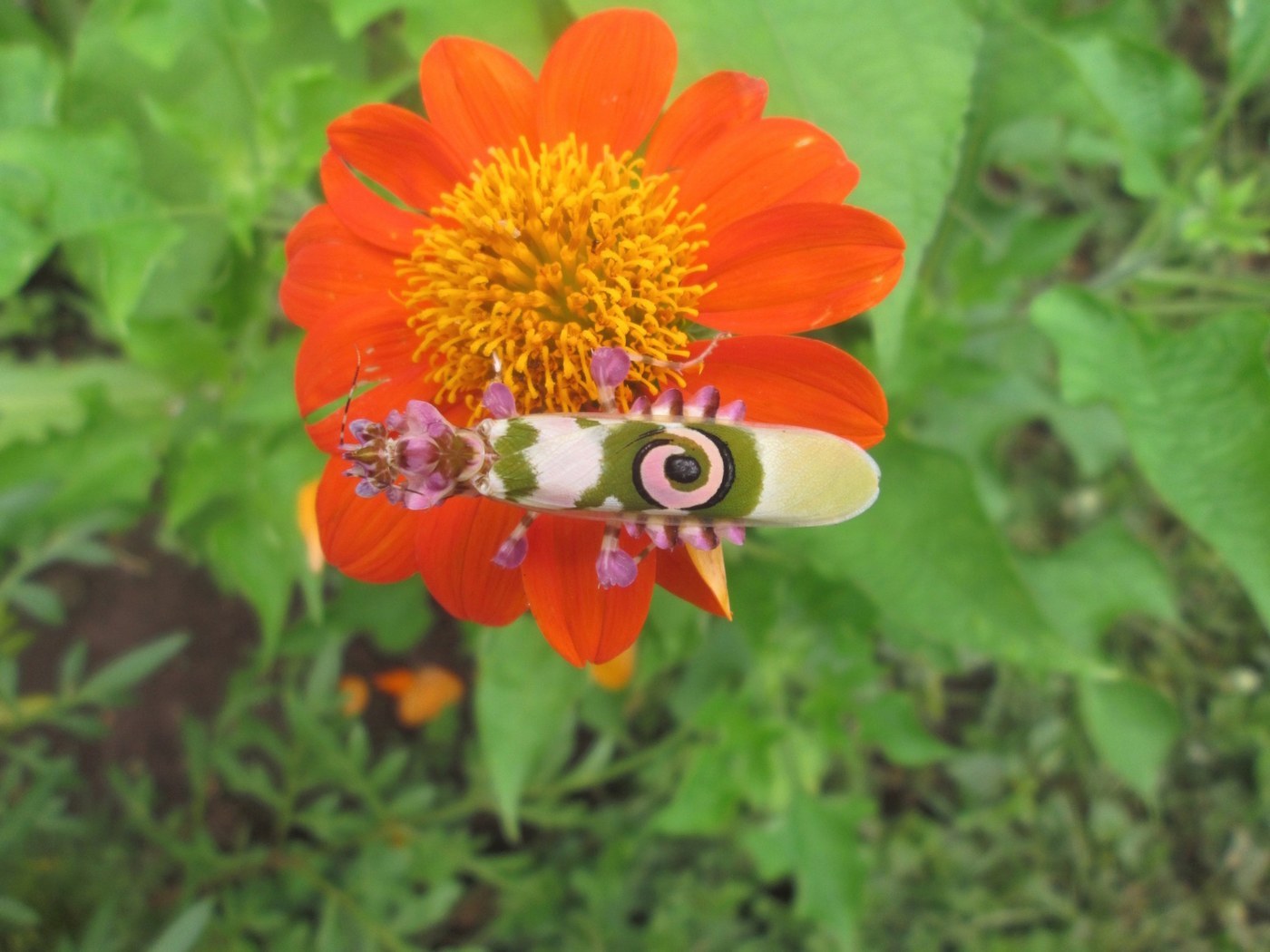
Spiny Flower Mantis
African savanna and woodland shrubs and flowering plants
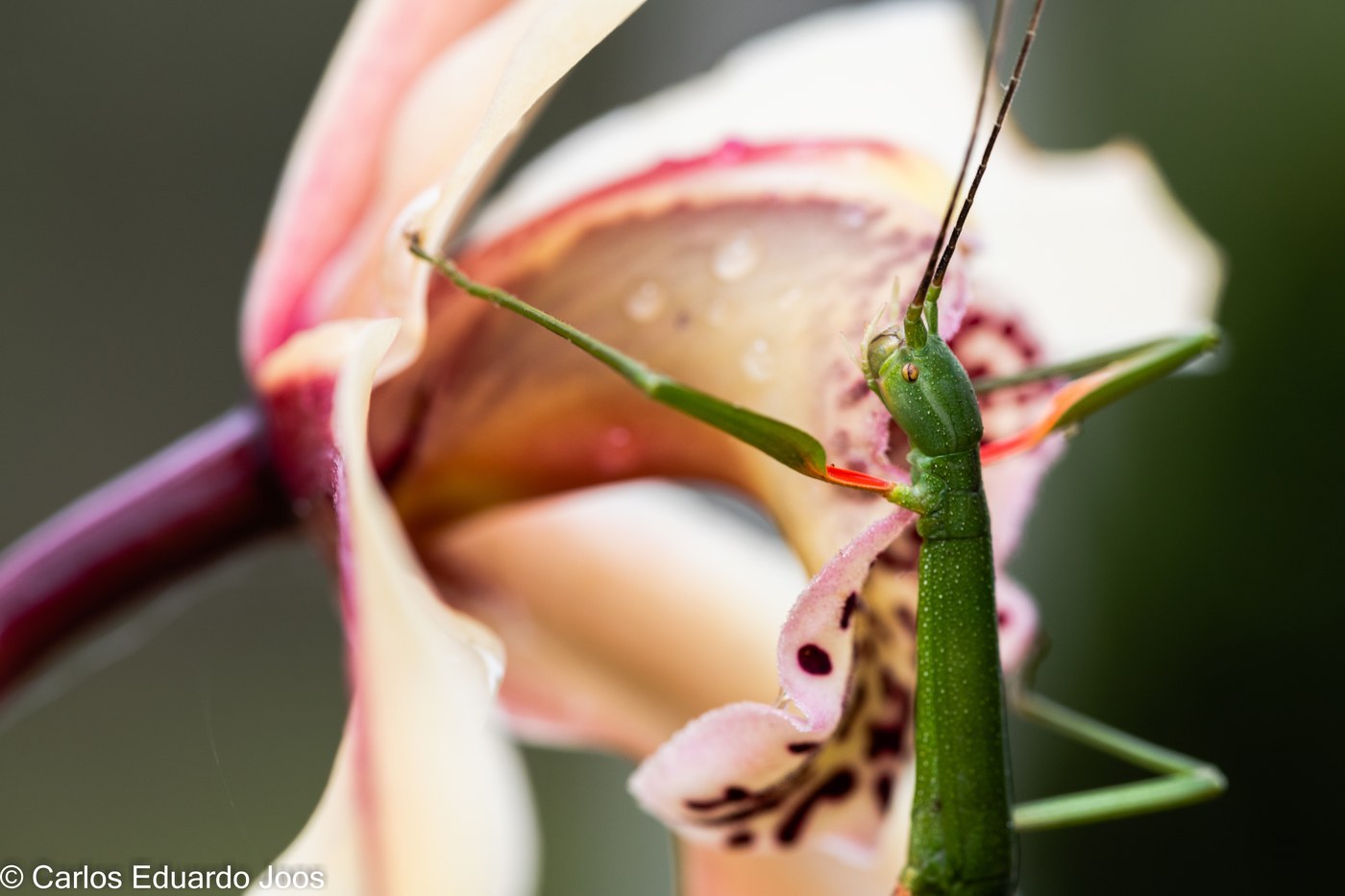
Northern Walkingstick
deciduous forests and woodland edges of the eastern and central United States and southern Canada
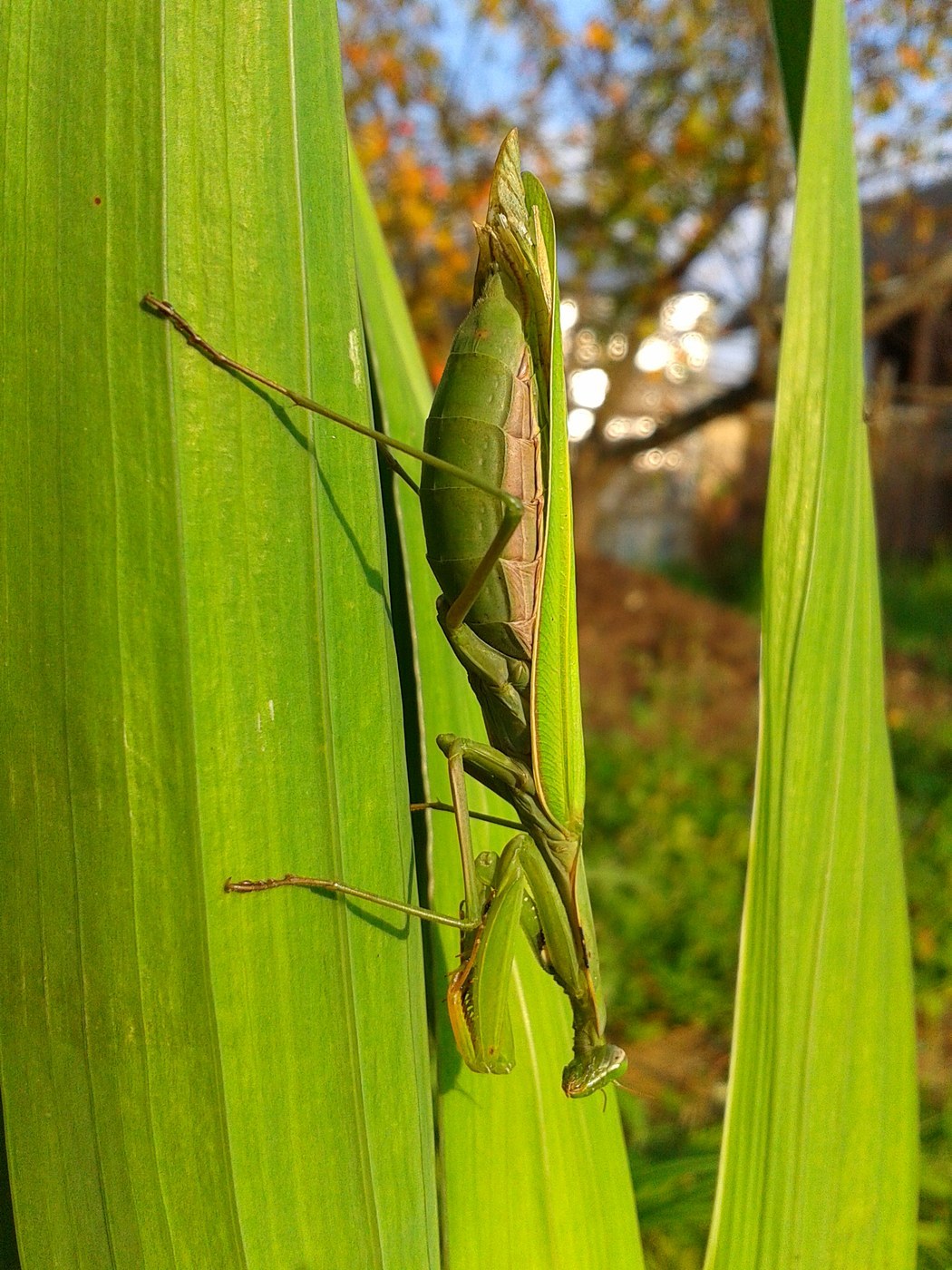
Praying Mantis
Gardens, meadows, shrubs, and tall grass
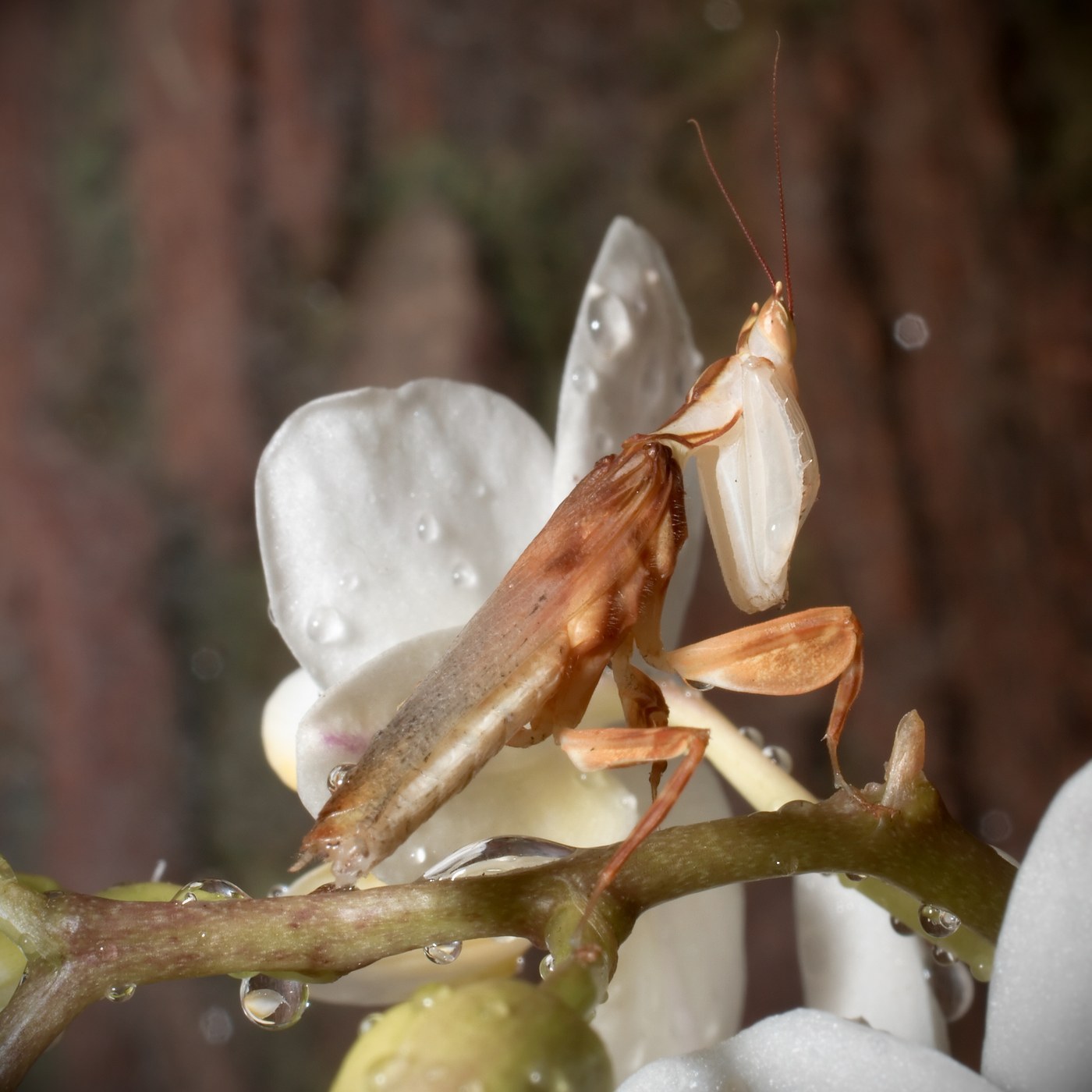
Orchid Mantis
tropical rainforests and flowering shrubs of Southeast Asia
Goliath Stick Insect
Tropical and subtropical eucalypt forests and woodland canopy
Giant Prickly Stick Insect
eucalyptus forests and shrubland of eastern Australia and New Guinea
Javanese Leaf Insect
Tropical lowland and montane forest foliage
Giant Walking Stick
Deciduous woodlands, forest edges, and shrubby thickets