Harlequin Bug Identification Guide
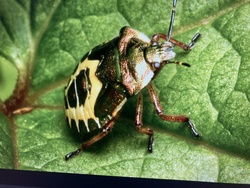
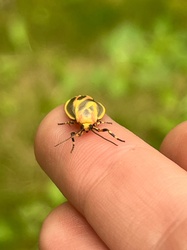
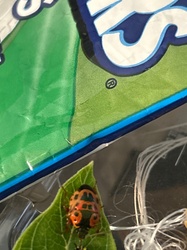
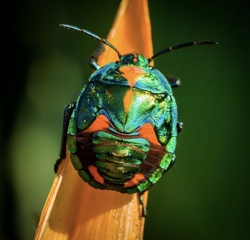
Spot the harlequin bug by its bold, contrasting orange-and-black shield pattern that looks almost hand-painted.
Read the full Harlequin Bug encyclopedia entry →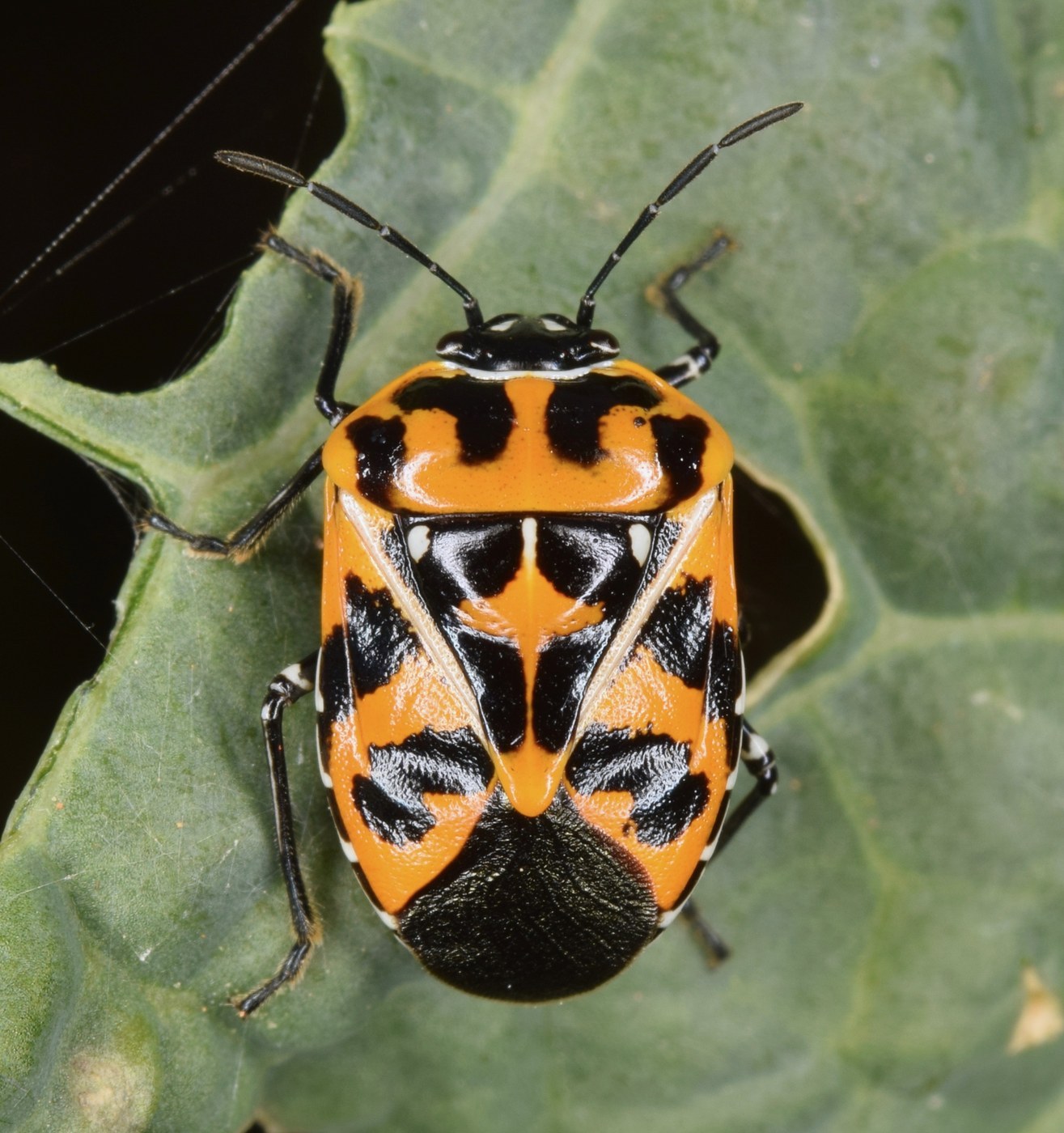
Key Visual Features
The harlequin bug (Murgantia histrionica) is one of the most visually striking stink bugs, easily recognized by its bold, contrasting color pattern.
- Size: About 8-11 mm (roughly 3/8 inch) long
- Color: Shiny black background with vivid orange, red, or yellow markings arranged in irregular blotches and bands
- Body shape: Broad, flattened shield shape typical of stink bugs, slightly narrower at the head end
- Wings: Leathery forewing bases and membranous tips, folded flat and patterned with the same orange-and-black coloring as the rest of the body
- Legs: Black with orange banding in many individuals
- Antennae: Five-segmented, dark with lighter banding
- Markings: No two individuals are quite identical, but most show a large, irregular orange or red shield-like patch across the back interrupted by black lines and blotches, giving a harlequin, patchwork appearance
Where and When You'd See It
Harlequin bugs are strongly associated with plants in the cabbage family and related garden vegetables, where they feed on leaves and stems. They are most active in warm months, spring through fall, in gardens, fields, and cultivated areas. Because their coloring is so bright, they are often seen resting openly on leaves rather than hiding, and small clusters of adults and nymphs may be found together on the same plant.
Similar-Looking Bugs
- Bagrada bug: Also black with orange-to-white markings but noticeably smaller and more uniformly patterned in rows of spots rather than large irregular blotches.
- Milkweed bugs: Orange-and-black patterning as well, but the pattern is more symmetrical and geometric, typically with a black X or triangle on an orange background, and they are usually found on milkweed rather than cabbage-family plants.
- Boxelder bugs: Black with red-orange lines, but the pattern is narrower and more linear, without the bold, splotchy harlequin look.
- Cabbage bug (Eurydema species): Similar habitat and coloring but often shows a more evenly spotted or striped pattern rather than large asymmetrical patches.
Quick ID Checklist
- Shiny black body with bold, irregular orange, red, or yellow patches
- Broad, flattened shield shape, about 8-11 mm long
- Legs often banded in orange and black
- Found on cabbage-family and garden vegetable plants
- Rests openly on leaves due to its bright, conspicuous coloring
Frequently asked questions
What makes the harlequin bug's pattern different from other orange-and-black bugs?
Its markings are large, irregular, and asymmetrical, almost like a patchwork, rather than the neat rows of spots or symmetrical shapes seen on similar-colored bugs like the bagrada bug or milkweed bugs.
Where would I most likely find a harlequin bug?
It is most commonly found on cabbage-family plants and related garden vegetables during the warmer months, often resting openly on leaves.
How big is a harlequin bug?
Adults are around 8-11 mm long, with a broad, flattened, shield-shaped body typical of stink bugs.
Are all harlequin bugs patterned the same way?
No, the exact arrangement of orange and black markings varies between individuals, but the overall bold, splotchy contrast remains a consistent identifying feature.
Harlequin Bug identified by the community
Recent Harlequin Bug finds identified with Bug Identifier.