Lace Bug Identification Guide
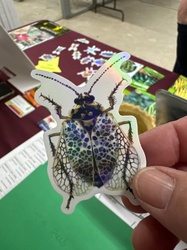
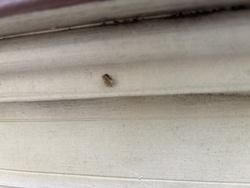
Spot a lace bug by the intricate, lace-like network of veins covering its wings and thorax.
Read the full Lace Bug encyclopedia entry →Key Visual Features
Lace bugs (family Tingidae) are tiny true bugs named for the delicate, lace-like sculpturing that covers their wings and the hood-like extension over the head, giving them an ornate, almost see-through appearance under magnification.
- Size: Typically 2-5 mm (about 1/12 to 1/5 inch) long
- Color: Pale tan, cream, or brown, often appearing translucent or whitish from a distance
- Body shape: Flat, rectangular to oval outline
- Wings: Forewings are broad and netted with raised, lace-like ridges forming a repeating cell pattern; they often extend past the tip of the abdomen
- Legs: Short and slender, tucked beneath the flat body
- Antennae: Thin, four-segmented antennae
- Markings: Many species show a raised, hood-like structure over the head and a similarly textured shield over the thorax, both covered in the same lacy pattern
Where and When You'd See It
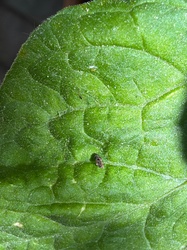
Lace bugs are found on the undersides of leaves on trees, shrubs, and some perennial plants, where they cluster in small groups. They are most commonly noticed in late spring through summer and into early fall. Leaves hosting lace bugs often show a stippled, bleached, or speckled look on the upper surface, while the insects themselves, along with small dark specks of waste, are visible on the underside. Look closely at leaf undersides in gardens, along woodland edges, and around ornamental plantings.
Similar-Looking Bugs
- Whiteflies: Also tiny and pale, but whiteflies have solid, powdery-white wings without the netted lace pattern and fly up readily when disturbed.
- Aphids: Soft-bodied and pear-shaped, lacking the flat, hardened, lace-textured wing covers.
- Plant hoppers (nymph stage): May appear whitish and waxy but lack the intricate raised lattice pattern on the wings.
- Mealybugs: Covered in a waxy, cottony coating rather than a hardened lace-like wing surface.
The defining trait of a lace bug is the raised, netted, almost embroidered texture across its wings and the shield-like cover over its head and thorax, visible with a hand lens.
Quick ID Checklist
- Tiny (2-5 mm), flat, pale insect
- Wings show a distinct raised, lace-like or netted pattern
- Hood-like structure often visible over the head
- Found in clusters on leaf undersides
- Leaves above infested areas look stippled or bleached
Frequently asked questions
How can I confirm a bug is a lace bug and not a whitefly?
Check the wing texture: lace bugs have a raised, netted, lace-like pattern across the wings, while whiteflies have smooth, solid white wings and take flight readily when disturbed.
Why do leaves near lace bugs look pale or stippled?
Lace bugs feed on the underside of leaves, and their activity often leaves a stippled, bleached appearance on the upper leaf surface where you can spot them.
What size should I expect a lace bug to be?
Lace bugs are quite small, usually only 2-5 mm long, so a hand lens or close-up photo helps reveal the lace-like wing detail.
Where on a plant should I look for lace bugs?
Check the undersides of leaves, especially in clusters, since lace bugs tend to gather and feed there rather than on the upper leaf surface.
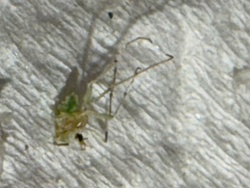
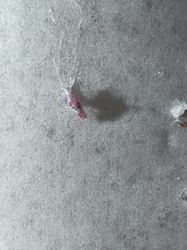
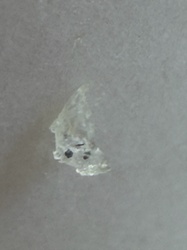
Lace Bug identified by the community
Recent Lace Bug finds identified with Bug Identifier.