
Lace Bug
Corythucha spp.
A tiny, flattened true bug with delicately sculpted, lace-like wings resembling fine netting, the lace bug feeds in colonies on the undersides of leaves, leaving a stippled, bleached pattern on foliage.
- Size
- 3–5 mm
- Habitat
- Undersides of leaves on shrubs and trees
- Danger
- Nuisance pest
Spotted a bug like this?
Identify any bug or insect from a photo, free.
Overview
The lace bug, family Tingidae within the order Hemiptera, is named for the intricate, lace-like texture of its forewings, which are covered in a fine network of raised, transparent cells resembling embroidered netting. This delicate wing structure makes lace bugs some of the most visually distinctive small true bugs.
Lace bugs are plant-feeding specialists, with many species closely tied to specific host plants such as sycamore, azalea, and oak. They tend to feed in colonies clustered on the undersides of leaves, where their feeding activity produces a characteristic stippled or bleached appearance on the upper leaf surface.
Although individually tiny, lace bugs are ecologically notable as specialized herbivores within their host plant communities, and their feeding damage is a familiar sight to anyone observing ornamental shrubs and shade trees.
How to Identify
- Very small, flattened body with forewings covered in an intricate, lace-like network of raised, translucent cells.
- Coloration is typically pale tan, cream, or grayish, often appearing almost transparent or frosted from a distance.
- Head and thorax may have expanded, hood-like or reticulated extensions in some species, adding to the lacy appearance.
- Found in clusters on the undersides of leaves, often accompanied by small dark specks of excrement.
- Lookalikes include other tiny true bugs, but the finely netted, lace-textured wing surface is unique to Tingidae and not shared by other common leaf-dwelling insects.
Habitat & Range
Lace bugs are found on the undersides of leaves of specific host trees and shrubs, including sycamore, oak, azalea, hawthorn, and many other ornamental and native plants, across temperate regions worldwide. They are most active and visible during the growing season from spring through fall, with populations often building up over the summer months on favored host plants.
Behavior & Diet
Lace bugs feed by inserting piercing-sucking mouthparts into leaf tissue from the underside, withdrawing cell contents and causing a stippled, pale discoloration visible on the upper leaf surface. They tend to remain in loose colonies on the same leaves for extended periods, moving relatively little. Because feeding is host-specific for many species, lace bug populations are often closely tied to the particular type of tree or shrub they inhabit, and heavy infestations can give host foliage a bleached or speckled look. Some lace bug species are regarded as pests of ornamental and landscape plants due to this leaf discoloration.
Life Cycle
Lace bugs undergo incomplete metamorphosis (egg, nymph, adult). Eggs are laid on the underside of leaves, often inserted into leaf tissue or leaf veins and sometimes covered with a dark, varnish-like secretion. Nymphs are spiny in appearance and wingless, feeding in the same leaf colonies as adults and molting through several instars before developing the characteristic lace-patterned wings of the adult stage. Multiple generations typically occur per growing season, with overwintering as eggs or adults depending on species and climate.
Frequently asked questions
Why does the lace bug's wing look like lace?
Its forewings are covered with a fine network of raised, transparent cells that create an intricate, netted texture resembling lace fabric.
Why do the leaves on my shrub look pale and speckled?
Lace bugs feed by piercing leaf cells from the underside, which produces a stippled, bleached discoloration visible on the leaf's upper surface.
Are lace bugs specific to certain plants?
Many lace bug species are closely associated with particular host plants, such as sycamore, azalea, or oak, feeding mainly on that one type of plant.
Where on the plant do lace bugs live?
They typically colonize the undersides of leaves, where they feed and leave behind small dark specks of excrement alongside their colonies.
Lace Bug guides
In-depth guides for identifying, understanding, and living alongside Lace Bug.
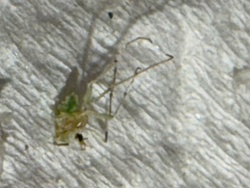
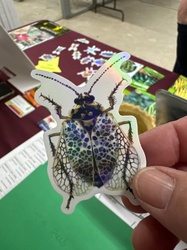
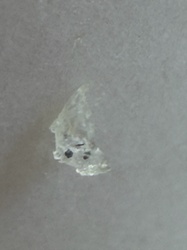
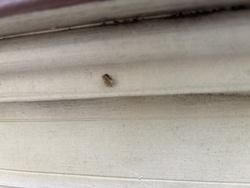
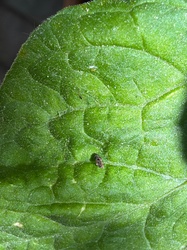
Lace Bug identified by the community
Real finds identified with Bug Identifier.


Other bugs you may enjoy
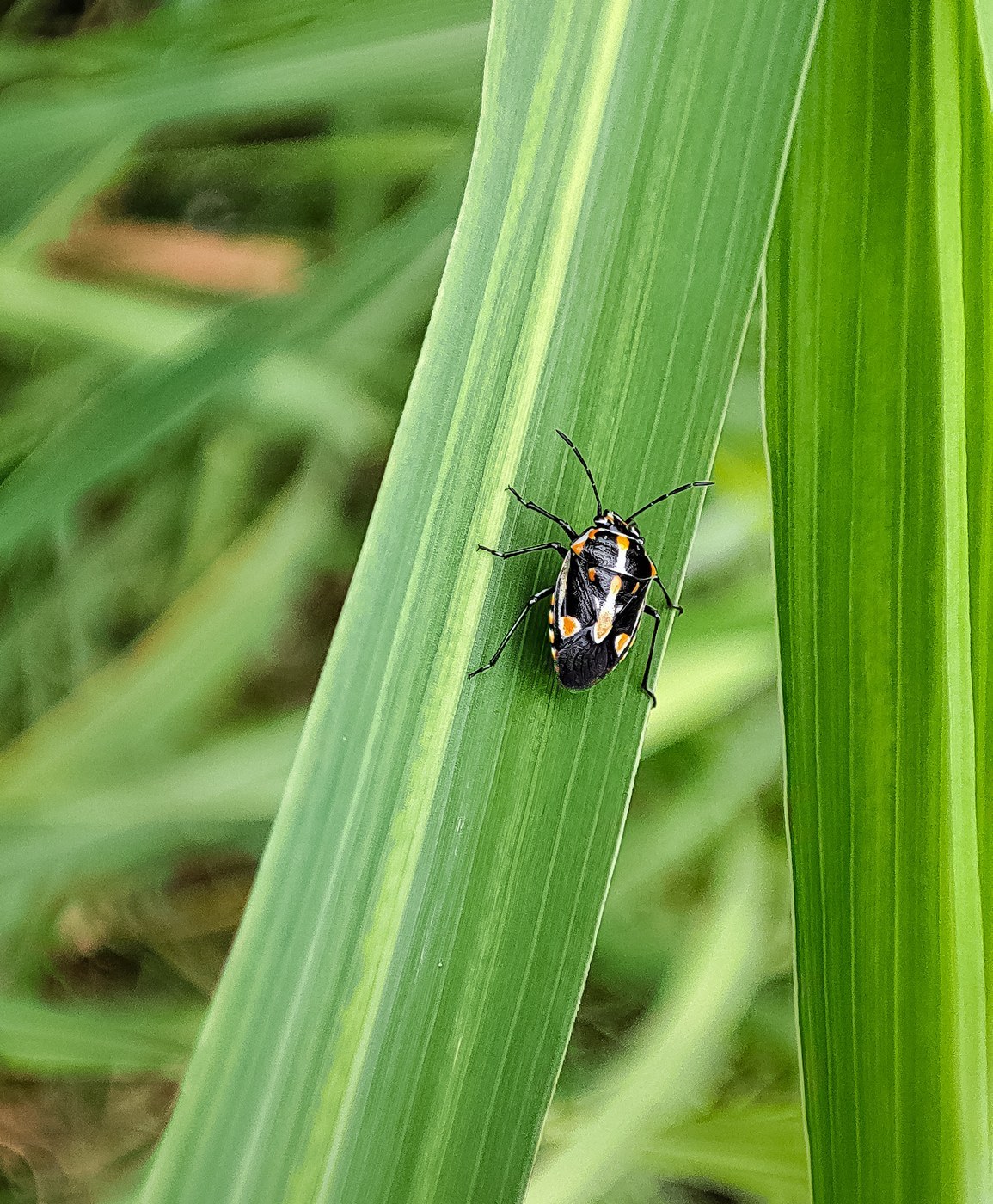
Bagrada Bug
Arid gardens, crucifer fields, desert-adjacent croplands
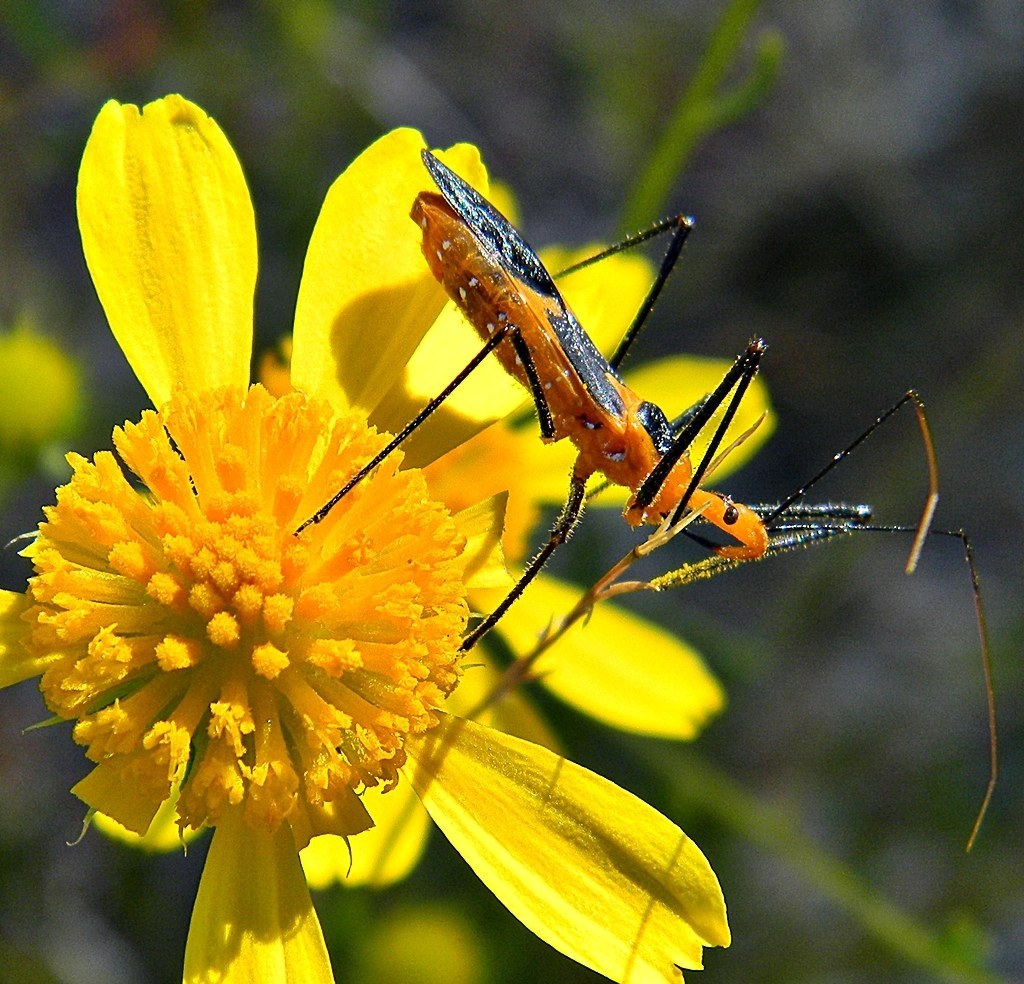
Assassin Bug
Gardens, meadows, and vegetation worldwide
Water Boatman Bug
Ponds, lakes, and slow-moving freshwater
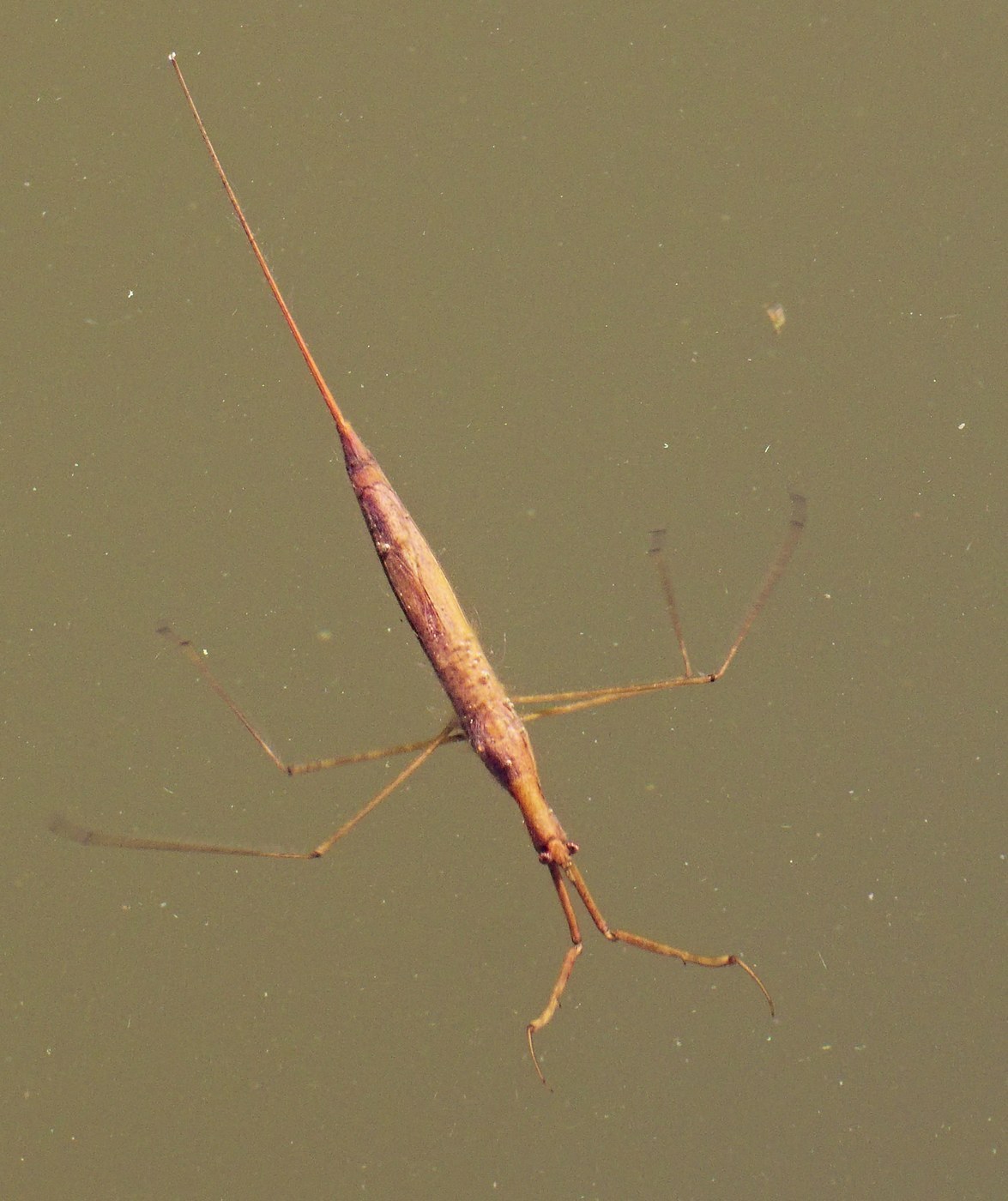
Water Stick Insect
Still and slow-moving water with dense submerged vegetation
Rough Stink Bug
Tree bark, woodlands, orchards, and shrubby vegetation
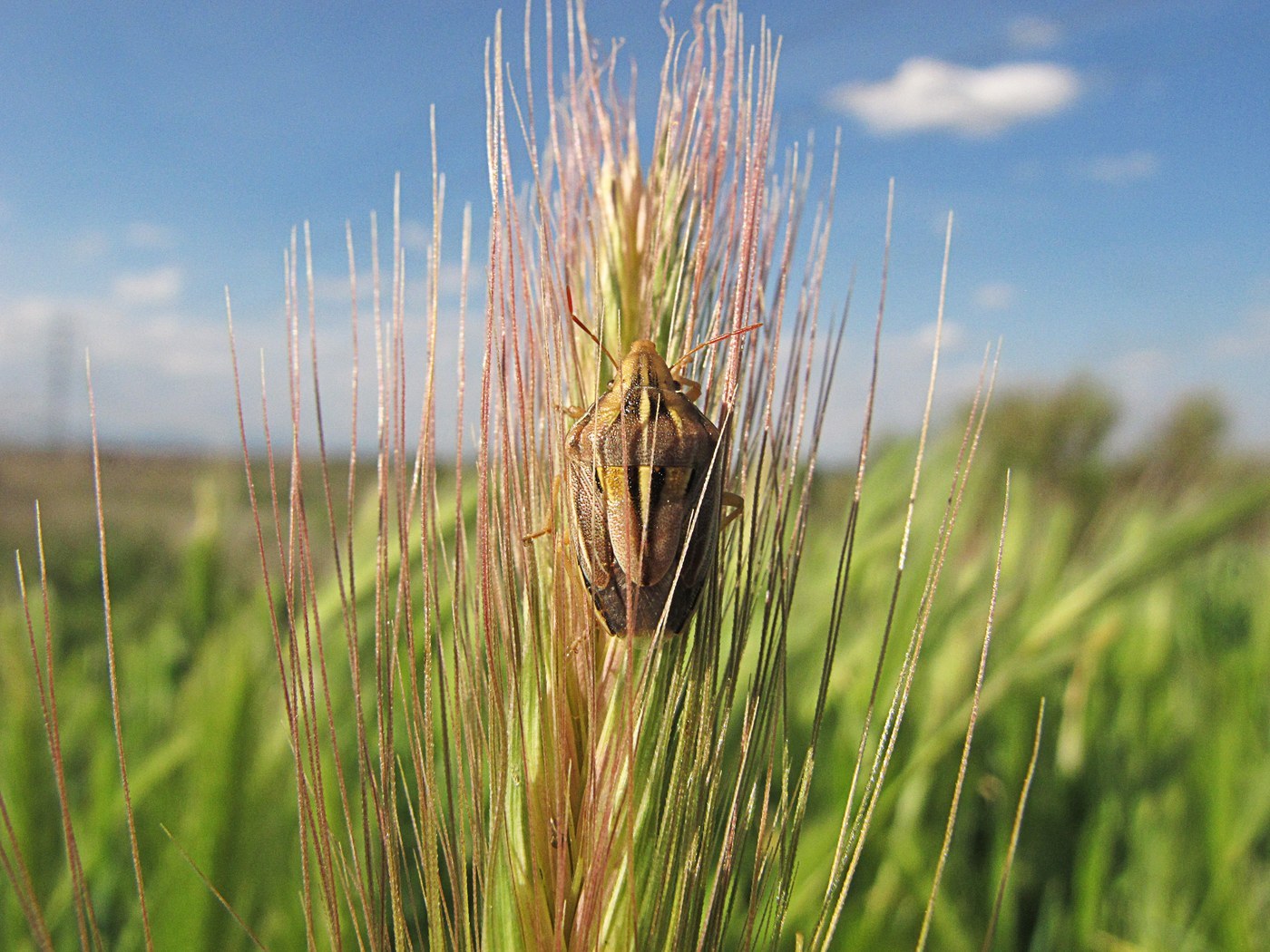
Stink Bug
Gardens, crop fields, and woodlands across temperate and subtropical regions
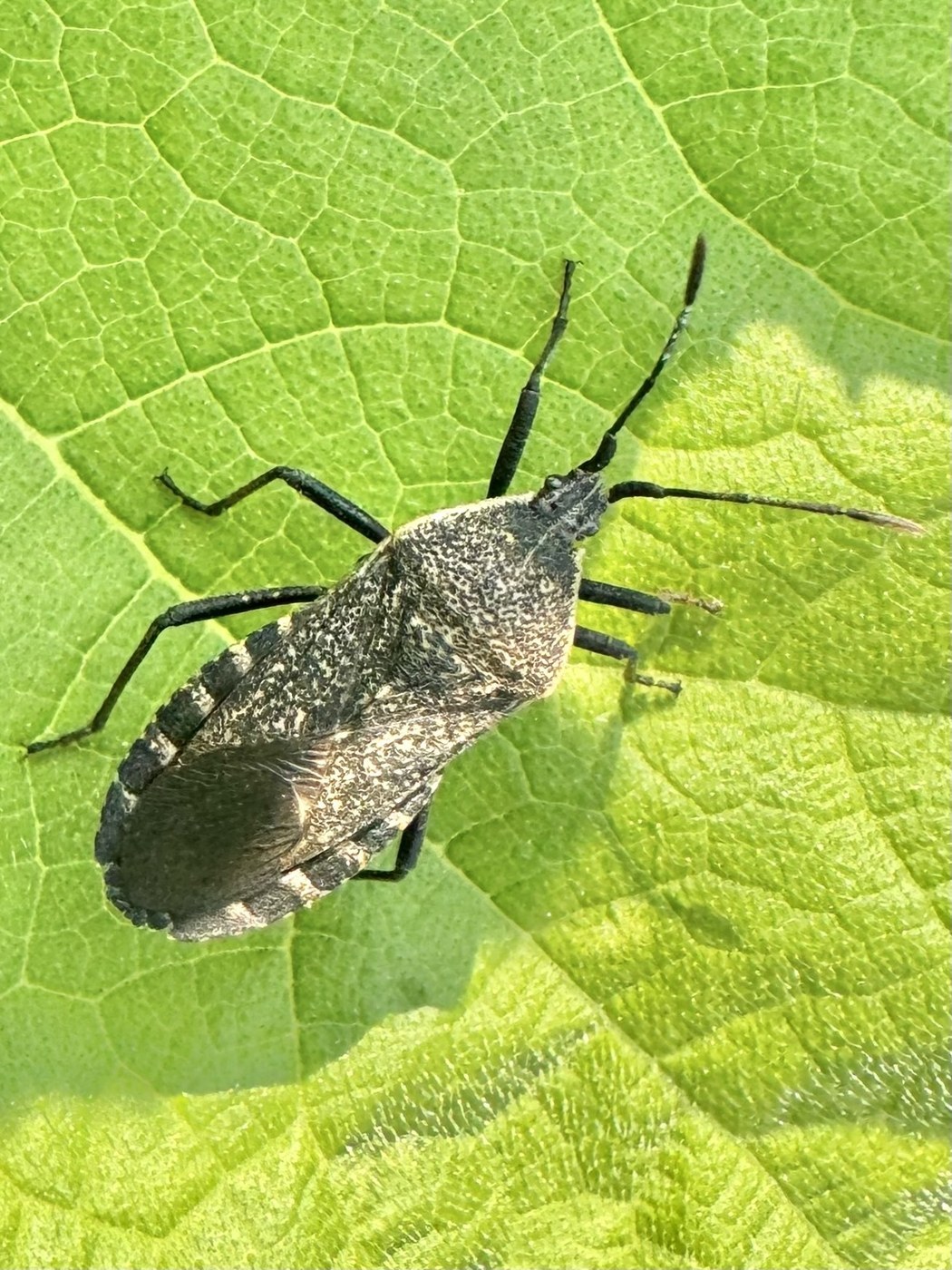
Squash Bug
Vegetable gardens and farm fields growing squash, pumpkin, and other cucurbits
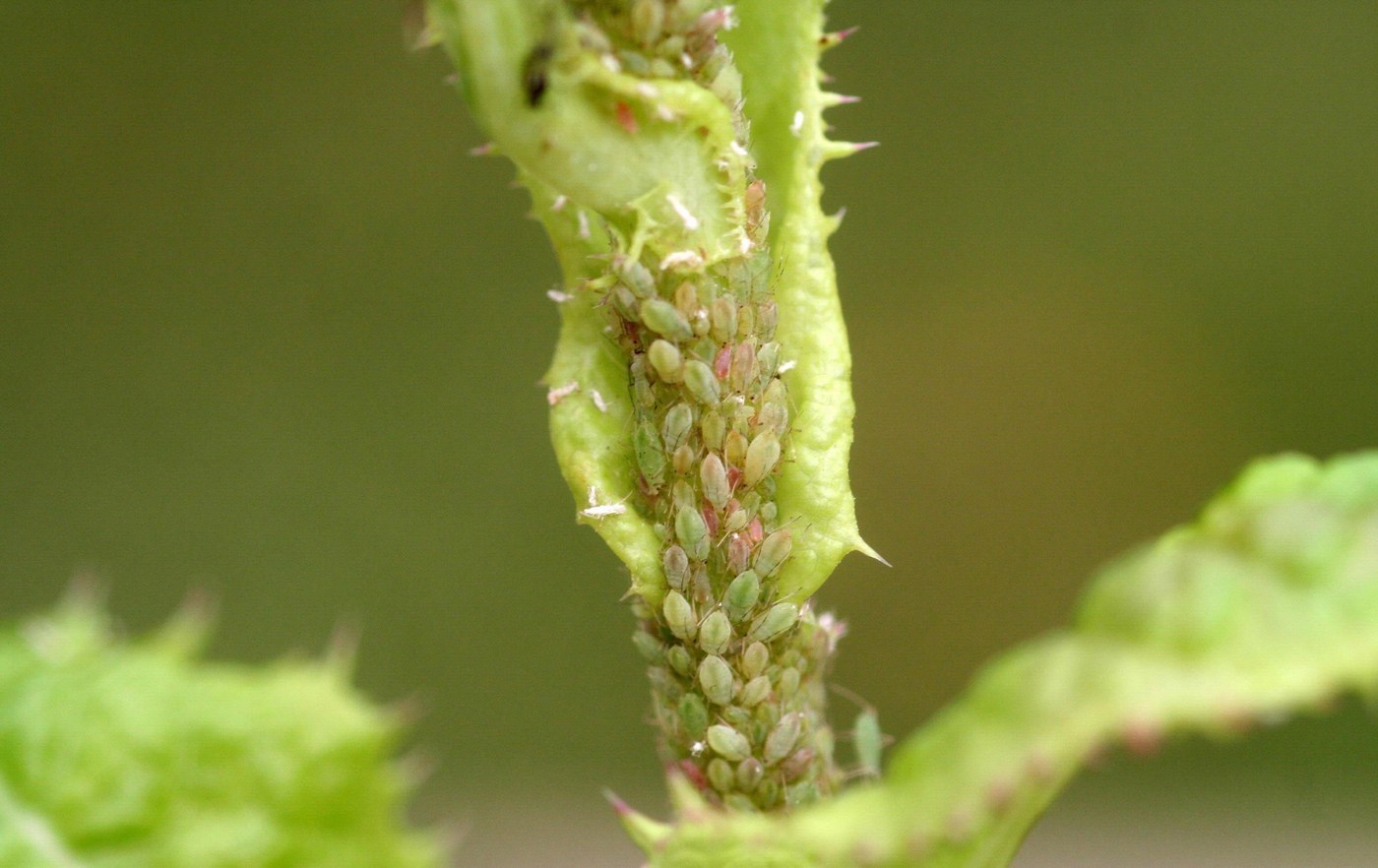
Aphid
On stems, leaves, and buds of a very wide range of host plants
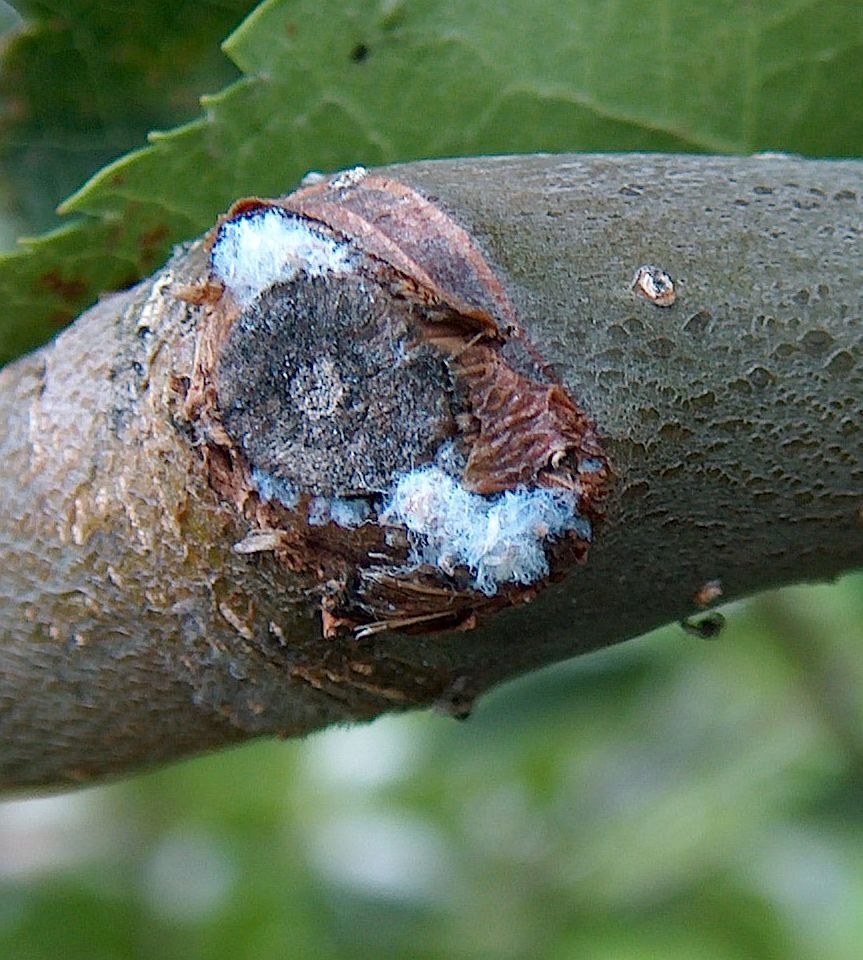
Woolly Aphid
Bark crevices, root collars, and twigs of apple, elm, and alder trees
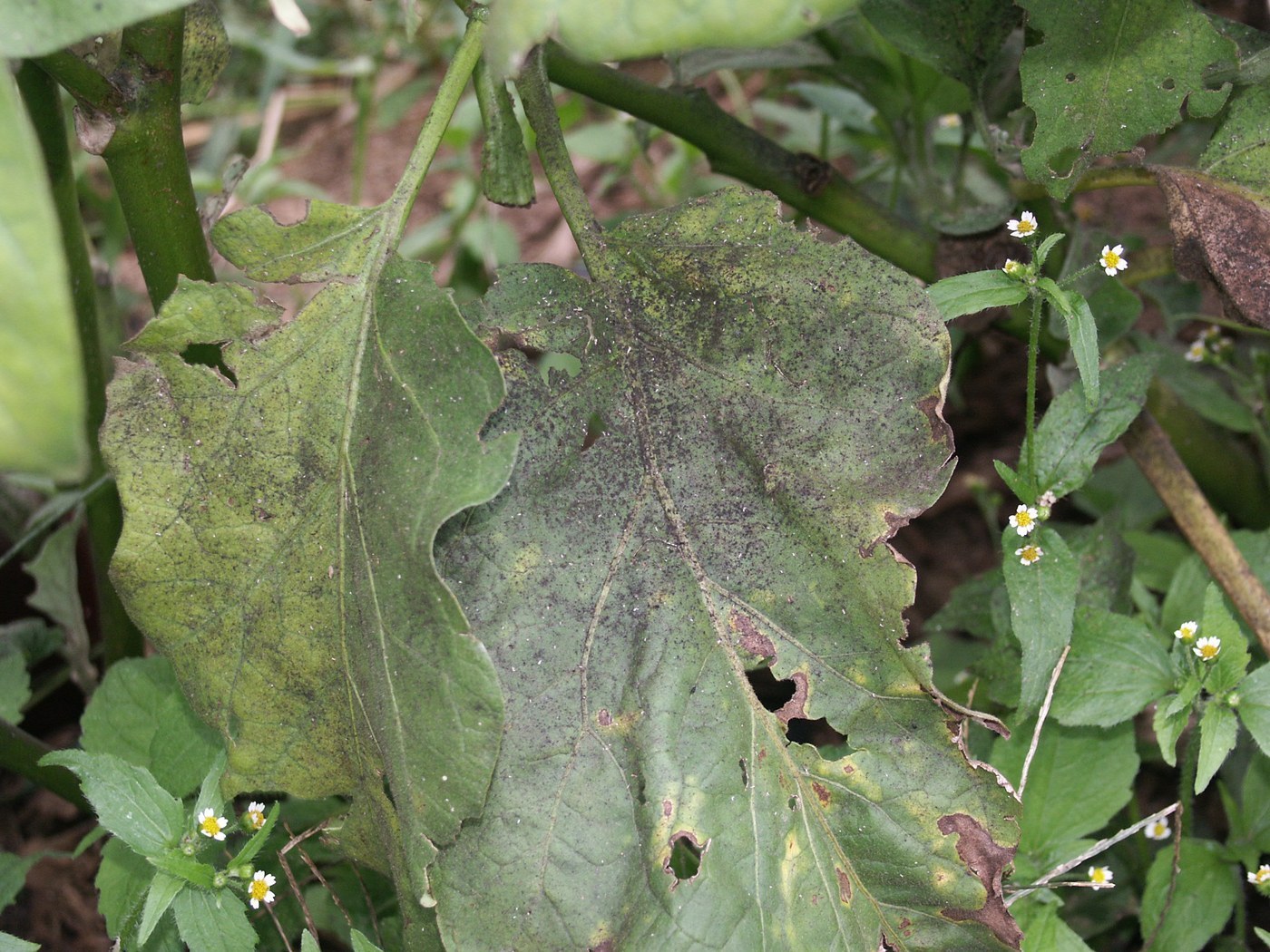
Whitefly
Greenhouses, gardens, and undersides of leaves on host plants
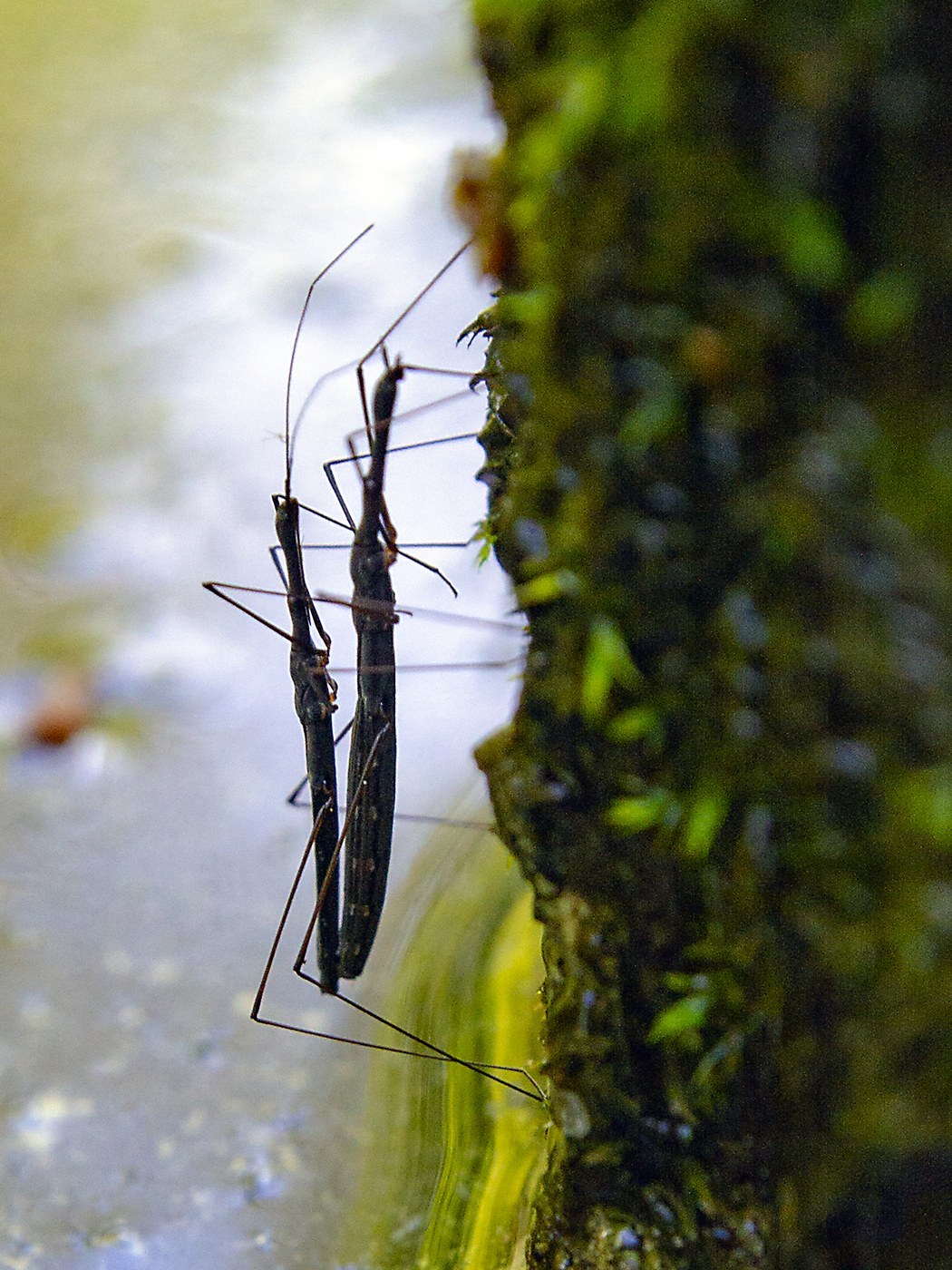
Water Measurer
Quiet edges of ponds, marshes, and slow streams
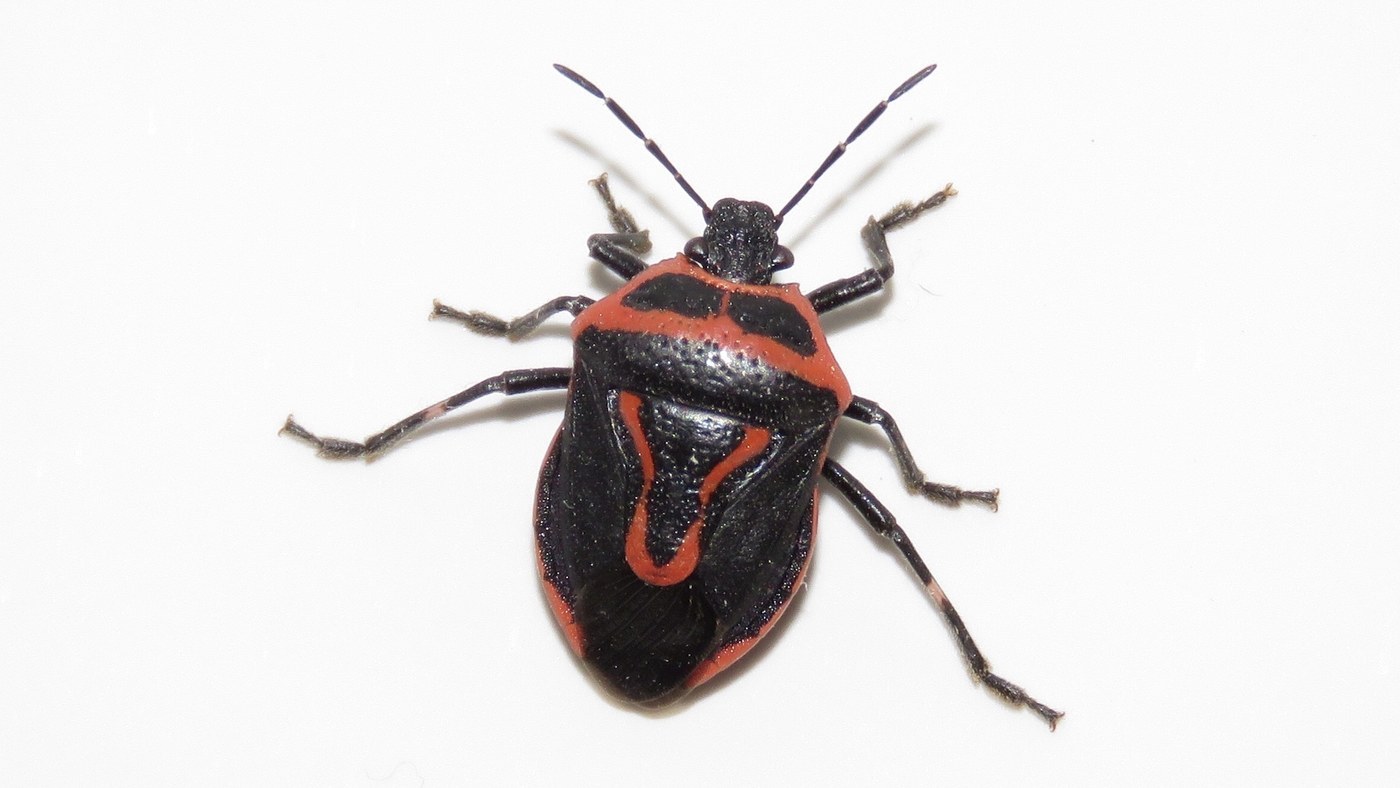
Two-Spotted Stink Bug
Gardens and fields with potato and nightshade-family plants