Plant Bug (Tarnished Plant Bug) Identification Guide
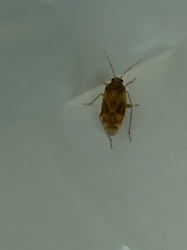
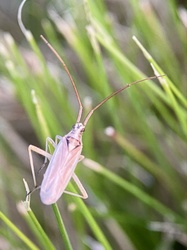
Identify the tarnished plant bug by its mottled brown-and-yellow coppery pattern and small yellow triangle marking.
Read the full Plant Bug (Tarnished Plant Bug) encyclopedia entry →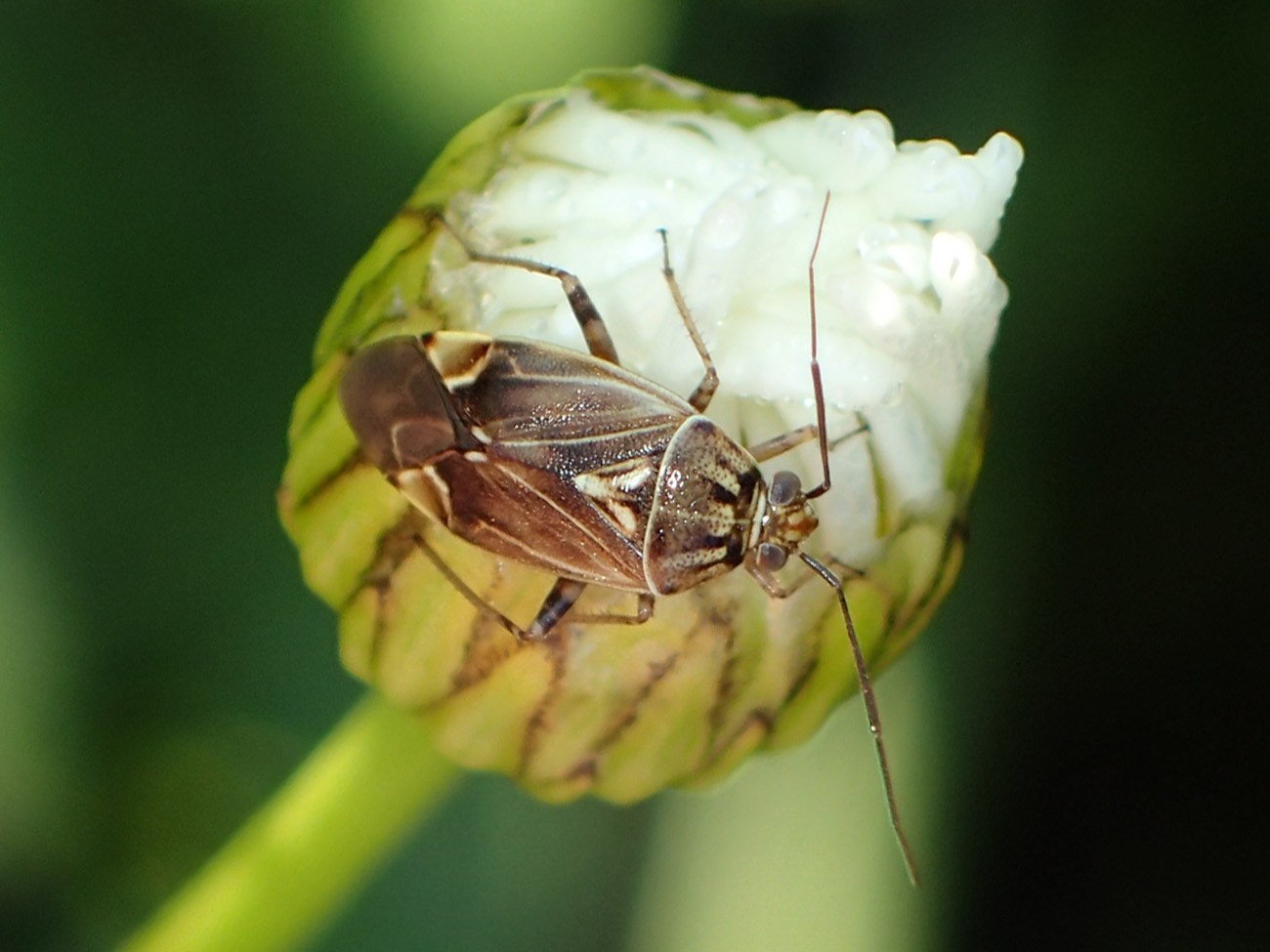
Key Visual Features
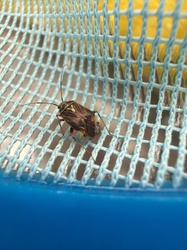
The tarnished plant bug (Lygus lineolaris) is a small, oval true bug with a mottled, weathered or "tarnished" appearance that gives it its common name.
- Size: About 5-6 mm (roughly 1/4 inch) long
- Color: A mottled mix of brown, bronze, yellow, and reddish tones, giving a coppery, tarnished look
- Body shape: Oval and somewhat flattened, tapering slightly at both ends
- Wings: Forewings are part leathery, part clear membrane; a small, distinctive pale yellow triangle marking sits near the center of the back where the wings meet
- Legs: Slender and moderately long, colored similarly to the body
- Antennae: Four-segmented, about as long as the body, often held forward
- Markings: Fine mottling across the back plus the yellow triangular spot are the most useful visual cues
Where and When You'd See It
Tarnished plant bugs are common in gardens, fields, orchards, and along weedy roadsides from spring through fall. They feed and rest on a wide range of plants, including flower buds, shoots, and fruiting structures, and are especially active on sunny days. Nymphs are pale green and wingless, becoming more bug-like with each molt, while adults are strong fliers that scatter quickly when disturbed.
Similar-Looking Bugs
- Other plant bugs (Miridae): Many related species look similar; the small pale triangular mark near the wing junction helps distinguish tarnished plant bugs from close relatives.
- Stink bugs (nymphs): Rounder and more shield-shaped, without the elongated oval plant bug silhouette.
- Big-eyed bugs: Smaller with much more prominent bulging eyes and a broader, flatter body.
- Aphids: Soft-bodied, slow-moving, and lacking hardened wing covers or the mottled coloring.
Because Miridae is a large family, the coppery mottled pattern combined with the pale triangular spot is the most reliable field mark for this particular species.
Quick ID Checklist
- Small (about 5-6 mm), oval, flattened body
- Mottled brown, bronze, and yellow "tarnished" coloring
- Small pale yellow triangle mark on the back
- Found on flower buds, shoots, and foliage in gardens and fields
- Quick, active flier when disturbed
Frequently asked questions
What is the best field mark for identifying a tarnished plant bug?
Look for a small, pale yellow triangular mark on the back where the wings meet, combined with an overall mottled, coppery brown coloring.
How big is a tarnished plant bug?
Adults are small, around 5-6 mm long, with an oval, somewhat flattened body shape.
What do tarnished plant bug nymphs look like?
Nymphs are pale green and wingless, gradually developing wing pads and adult coloring as they mature through several molts.
Where are tarnished plant bugs usually found?
They are common on flower buds, new growth, and foliage in gardens, fields, and orchards, particularly during warm, sunny conditions.
Plant Bug (Tarnished Plant Bug) identified by the community
Recent Plant Bug (Tarnished Plant Bug) finds identified with Bug Identifier.