
Plant Bug (Tarnished Plant Bug)
Lygus lineolaris
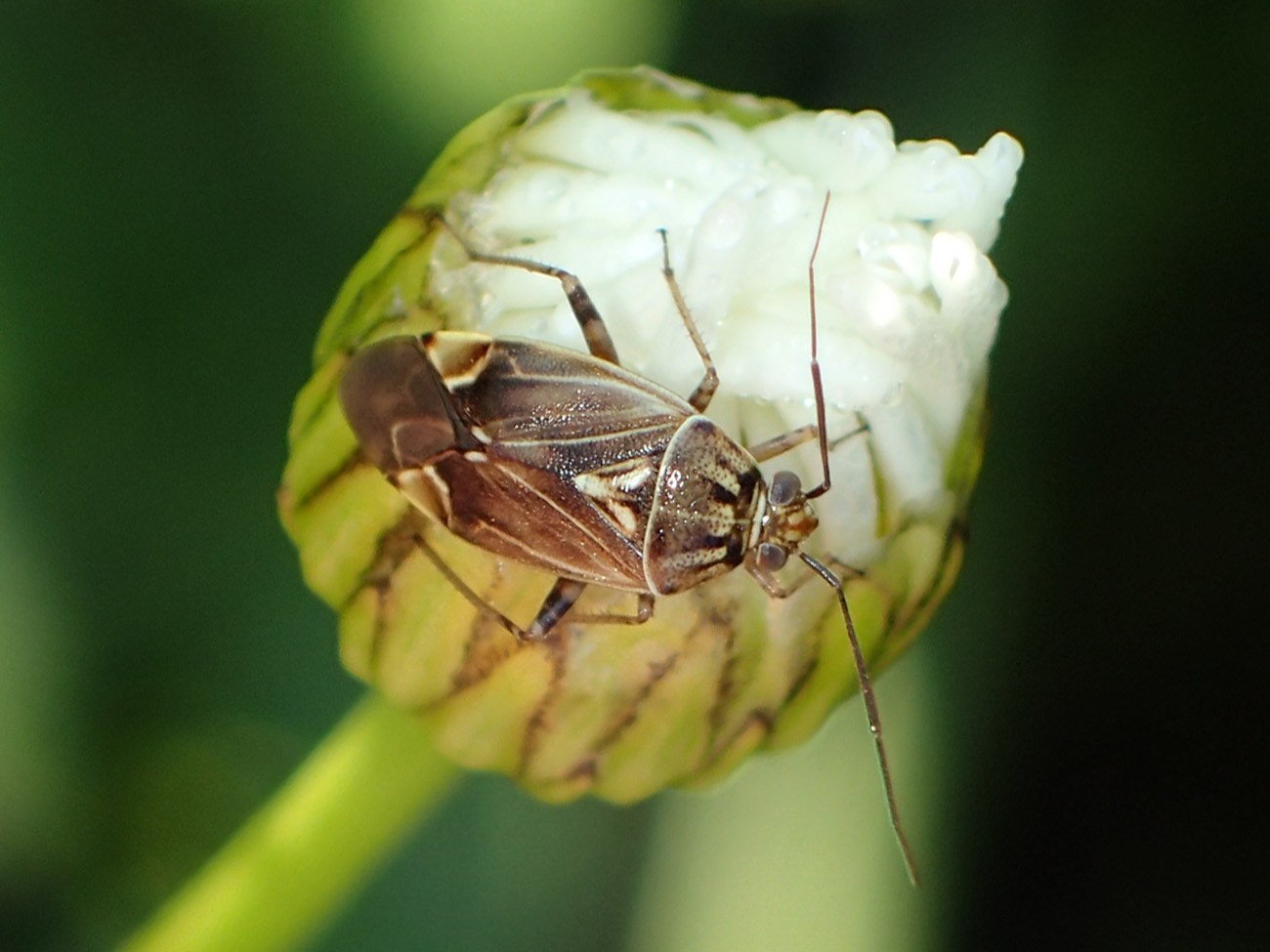
A small, oval, mottled brownish true bug with a distinctive yellow triangular marking behind the head, the tarnished plant bug is a fast-moving plant feeder common across gardens, fields, and weedy edges.
- Size
- 4–6 mm
- Habitat
- Weedy fields, gardens, and crop margins
- Danger
- Nuisance pest
Spotted a bug like this?
Identify any bug or insect from a photo, free.
Overview
The tarnished plant bug, Lygus lineolaris, is a member of the family Miridae, the largest family of true bugs (Hemiptera), commonly referred to simply as plant bugs. Mirids are characterized by their soft bodies, moderate size, and often mottled coloring that provides camouflage against plant surfaces.
The tarnished plant bug in particular is one of the most widespread and recognizable mirids in North America, named for its mottled, somewhat weathered or "tarnished" appearance. It is a highly mobile insect, moving readily between host plants across a wide range of habitats.
Ecologically, plant bugs like this species are broad generalist herbivores, feeding on the developing tissues of a very wide variety of plants, and they represent one of the most commonly encountered true bug groups in gardens and open fields.
How to Identify
- Small, oval, somewhat flattened body with mottled brown, bronze, and yellowish coloring resembling a weathered or "tarnished" surface.
- A distinctive pale yellow, triangular marking is often visible on the scutellum (the small triangular plate behind the head).
- Antennae are moderately long and thread-like; legs are slender and adapted for quick movement.
- Wings are held flat over the back, with a membranous tip visible at the rear.
- Lookalikes include other mirid plant bugs, but the tarnished plant bug's mottled bronze-brown pattern with the pale triangular scutellar mark is a helpful identifying combination.
Habitat & Range
Tarnished plant bugs are found in weedy fields, gardens, orchards, and crop margins throughout North America, wherever a wide variety of flowering and fruiting plants are available. They are active from spring through fall, often moving between wild host plants and cultivated crops or garden plants as different plants come into bloom or fruit throughout the season.
Behavior & Diet
Tarnished plant bugs feed by piercing developing plant tissues, such as buds, shoots, and young fruit, with their beak and withdrawing plant fluids, which can cause localized distortion or discoloration at feeding sites. They are quick, agile insects, capable of both rapid walking and flight, allowing them to disperse readily among host plants. Because they feed on such a wide range of plant species, tarnished plant bugs are considered generalist herbivores and are recognized as a common pest of many garden and agricultural plants.
Life Cycle
Tarnished plant bugs undergo incomplete metamorphosis (egg, nymph, adult). Females insert eggs into plant stems or leaf tissue using a slender ovipositor. Nymphs are pale green and wingless in early stages, resembling small aphids before developing more adult-like coloring and wing pads through successive molts. Multiple generations occur per year in most regions, with adults overwintering in sheltered plant debris, leaf litter, or under bark, becoming active again in spring as new plant growth emerges.
Frequently asked questions
Why is it called the tarnished plant bug?
Its mottled brown and bronze coloring gives it a weathered, "tarnished" appearance compared to more uniformly colored insects.
What does a plant bug feed on?
It feeds on developing plant tissues such as buds, shoots, and young fruit across a very wide range of host plants.
How can I recognize a tarnished plant bug?
Look for a small, oval, mottled brown insect with a pale yellow triangular mark on the plate just behind the head.
Is the tarnished plant bug the same as a stink bug?
No, though both are true bugs, plant bugs (Miridae) are generally smaller and more elongated-oval than the broader, shield-shaped stink bugs (Pentatomidae).
Plant Bug (Tarnished Plant Bug) guides
In-depth guides for identifying, understanding, and living alongside Plant Bug (Tarnished Plant Bug).
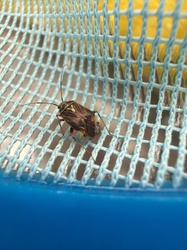
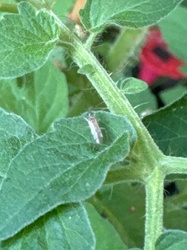
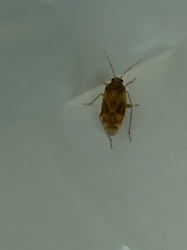
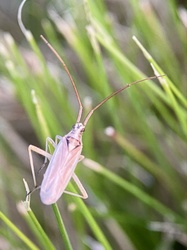
Plant Bug (Tarnished Plant Bug) identified by the community
Real finds identified with Bug Identifier.
Other bugs you may enjoy
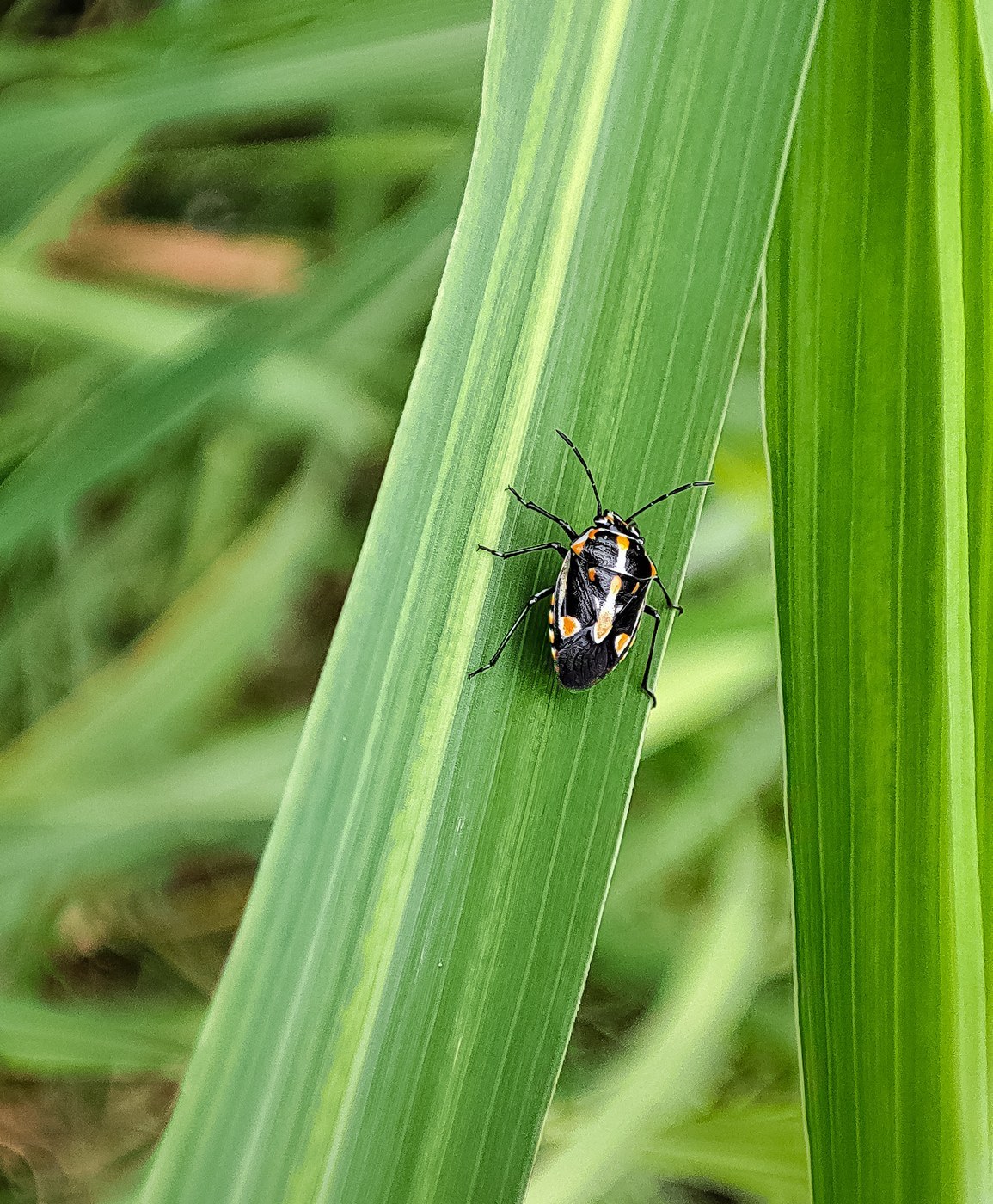
Bagrada Bug
Arid gardens, crucifer fields, desert-adjacent croplands
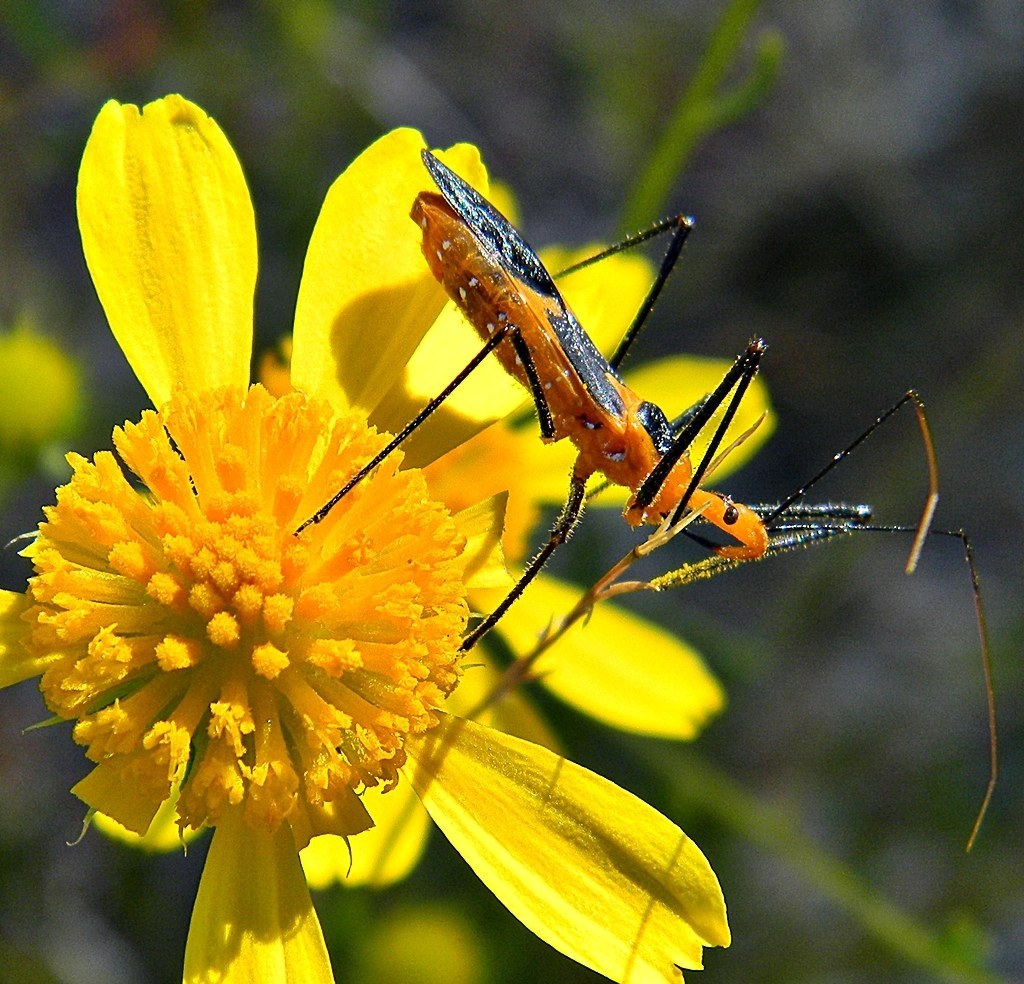
Assassin Bug
Gardens, meadows, and vegetation worldwide
Water Boatman Bug
Ponds, lakes, and slow-moving freshwater
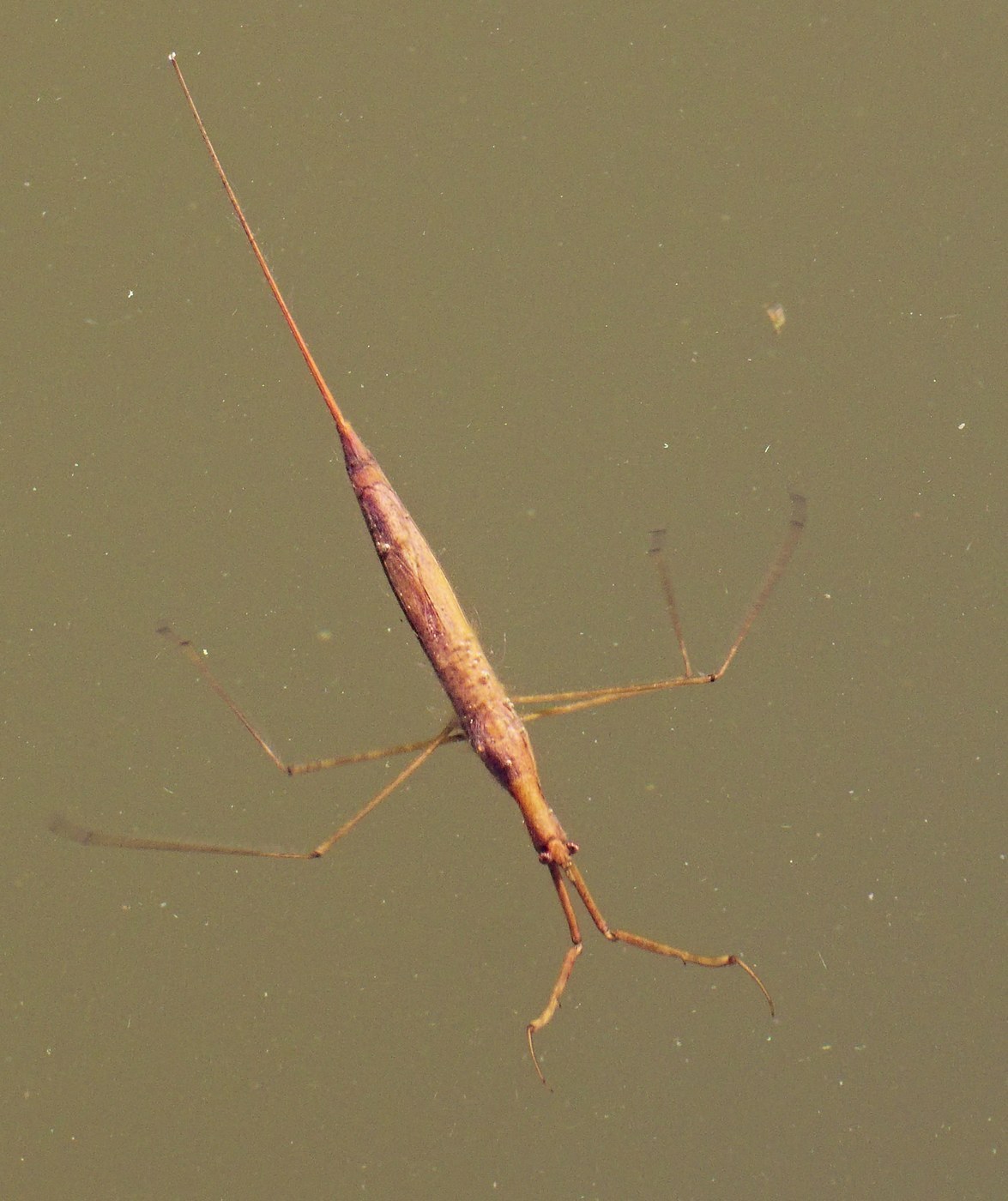
Water Stick Insect
Still and slow-moving water with dense submerged vegetation
Rough Stink Bug
Tree bark, woodlands, orchards, and shrubby vegetation
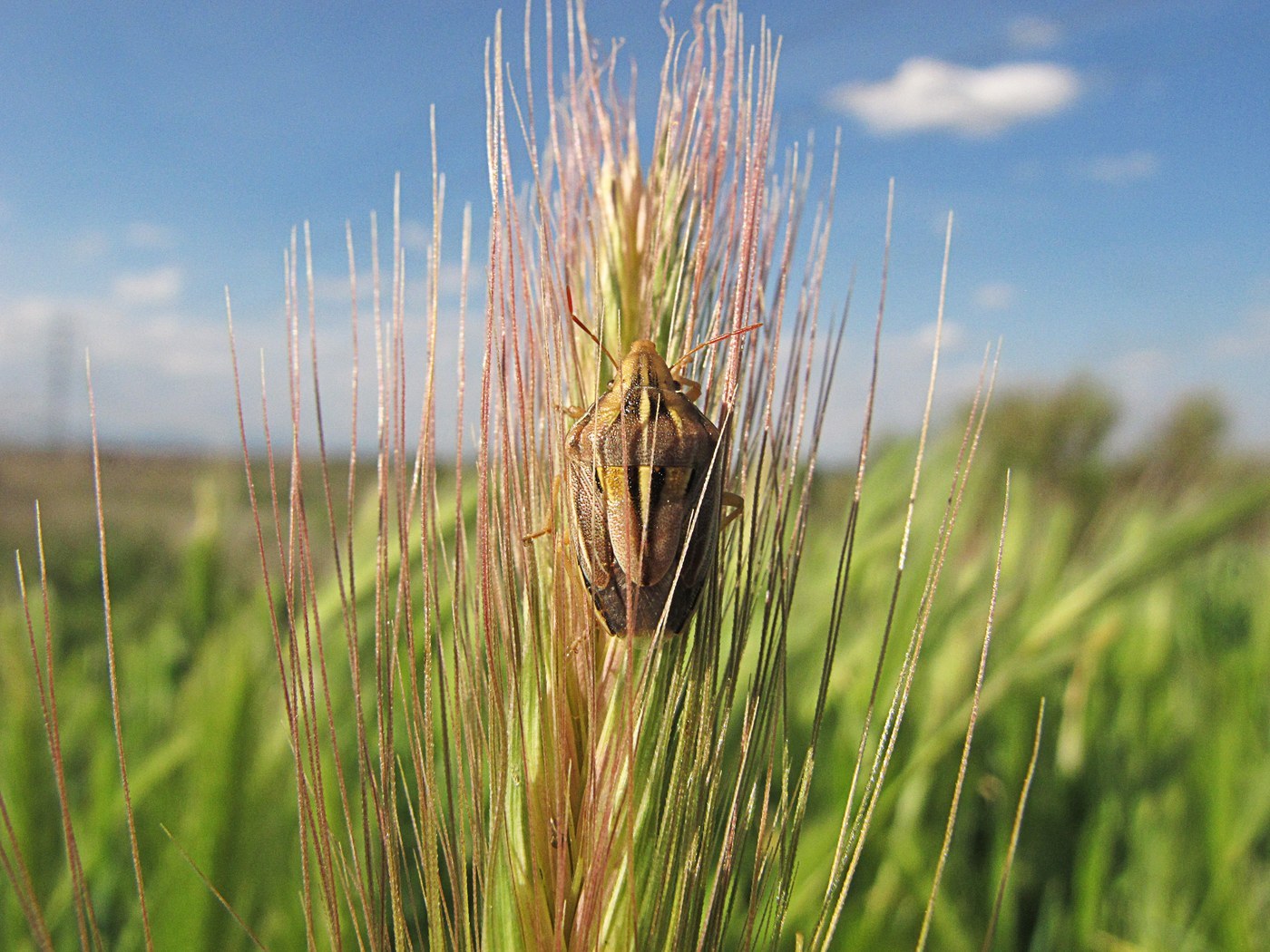
Stink Bug
Gardens, crop fields, and woodlands across temperate and subtropical regions
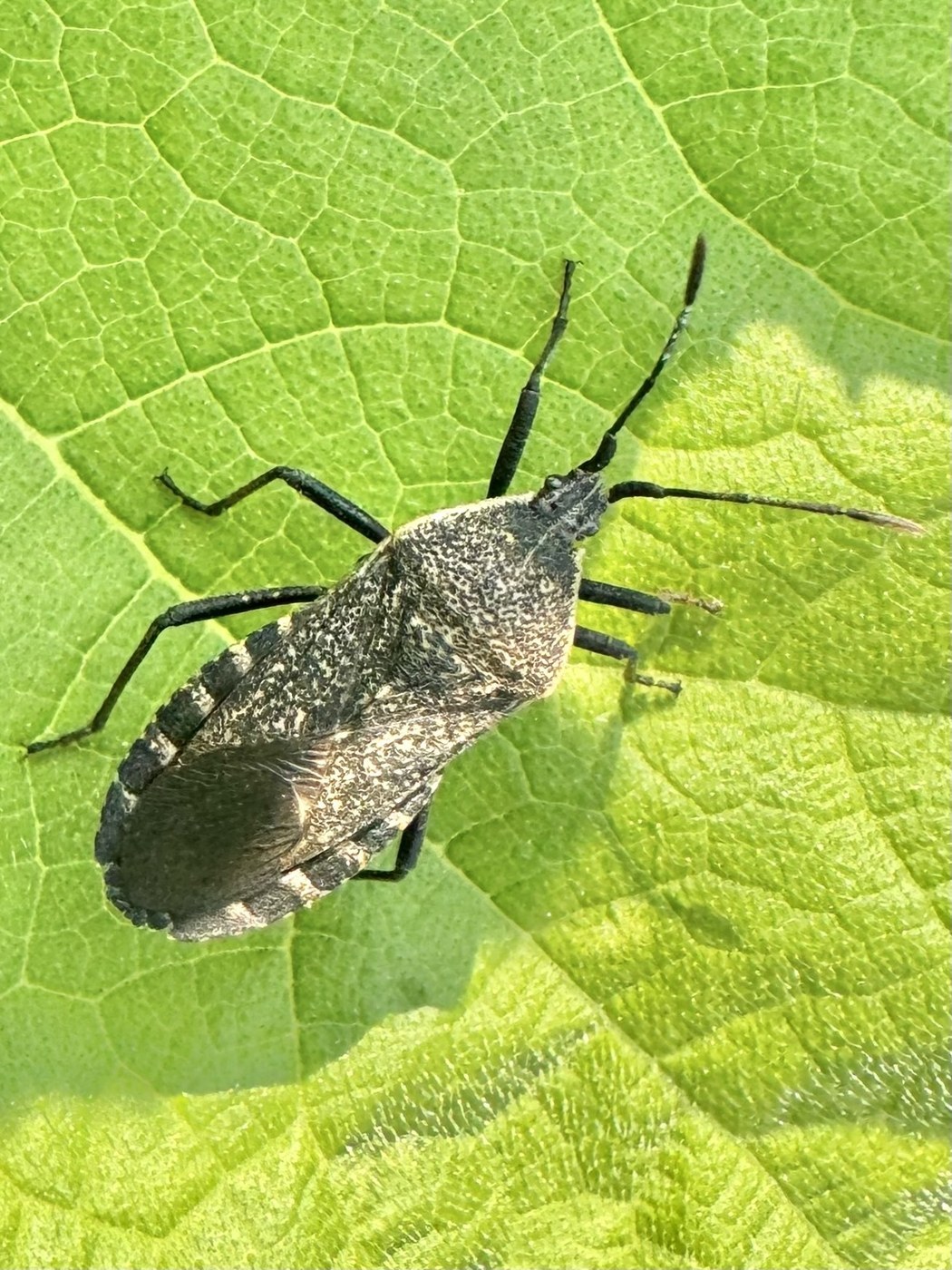
Squash Bug
Vegetable gardens and farm fields growing squash, pumpkin, and other cucurbits
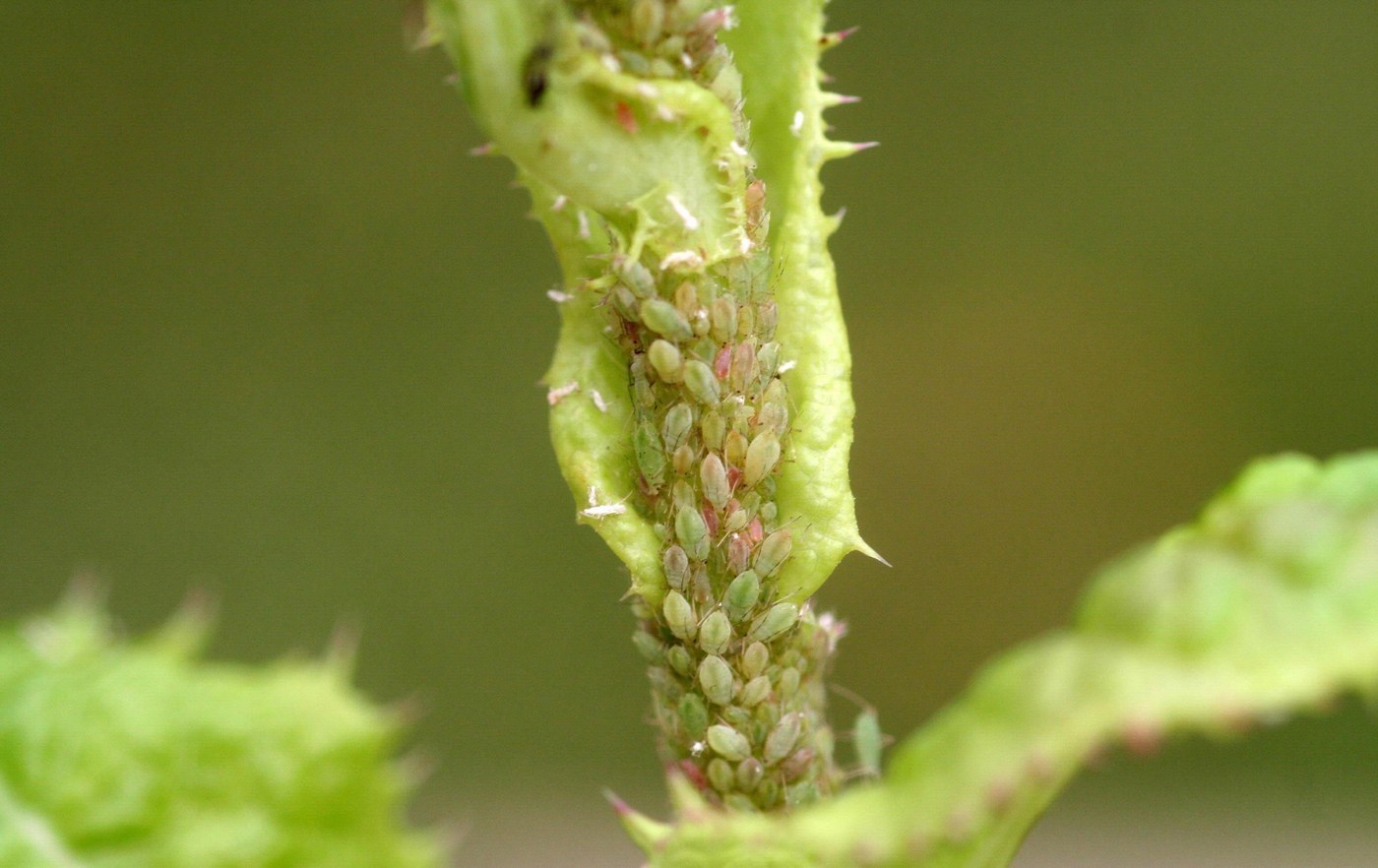
Aphid
On stems, leaves, and buds of a very wide range of host plants
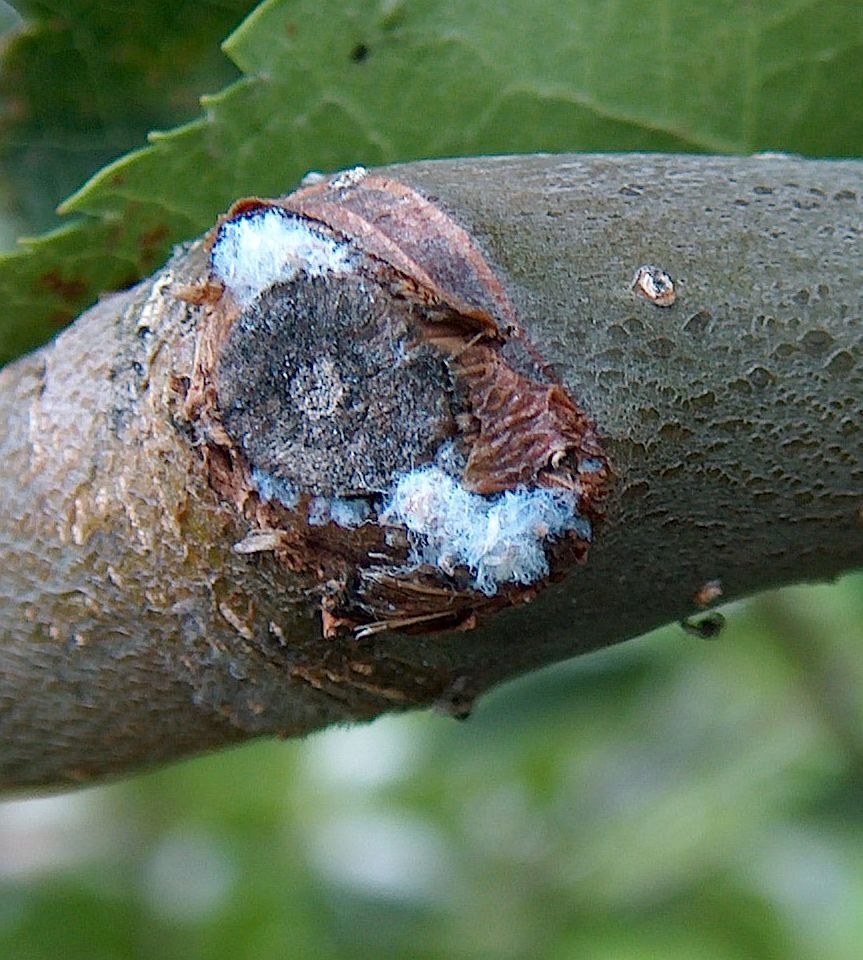
Woolly Aphid
Bark crevices, root collars, and twigs of apple, elm, and alder trees
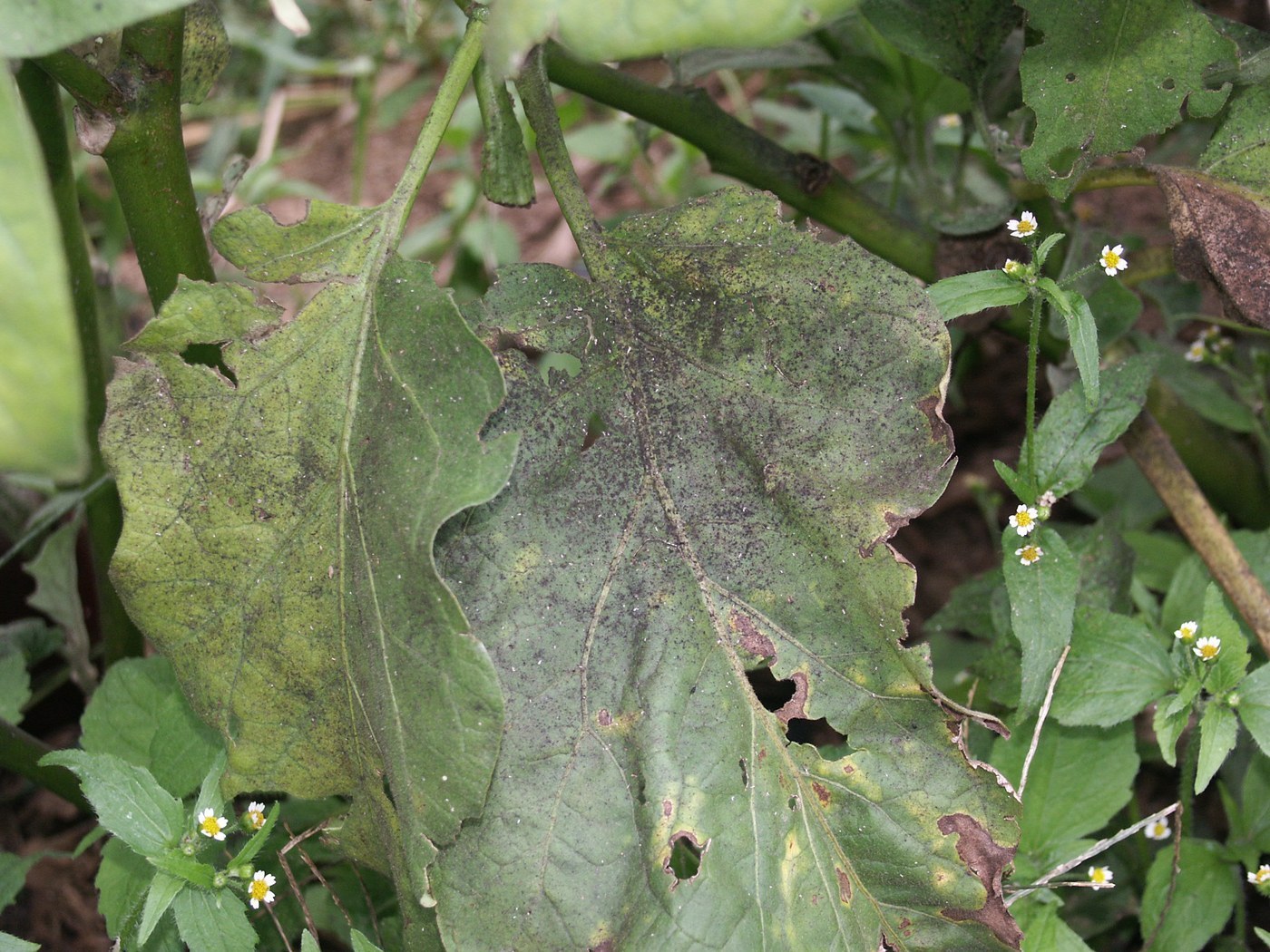
Whitefly
Greenhouses, gardens, and undersides of leaves on host plants
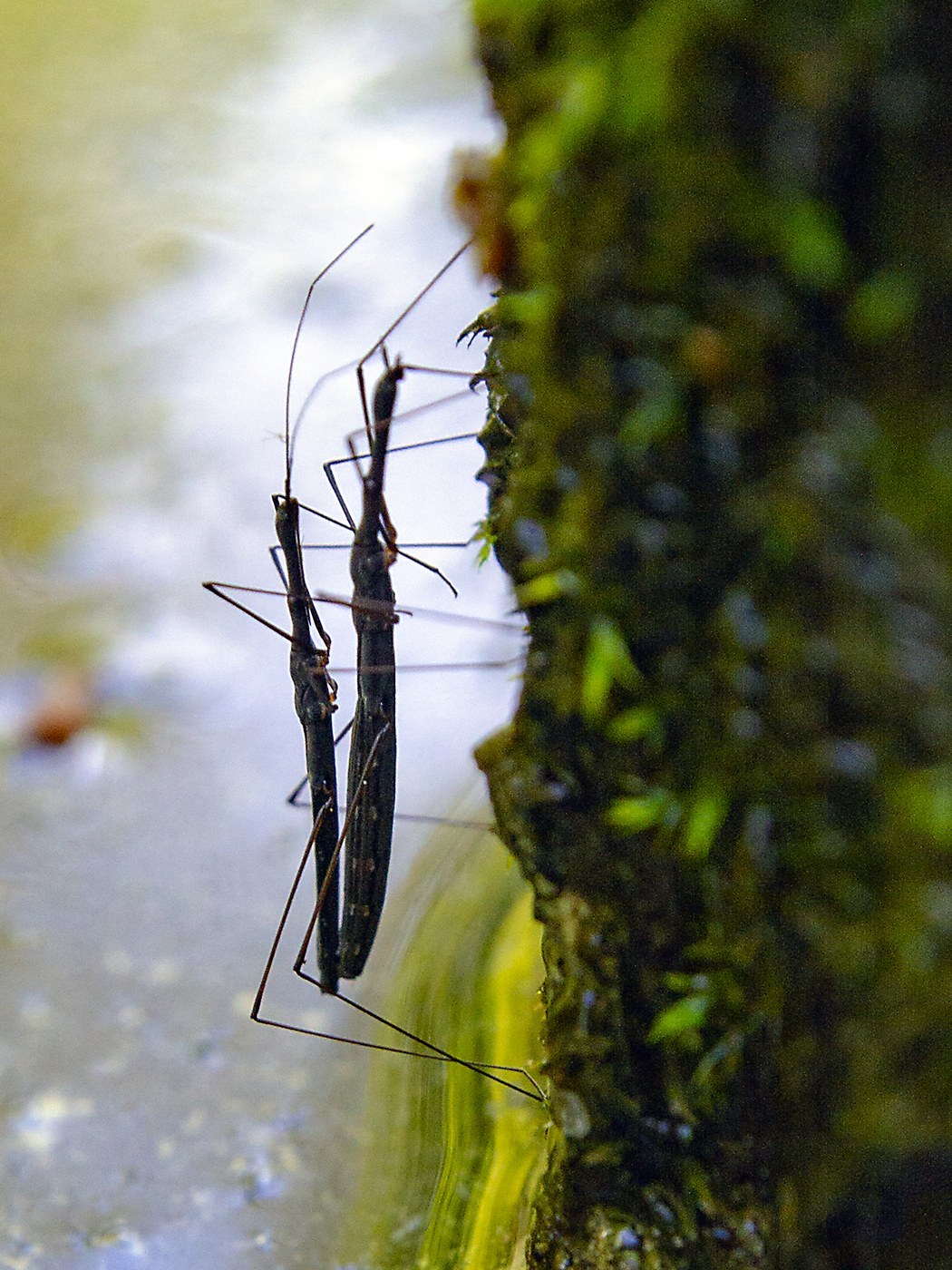
Water Measurer
Quiet edges of ponds, marshes, and slow streams
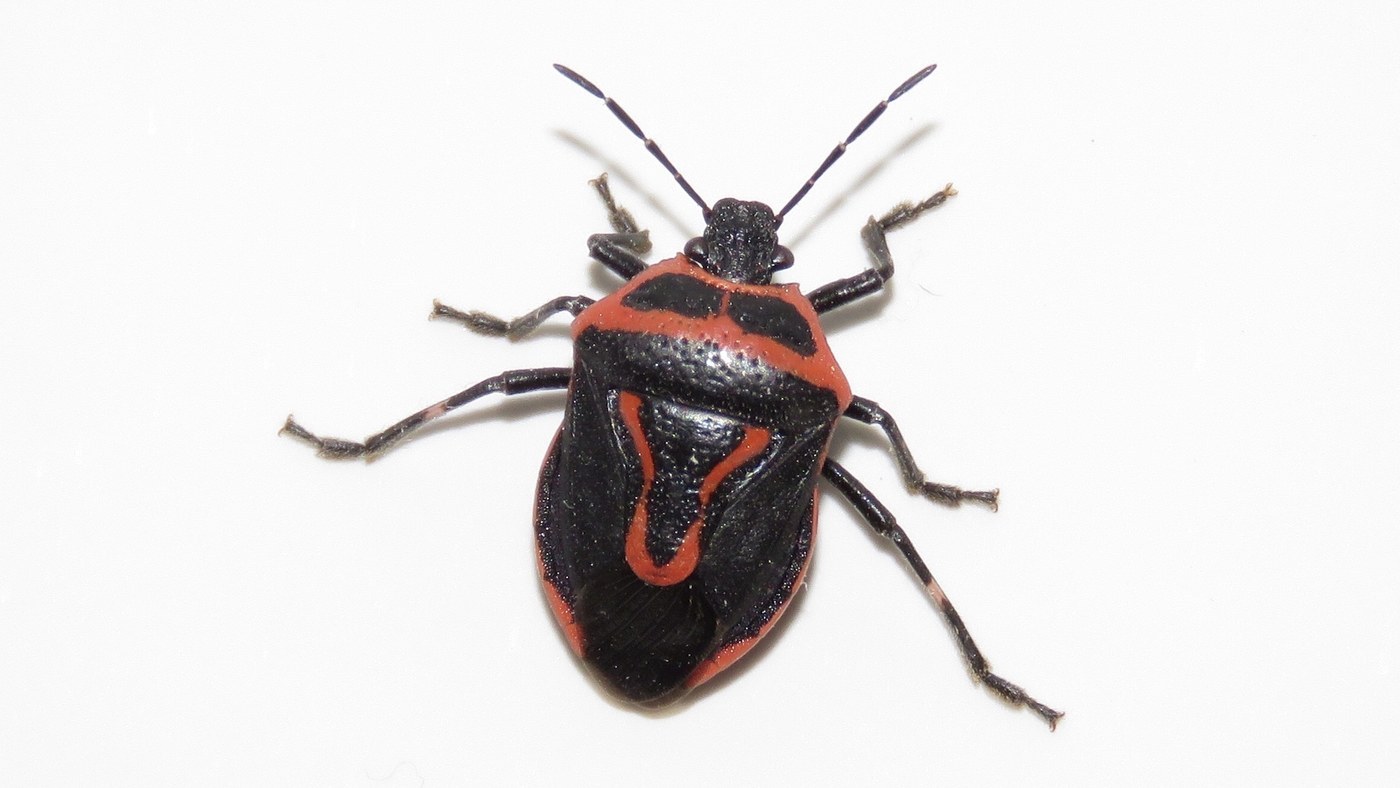
Two-Spotted Stink Bug
Gardens and fields with potato and nightshade-family plants