Predaceous Diving Beetle Identification Guide
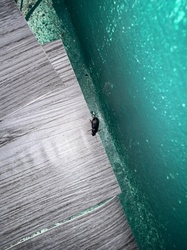
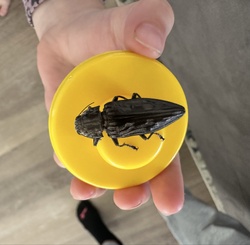
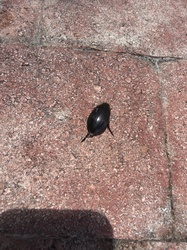
Identify a predaceous diving beetle by its smooth, oval, streamlined shell and powerful oar-like hind legs built for swimming.
Read the full Predaceous Diving Beetle encyclopedia entry →Key Visual Features
Predaceous diving beetles are true beetles well adapted to life underwater, with a shape built for speed.
- Size: Ranges widely by species, from about 0.2 inch (5 mm) to over 1.5 inches (38 mm) in the largest species.
- Body shape: Smooth, streamlined, oval body that is strongly flattened and tapered at both ends, ideal for gliding through water.
- Coloring: Typically dark brown, black, or olive, often with a glossy sheen and sometimes fine yellow or pale margins along the wing covers.
- Wings/elytra: Hardened wing covers (elytra) form a smooth, seamless-looking shell over the back with no obvious ridges.
- Legs: The hind legs are notably flattened, broadened, and fringed with hairs, functioning like paddles or oars for swimming; front legs are shorter and used for grasping.
- Antennae: Thread-like antennae, held forward, distinguishing the head end from the abdomen at a glance.
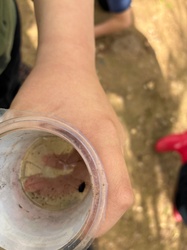
- Larvae: Elongated, tapering, often called "water tigers," with a distinct head bearing curved, pincer-like jaws and tapering body segments.
Where and When You'll See It
Predaceous diving beetles live in ponds, slow streams, marshes, and other freshwater habitats with plenty of submerged vegetation, active from spring through fall in most regions. Adults are strong swimmers, propelling themselves with synchronized strokes of the paddle-like hind legs, and they periodically rise to the water surface to trap a bubble of air beneath the wing covers for breathing before diving again. They can also fly and are sometimes seen at night near lights, having left the water to disperse to new habitats.
Similar-Looking Bugs
- Water scavenger beetle: Similar oval, glossy shape, but has a more domed profile, shorter and less paddle-like hind legs, and swims with legs alternating rather than in unison.
- Backswimmer: A true bug, not a beetle, that swims upside down using long, oar-like hind legs but has a triangular head and piercing beak rather than beetle jaws.
- Whirligig beetle: Much smaller, oval, and shiny, found spinning rapidly in circles at the water surface rather than swimming submerged.
Quick ID Checklist
- Smooth, oval, streamlined beetle body, often dark and glossy
- Flattened, fringed hind legs used as swimming paddles
- Rises to the surface periodically to trap an air bubble
- Synchronized leg strokes when swimming (versus alternating strokes in similar beetles)
- Larvae are elongated "water tigers" with prominent curved jaws
Frequently asked questions
How do predaceous diving beetles differ from water scavenger beetles?
Diving beetles have longer, more paddle-like hind legs that stroke in unison, while water scavenger beetles have shorter legs that alternate and a more domed body shape.
Why do these beetles surface periodically?
They rise to the water surface to trap a bubble of air beneath their wing covers, which they use for breathing while submerged.
What do predaceous diving beetle larvae look like?
Larvae, known as water tigers, have an elongated, tapering body and a distinct head with prominent curved, pincer-like jaws.
Can predaceous diving beetles fly?
Yes, adults are capable fliers and often disperse to new water bodies at night, sometimes appearing near outdoor lights.
Predaceous Diving Beetle identified by the community
Recent Predaceous Diving Beetle finds identified with Bug Identifier.