
Predaceous Diving Beetle
Dytiscidae spp.
A sleek, streamlined beetle built for underwater hunting, carrying its own air supply as it patrols ponds in search of prey.
- Size
- 10-40 mm
- Habitat
- Ponds, lakes, and slow-moving freshwater
- Danger
- Bites
Spotted a bug like this?
Identify any bug or insect from a photo, free.
Overview
Predaceous diving beetles make up the family Dytiscidae, a large group of fully aquatic beetles found in freshwater habitats around the world. Both larvae and adults are active predators, giving the family its name, and their smooth, oval bodies and paddle-like hind legs make them powerful swimmers.
Adults periodically rise to the surface to trap a bubble of air beneath their wing covers, which they use as a portable oxygen supply while submerged, allowing them to remain underwater for extended periods. Species range from just a few millimeters long to some of the largest beetles in freshwater ecosystems, with certain giant diving beetles reaching several centimeters in length.
Dytiscid beetles are important predators within pond and lake food webs, feeding on a wide variety of aquatic invertebrates and even small vertebrates such as tadpoles and small fish, and in turn serving as prey for larger fish, birds, and amphibians.
How to Identify
- Adults are 10-40 mm long (varying widely by species), with a smooth, streamlined, oval body that is flattened for efficient swimming.
- Coloring is typically dark brown, black, or olive, sometimes with yellow or pale margins along the body edges.
- The hind legs are broad, flattened, and fringed with hairs, forming paddle-like structures used for swimming.
- Adults hold a silvery air bubble under their wing covers when submerged, visible as a shine at the rear of the abdomen.
- Larvae are elongated, tapering, and have large curved, sickle-shaped mandibles used to seize prey; they breathe through a pair of tail-end spiracles held at the water surface.
- Lookalikes include water scavenger beetles (family Hydrophilidae), which have shorter antennae and a more rounded body shape.
Habitat & Range
Predaceous diving beetles are found on every continent except Antarctica, inhabiting ponds, lakes, marshes, and slow-moving streams with abundant vegetation. They favor still or slow water bodies where prey is plentiful and can also colonize temporary pools. Adults are capable fliers and readily disperse between water bodies, often attracted to lights at night during dispersal flights.
Behavior & Diet
Both larval and adult diving beetles are active predators, feeding on other aquatic insects, small crustaceans, tadpoles, and occasionally small fish. Larvae, sometimes called water tigers, use their hollow, sickle-shaped mandibles to inject digestive fluids into prey and then draw out the liquefied contents. Adults can pinch defensively with their mandibles if handled, though they generally rely on speed and their compact, hard body to avoid predators. As voracious predators, diving beetles play a significant role in regulating populations of other aquatic invertebrates, while themselves serving as prey for wading birds, fish, and larger aquatic predators.
Life Cycle
Females lay eggs individually, often inserted into plant tissue or attached to submerged vegetation. Larvae hatch and pass through three instars, growing steadily larger while actively hunting other aquatic organisms. When mature, larvae leave the water and pupate in a chamber in moist soil near the water's edge. Adults emerge from the pupal chamber and return to the water to feed and reproduce; depending on species and climate, diving beetles may produce one or more generations per year and can overwinter as adults in mud or beneath ice-covered water.
Frequently asked questions
How do diving beetles breathe underwater?
Adults trap a bubble of air under their wing covers at the surface and carry it with them as a temporary air supply while submerged.
Can a predaceous diving beetle bite a person?
It can pinch defensively with its mandibles if handled, though it generally uses its strong jaws to capture prey rather than defend against people.
What do the larvae eat?
Larvae, sometimes called water tigers, are aggressive predators that feed on other aquatic invertebrates, tadpoles, and small fish.
Are diving beetles good swimmers?
Yes, their flattened, streamlined bodies and fringed, paddle-like hind legs make them fast and efficient underwater swimmers.
Predaceous Diving Beetle guides
In-depth guides for identifying, understanding, and living alongside Predaceous Diving Beetle.
Predaceous Diving Beetle identified by the community
Real finds identified with Bug Identifier.
Other bugs you may enjoy
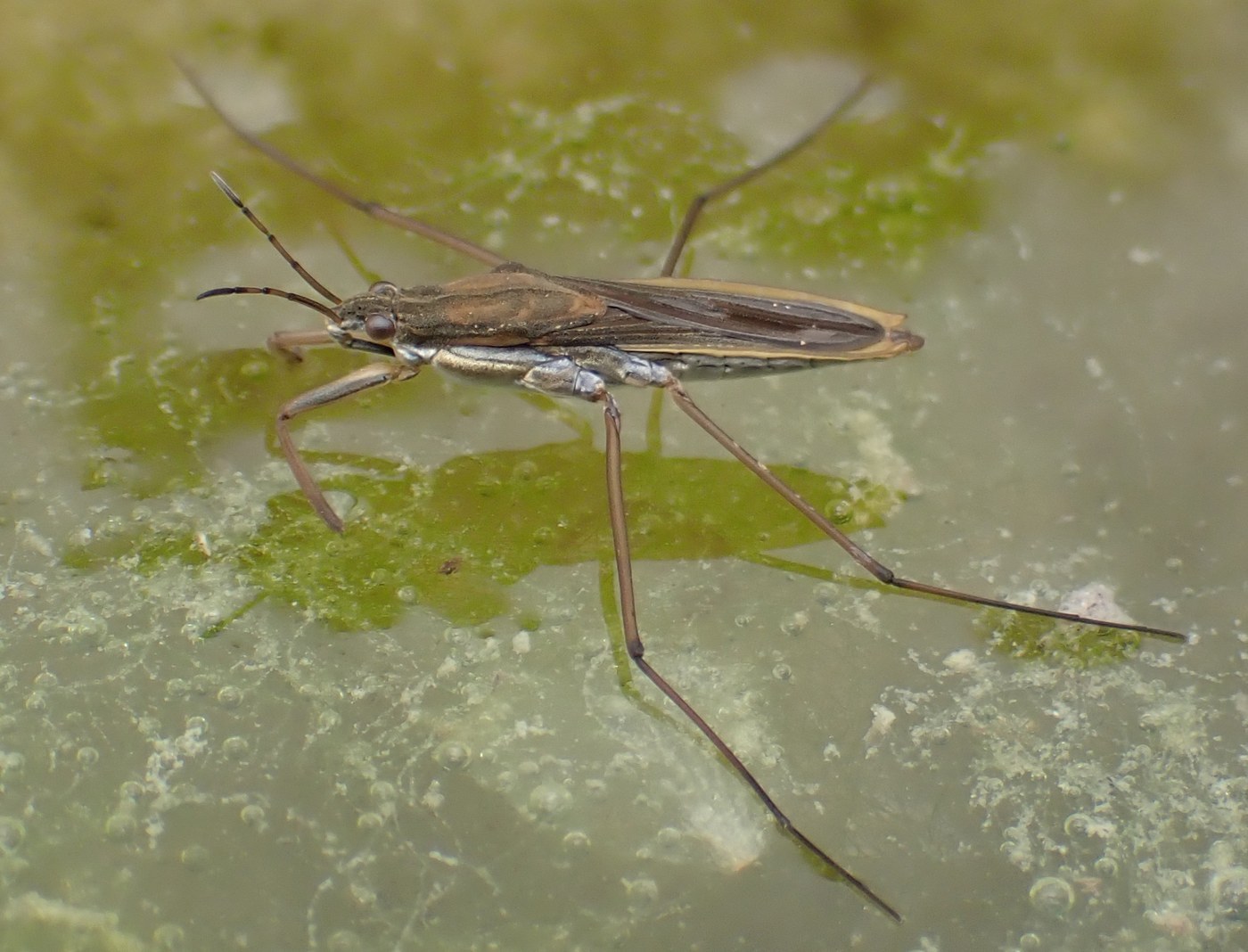
Water Strider
Still or slow-moving fresh water: ponds, lake edges, slow streams, puddles
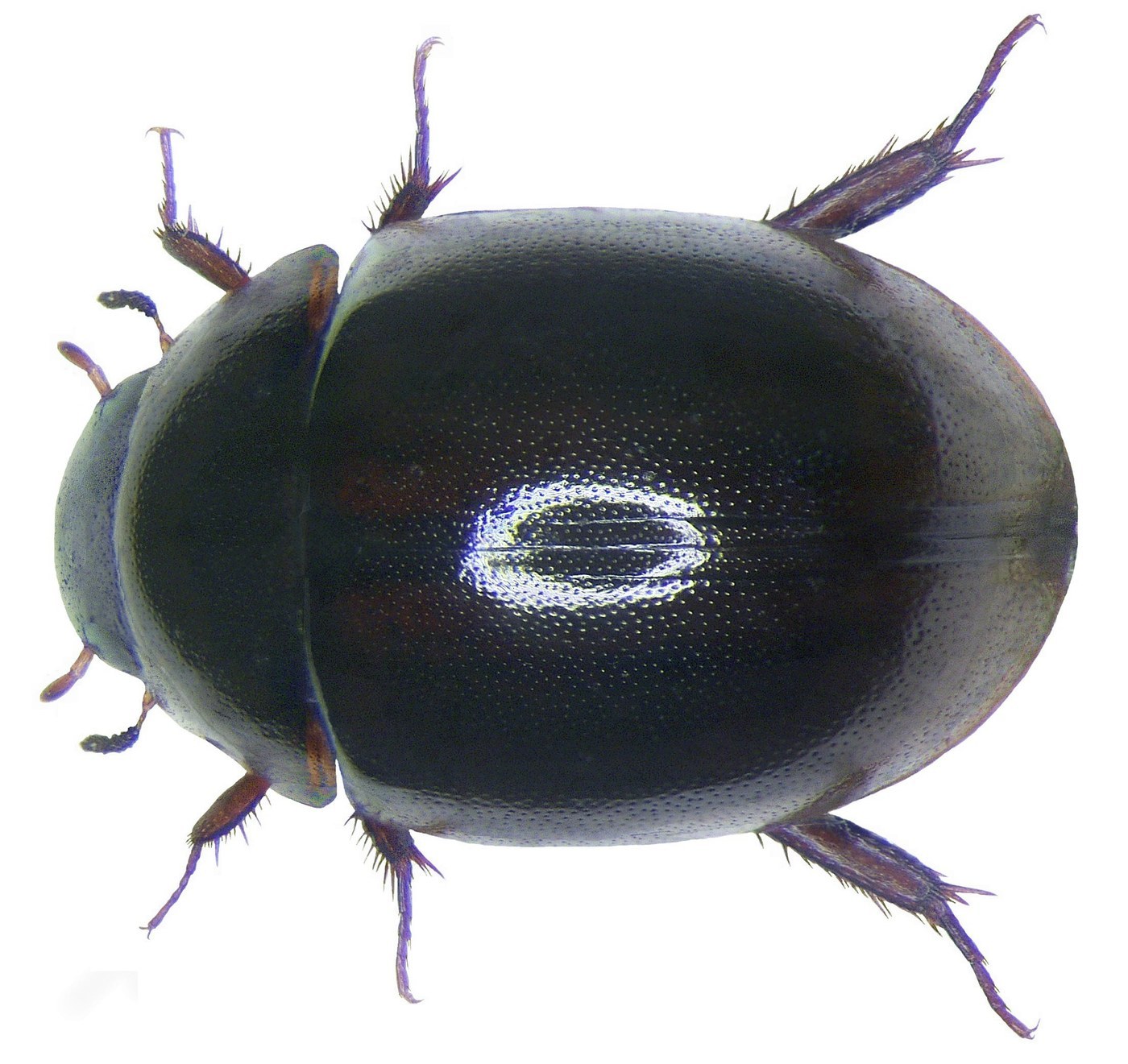
Water Beetle
Ponds, slow streams, marshes, still fresh water
Water Penny Beetle
Fast, rocky, well-oxygenated streams
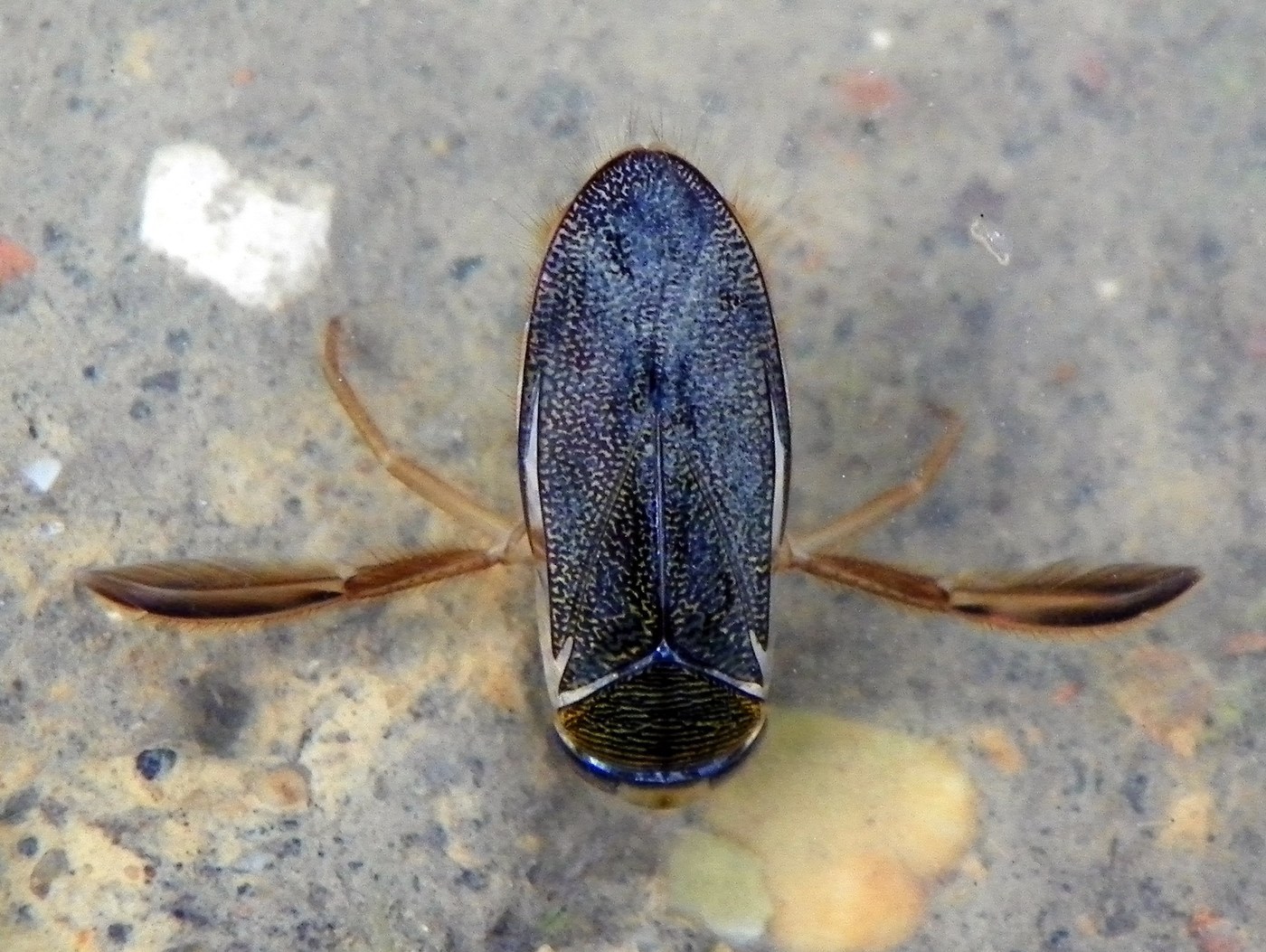
Water Boatman
Ponds, lakes, slow streams, freshwater with vegetation
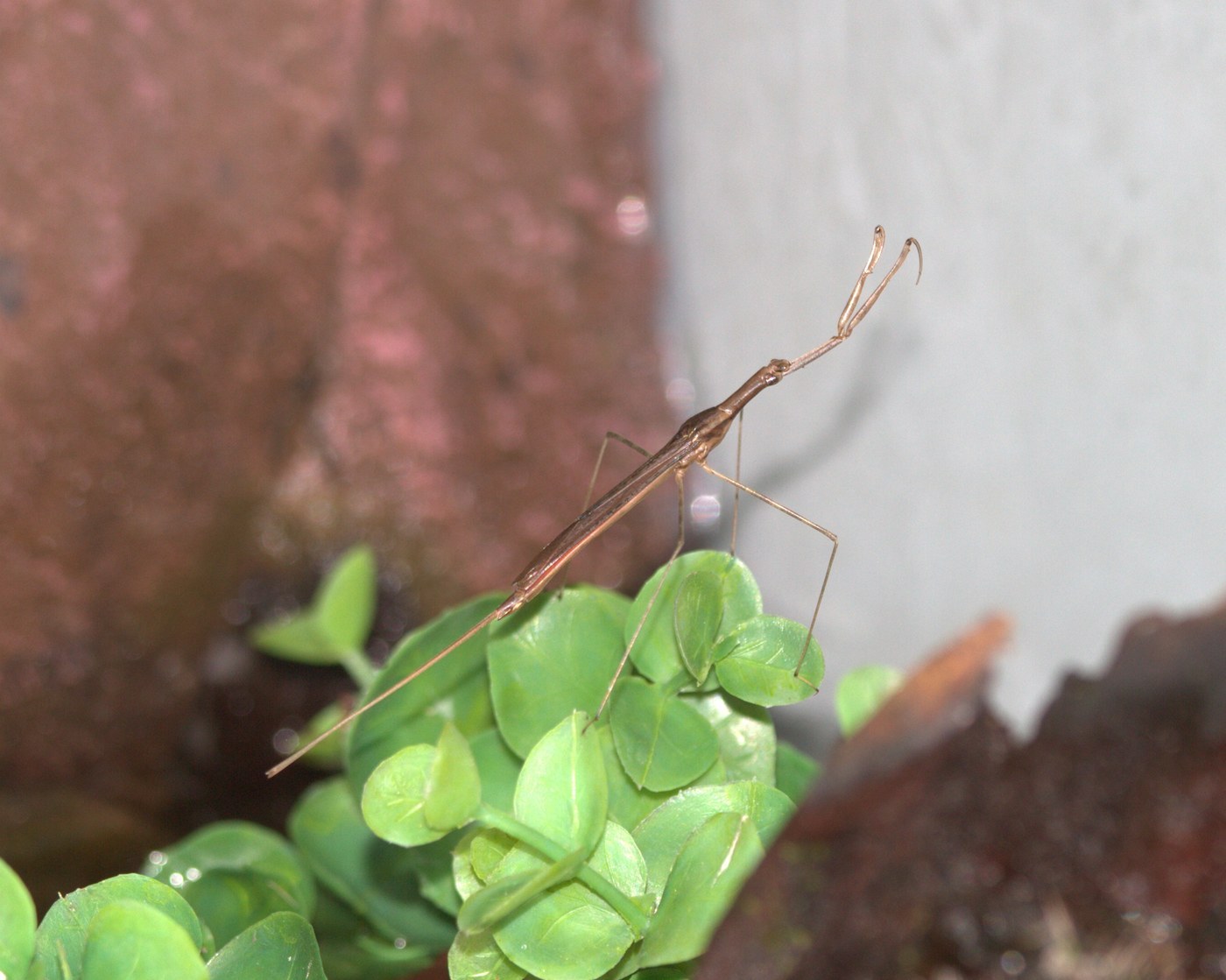
Water Scorpion
Still or slow-moving water with submerged vegetation
Stonefly
Cold, clean, well-oxygenated streams and rivers
Stonefly Nymph
Cold, fast-flowing, well-oxygenated streams
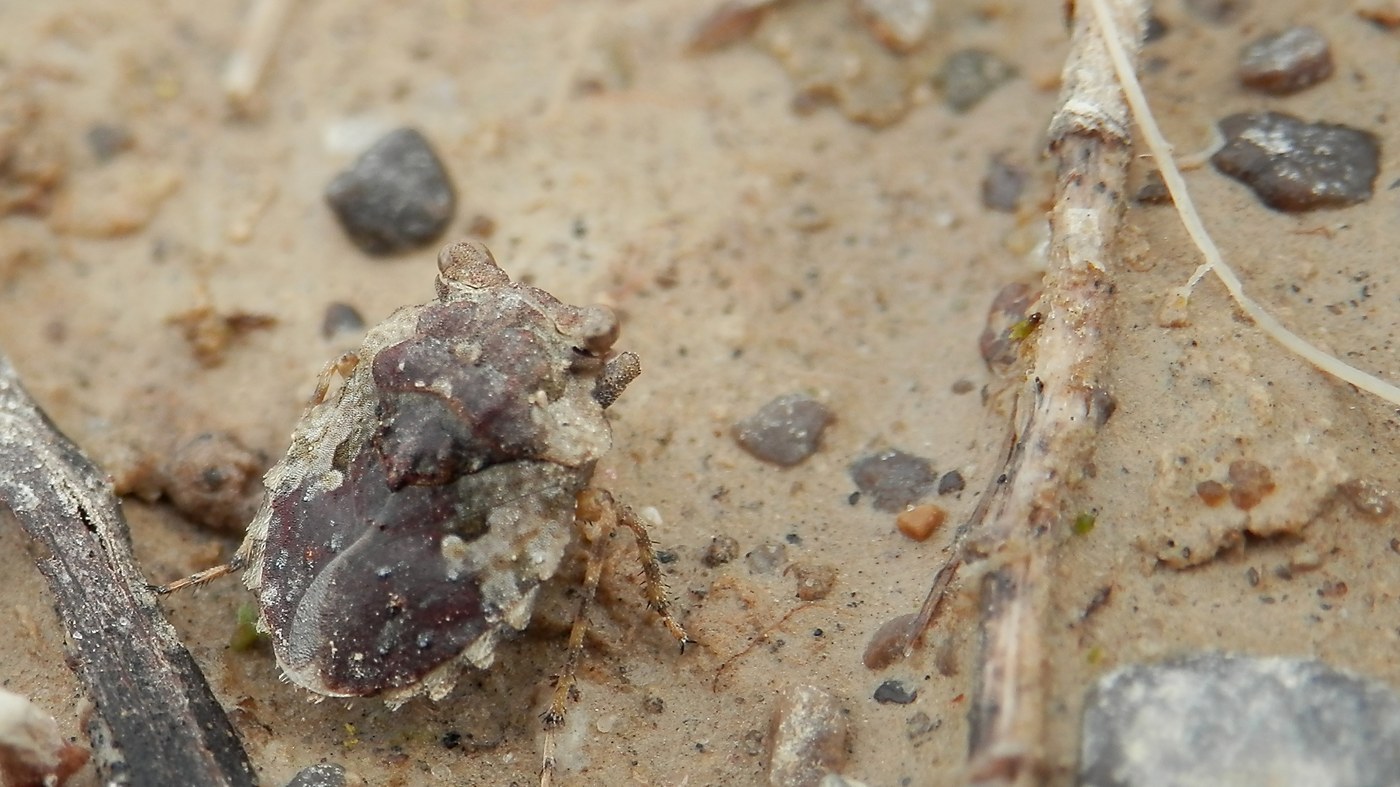
Toad Bug
Muddy or sandy shorelines of ponds, streams, and rivers
Soldier Fly Larva
Ponds, marshes, and slow streams with organic sediment
Mosquito Larva
Standing water in ponds, ditches, containers, and puddles
Whirligig Beetle
Surface of ponds, lakes, and slow streams
Rat-Tailed Maggot
Stagnant, oxygen-poor water such as manure pools, drains, and compost