Silkworm Identification Guide
Recognize the domesticated silkworm by its plain pale body, small rear horn, and dependence on mulberry leaves.
Read the full Silkworm encyclopedia entry →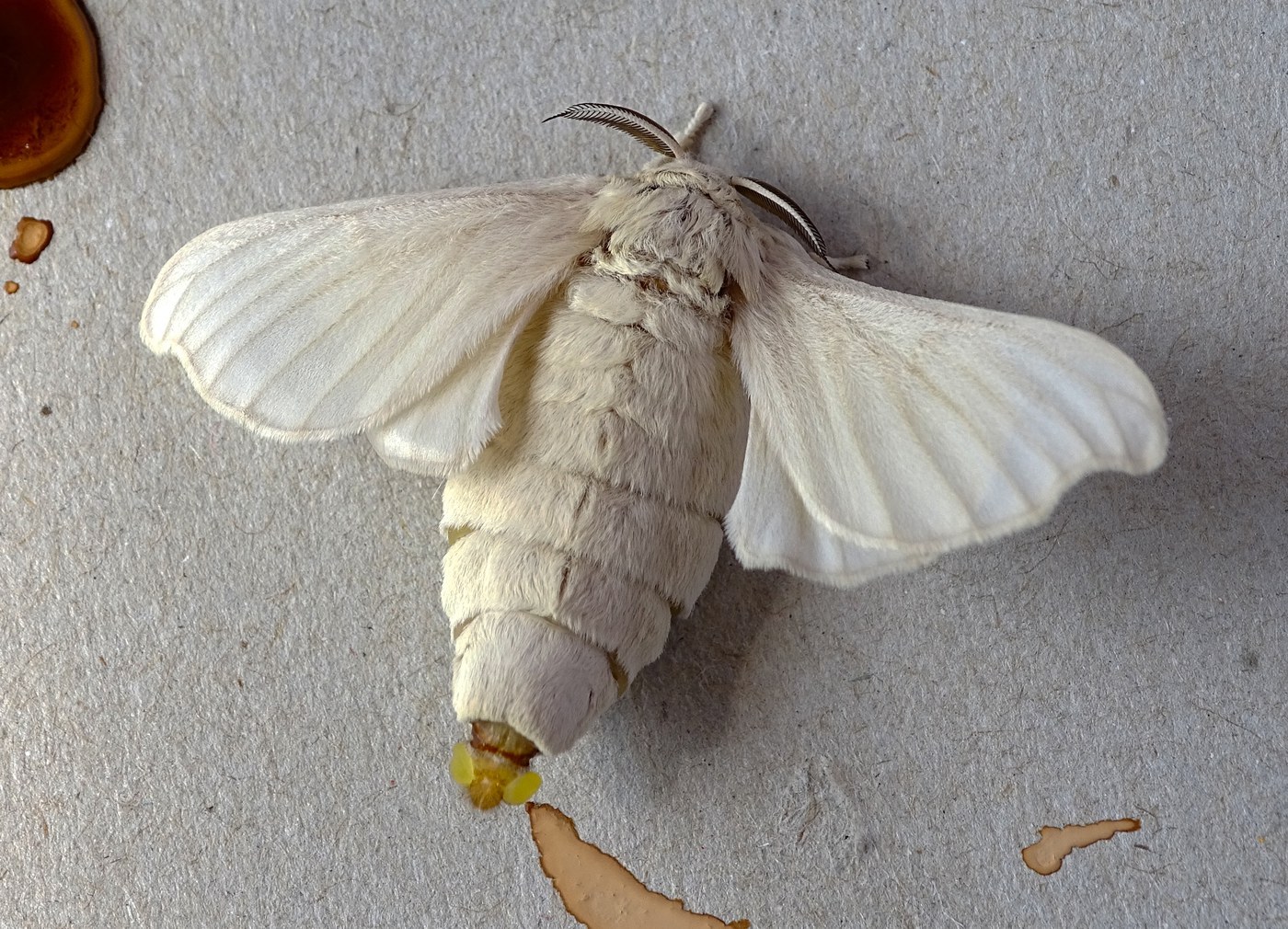
Key Visual Features
The silkworm is the larval stage of the domesticated silk moth, one of the few insect species that no longer exists as a self-sustaining wild population, having been bred in captivity for thousands of years.
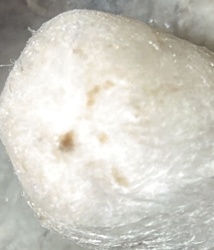
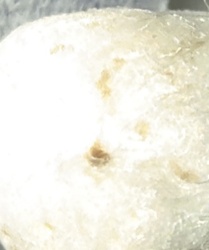
- Body color: Pale grayish-white to cream, sometimes with a faint bluish tinge, and a smooth or finely wrinkled skin texture.
- Body shape: Plump and cylindrical, thicker in the middle and tapering slightly at both ends, with distinct segmentation visible along the length.
- Anal horn: A small, soft, backward-curving projection near the rear end of the body — smaller and less prominent than the horns seen on sphinx moth caterpillars.
- Head: Small and darker than the body, with short true legs just behind it.
- Size: Reaches about 2.5-3 inches (6-7.5 cm) at full growth after several molts.
Where and When You'll See It
Silkworms are not found in the wild; they are reared in captivity on mulberry leaves (or artificial diet) as part of silk production or as an educational and hobbyist insect. Because they depend entirely on human care, there is no natural habitat or season to search — they are typically found in enclosures, trays, or mulberry-leaf feeding setups wherever they are being raised.
Similar-Looking Caterpillars
- Other Bombycidae or Saturniidae larvae: Some wild silk moth relatives share a plump, pale body shape, but silkworms are distinguished by their complete dependence on mulberry and their consistently pale, domesticated coloration.
- Sphinx moth (hornworm) caterpillars: Also have a rear horn and smooth body, but hornworms are typically green with diagonal side stripes and a more pronounced, often colorful tail horn, and are found on a variety of wild host plants rather than mulberry alone.
- Wax moth larvae (waxworms): Similarly pale and soft-bodied, but waxworms lack a rear horn and are found in beeswax comb rather than on leaves.
Quick ID Checklist
- Plump, pale grayish-white to cream cylindrical body
- Small, soft, backward-curving horn near the rear
- Found only in captive-rearing setups, feeding on mulberry leaves
- No wild population — always associated with human cultivation
- Reaches about 3 inches long at full growth
Frequently asked questions
Can silkworms be found in the wild?
No, silkworms exist only in captivity; they have been domesticated for so long that they no longer have a self-sustaining wild population.
What plant do silkworms feed on?
They feed primarily on mulberry leaves, and their care nearly always centers on access to this specific host plant.
How can I tell a silkworm from a hornworm?
Silkworms are pale grayish-white with a small, soft rear horn, while hornworms are usually green with a longer, more prominent tail horn and diagonal side stripes.
What does the adult silk moth look like?
The adult is a stout, pale-colored moth with reduced flight ability, another result of long domestication.
Silkworm identified by the community
Recent Silkworm finds identified with Bug Identifier.