
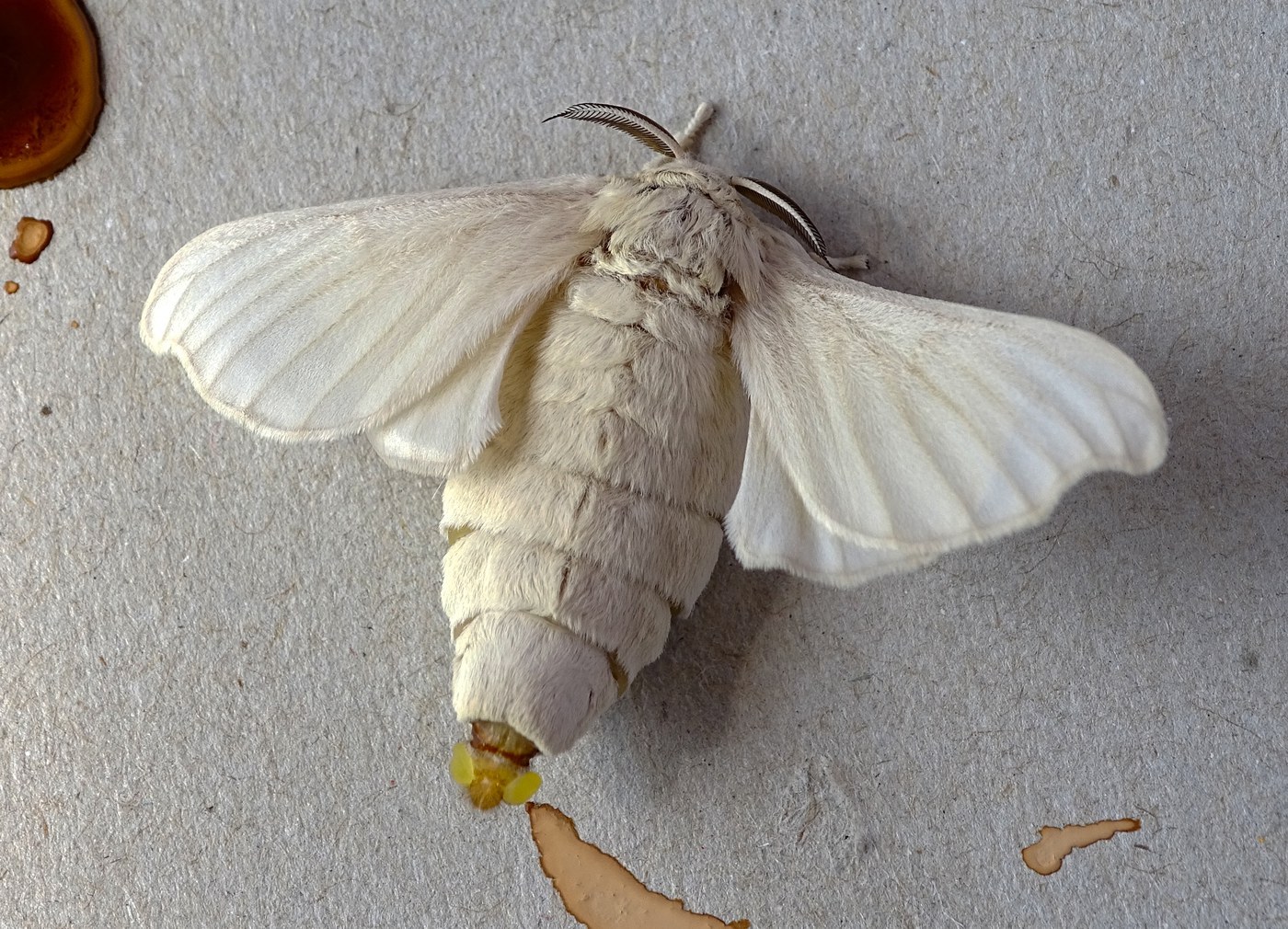
Silkworm
Bombyx mori
Plump, pale, and utterly dependent on humans, the silkworm is the domesticated caterpillar behind thousands of years of silk production, spinning a single continuous thread of silk to form its cocoon.
- Size
- Up to 7-8 cm (about 3 in) long at maturity
- Habitat
- Reared exclusively in captivity on mulberry leaves; no independent wild population
- Danger
- Harmless
Spotted a bug like this?
Identify any bug or insect from a photo, free.
Overview
The silkworm, Bombyx mori, is the larva of the domestic silk moth, a species that no longer exists in the wild and survives only through human cultivation. It was domesticated in China thousands of years ago from a wild ancestor believed to be related to Bombyx mandarina, and has been selectively bred ever since for silk production.
Silkworms feed almost exclusively on mulberry leaves and are raised indoors in controlled conditions on trays or racks. Generations of domestication have left the species unable to fly as an adult and largely dependent on human care for feeding and protection throughout its life cycle.
Beyond their historical and continuing role in silk production, silkworms are widely used in biology classrooms and research as an accessible model for studying insect development and metamorphosis.
How to Identify
- Body is soft, plump, and pale cream to white, with a segmented, cylindrical shape typical of moth caterpillars
- Reaches about 7-8 cm (roughly 3 in) in length at full growth
- Has a small pair of dark, simple eye-like spots near the head and a short, fleshy horn near the rear, typical of silk moth caterpillars
- Moves slowly and is entirely dependent on being placed near a food source, unlike wild caterpillars
- Distinguished from wild caterpillars by its uniformly pale color and lack of the defensive hairs, spines, or camouflage patterns found in most wild species
Habitat & Range
Silkworms exist only in captivity, reared indoors on mulberry leaves (or a prepared artificial diet) in dedicated silk-farming operations, research facilities, and classrooms around the world, particularly in parts of Asia with a long history of sericulture.
Behavior & Diet
Larvae feed continuously on mulberry leaves, molting through several instars as they grow. In the final instar, a mature silkworm stops feeding and spins a cocoon from a single continuous silk thread that can extend hundreds of meters, produced from a pair of modified salivary glands. As a domesticated species with no independent wild population, the silkworm plays essentially no role in wild ecosystems, but its cultivation supports the textile industry.
Life Cycle
Eggs are laid by the flightless adult moth and hatch into tiny larvae that feed on mulberry leaves. Over roughly four to six weeks, the larva passes through five instars, growing substantially with each molt. At maturity, it spins a silk cocoon around itself and pupates inside. In commercial silk production, most cocoons are processed before the adult would otherwise emerge; when allowed to complete development, the adult moth emerges, mates, lays eggs, and dies within days, as domesticated adults do not feed and cannot fly.
Frequently asked questions
Can silkworms survive in the wild?
No, thousands of years of domestication have left silkworms dependent on humans for food and protection, and the species has no self-sustaining wild population.
What do silkworms eat?
They feed almost exclusively on the leaves of mulberry trees, though some commercial operations use a prepared artificial diet.
How long is the silk thread in a single silkworm cocoon?
A single cocoon can be spun from one continuous silk thread extending several hundred meters.
Do adult silk moths fly?
No, domesticated adult silk moths have lost the ability to fly and do not feed, living only a few days to mate and lay eggs.
Silkworm guides
In-depth guides for identifying, understanding, and living alongside Silkworm.
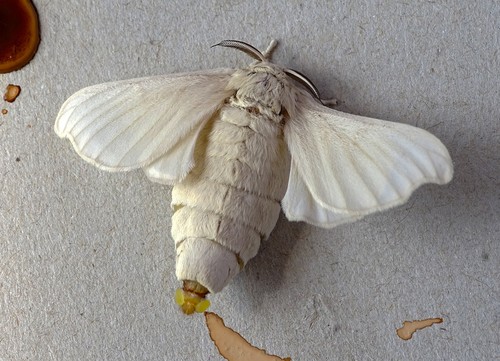
Silkworm identified by the community
Real finds identified with Bug Identifier.
Other bugs you may enjoy
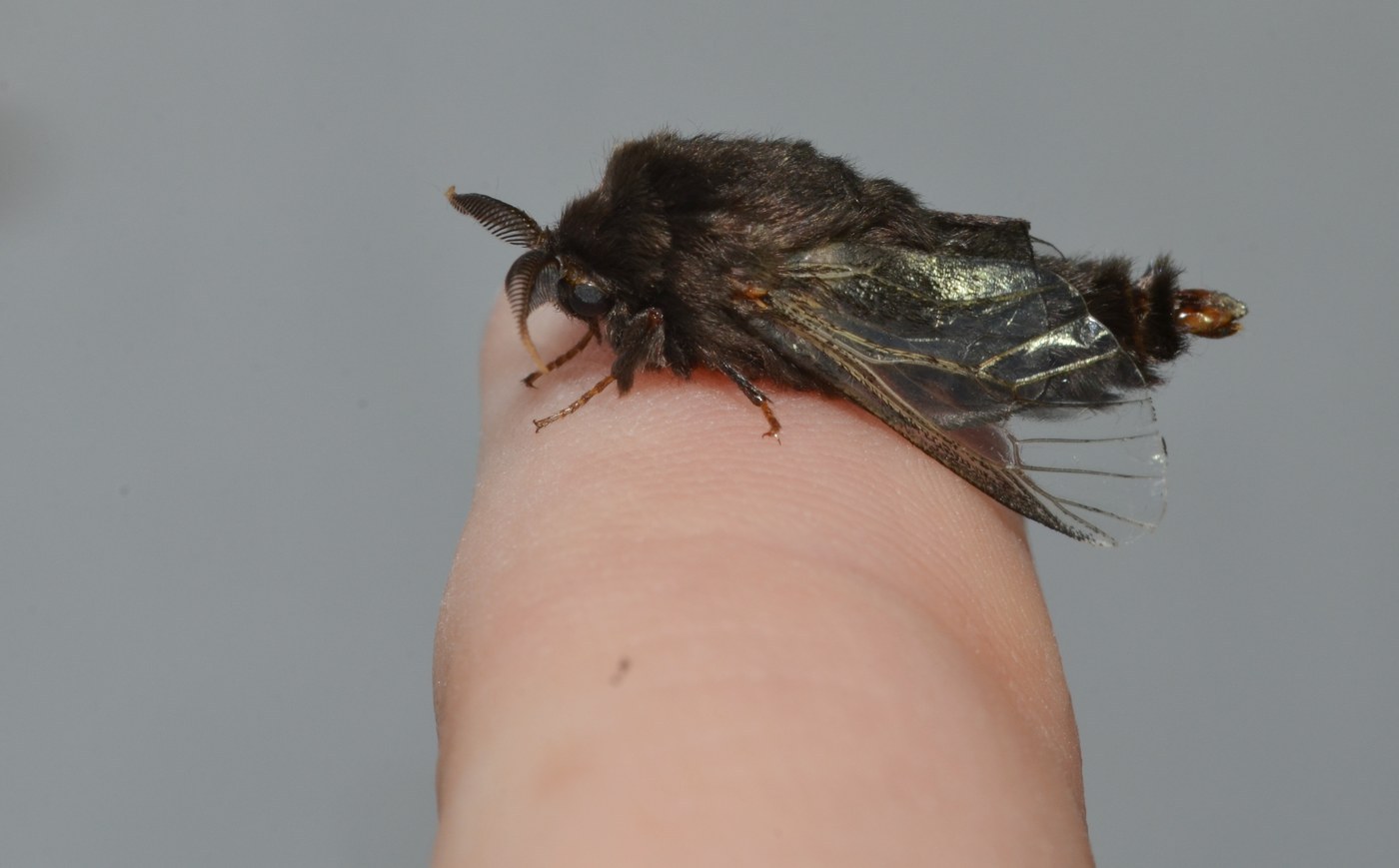
Bagworm
Trees and shrubs, especially conifers and ornamental landscaping
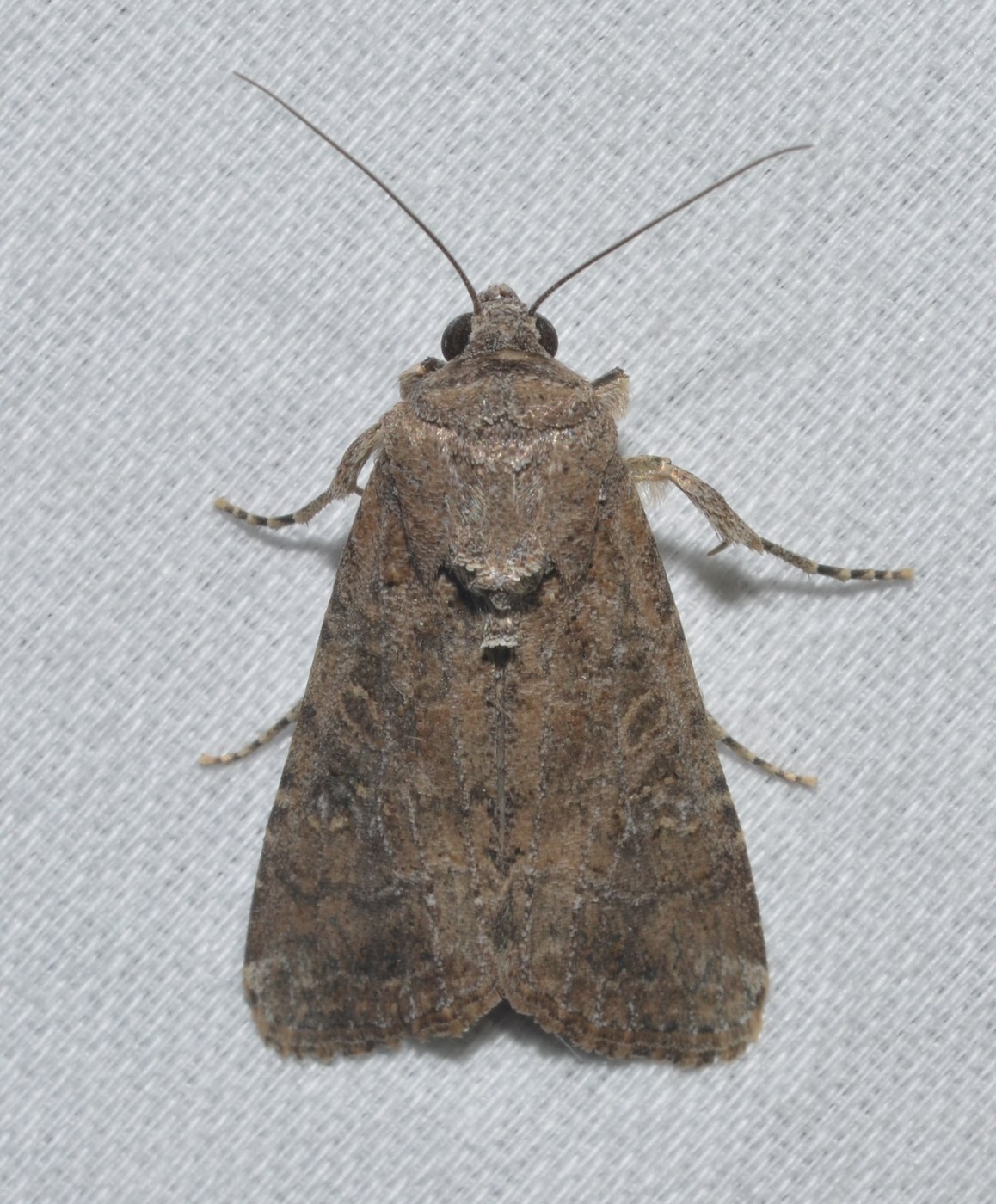
Armyworm
grasslands, pastures, and cereal crop fields
Zebra Longwing Caterpillar
Tropical and subtropical hammocks with passionflower vines
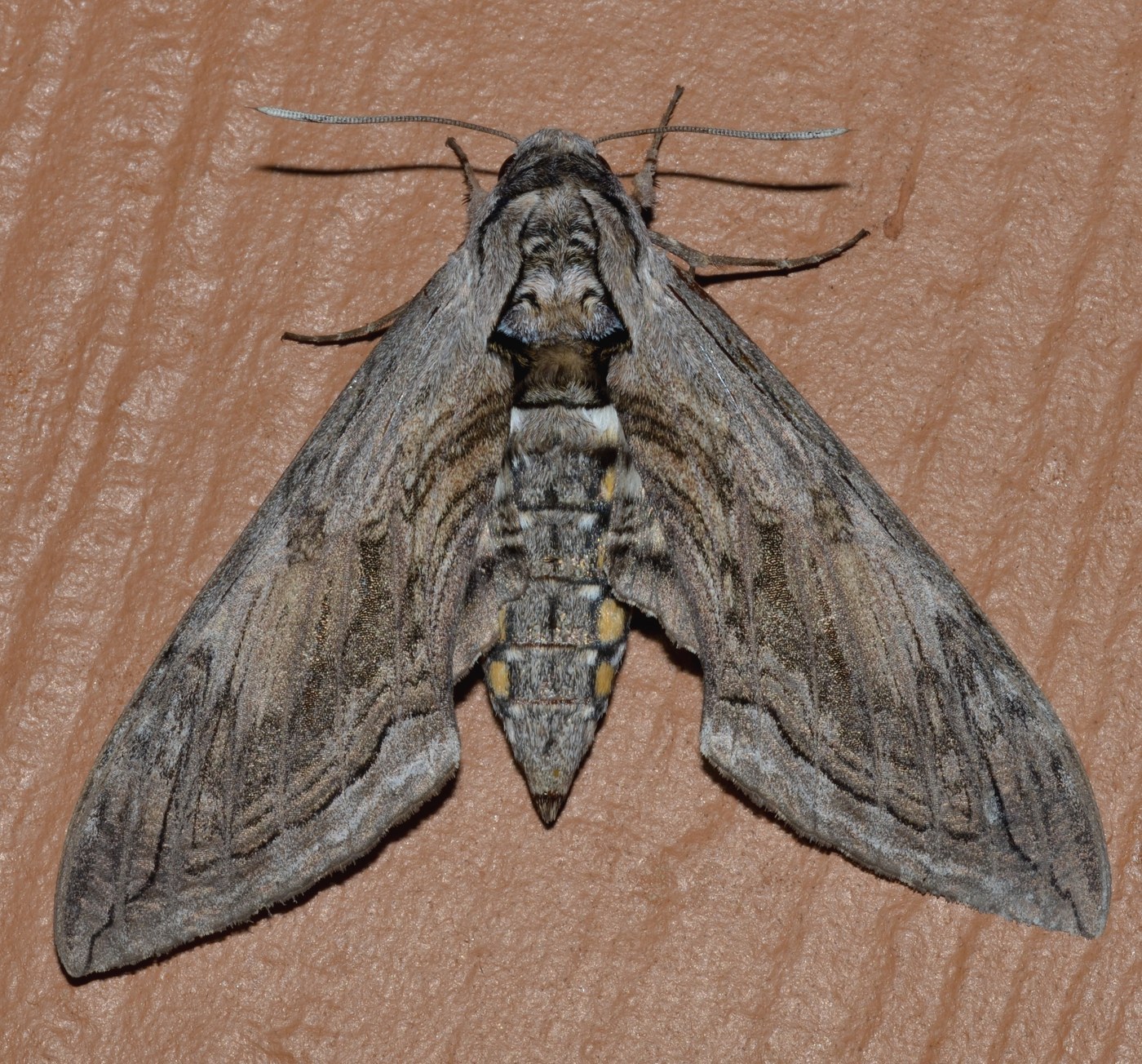
Tomato Hornworm
Gardens and fields with tomato, pepper, and other nightshade plants
Tent Caterpillar
Deciduous trees such as cherry, apple, and other rosaceous species
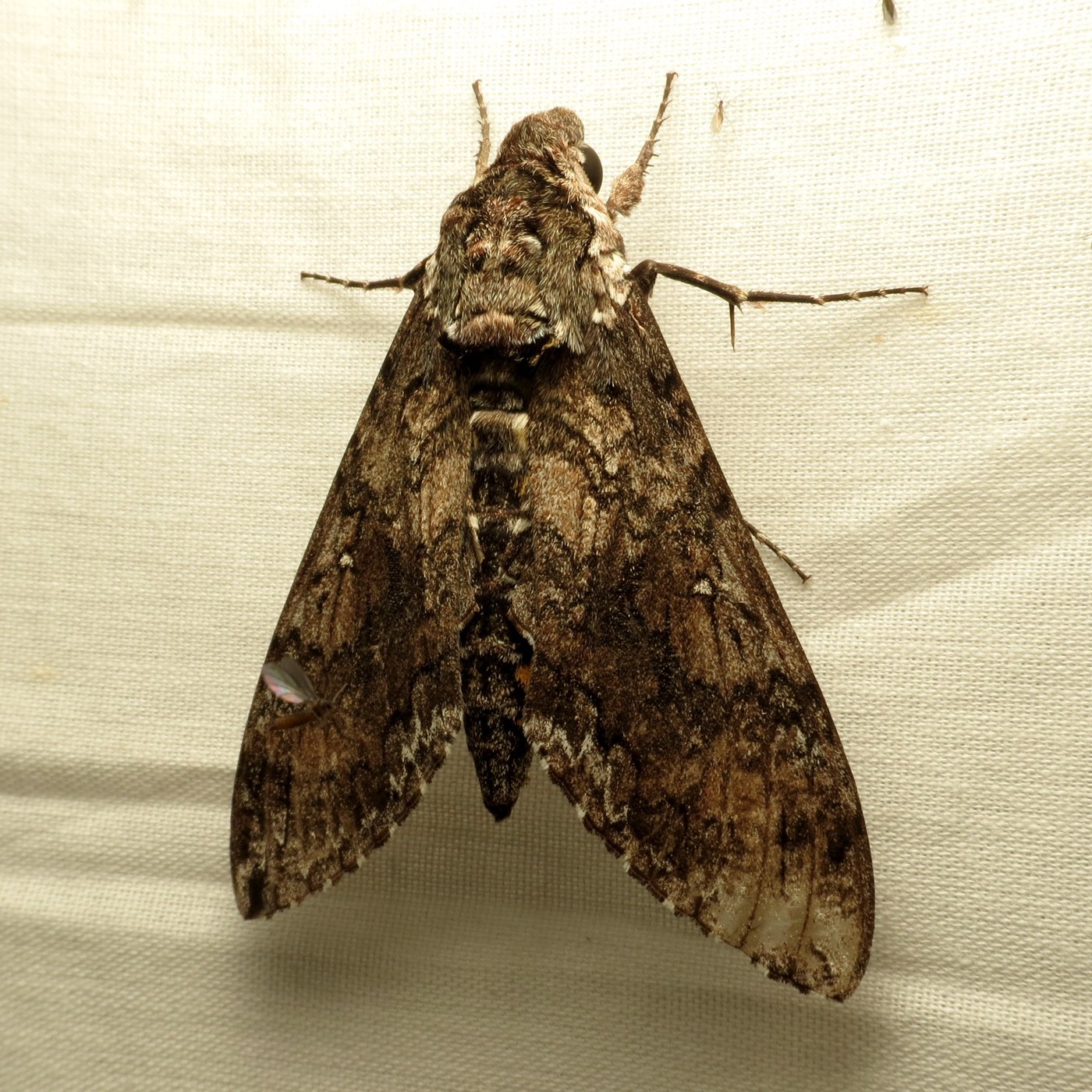
Tobacco Hornworm
tobacco, tomato, and pepper plants in gardens and fields
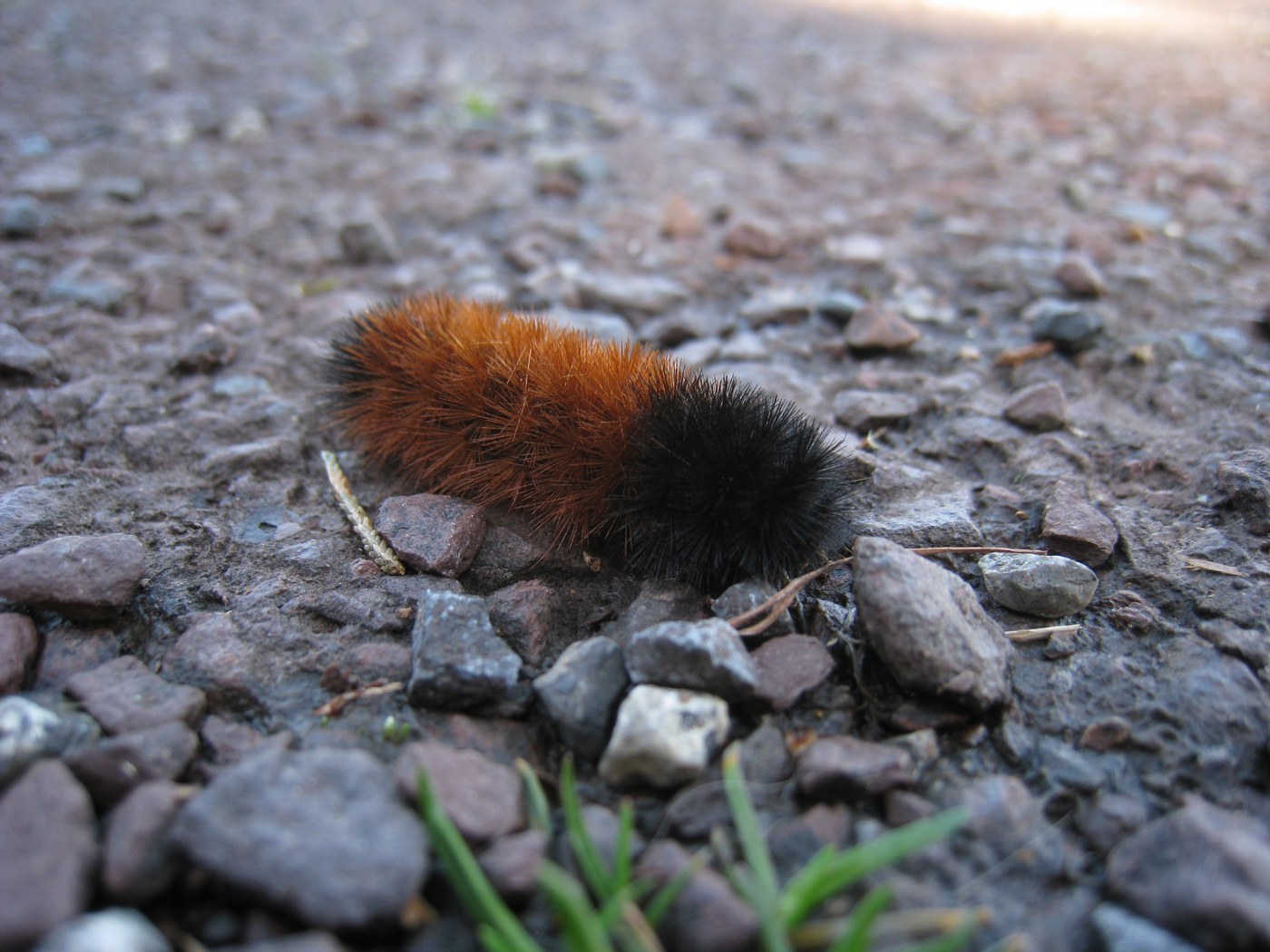
Woolly Bear Caterpillar
Gardens, meadows, roadsides, and woodland edges across North America
Sod Webworm
Turfgrass lawns, golf courses, pastures
Spiny Oak-slug Caterpillar
Deciduous forests and woodland edges with oak and other hardwoods
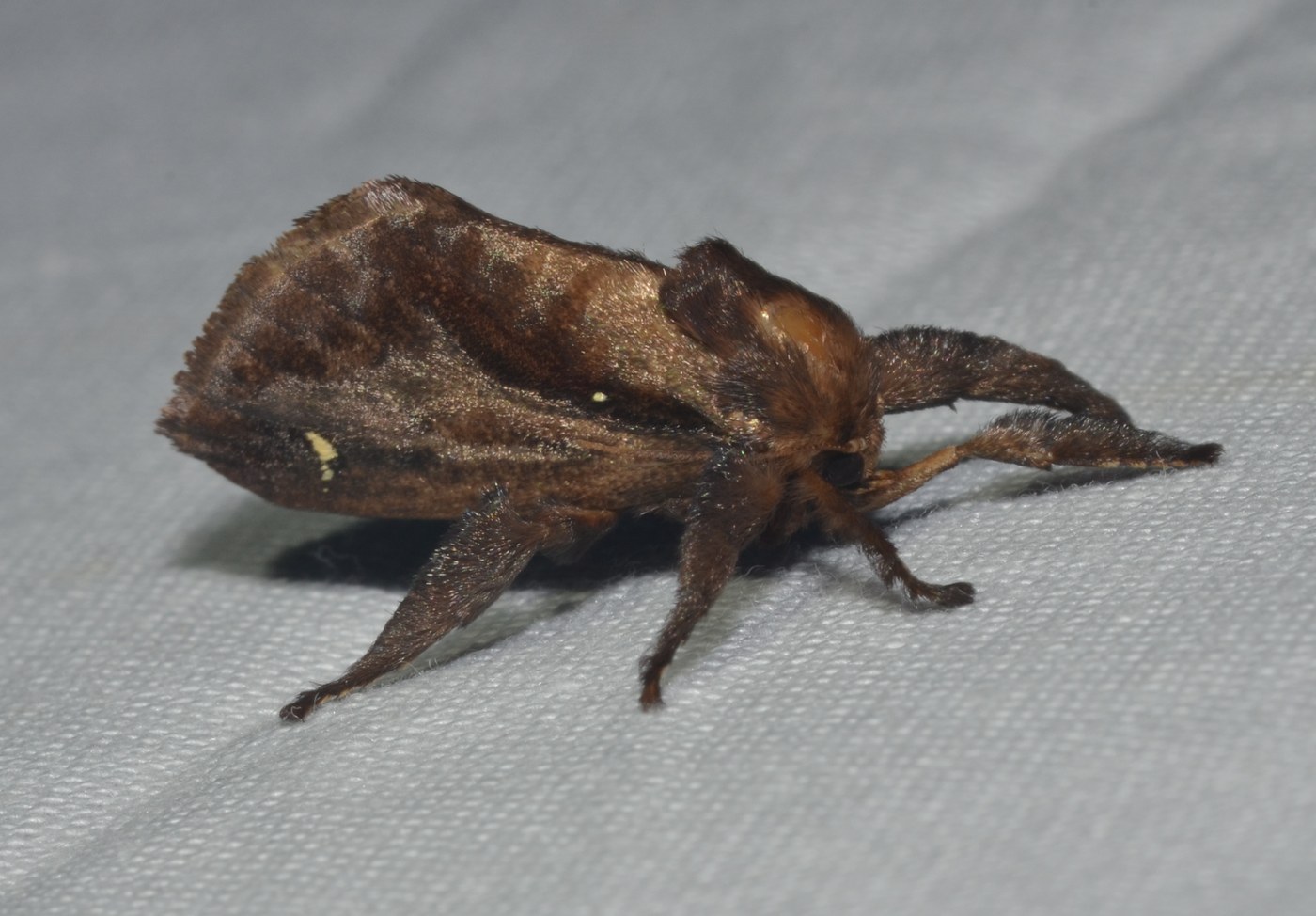
Saddleback Caterpillar
Deciduous trees and shrubs in eastern and southern North America
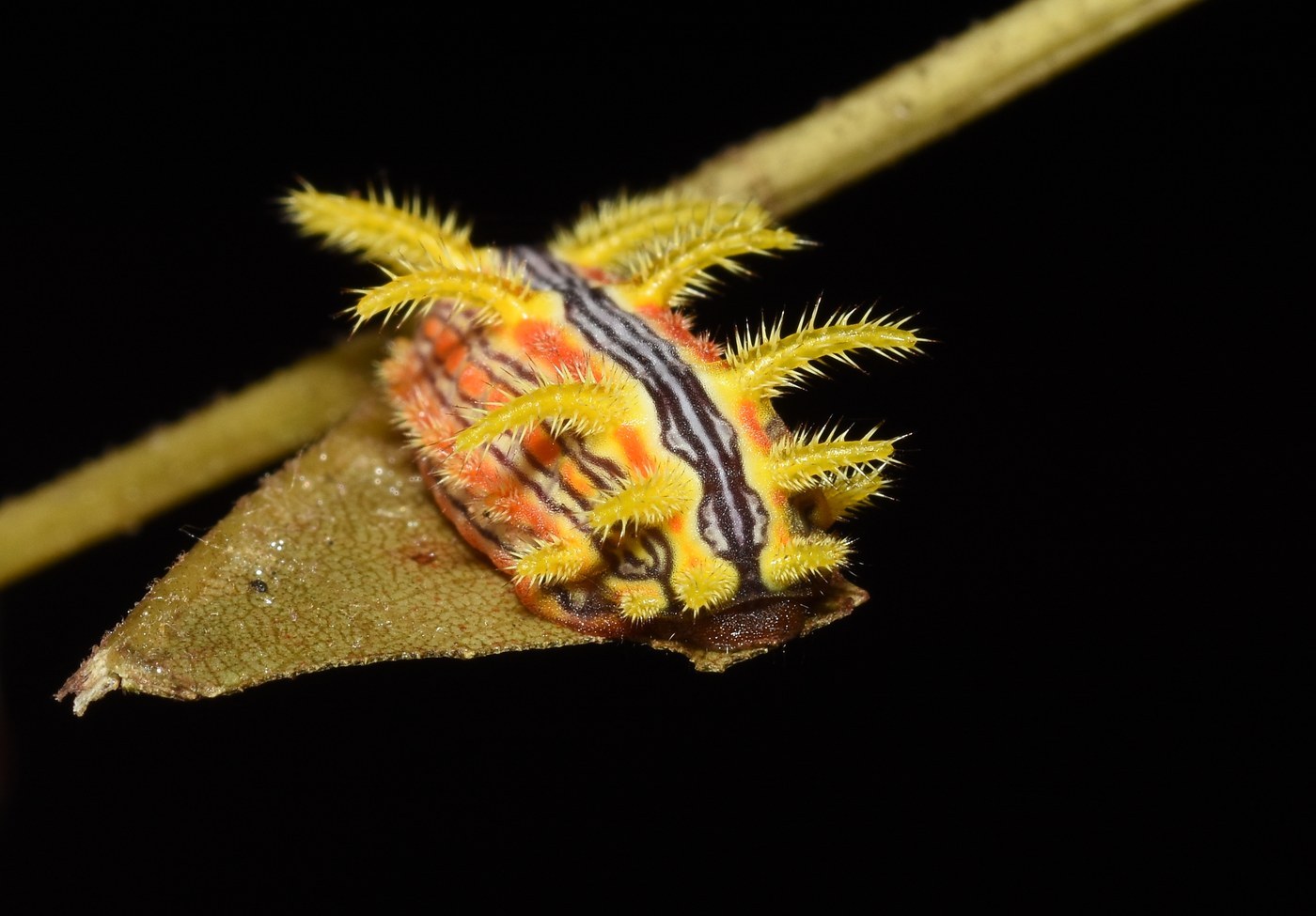
Stinging Rose Caterpillar
Gardens and woodlands with rose, dogwood, or oak
Spicebush Swallowtail Caterpillar
Woodlands and thickets with spicebush or sassafras