Spittlebug Identification Guide
Find spittlebugs by the frothy white foam masses their nymphs create on plant stems in spring.
Read the full Spittlebug encyclopedia entry →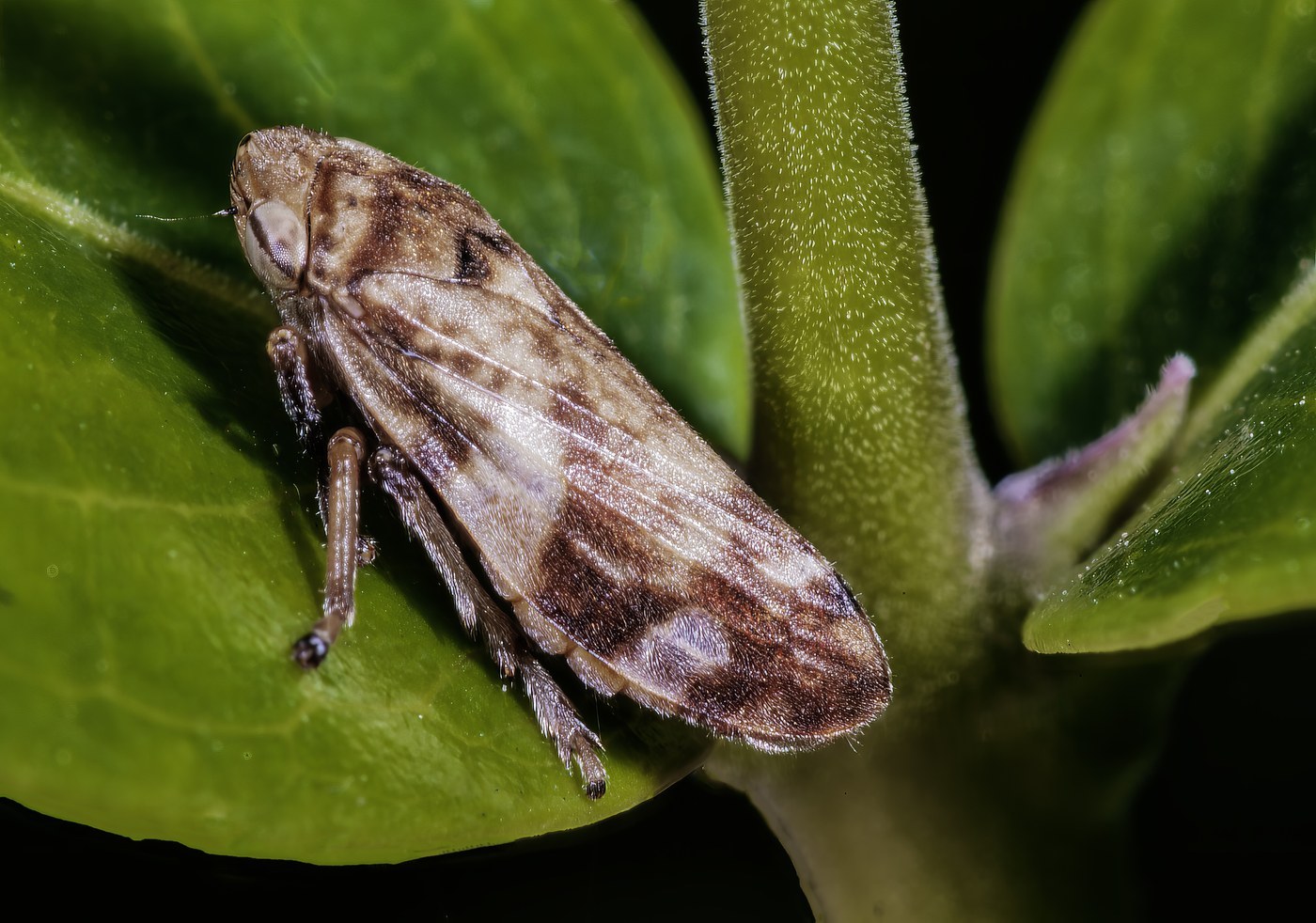
Key Visual Features
Spittlebugs are best known in their nymph stage for the foamy white "spittle" mass they produce, but the adults, called froghoppers, have their own recognizable traits.
- Size: Adults typically measure 6-10mm long; nymphs are smaller and hidden within their foam.
- Color: Adults are often brown, tan, or mottled gray-brown, sometimes with subtle darker markings; nymphs are pale yellow-green and usually concealed by foam.
- Body shape: Adults have a broad, wedge-shaped head and stout body, similar in build to a leafhopper but stockier.
- Legs: Strong hind legs built for powerful jumping, giving adults their "froghopper" nickname.
- Eyes: Wide-set, prominent compound eyes on a broad head.
- Wings: Two pairs held roof-like over the body at rest, usually dull-colored to blend with vegetation.
Where and When You'll See It
The easiest way to notice spittlebugs is by the frothy white foam blobs nymphs create on grass stems, garden plants, and shrub twigs during spring, which shelter and hide the soft-bodied nymph while it feeds on plant sap. By summer, nymphs mature into the more mobile, jumping adult froghoppers, which are found on the same host plants but no longer produce foam. They are common in meadows, lawns, and garden beds with lush vegetation.
Similar-Looking Bugs
- Aphids: Soft-bodied and often clustered, but they do not produce foam and have a very different pear-shaped body without strong jumping legs.
- Leafhoppers: Slimmer and more elongated than froghopper adults, and their nymphs do not create spittle masses.
- Cicadas (nymph stage): Cicada nymphs develop underground rather than in visible surface foam, so any foam mass on a stem points to a spittlebug rather than a cicada.
Quick ID Checklist
- Frothy white foam mass on stems in spring signals a spittlebug nymph inside
- Adults are stout, wedge-headed, and strong jumpers ("froghoppers")
- Brown to mottled gray-brown adult coloring
- Found on grasses, garden plants, and shrub stems
- No foam production once the insect reaches the adult stage
Frequently asked questions
What is the white foam I see on plant stems in spring?
That foam is produced by a spittlebug nymph as a protective, moisture-retaining cover while it feeds on the plant's sap, hiding the soft-bodied insect inside.
Do adult spittlebugs still make foam?
No, only the nymph stage produces the foam; once they mature into froghopper adults, they move freely on plants without any foam covering.
Why are spittlebug adults called froghoppers?
Their stout, wedge-shaped head and powerful hind legs let them jump impressively far and fast, resembling the leaping motion of a small frog.
How can I tell spittlebug foam apart from other insect signs?
The frothy, bubbly white mass on a stem is fairly unique to spittlebugs; aphid activity looks more like clustered insects with sticky residue rather than foam.
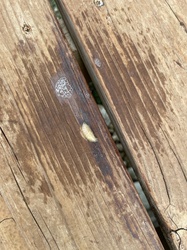
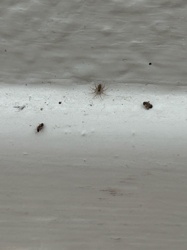
Spittlebug identified by the community
Recent Spittlebug finds identified with Bug Identifier.