
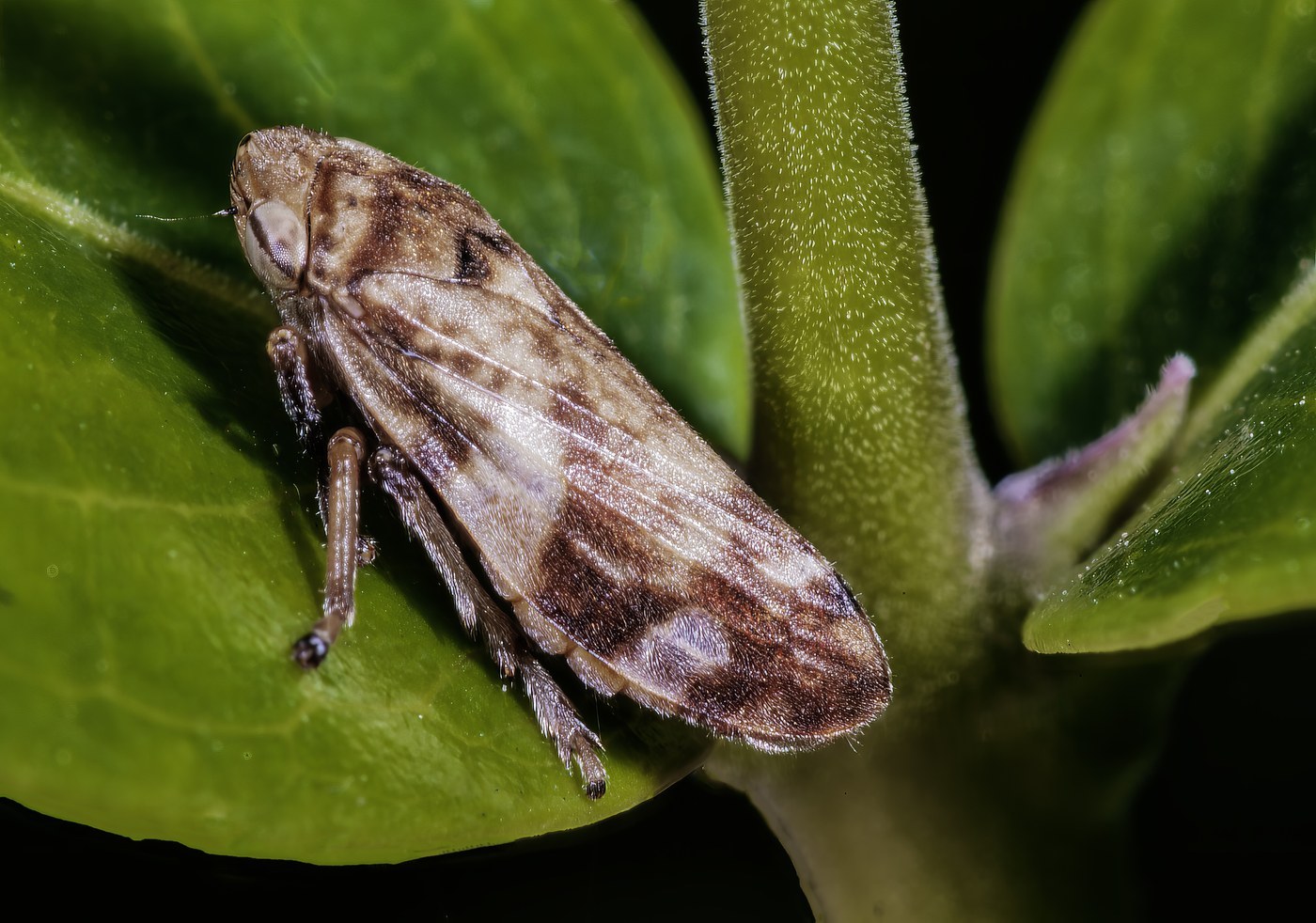
Spittlebug
Philaenus spumarius
A small hopping true bug best known in its nymph stage, which surrounds itself in a frothy mass of white foam on plant stems, commonly called cuckoo spit.
- Size
- 5–8 mm (adult)
- Habitat
- Meadows, lawns, gardens, on stems and grasses
- Danger
- Harmless
Spotted a bug like this?
Identify any bug or insect from a photo, free.
Overview
The Spittlebug refers to the nymph stage of froghoppers, small jumping true bugs in the family Aphrophoridae within the order Hemiptera. The common name comes from the frothy, spit-like foam nymphs produce and live within on plant stems, a distinctive and easily recognized sign of their presence even when the insect itself is hidden.
Adult froghoppers are compact, robust insects capable of powerful jumps, among the strongest relative to body size of any insect, which is how they earned the name "froghopper." Spittlebugs are found across a wide range of grasses, herbaceous plants, and shrubs, feeding on plant sap throughout their nymphal development.
This group is ecologically notable both for its unusual foam-based nymph defense strategy and, in select cases, its role as a vector of certain plant pathogens, though its most familiar feature to most people remains the foamy mass rather than the insect itself.
How to Identify
- Nymphs are pale yellow-green, soft-bodied, and hidden inside a frothy white foam mass on stems.
- Adults are stout, wedge-shaped, and mottled brown, tan, or gray, with a froghopper's characteristically enlarged hind legs for jumping.
- Piercing-sucking mouthparts used to feed on plant sap in both nymph and adult stages.
- Wings held roof-like over the back when at rest, covering a compact, rounded body.
- Lookalikes: the foam itself is unmistakable and rarely confused with anything else; adults can resemble small leafhoppers but are distinguished by their stouter build and stronger jumping legs.
Habitat & Range
Widespread across temperate regions of the Northern Hemisphere and introduced elsewhere, spittlebugs are common in meadows, lawns, gardens, and roadside vegetation. Nymphs and their foam masses are most conspicuous in late spring to early summer, while adults are active through summer into early fall.
Behavior & Diet
Nymphs generate their protective foam by pumping air into a fluid secretion mixed with waste products, creating a moist, camouflaging, and thermally insulating covering while they feed on plant sap. Adults are agile jumpers, using their powerful hind legs to escape predators, and continue to feed on sap from a variety of host plants. The foam nest also helps maintain humidity around the soft-bodied nymph as it develops.
Life Cycle
Spittlebugs undergo incomplete metamorphosis. Eggs overwinter on plant stems or in leaf litter and hatch in spring into nymphs, which immediately begin producing their characteristic foam nests as they feed and develop through several instars. After completing nymphal development, they emerge as winged adults capable of jumping and limited flight. Most species produce one generation per year in temperate climates.
Frequently asked questions
What is the foam I keep seeing on plant stems?
It is a protective froth produced by a spittlebug nymph as it feeds, commonly known as cuckoo spit, sheltering the soft-bodied insect within.
Is the spittlebug harmful to my plants?
Light feeding by a small number of nymphs is generally not a significant concern for an established plant.
What does the adult look like?
The adult, called a froghopper, is a stout, mottled brown or tan insect with strong hind legs adapted for powerful jumping.
When is the foam mass most commonly seen?
Typically in late spring to early summer, when nymphs are actively developing on plant stems.
Spittlebug guides
In-depth guides for identifying, understanding, and living alongside Spittlebug.
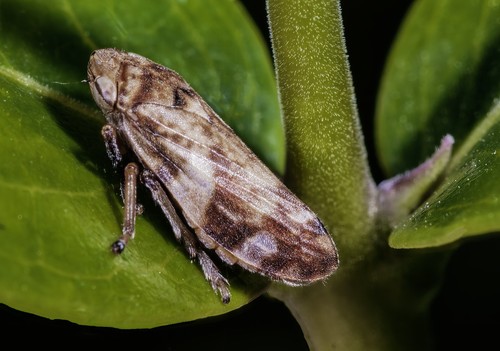
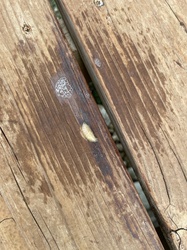
Spittlebug identified by the community
Real finds identified with Bug Identifier.
Other bugs you may enjoy
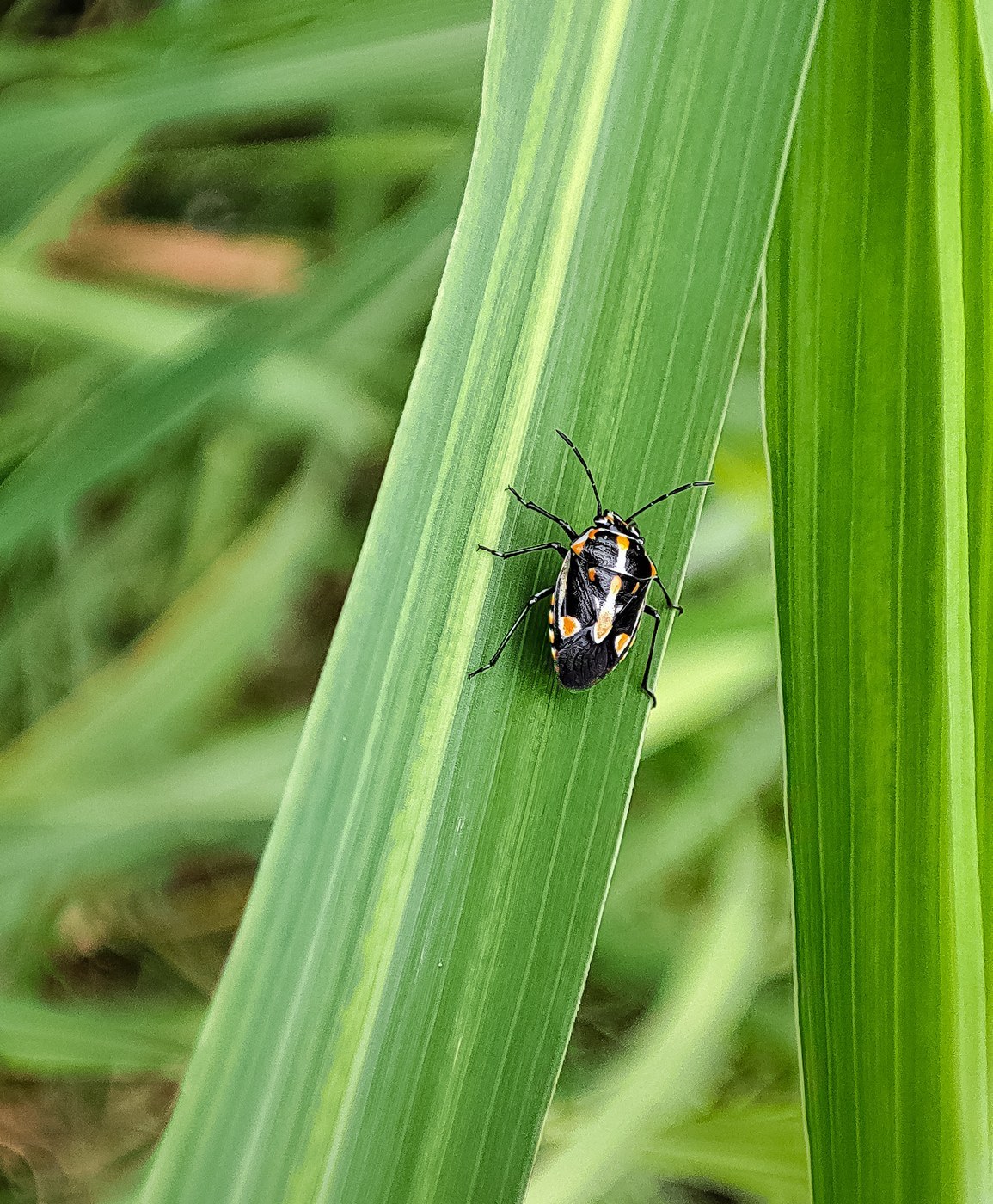
Bagrada Bug
Arid gardens, crucifer fields, desert-adjacent croplands
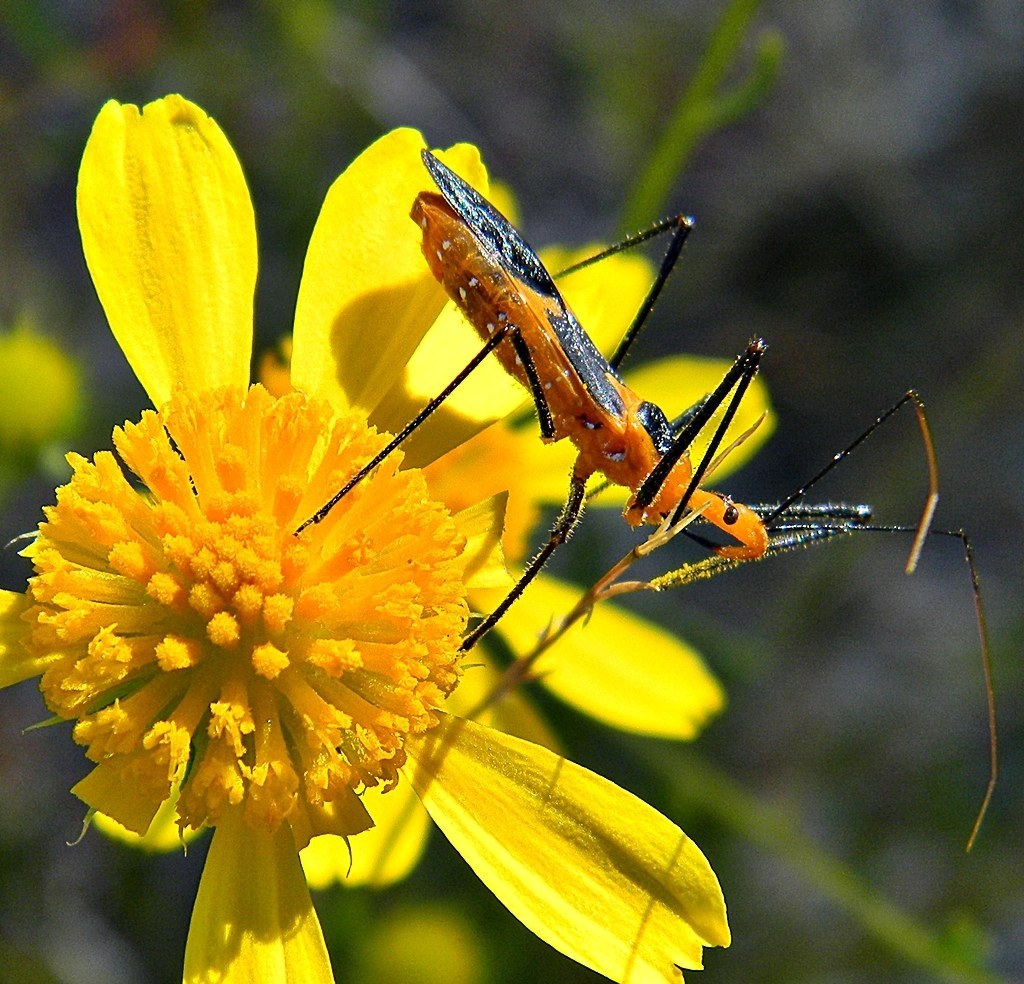
Assassin Bug
Gardens, meadows, and vegetation worldwide
Water Boatman Bug
Ponds, lakes, and slow-moving freshwater
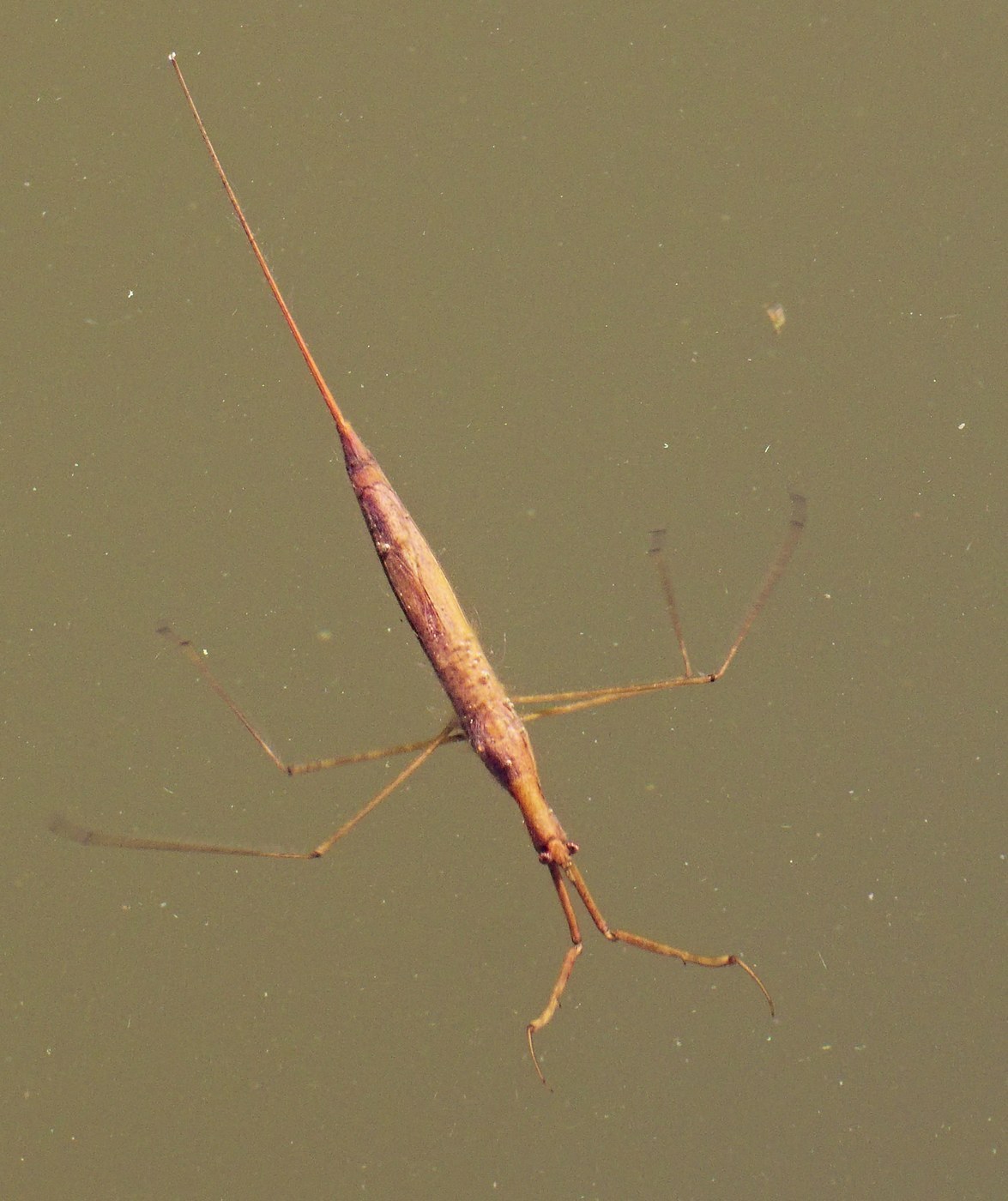
Water Stick Insect
Still and slow-moving water with dense submerged vegetation
Rough Stink Bug
Tree bark, woodlands, orchards, and shrubby vegetation
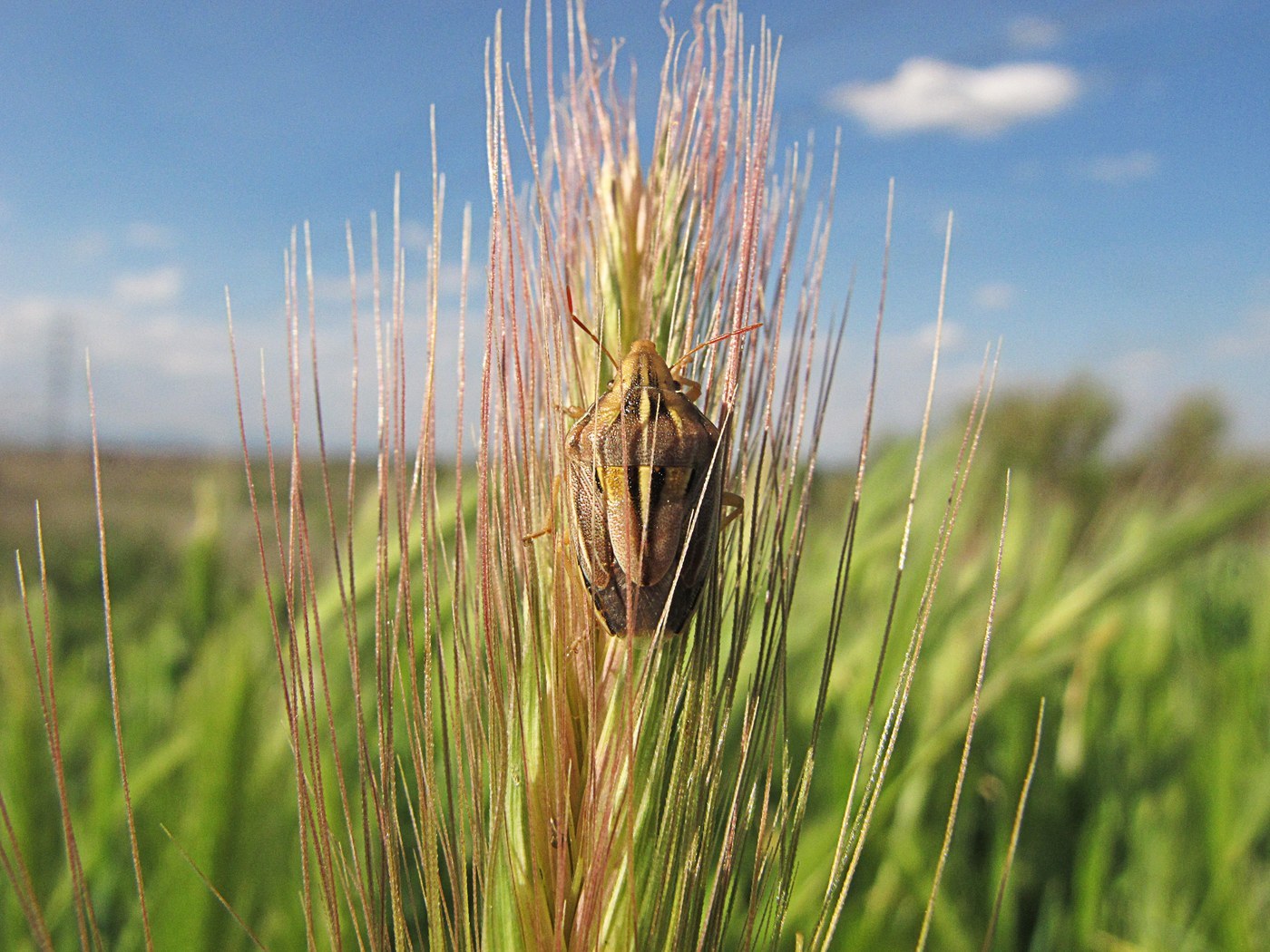
Stink Bug
Gardens, crop fields, and woodlands across temperate and subtropical regions
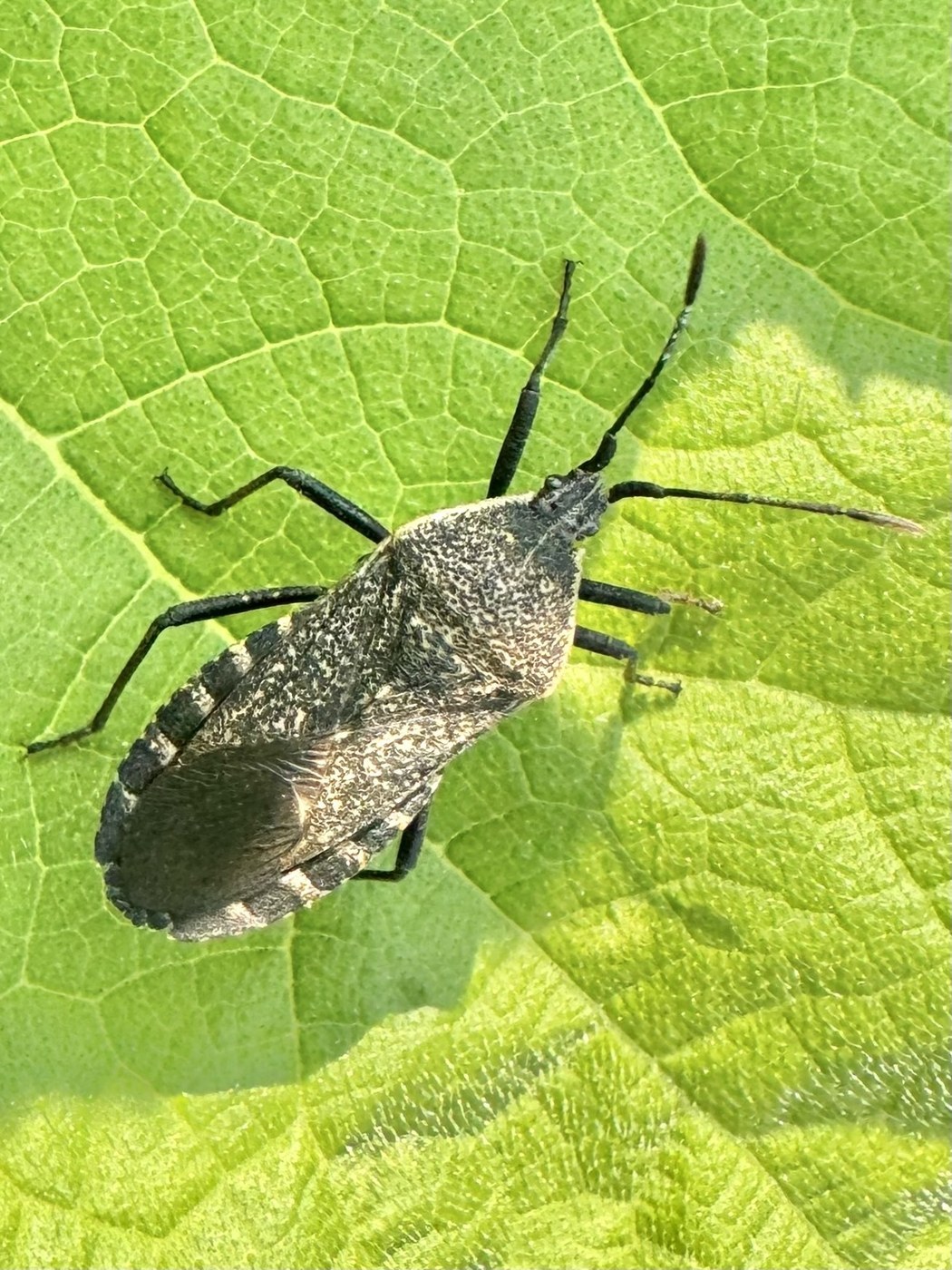
Squash Bug
Vegetable gardens and farm fields growing squash, pumpkin, and other cucurbits
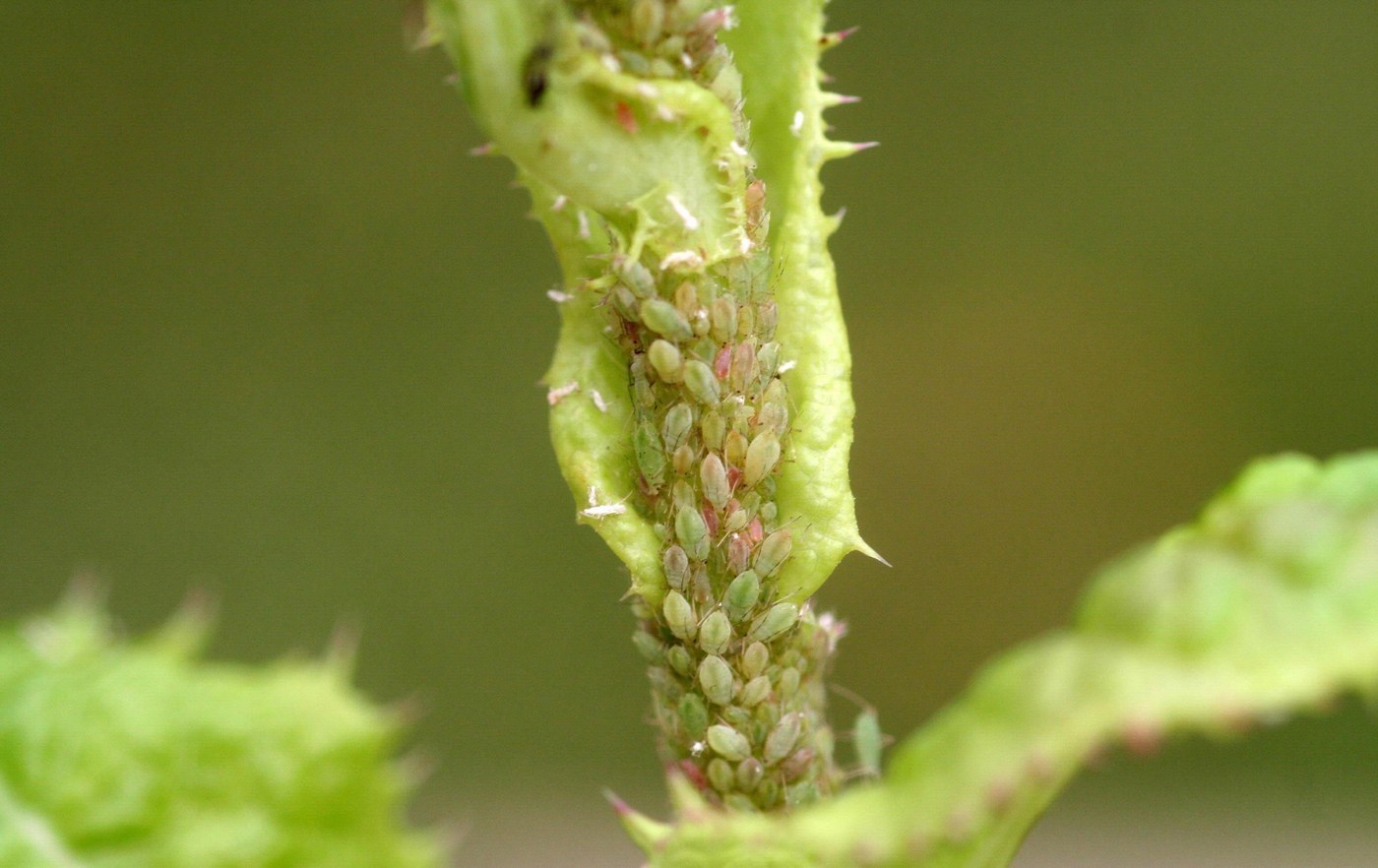
Aphid
On stems, leaves, and buds of a very wide range of host plants
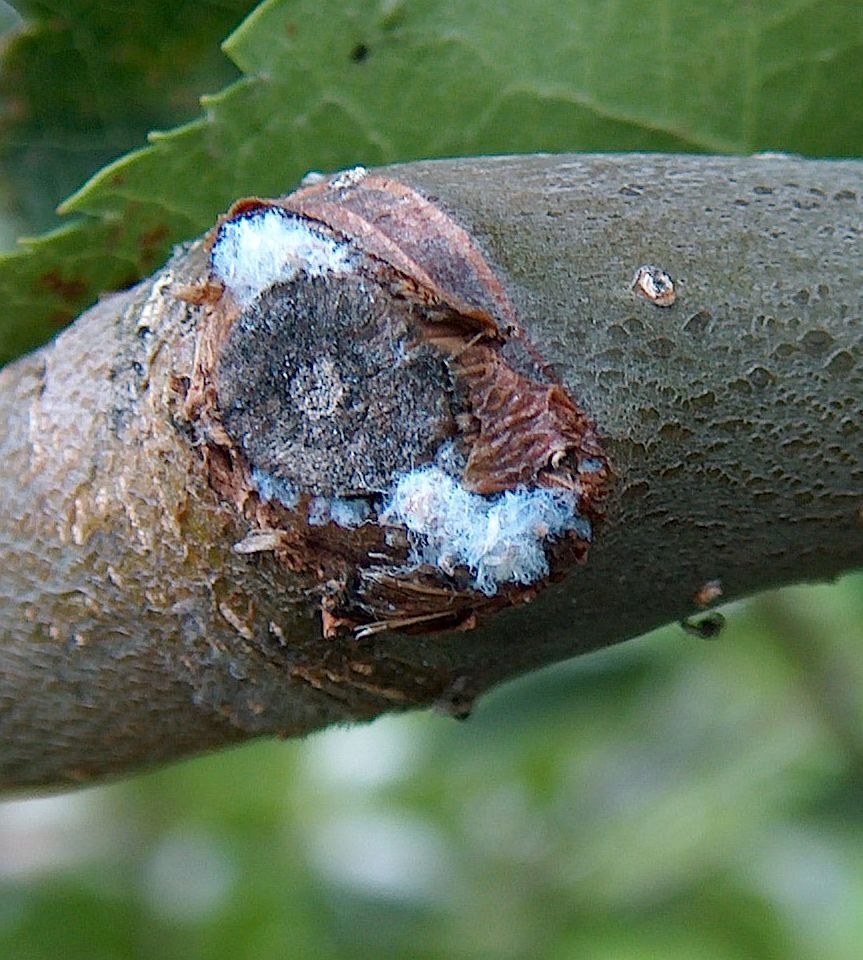
Woolly Aphid
Bark crevices, root collars, and twigs of apple, elm, and alder trees
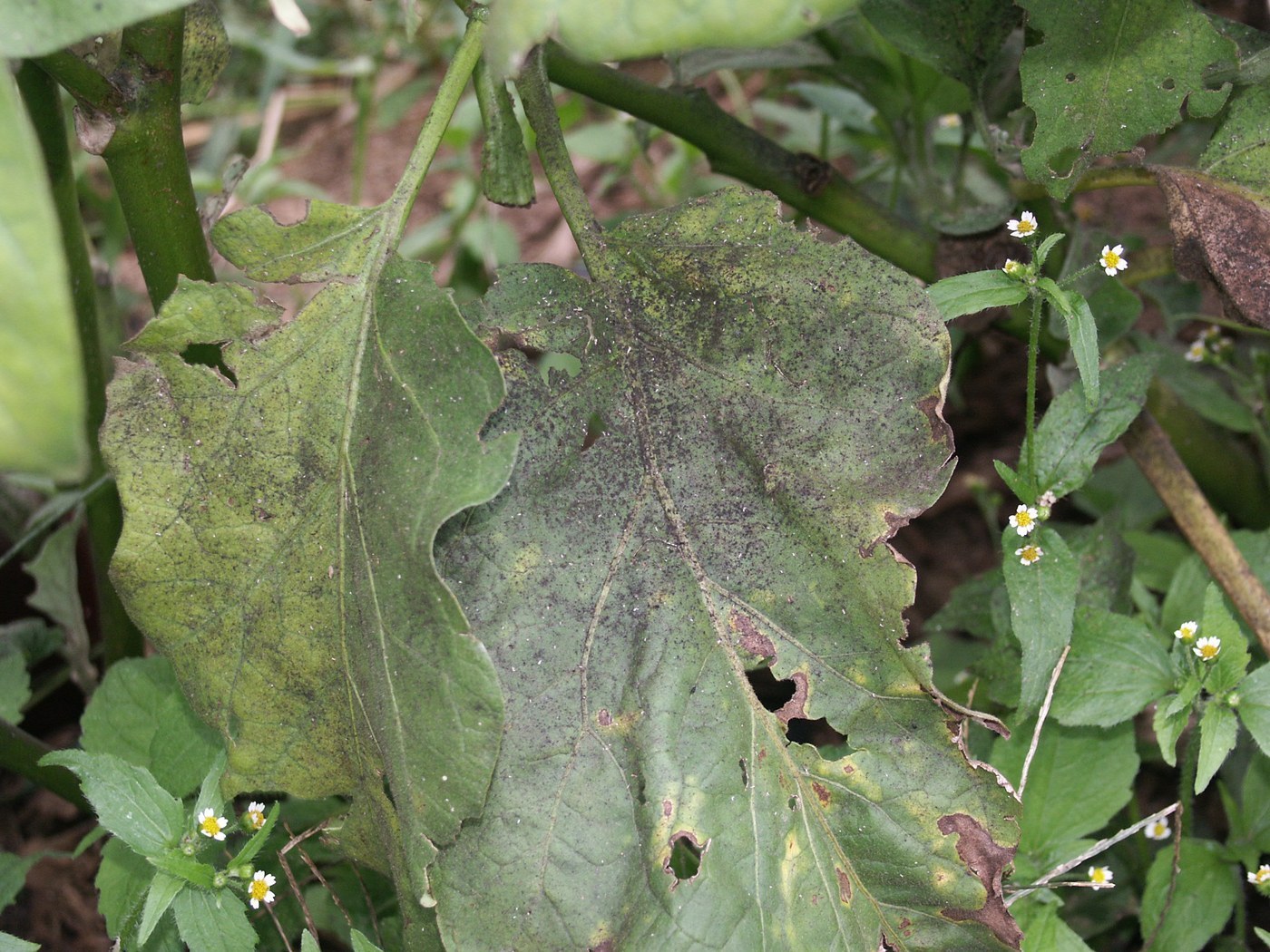
Whitefly
Greenhouses, gardens, and undersides of leaves on host plants
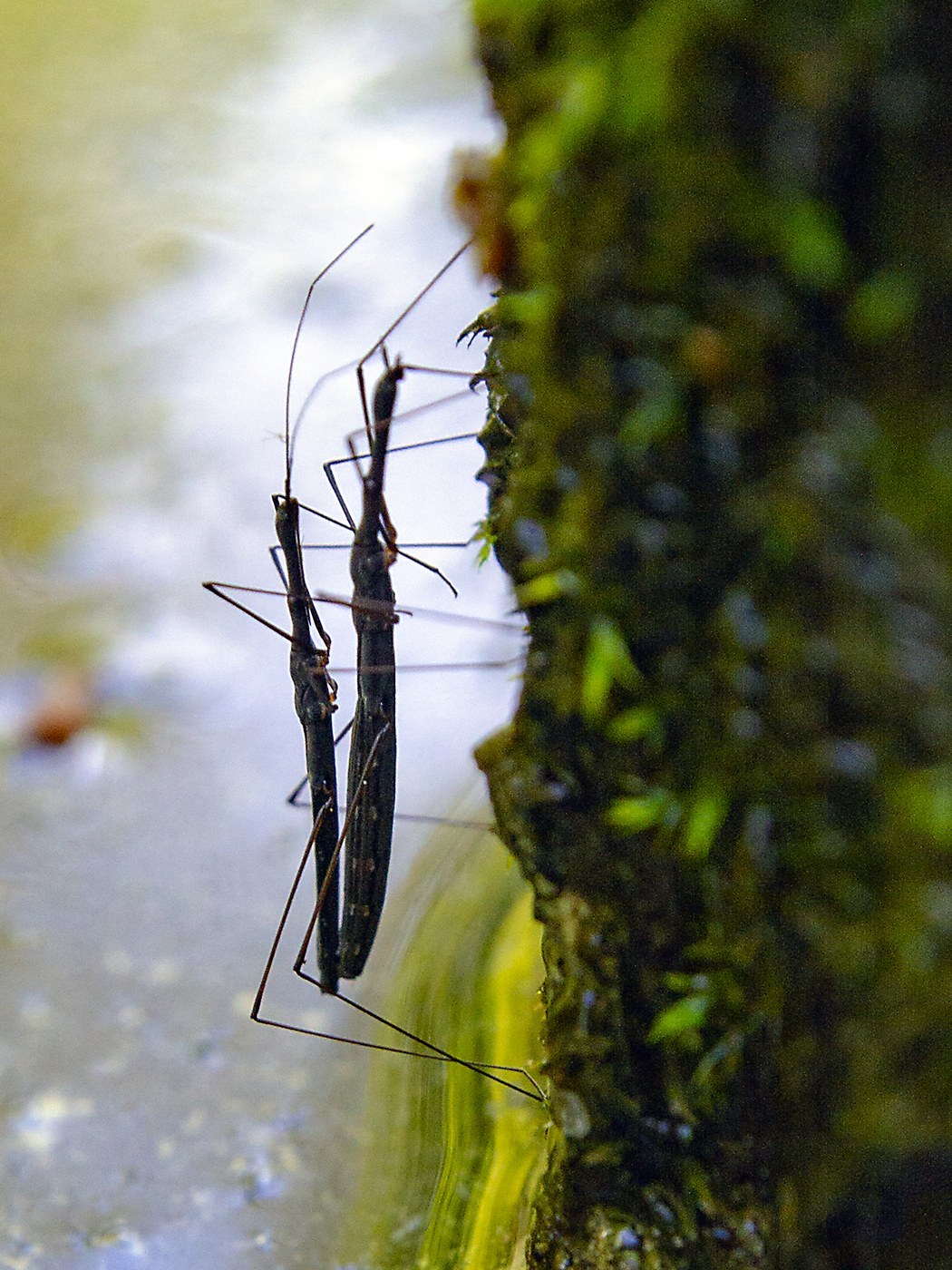
Water Measurer
Quiet edges of ponds, marshes, and slow streams
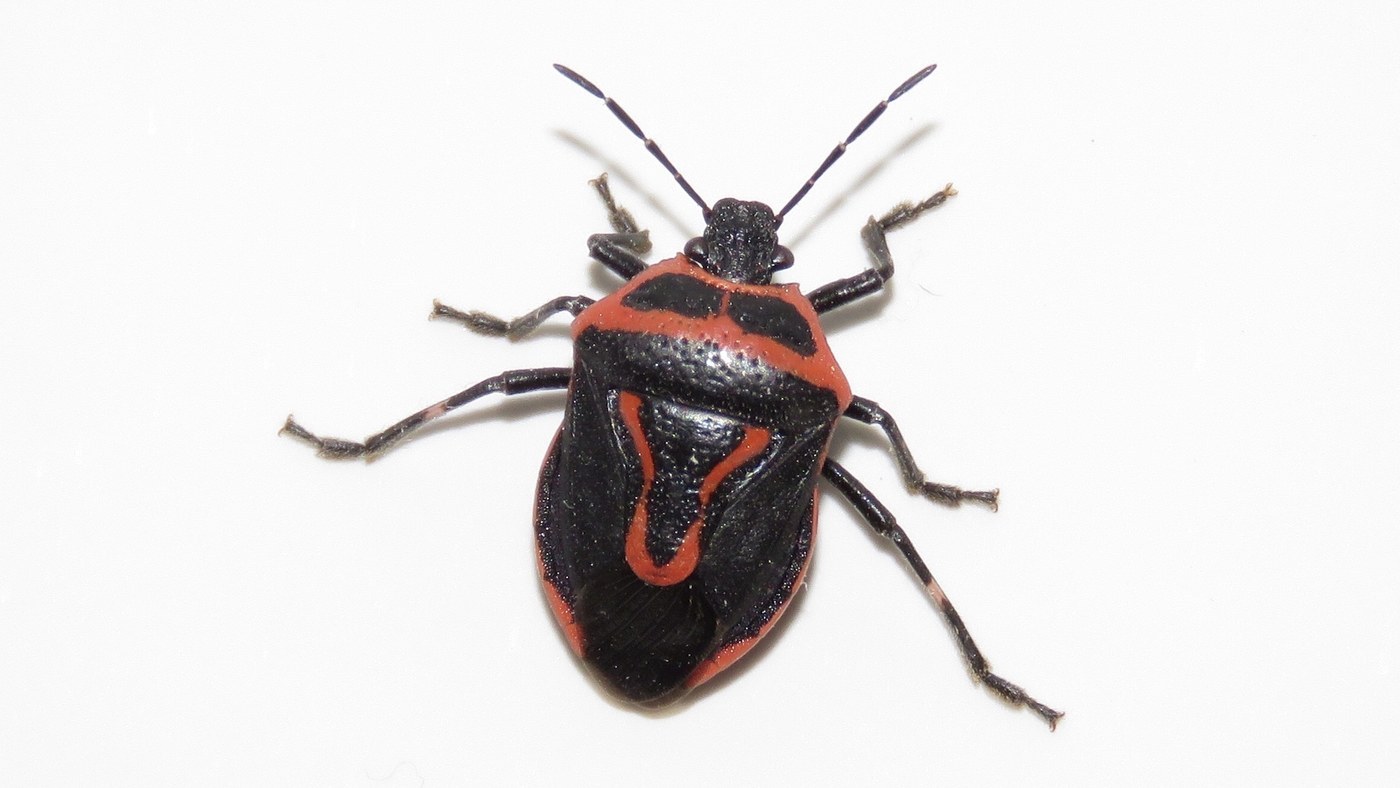
Two-Spotted Stink Bug
Gardens and fields with potato and nightshade-family plants