Woolly Bear Caterpillar Identification Guide
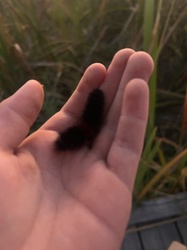
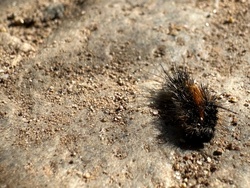
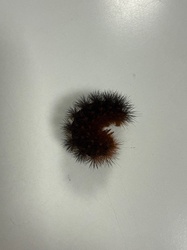
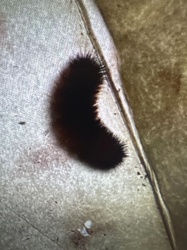
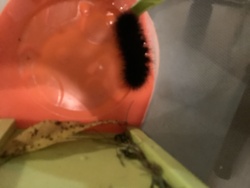
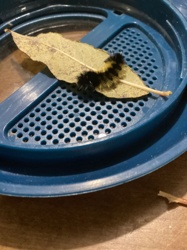
Recognize this fuzzy, banded caterpillar by its dense bristly hairs, black-and-rust coloring, and habit of curling into a ball when touched.
Read the full Woolly Bear Caterpillar encyclopedia entry →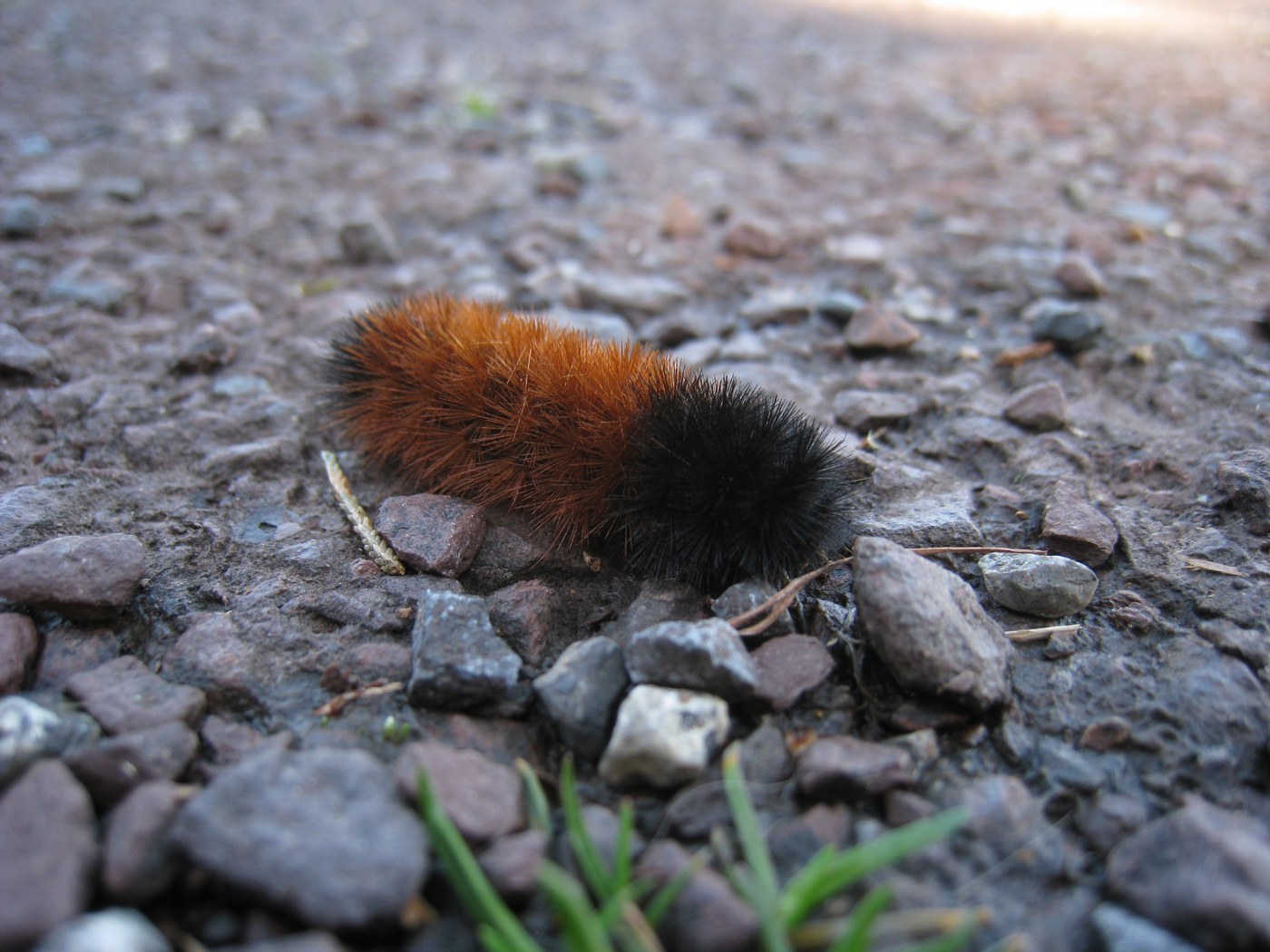
Key Visual Features
The woolly bear caterpillar, larva of the Isabella tiger moth, is one of the most recognizable caterpillars thanks to its dense, bristly fur and bold banding pattern.
- Size: Typically 1.5 to 2.5 inches long when fully grown.
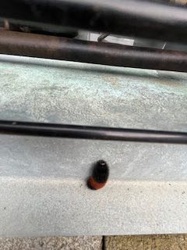
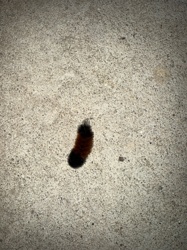
- Color: Classic coloring is a black band at each end of the body with a reddish-brown or rust-colored band in the middle, though the width of each band can vary between individuals and changes as the caterpillar molts and ages.
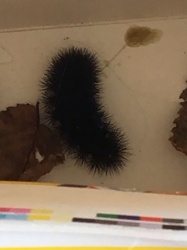
- Body shape: Cylindrical, segmented body covered evenly in short, stiff bristles (setae) of uniform length, giving a fuzzy, "woolly" appearance overall.
- Legs: Six true legs near the front and several pairs of soft prolegs along the rear segments, typical of moth caterpillars, though largely hidden beneath the dense hair.
- Head: Small, black, and shiny, mostly hidden by the surrounding bristles.
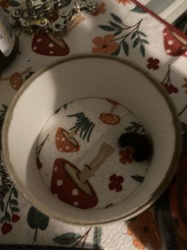
- Behavior: When touched or threatened, it curls tightly into a ball, tucking its head inward — a very characteristic defensive posture.
Where and When You'd See One
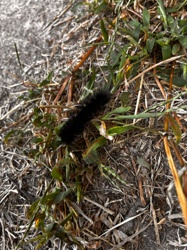
Woolly bears are common across gardens, meadows, roadsides, and woodland edges in temperate North America. They are most frequently seen in fall, from September through October, when mature caterpillars are actively wandering in search of a sheltered spot (such as under bark or leaf litter) to overwinter, though a smaller spring generation can also be seen as they resume activity before pupating. They are diurnal, most easily spotted crossing open paths, roads, and sidewalks on mild, sunny days.
Similar-Looking Bugs
- Other tiger moth caterpillars (e.g., giant leopard moth larva): Often solid black and bristly without the distinct rust-colored middle band, or with longer, more variable hair length.
- Yellow woolly bear (Virginian tiger moth larva): Uniformly pale yellow to orange-tan overall, lacking the black-rust-black banded pattern of the classic woolly bear.
- Hickory tussock moth caterpillar: White-haired with black tufts and longer "pencil" hair tufts at the front and rear, versus the uniform short bristles of a woolly bear.
- Salt marsh moth caterpillar: Similarly fuzzy but usually more uniformly colored (tan, yellow, or dark) without the sharp three-band pattern.
Quick ID Checklist
- Dense, uniform, short bristly hair covering the whole body
- Classic black-rust-black banded pattern (band width varies by individual)
- Cylindrical body, small hidden black head
- Curls into a tight ball when disturbed
- Seen wandering on the ground, especially in fall
Frequently asked questions
What is the most recognizable feature of a woolly bear caterpillar?
Its dense, short, bristly hair combined with the classic banded pattern of black at both ends and rust-brown in the middle makes it one of the easiest caterpillars to recognize at a glance.
Why do I see so many woolly bears crossing sidewalks and roads in fall?
In autumn, mature caterpillars actively wander to find a sheltered spot such as leaf litter or loose bark where they can spend the winter before pupating in spring.
Does the width of the black and rust bands mean anything?
Band width naturally varies between individual caterpillars and changes somewhat as the caterpillar molts through its growth stages, so it reflects normal individual and developmental variation rather than a fixed rule.
How can I tell a woolly bear from a yellow woolly bear?
A classic woolly bear shows the black-rust-black band pattern, while a yellow woolly bear is more uniformly pale yellow to orange-tan across its entire body without that distinct three-band contrast.
Woolly Bear Caterpillar identified by the community
Recent Woolly Bear Caterpillar finds identified with Bug Identifier.