
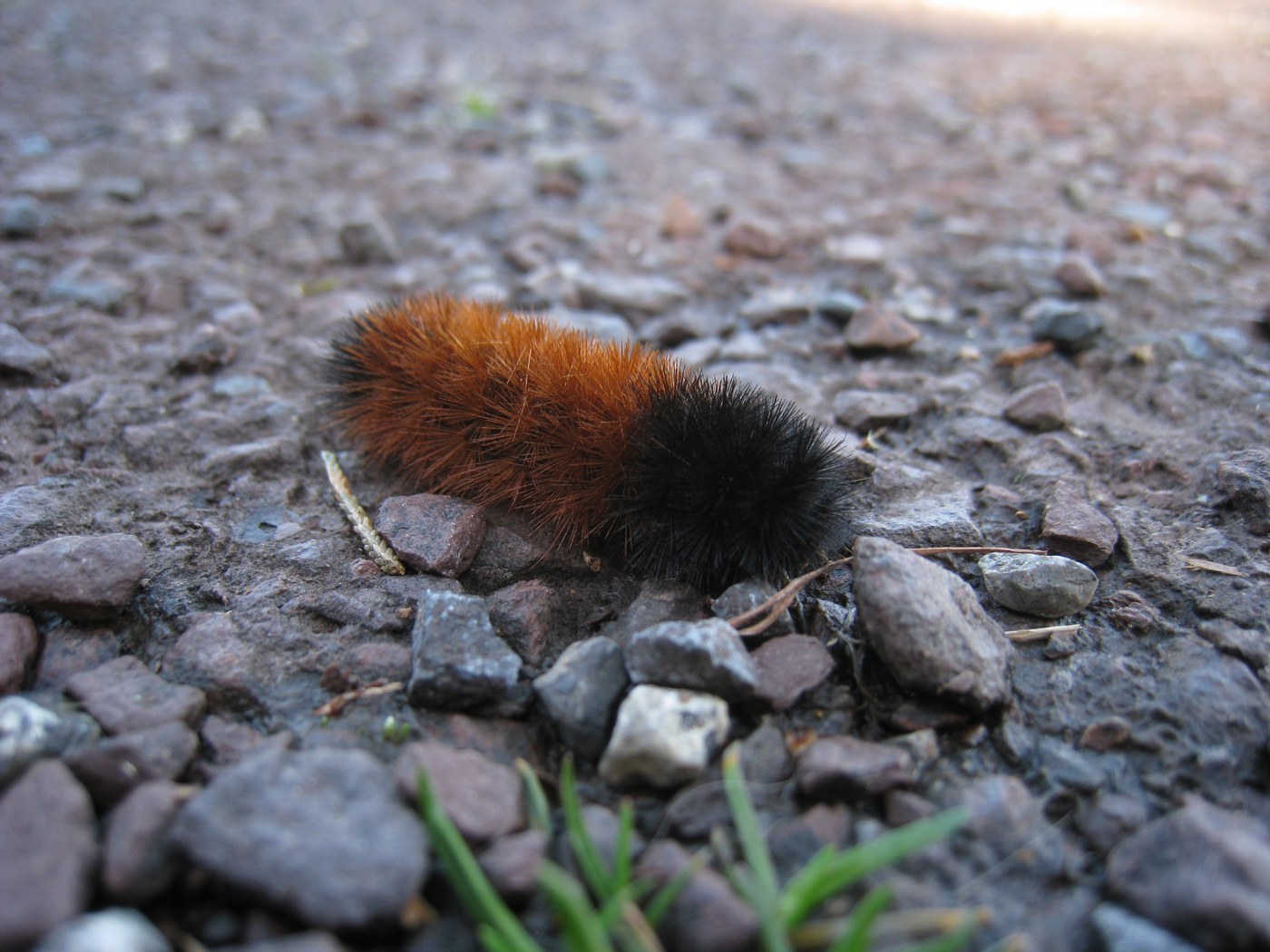
Woolly Bear Caterpillar
Pyrrharctia isabella
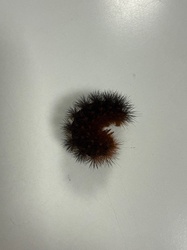
A densely bristled caterpillar banded in black at both ends with a rusty-orange middle section, famous in folklore for supposedly predicting winter severity and for rolling into a tight ball when touched.
- Size
- 35–50 mm
- Habitat
- Gardens, meadows, roadsides, and woodland edges across North America
- Danger
- Harmless
Spotted a bug like this?
Identify any bug or insect from a photo, free.
Overview
The woolly bear caterpillar is the larval stage of the Isabella tiger moth, a member of the tiger moth subfamily (Arctiinae) within the broader moth family Erebidae. It is one of the most recognizable and culturally famous caterpillars in North America, largely thanks to widespread folklore claiming that the relative width of its black and orange bands can forecast how severe the coming winter will be, a belief with no scientific basis but that has nonetheless inspired festivals and folk traditions.
Beyond the folklore, the woolly bear is biologically notable for its cold tolerance: it is one of relatively few caterpillars able to survive being frozen solid during winter by producing natural cryoprotective compounds, allowing it to overwinter as a larva in leaf litter in far northern climates before resuming feeding and eventually pupating in spring.
As a generalist feeder on a wide variety of low-growing plants, the woolly bear plays a modest ecological role as both a herbivore and a food source for various predators, and its transformation into the relatively plain, yellowish-orange Isabella tiger moth marks a striking contrast to its boldly patterned larval stage.
How to Identify
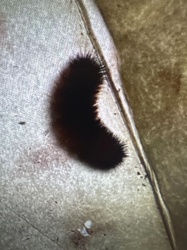
- Densely bristled, cylindrical caterpillar body covered in short, stiff hairs (setae) rather than long fur.
- Classic banding pattern of black at both the head and tail ends with a broad rusty-orange to reddish-brown band in the middle; band proportions vary between individuals and instars.
- Rolls into a tight ball, tucking its head inward, when touched or disturbed.
- Body length roughly 35–50 mm at full growth.
- Lookalikes: other tiger moth caterpillars can have similar bristled, banded appearances, but the woolly bear's specific black-orange-black tricolor pattern is the most distinctive identifying feature.
Habitat & Range
Found throughout much of North America, from Canada south into Mexico, in gardens, meadows, roadsides, and woodland edges wherever its host plants grow. Woolly bears are most commonly seen in autumn as they wander in search of overwintering sites, and again briefly in spring after emerging from winter dormancy to resume feeding.
Behavior & Diet
The caterpillar feeds on a wide range of low-growing herbaceous plants, grasses, and weeds, making it a generalist herbivore rather than tied to one specific host. In autumn, larvae actively wander, often crossing open ground such as roads and sidewalks, in search of sheltered spots such as leaf litter, bark crevices, or under logs to overwinter. When handled or disturbed, it curls into a tight, bristled ball as a defensive posture.
Life Cycle
Development follows complete metamorphosis. Eggs are laid in clusters on host plant foliage in summer; larvae feed through several instars before overwintering as a partly grown caterpillar, frozen and dormant through winter in leaf litter or similar shelter. In spring, the caterpillar resumes feeding briefly, then spins a cocoon incorporating its own bristles and pupates, emerging as the adult Isabella tiger moth to complete one generation per year in most of its range.
Frequently asked questions
Can the band width on a woolly bear really predict winter weather?
This is a well-known piece of folklore without scientific support; band width actually varies with the individual caterpillar's age, diet, and molt stage rather than upcoming weather.
Why does it curl into a ball when touched?
Rolling into a tight, bristle-covered ball is a defensive posture that makes it harder for a predator to grab hold of the caterpillar's soft body.
What does the adult moth look like?
The adult Isabella tiger moth is comparatively plain, with yellowish-orange to tan wings and scattered small black spots, quite different from the bold banding of the caterpillar.
How does a woolly bear survive freezing winters?
It overwinters as a partly grown larva in sheltered leaf litter and produces natural compounds that allow its body to withstand being frozen until it thaws and resumes activity in spring.
Woolly Bear Caterpillar guides
In-depth guides for identifying, understanding, and living alongside Woolly Bear Caterpillar.
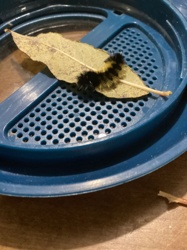
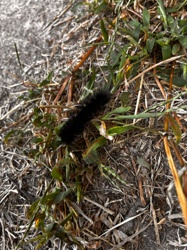
Woolly Bear Caterpillar identified by the community
Real finds identified with Bug Identifier.
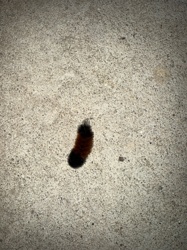
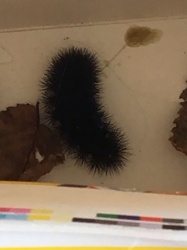
Other bugs you may enjoy
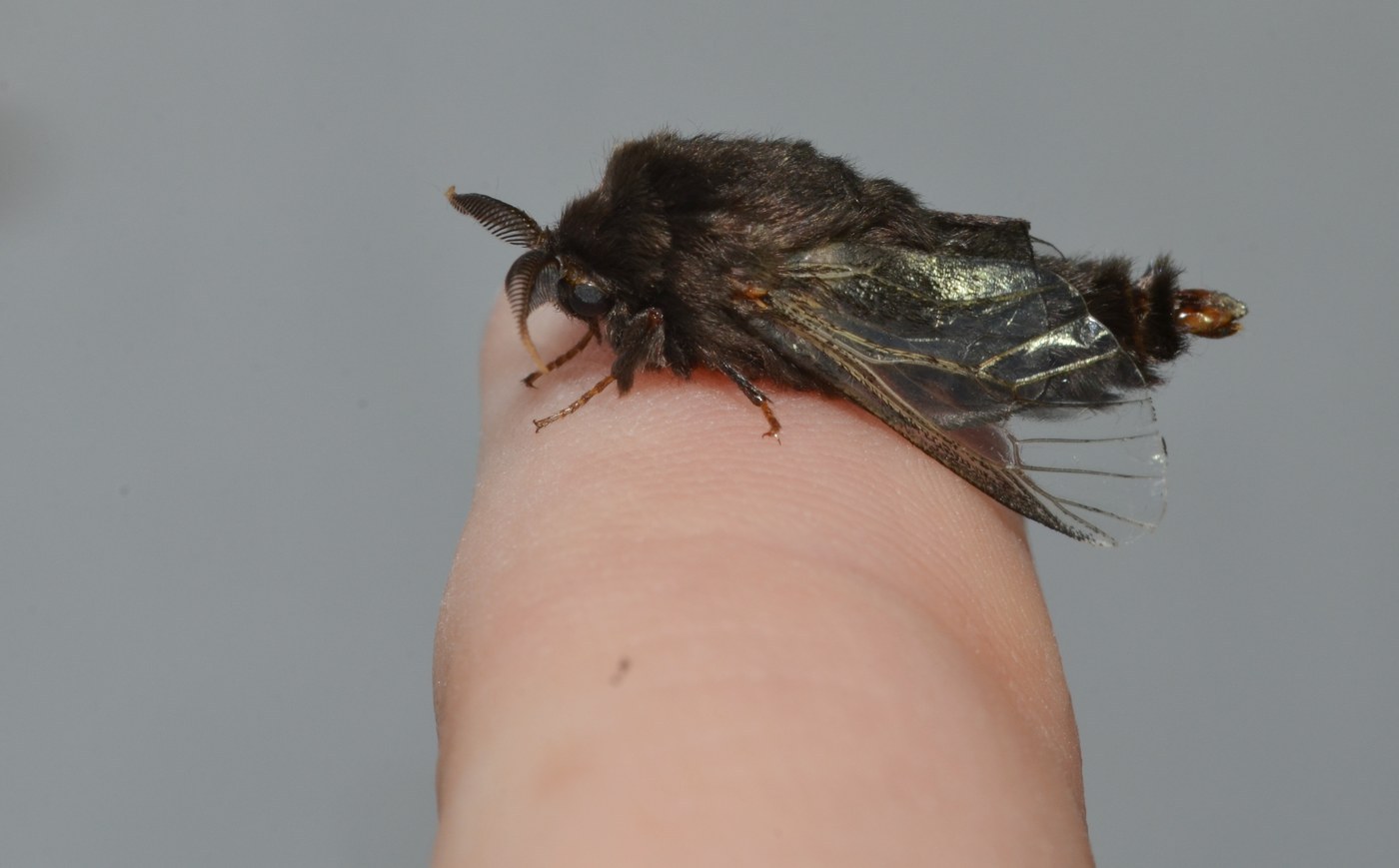
Bagworm
Trees and shrubs, especially conifers and ornamental landscaping
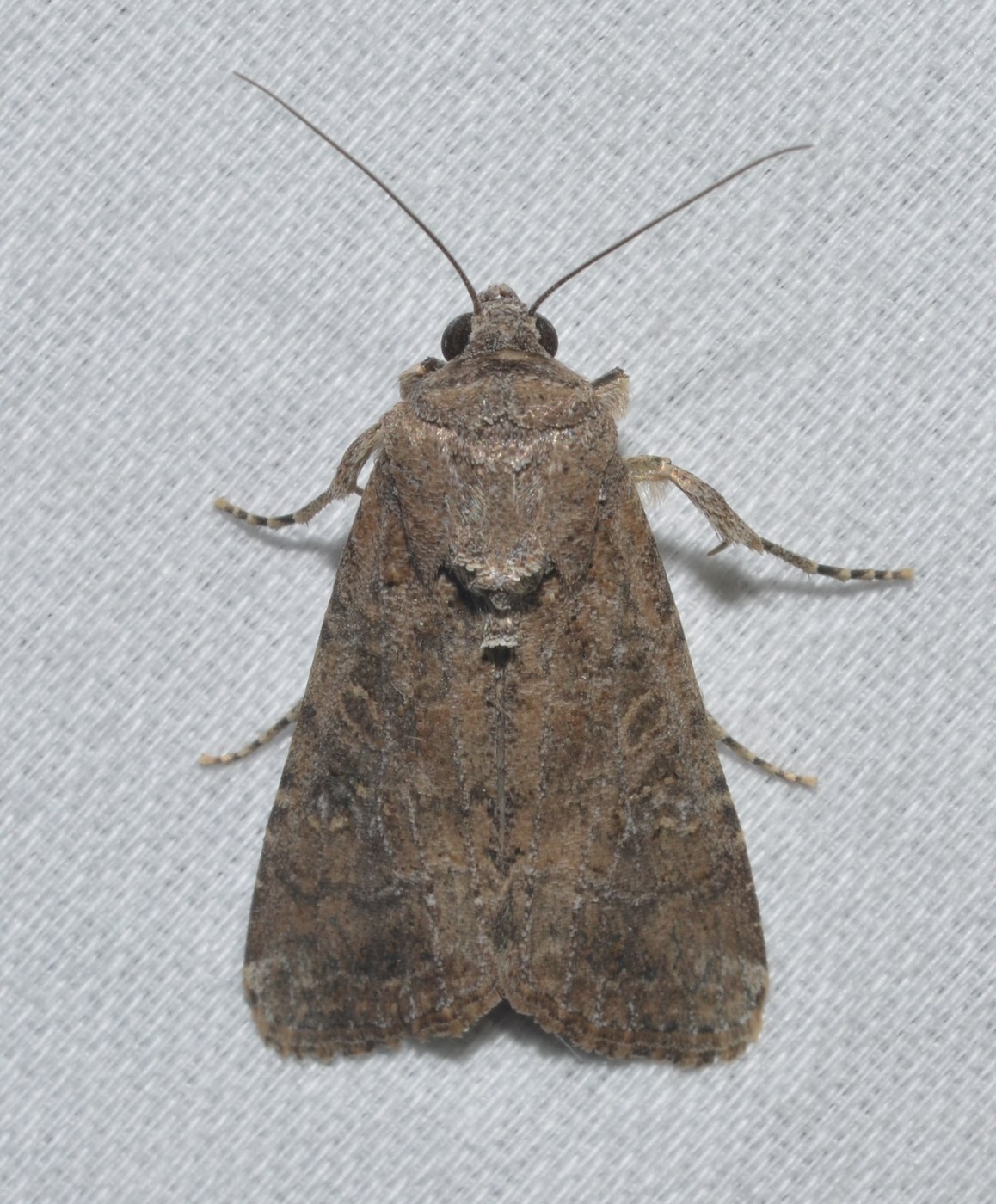
Armyworm
grasslands, pastures, and cereal crop fields
Zebra Longwing Caterpillar
Tropical and subtropical hammocks with passionflower vines
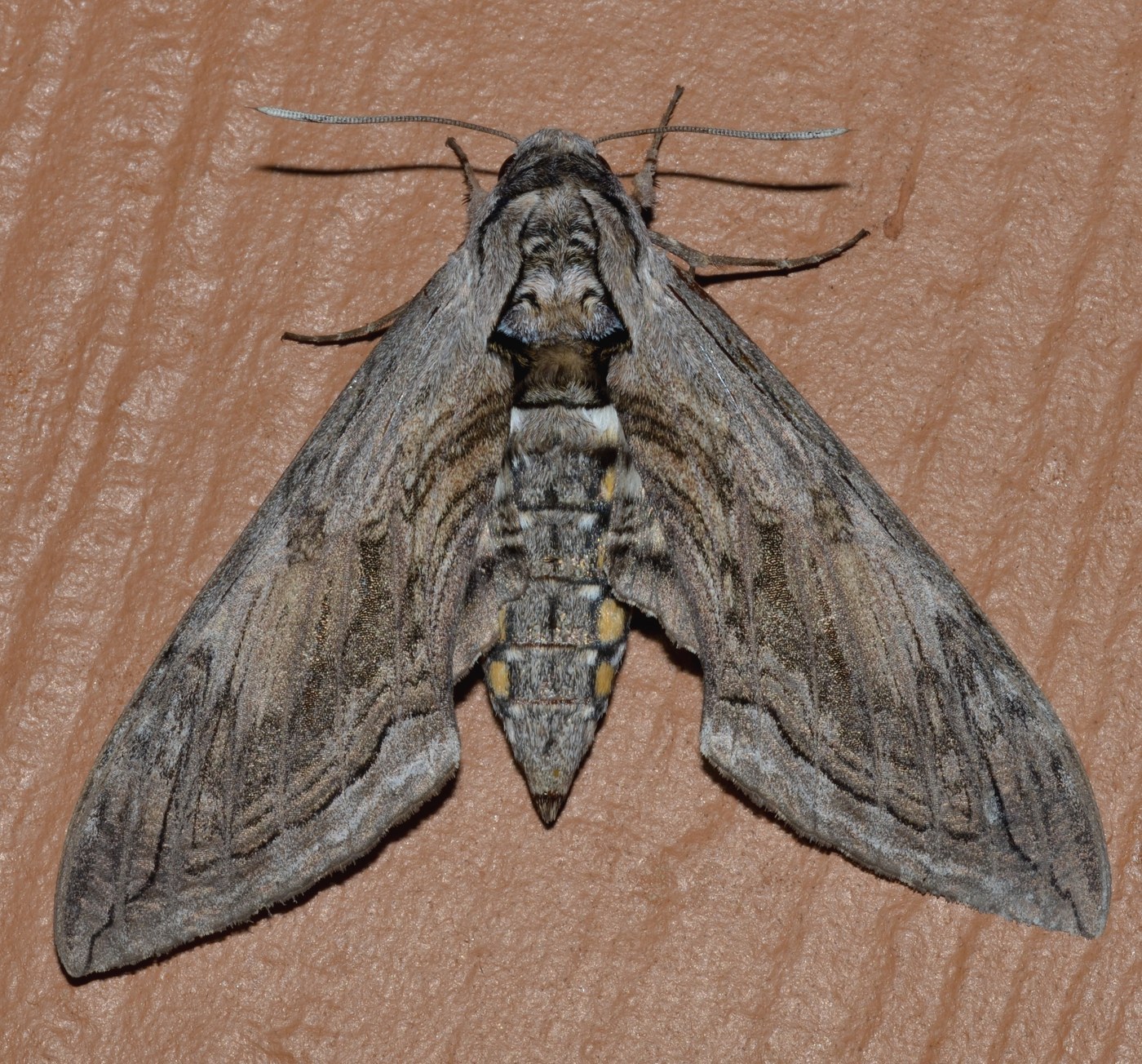
Tomato Hornworm
Gardens and fields with tomato, pepper, and other nightshade plants
Tent Caterpillar
Deciduous trees such as cherry, apple, and other rosaceous species
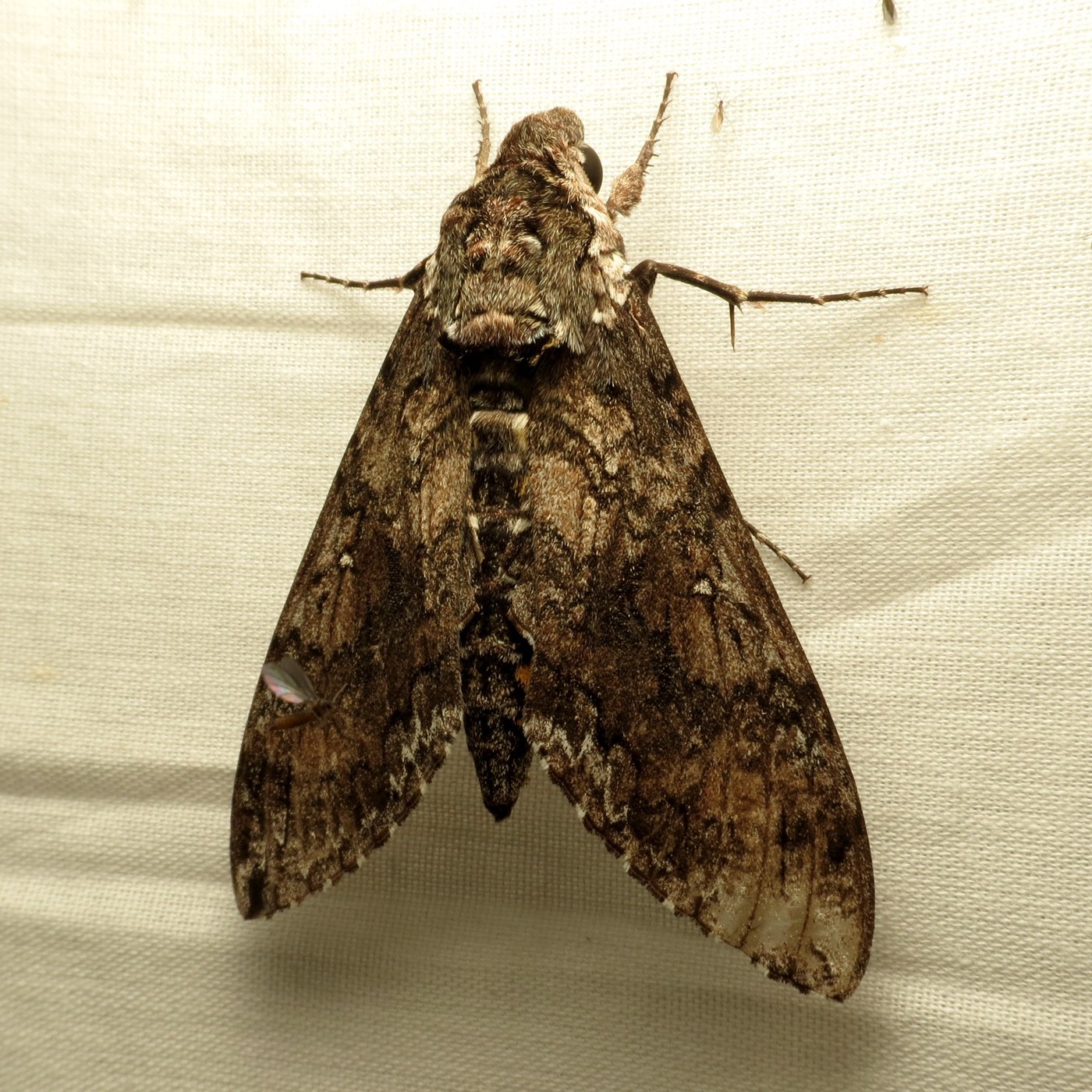
Tobacco Hornworm
tobacco, tomato, and pepper plants in gardens and fields
Sod Webworm
Turfgrass lawns, golf courses, pastures
Spiny Oak-slug Caterpillar
Deciduous forests and woodland edges with oak and other hardwoods
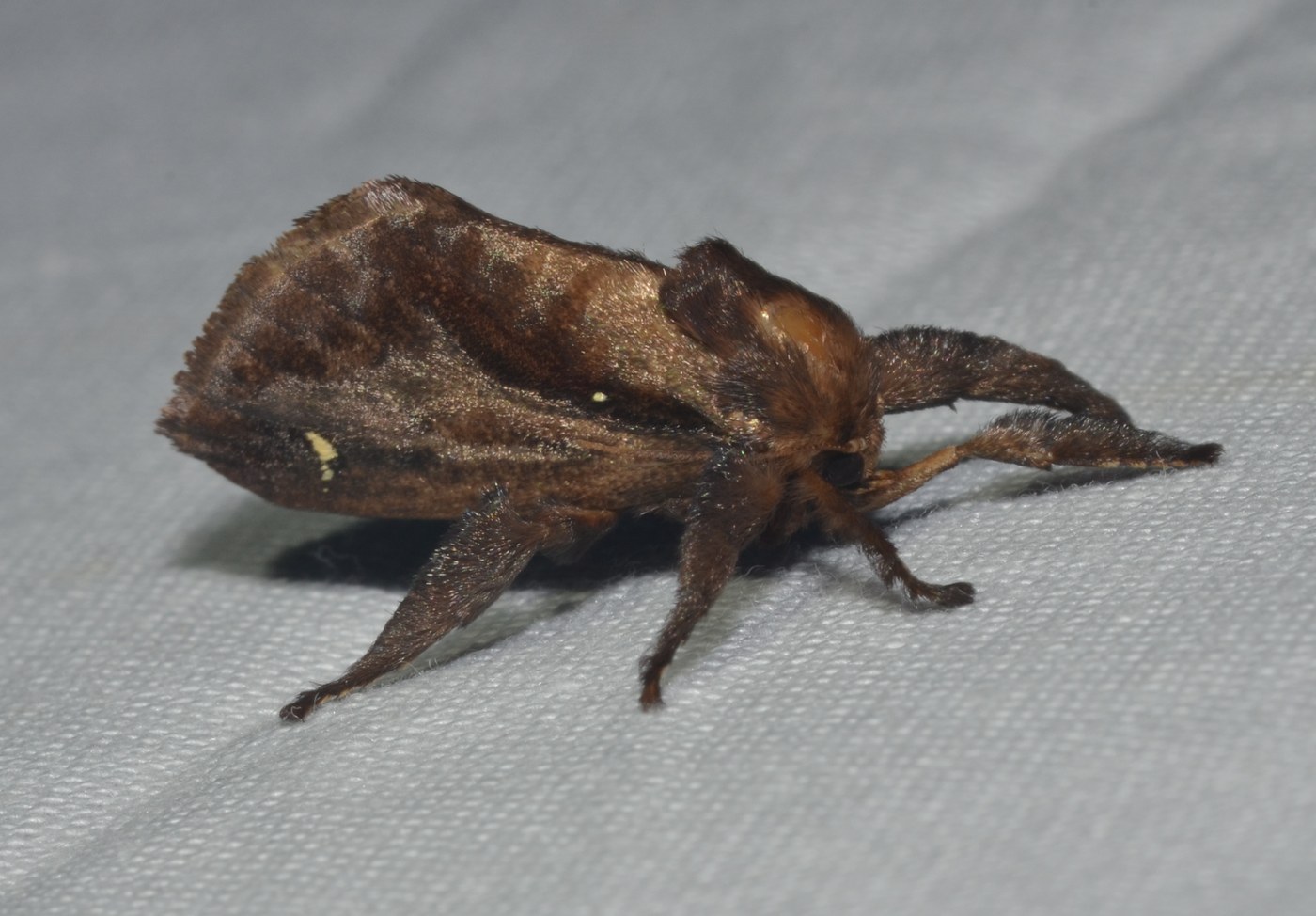
Saddleback Caterpillar
Deciduous trees and shrubs in eastern and southern North America
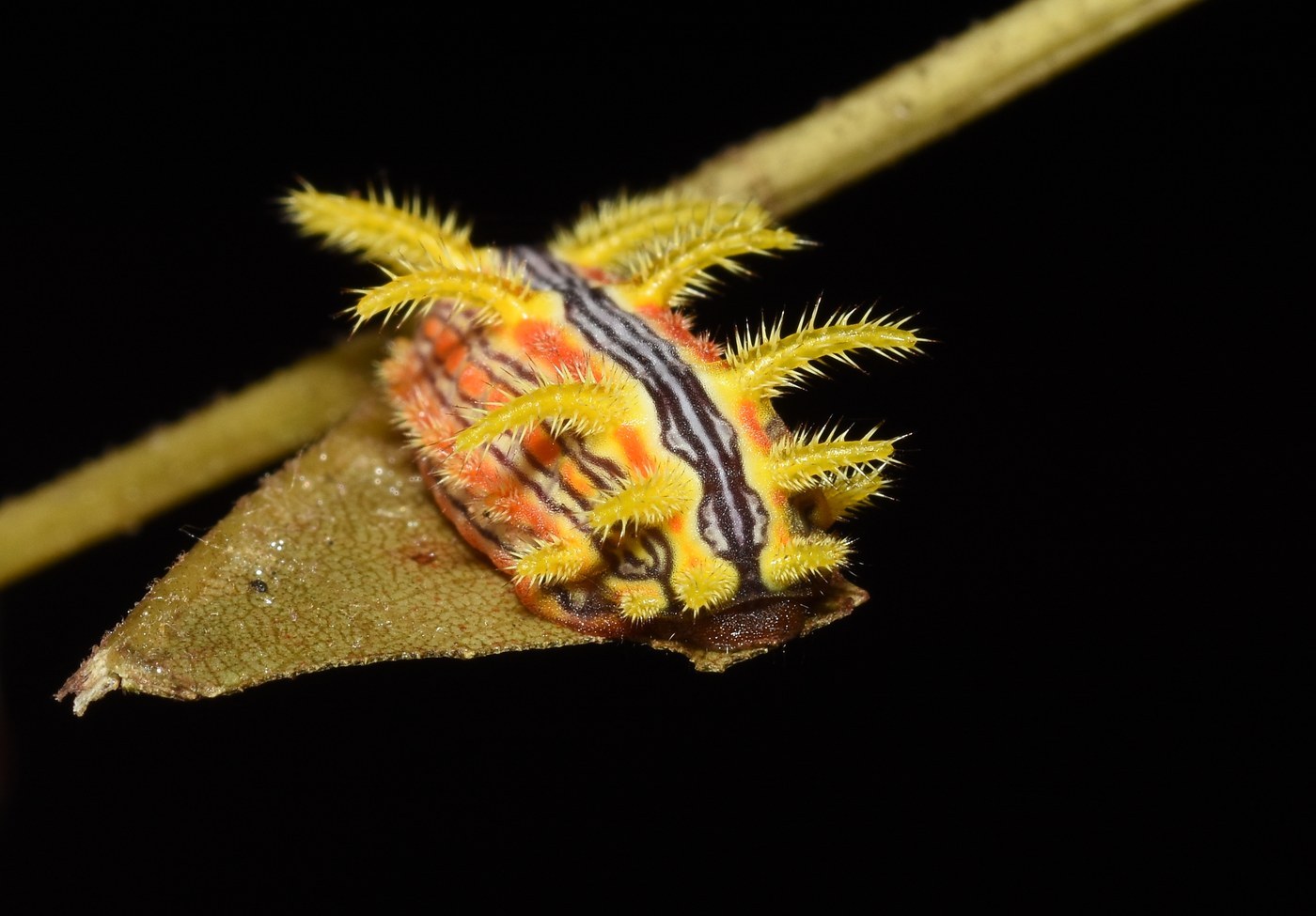
Stinging Rose Caterpillar
Gardens and woodlands with rose, dogwood, or oak
Silkworm
Reared exclusively in captivity on mulberry leaves; no independent wild population
Spicebush Swallowtail Caterpillar
Woodlands and thickets with spicebush or sassafras