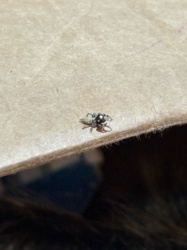
Zebra Jumping Spider Identification Guide
A tiny black-and-white striped jumper commonly seen darting across walls and windowsills in sunny weather.
Read the full Zebra Jumping Spider encyclopedia entry →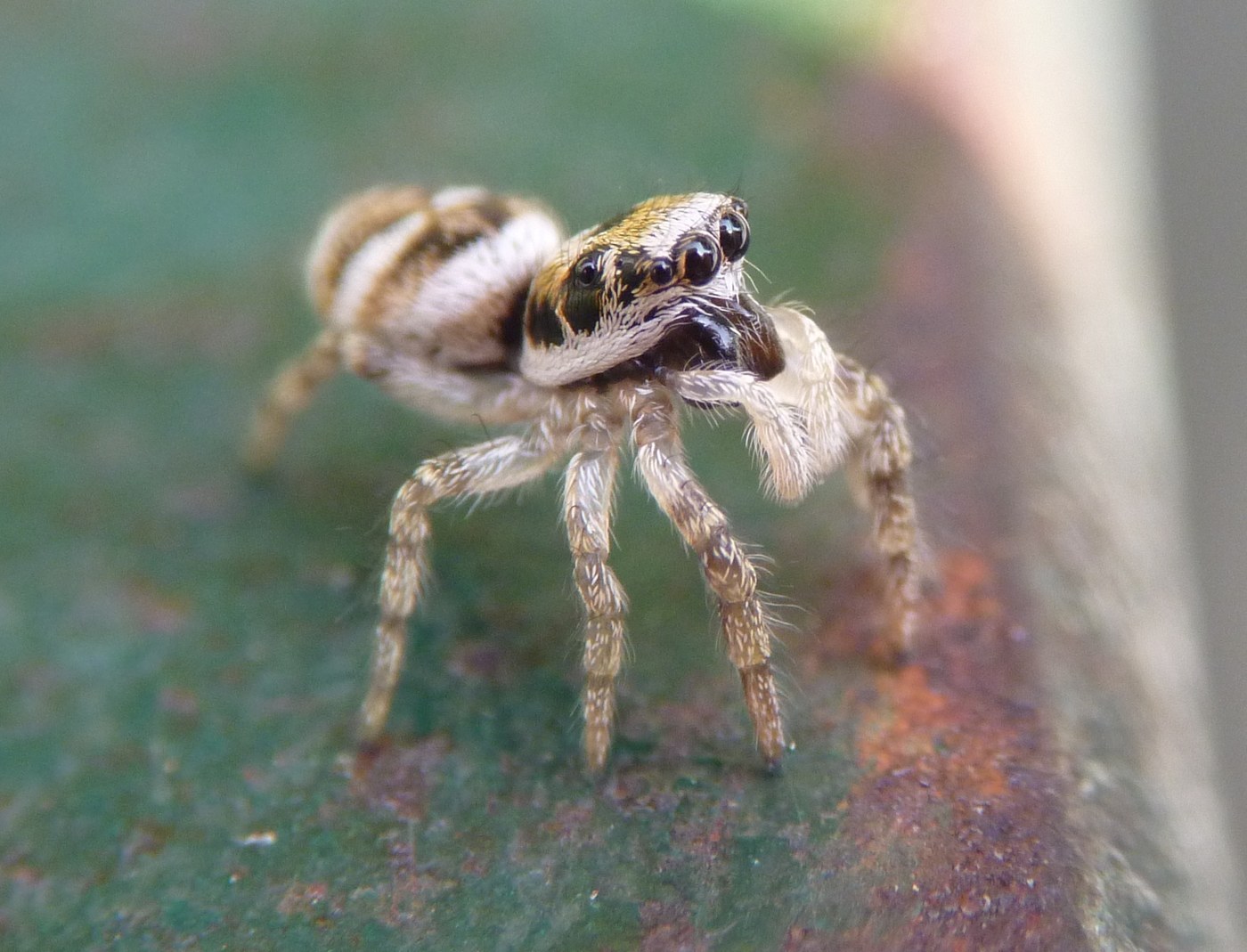
Key Visual Features
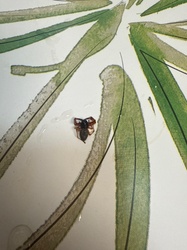
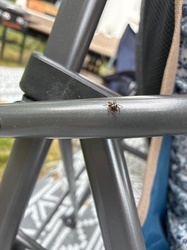
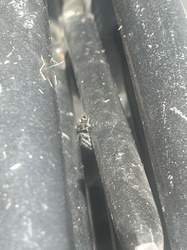
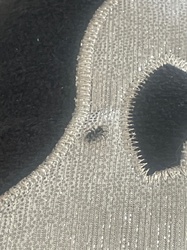
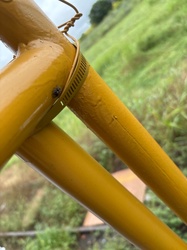
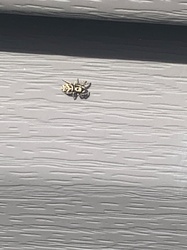
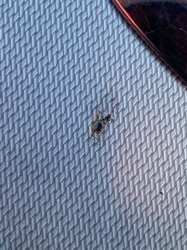
The zebra jumping spider (Salticus scenicus) is a small, boldly striped jumping spider often spotted on walls and fences in urban and suburban settings.
- Size: Very small, with a body length of about 0.2–0.3 inches (5–9 mm).
- Color: Black or dark brown body with distinct white or cream stripes and bands, especially across the abdomen and legs, creating a zebra-like striped pattern.
- Body shape: Compact, slightly flattened body typical of jumping spiders, with a short abdomen and stout cephalothorax.
- Eyes: Eight eyes total, with two large, forward-facing central eyes that stand out prominently on the face — a signature jumping spider trait.
- Legs: Relatively short and banded in alternating light and dark segments, matching the striped body pattern.
- Movement: Quick, jerky movements combined with sudden short jumps rather than continuous running.
Where and When You'd See It
Zebra jumping spiders are extremely common around human structures — sunny exterior walls, fences, window frames, rock piles, and tree bark. They thrive in temperate regions across the Northern Hemisphere, including much of North America and Europe. Being diurnal, they are most active on warm, sunny days, often seen basking on vertical surfaces or hopping short distances while hunting small insects. They are rarely seen at night or in shaded, damp areas.
Similar-Looking Species
- Bold jumping spider: Much larger and solid black with a bold white/orange abdominal patch rather than fine stripes.
- Gray wall jumping spider: Similar habitat and size but shows more mottled gray-brown coloring instead of crisp black-and-white bands.
- Other Salticus species: Nearly identical in pattern; often only distinguishable by subtle differences in stripe width or geographic range.
- Small ground spiders: Lack the oversized front eyes and jumping behavior that define true jumping spiders.
Quick ID Checklist
- Very small size, under half an inch
- Bold black-and-white striped pattern on body and legs
- Two large forward-facing eyes typical of jumping spiders
- Quick, hopping movement on sunny walls, fences, or window frames
- Active during the day, especially in warm weather
Frequently asked questions
What is the easiest way to recognize a zebra jumping spider?
Its small size combined with crisp black-and-white striping and quick hopping movements on sunny walls makes it one of the easiest jumping spiders to identify at a glance.
Are zebra jumping spiders found indoors?
They are primarily found on exterior surfaces like walls and window frames, though they can occasionally wander indoors near sunny windows.
How do I tell a zebra jumping spider from a bold jumping spider?
Size and pattern are the giveaways — the zebra jumping spider is much smaller with fine stripes throughout, while the bold jumping spider is larger and mostly solid black with one bold pale patch.
Do zebra jumping spiders build webs?
No, like other jumping spiders they hunt by sight and pounce on prey; silk is used only for safety lines and small shelters, not for catching food.
Zebra Jumping Spider identified by the community
Recent Zebra Jumping Spider finds identified with Bug Identifier.