
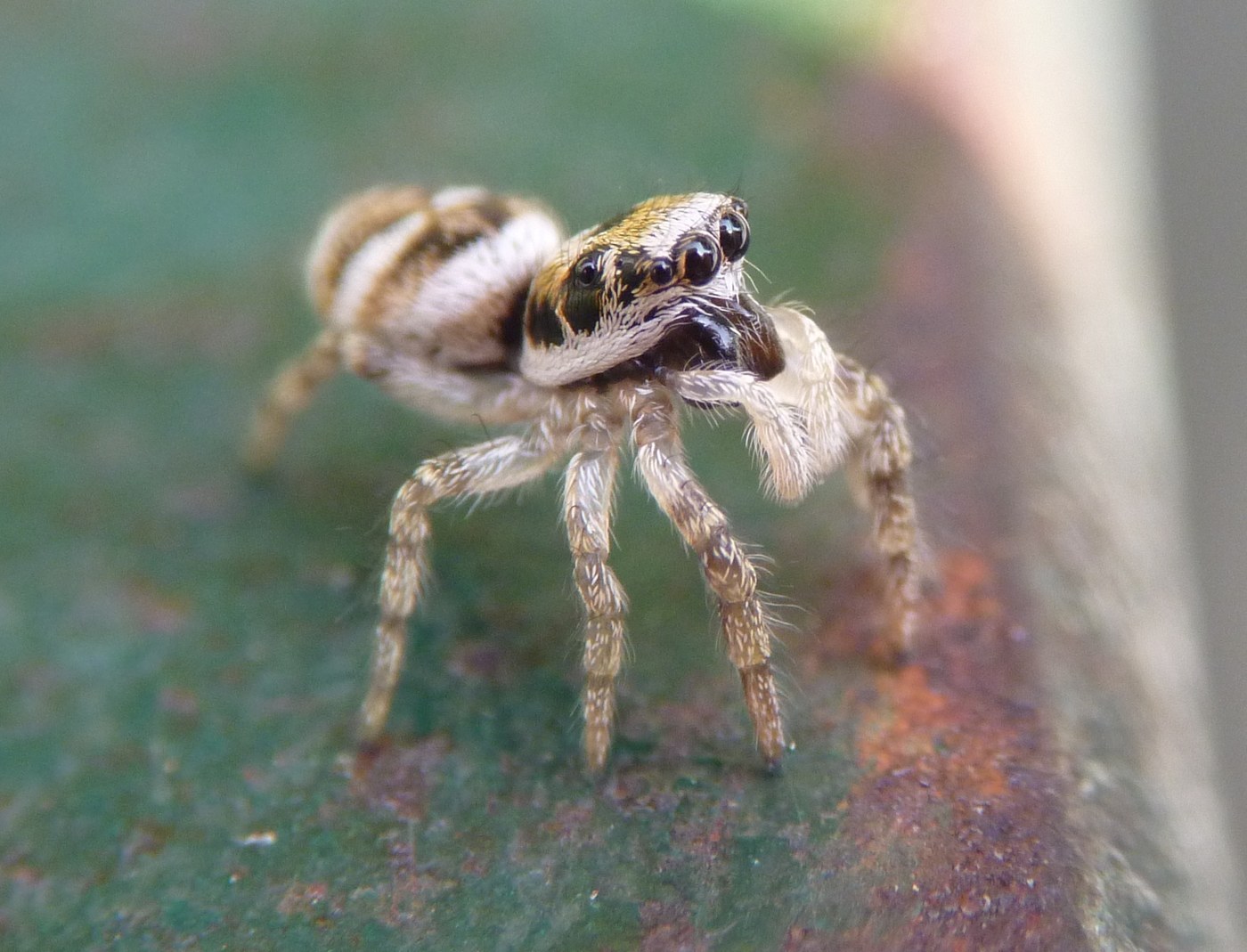
Zebra Jumping Spider
Salticus scenicus
A compact black-and-white striped jumping spider that stalks prey in short, precise leaps across sun-warmed walls and fences.
- Size
- 5-9 mm body length
- Habitat
- Sunny walls, fences, tree bark, and building exteriors
- Danger
- Bites
Spotted a bug like this?
Identify any bug or insect from a photo, free.
Overview
The zebra jumping spider is one of the most familiar and widespread members of the jumper family (Salticidae), instantly recognizable by its bold black-and-white banding and its habit of perching in plain sight on vertical surfaces. Unlike web-building spiders, it relies on sharp eyesight and an explosive pounce to capture prey, making it a common sight on house exteriors, garden walls, and fence posts.
This species has an especially broad distribution, occurring naturally across Europe and much of temperate Asia and having been introduced to North America, where it now thrives in urban and suburban settings. Its tolerance of human-altered environments, combined with its calm demeanor and curious, almost inquisitive behavior toward observers, has made it one of the best-studied jumping spiders in behavioral research.
Zebra jumping spiders are diurnal hunters that depend on bright light and warmth, so they are most active on sunny days and retreat into silk-lined crevices during cool or wet weather.
How to Identify
- Compact, robust body with a squarish, iridescent-flecked black carapace marked by bold white stripes and spots across the abdomen
- Four pairs of eyes arranged in three rows, with a very large forward-facing pair giving a distinctive front-heavy, "headlight" appearance
- Short, stout legs banded in black and white, built for jumping rather than fast running
- Males have noticeably larger, forward-projecting chelicerae (jaws) than females
- Lookalikes include other small Salticus and Sitticus species, which lack the crisp, zigzag white banding pattern
Habitat & Range
Zebra jumping spiders favor sun-exposed vertical surfaces such as brick and stone walls, wooden fences, tree trunks, and window sills, often in urban and suburban areas close to human dwellings. They are native to Europe and temperate Asia and have become established in parts of North America. Activity peaks in warm, sunny weather from spring through early autumn, with adults most visible in summer.
Behavior & Diet
This species hunts by sight, creeping slowly toward prey before covering the final distance with a sudden jump, anchored by a silk dragline played out as a safety line. Diet consists of small flies, aphids, and other tiny invertebrates encountered on foraging surfaces. Zebra jumping spiders are solitary and non-aggressive, often turning to face and "watch" a nearby observer with their large principal eyes, a behavior that reflects their acute vision rather than any threat display. They shelter overnight and in poor weather inside small silken retreats tucked into cracks or under debris.
Life Cycle
Females lay small clutches of eggs inside a silk sac hidden in a wall crevice or similar shelter and guard them until spiderlings emerge. Young spiders resemble miniature adults and undergo a series of molts, gradually developing the full black-and-white pattern and reproductive maturity over several months. Most populations complete one generation per year, with adults active through summer and juveniles or eggs overwintering in sheltered retreats.
Frequently asked questions
Does the zebra jumping spider bite?
It can bite in defense if handled, but it is a small, shy spider that usually leaps away from disturbance rather than standing its ground.
Why does it seem to watch me?
Its large forward-facing eyes give it excellent vision, and it often turns to track movement, which can look like curious watching.
Where do zebra jumping spiders live?
They favor sunny walls, fences, and tree bark, often close to homes and other buildings in Europe, Asia, and introduced range in North America.
How do zebra jumping spiders catch prey?
They stalk small insects visually and capture them with a sudden jump rather than spinning a web.
Zebra Jumping Spider guides
In-depth guides for identifying, understanding, and living alongside Zebra Jumping Spider.
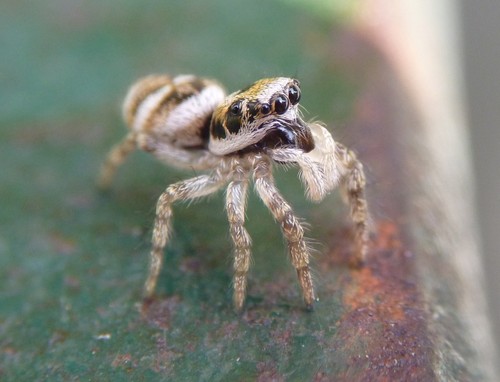
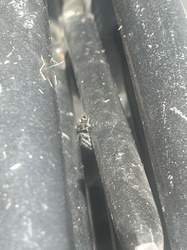
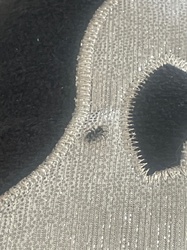
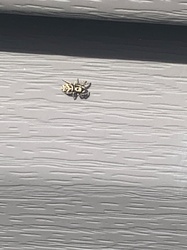
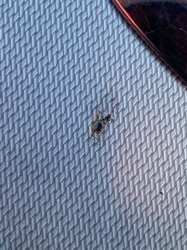
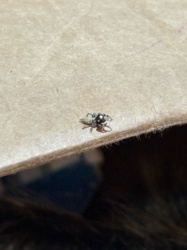
Zebra Jumping Spider identified by the community
Real finds identified with Bug Identifier.

Other bugs you may enjoy
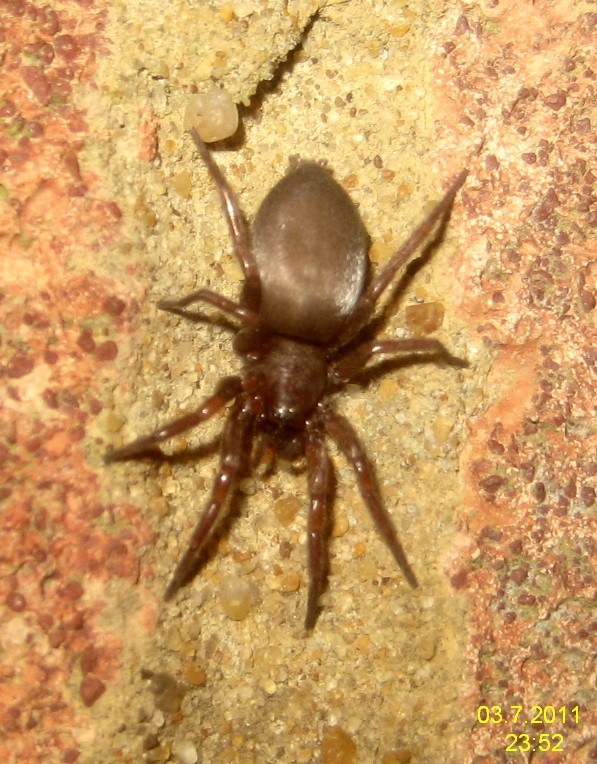
Woodlouse Spider
Damp leaf litter, under logs, stones, and mulch
Wolf Spider
Gardens, grasslands, forests, leaf litter, ground burrows
Wandering Spider
Tropical and subtropical forest floor, foliage, and banana plants
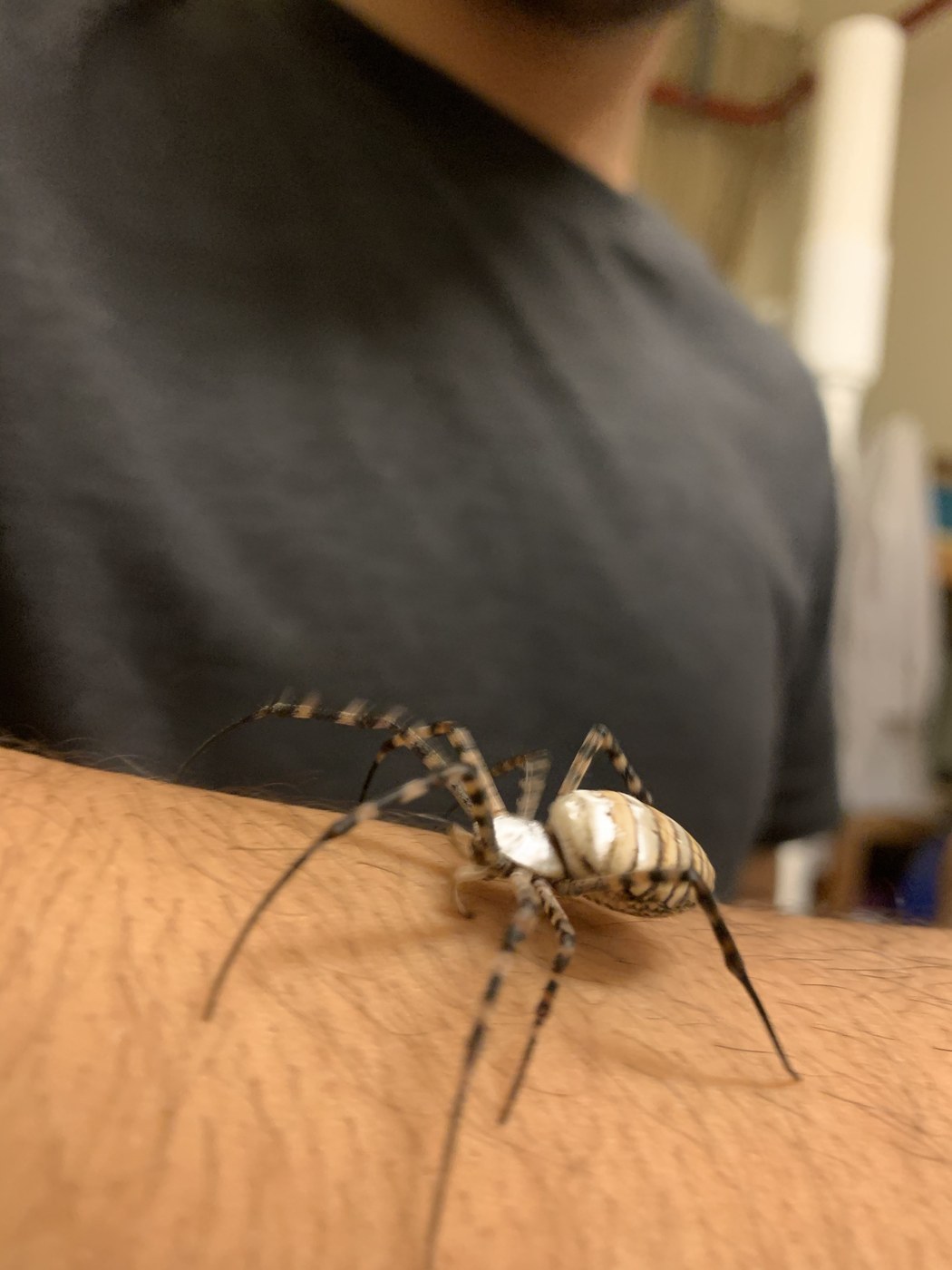
Banded Garden Spider
Tall grass, meadows, and gardens with open sunny vegetation
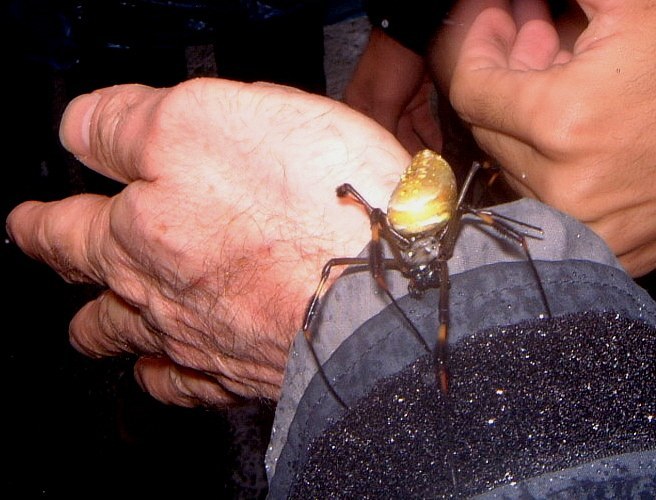
Banana Spider
Wooded trails, forest edges, and gardens across the southeastern U.S. and the American tropics
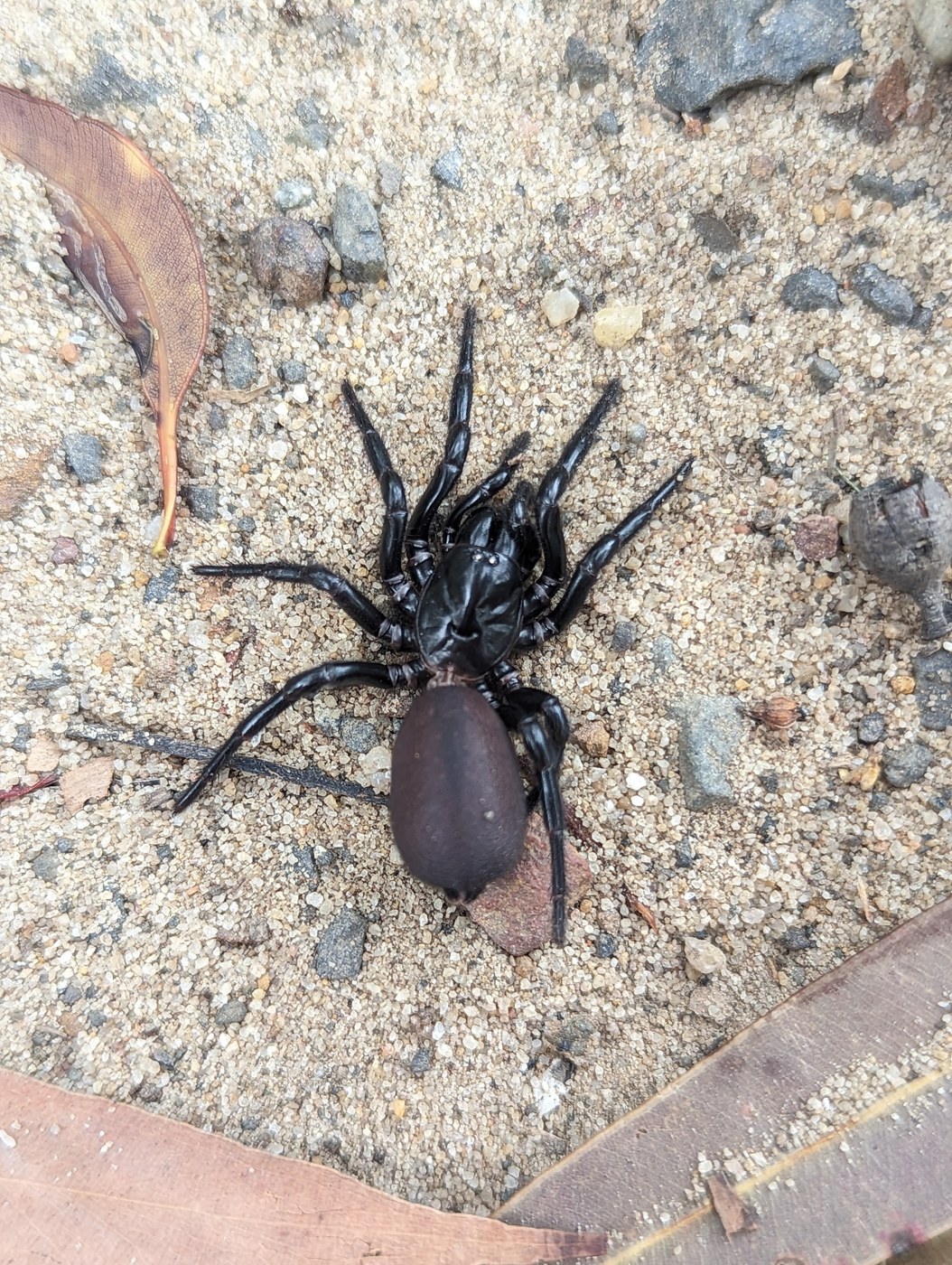
Sydney Funnel-web Spider
Burrows in moist soil, gardens, and forested gullies around the Sydney basin of eastern Australia
Trapdoor Spider
Self-dug silk-lined burrows with a camouflaged door, in dry, well-drained soil worldwide
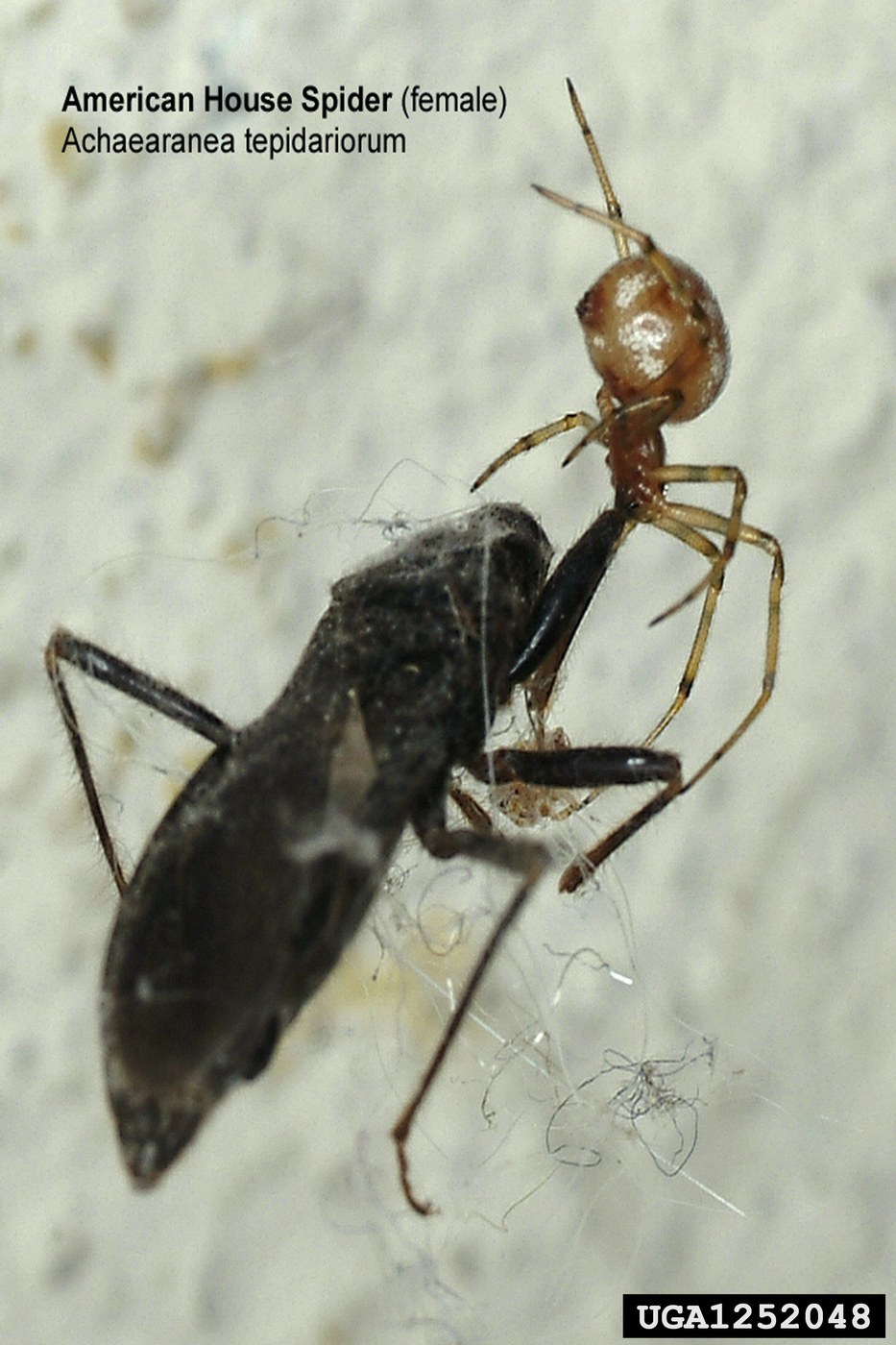
American House Spider
Corners, basements, garages, and outbuildings worldwide
Tube Web Spider
Wall crevices, bark, rockeries, and masonry
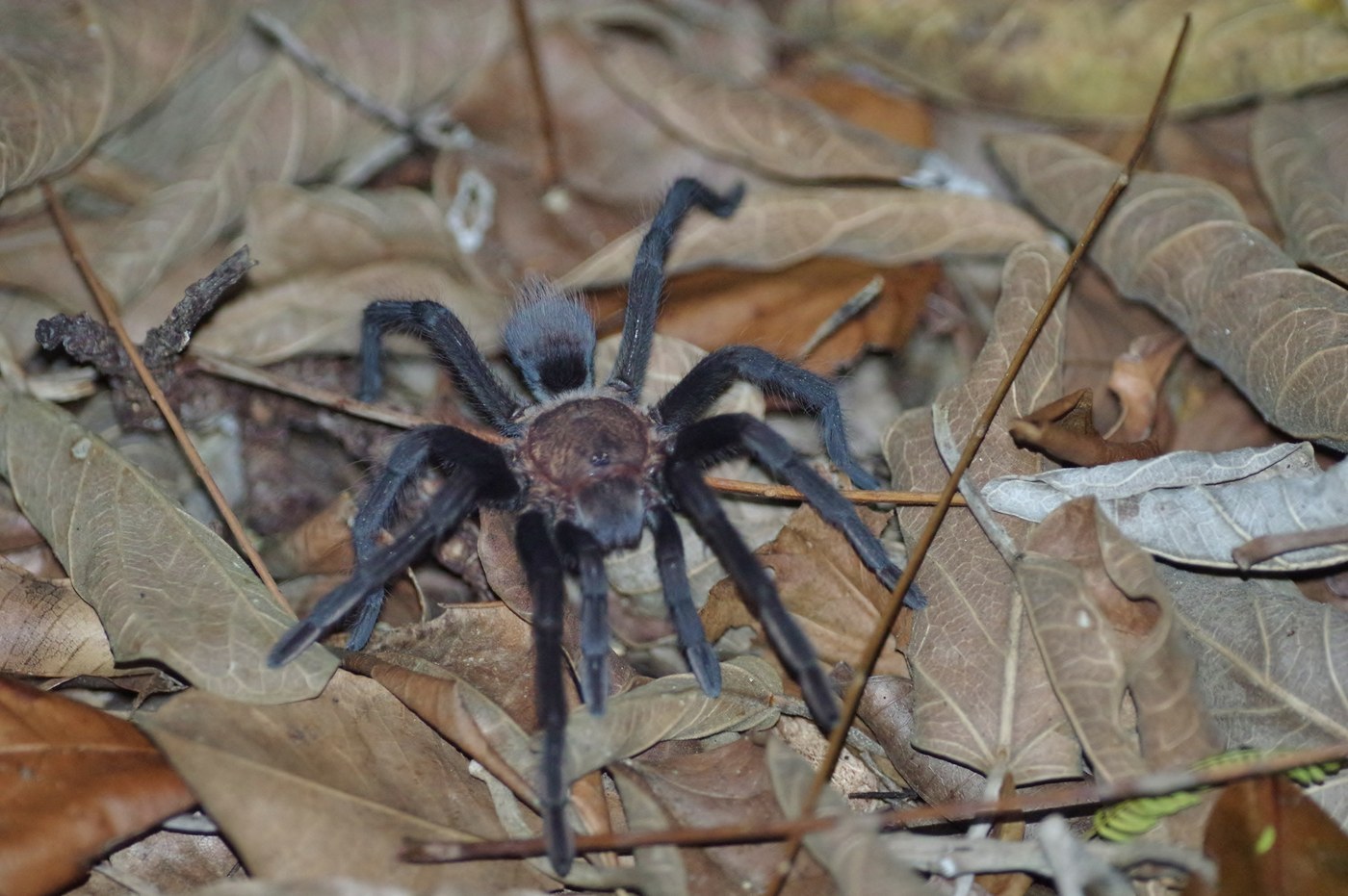
Tarantula
Burrows, rock crevices, and tree hollows in deserts, grasslands, and tropical forests worldwide
Wall Spider
Cracks and crevices on exterior and interior walls
Wolf Spiderling
Grasslands, gardens, leaf litter and bare ground