Bark Louse Identification Guide
Learn to identify bark lice, small soft-bodied insects often seen moving in dense herds across tree trunks.
Read the full Bark Louse encyclopedia entry →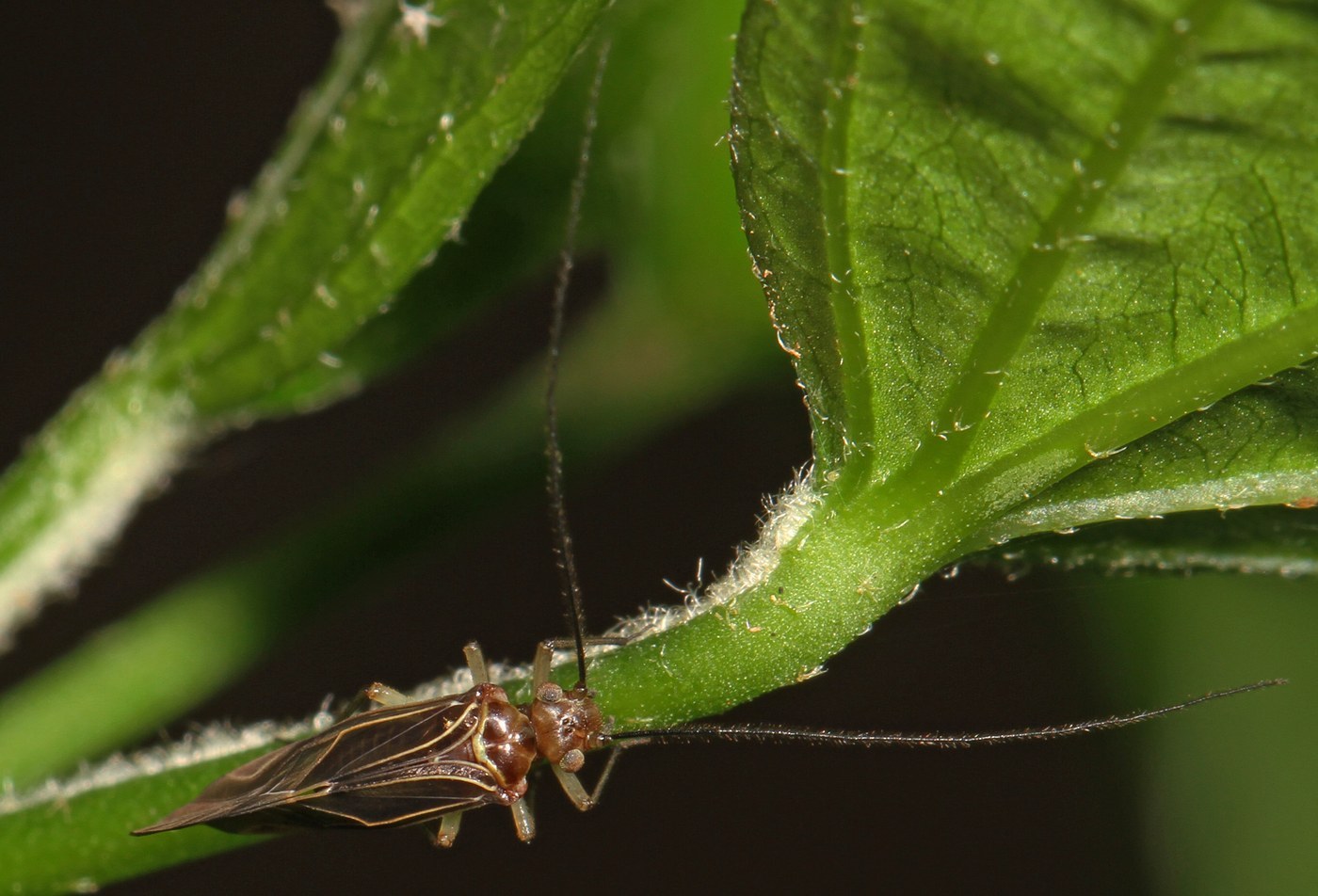
Key Visual Features
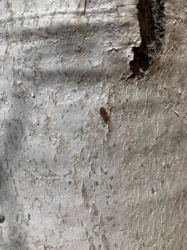
Bark lice (also called barklice) are small, delicate insects often overlooked until they appear in groups on a tree trunk.
- Size: Small, typically 1–10 mm long depending on species and life stage.
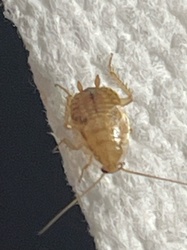
- Body shape: Soft-bodied with a relatively large, rounded head compared to the rest of the body.
- Color: Pale gray, tan, or dark brown, sometimes with mottled patterning that helps them blend with bark.
- Wings: Some species are winged with membranous, often patterned wings held roof-like over the body; others are wingless, especially as nymphs.
- Antennae: Long, thread-like antennae that are often longer than the body.
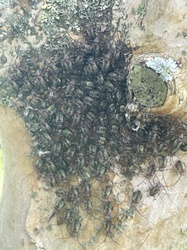
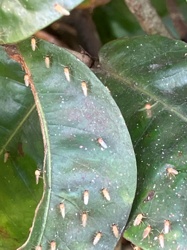
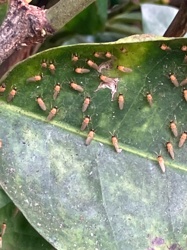
- Distinctive behavior: Many species live in dense, synchronized groups—sometimes called "herds"—that move together across bark in unison, and some spin fine silk webbing over the bark surface where they feed and shelter.
Where and When You'll See Them
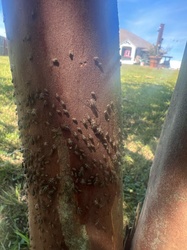
Bark lice are found on the trunks and branches of trees, particularly species with textured bark like oaks, where they feed on algae, lichen, and fungi growing on the bark surface. They are most noticeable from spring through fall, when large aggregations and their silken bark webbing become visible, especially on the shaded, humid sides of tree trunks.
Similar-Looking Bugs
- Aphids: Occasionally confused due to small size and group living, but aphids have short antennae and cornicles (paired tubes) at the rear of the abdomen, while bark lice have notably long antennae and no cornicles.
- Booklice: Closely related indoor relatives found in damp paper or stored products rather than on tree bark.
- Small moth caterpillars in webbing: The silk webbing bark lice produce can resemble webbing from other insects, but the insects themselves look nothing like caterpillars, being soft, oval, and long-antennaed.
Quick ID Checklist
- Small, soft-bodied insect with a large head and long thread-like antennae
- Found in dense groups moving together across tree bark
- May be associated with fine silk webbing on the bark surface
- Winged or wingless depending on species and age
- Most visible on textured bark of trees like oaks, spring through fall
Frequently asked questions
Why do bark lice move in groups?
Many species are gregarious and stay together in dense aggregations on bark, often moving in a coordinated way that looks like a small herd shifting position on the trunk.
Is the webbing on tree bark from bark lice harmful to the tree?
The webbing and the insects themselves are surface dwellers that feed on algae, lichen, and fungi on the bark—this guide focuses on identification only.
How do I tell bark lice from aphids on a tree trunk?
Look at the antennae and rear of the abdomen—bark lice have notably long, thread-like antennae and no cornicles, while aphids have short antennae and paired tube-like cornicles.
Do all bark lice have wings?
No, wing presence varies by species and life stage; nymphs are typically wingless, while many adults develop membranous wings held roof-like over the body.
Bark Louse identified by the community
Recent Bark Louse finds identified with Bug Identifier.