
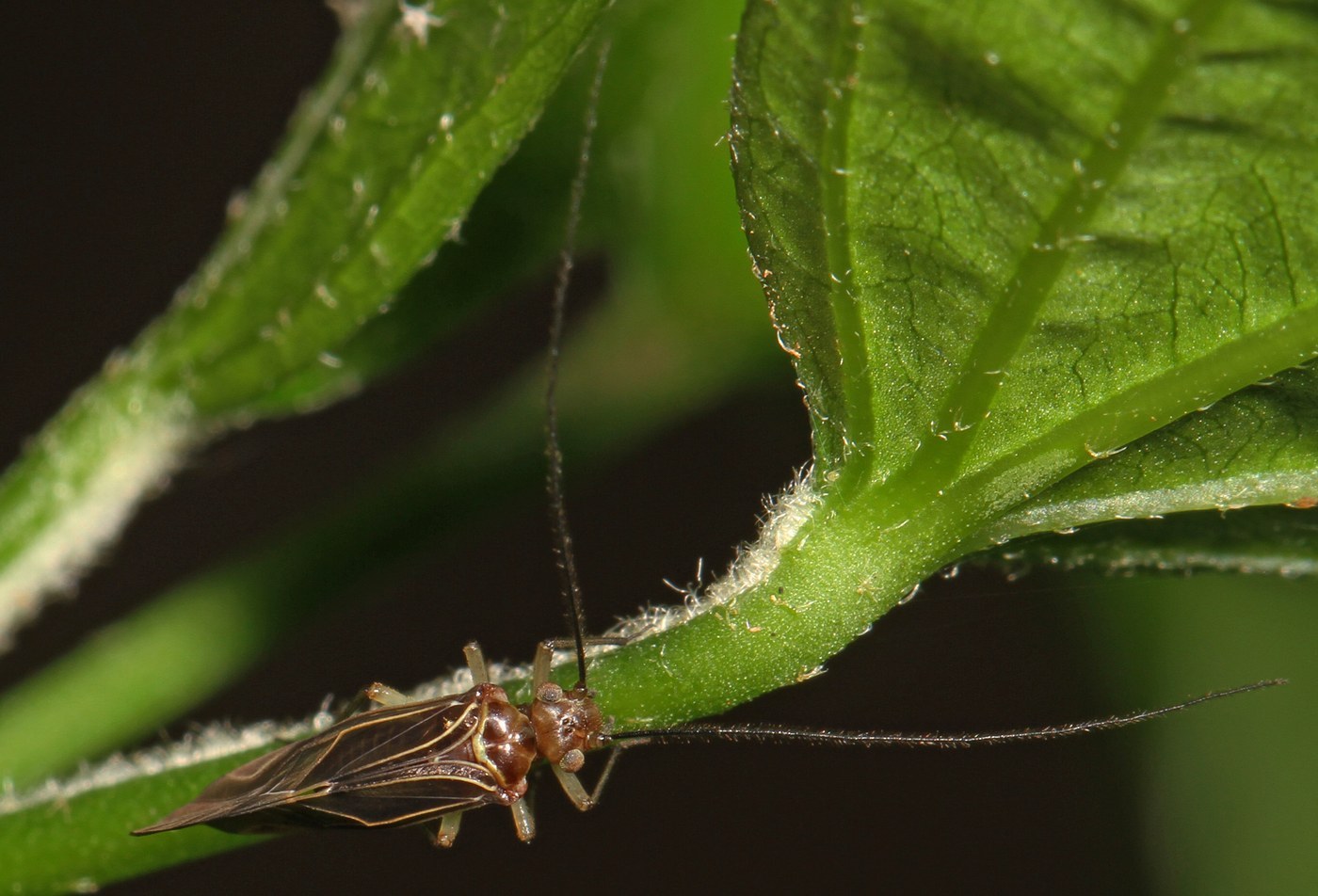
Bark Louse
Cerastipsocus venosus
A small, soft-bodied insect often seen in dense, moving herds on tree trunks, the bark louse grazes on algae, lichen, and fungal residue coating bark surfaces.
- Size
- 3–6 mm
- Habitat
- Bark of deciduous trees, fences, and rock surfaces
- Danger
- Harmless
Spotted a bug like this?
Identify any bug or insect from a photo, free.
Overview
Bark lice, also called barklice, belong to the order Psocoptera, a group of small, soft-bodied insects related to book lice and, more distantly, to true lice. Unlike parasitic lice, bark lice are free-living scavengers that feed on organic films on outdoor surfaces and have no parasitic relationship to blood-feeding insects despite the shared common name.
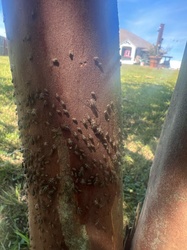
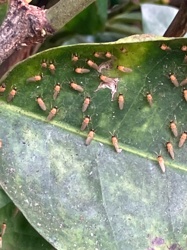
Many bark louse species, such as those in the genus Cerastipsocus (often nicknamed "tree cattle"), are gregarious, forming dense aggregations of dozens to hundreds of individuals on a single tree trunk that move in a coordinated, herd-like fashion when disturbed.
Ecologically, bark lice are decomposer-adjacent grazers, helping to keep bark surfaces clear of algae, lichen, fungal spores, and other organic debris, making them a quiet but beneficial presence in forests, orchards, and shade trees.
How to Identify
- Small, soft-bodied insects with a broad head, bulging eyes, and long, thread-like antennae.
- Body color varies by species from pale tan to dark brown or blackish, sometimes with a mottled or banded pattern on the wings.
- Winged adults hold their wings roof-like over the body when at rest; nymphs are wingless and often darker.
- Frequently seen in tightly packed, moving clusters on tree bark, fence posts, or stone walls.
- Lookalikes include aphids and small leafhoppers, but bark lice are distinguished by their gregarious herding behavior and grazing (not sap-sucking) mouthparts.
Habitat & Range
Bark lice are found on the trunks and larger branches of deciduous trees, as well as on fences, rocks, and outdoor walls, wherever a thin film of algae, lichen, or fungal material accumulates. They occur across temperate and subtropical regions and are most noticeable during warm months when populations build up into visible aggregations. They shelter in bark crevices and leaf litter during cooler periods.
Behavior & Diet
Bark lice feed by scraping algae, lichen, fungal spores, and other organic residues from bark and similar surfaces with chewing mouthparts. Many species are gregarious, and when disturbed, an entire cluster may scatter and re-form together in a synchronized, herd-like retreat. They are grazers with no biting or stinging behavior toward larger animals, and they play a minor decomposer role by cycling organic material from tree surfaces.
Life Cycle
Bark lice undergo incomplete metamorphosis (egg, nymph, adult). Eggs are laid in clusters on bark, sometimes covered with a loose silken webbing spun by the nymphs for protection. Nymphs resemble small, wingless adults and pass through several molts while grazing communally, developing wing pads as they mature. Multiple generations can occur per year in warm climates, and populations persist as overwintering eggs or sheltered nymphs in cooler regions.
Frequently asked questions
Are bark lice the same as head lice?
No. Bark lice (order Psocoptera) are free-living scavengers unrelated in lifestyle to parasitic lice; they do not live on or feed from animals.
Why are bark lice moving in a big group on my tree?
Many species are gregarious and form dense aggregations that move together while grazing on algae and lichen coating the bark, sometimes called "tree cattle."
What do bark lice eat?
They graze on algae, lichen, fungal spores, and other organic films found on bark and similar outdoor surfaces.
Do bark lice damage trees?
No, they only feed on surface residues on the bark and do not feed on living plant tissue.
Bark Louse guides
In-depth guides for identifying, understanding, and living alongside Bark Louse.
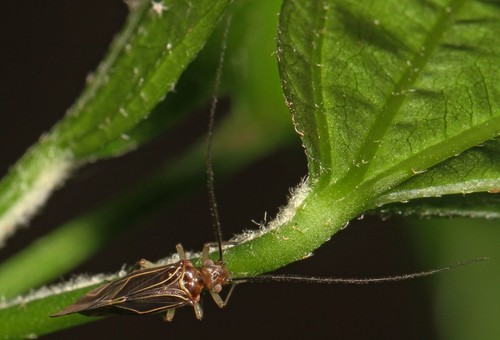
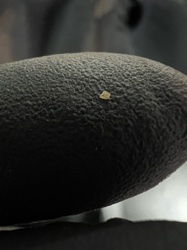
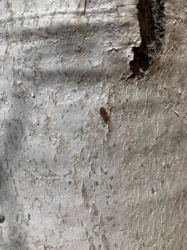
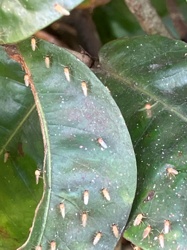
Bark Louse identified by the community
Real finds identified with Bug Identifier.


Other bugs you may enjoy
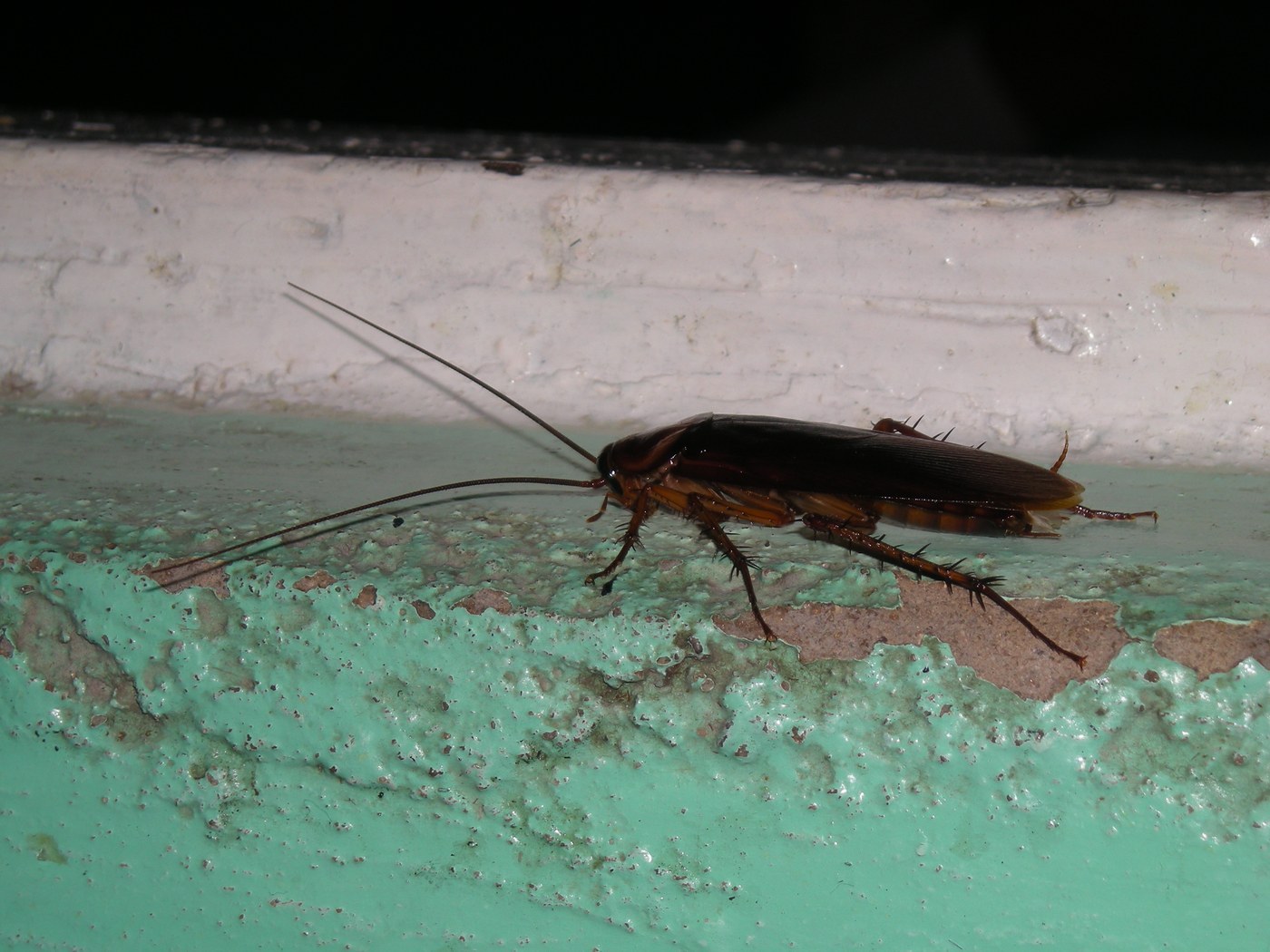
American Cockroach
Warm, humid environments such as basements, sewers, drains, and tropical outdoor settings
Thrips
Flowers, foliage, gardens, greenhouses, crop fields
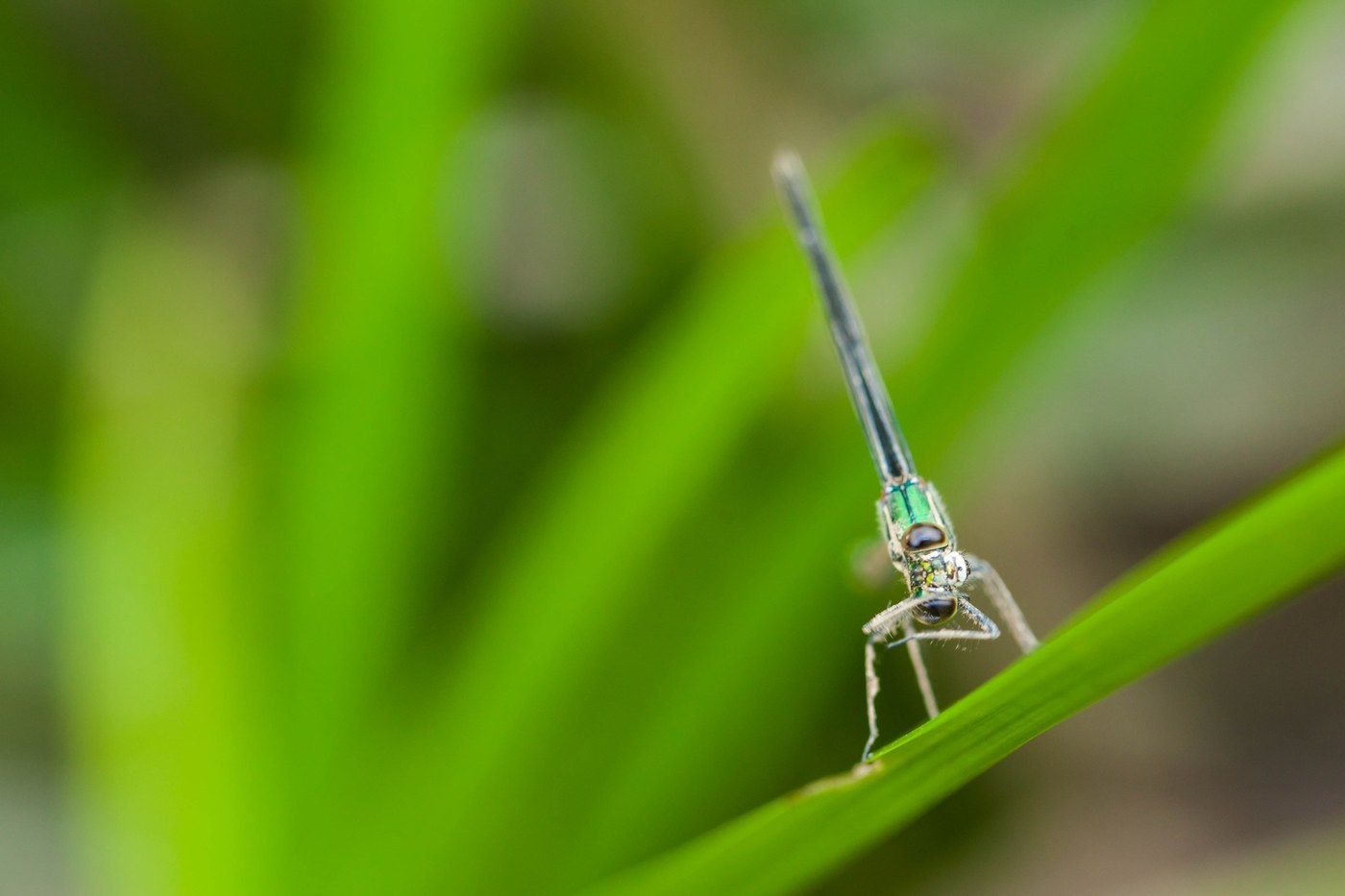
American Rubyspot
Sunny rivers and streams with moderate current
Springtail
Moist soil, leaf litter, decaying organic matter, and damp indoor areas
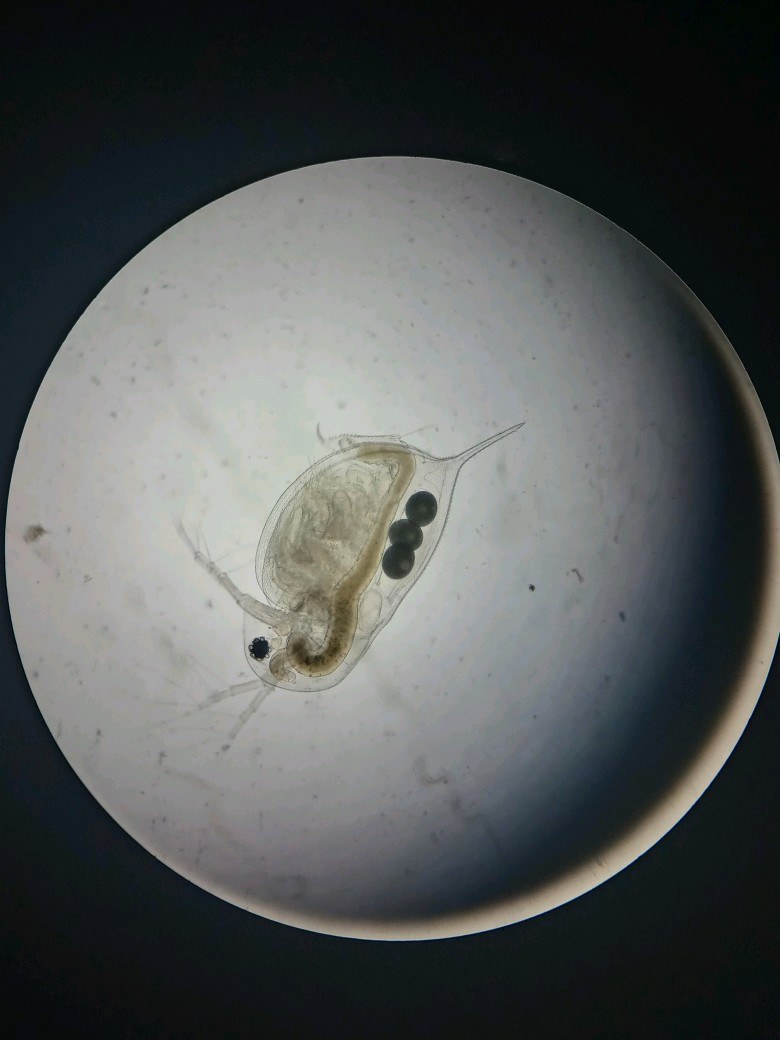
Water Flea
Ponds, lakes, and slow streams as free-floating plankton
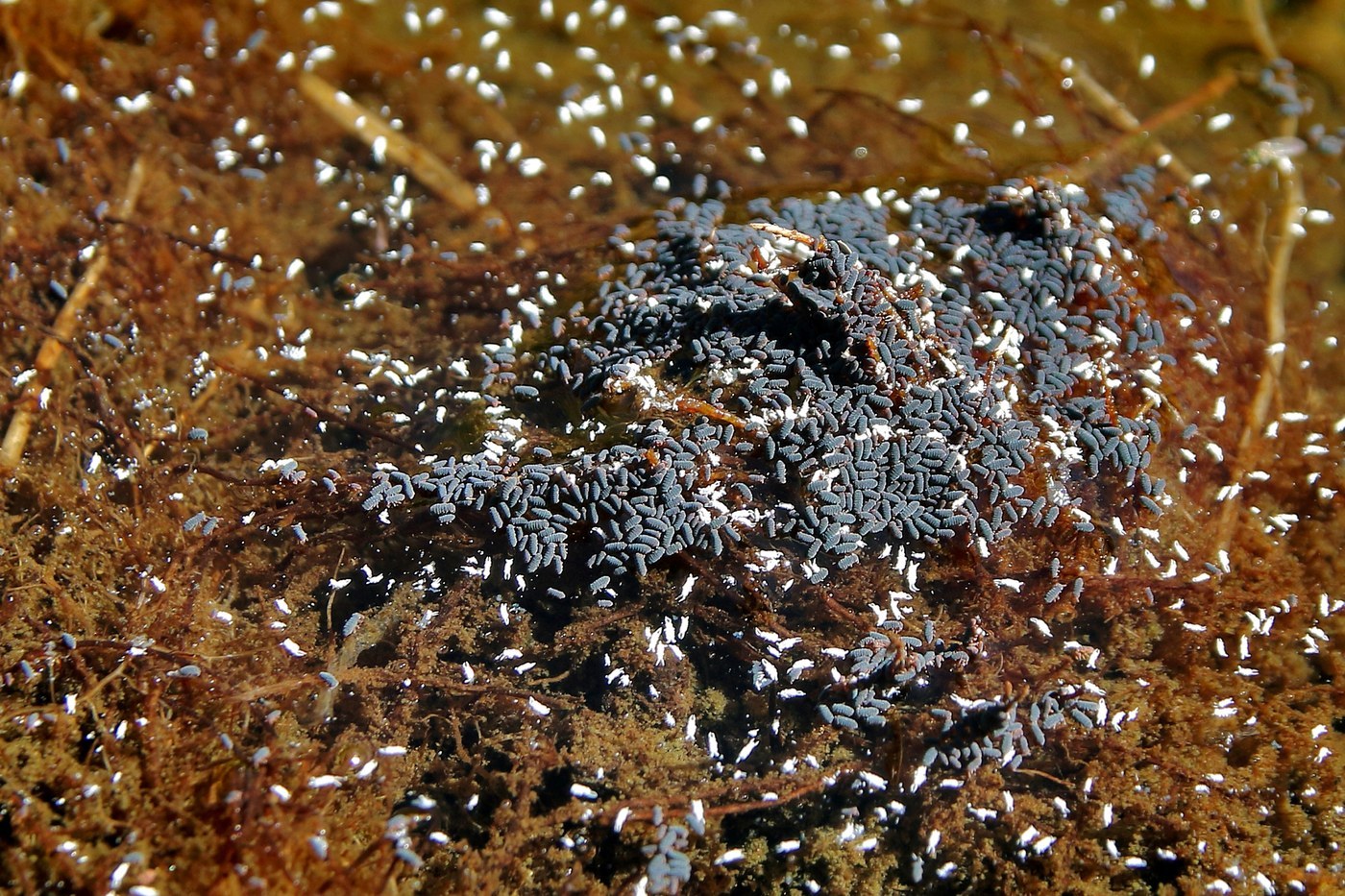
Water Springtail
Surface film of ponds, puddles, and slow ditches
Slug
Gardens, damp soil, leaf litter, greenhouses
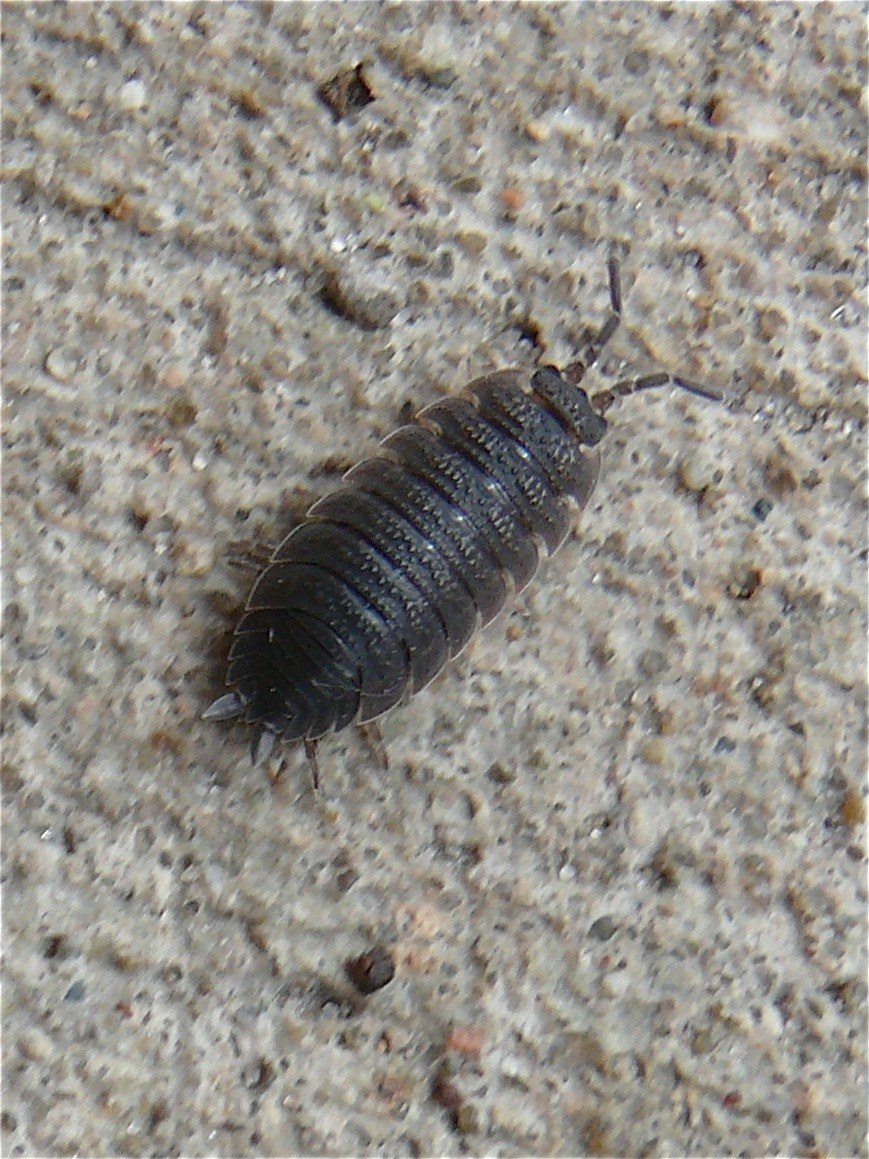
Sowbug
Leaf litter, under rocks/logs, damp garden soil, basements
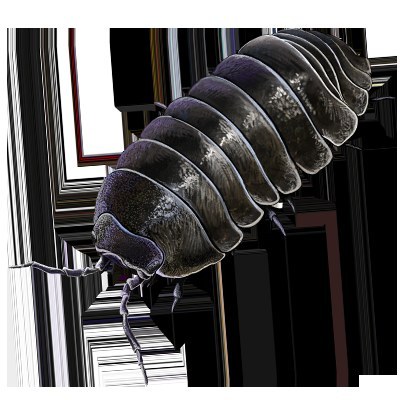
Pill Bug
Damp soil, leaf litter, under rocks and logs, garden beds
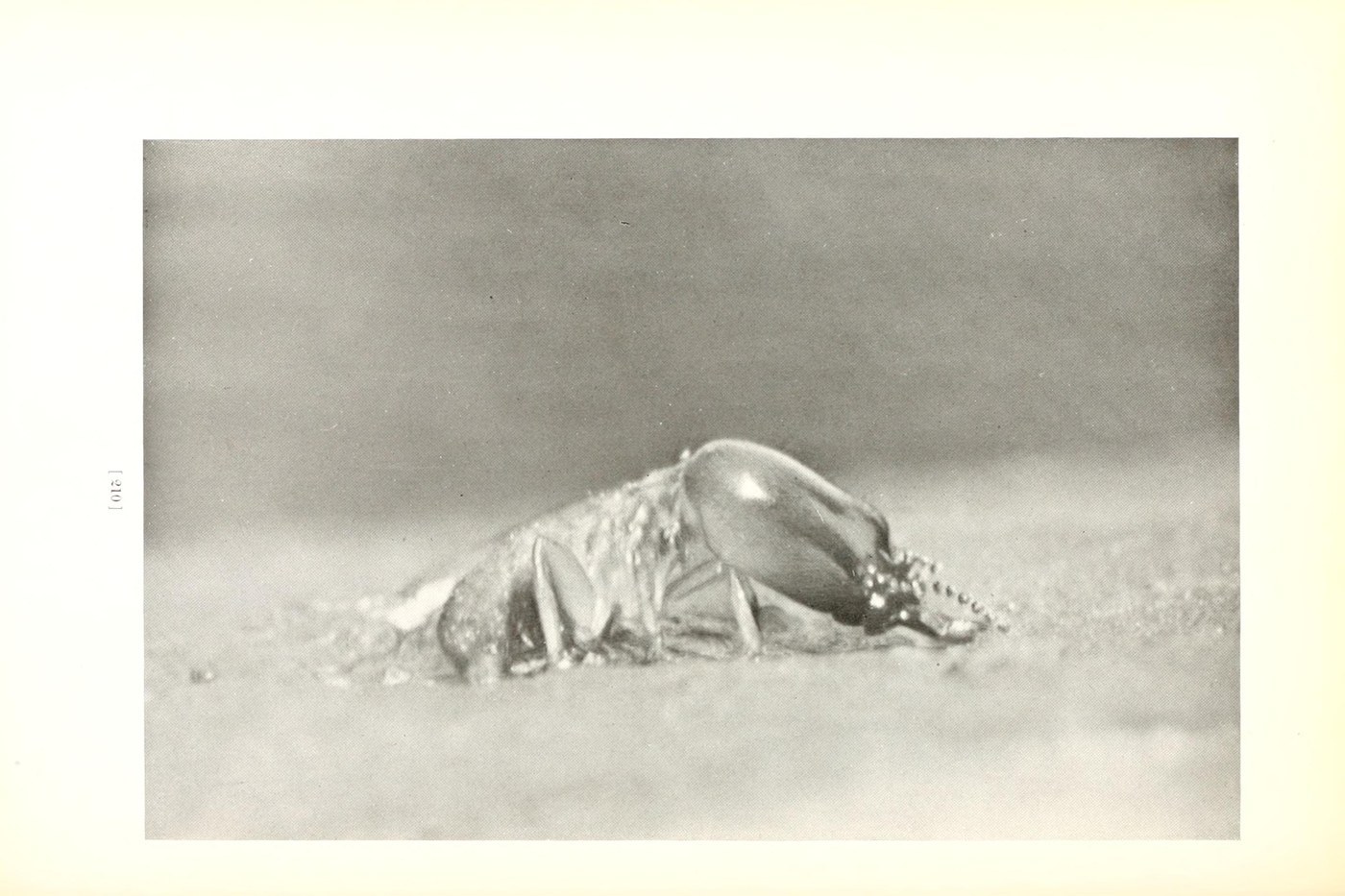
Termite
Soil, decaying wood, tree stumps, and wooden structures
Termite Swarmer
Emerges from underground or wood-nesting colonies, often near structures and moist soil
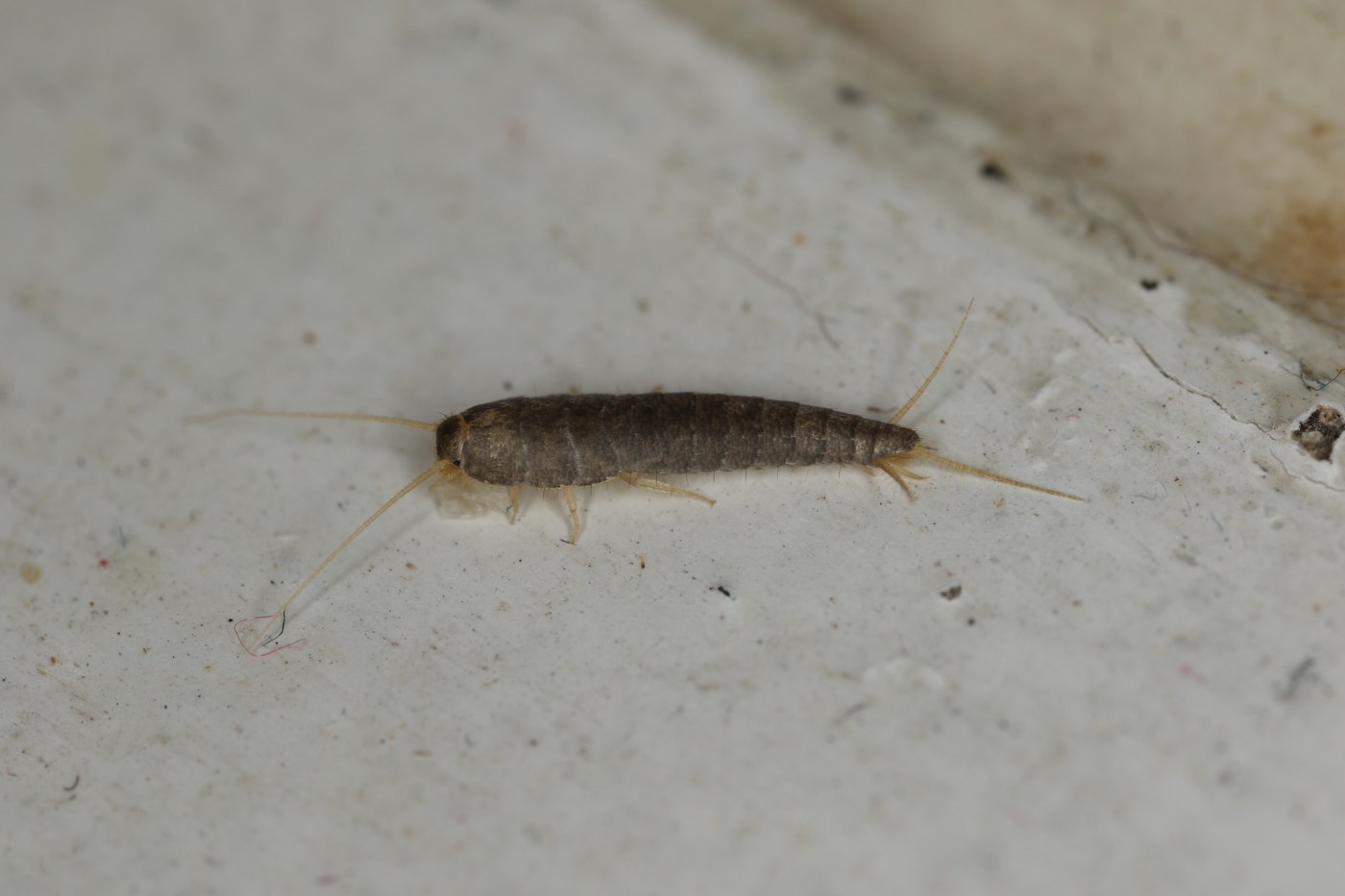
Silverfish
Damp basements, bathrooms, closets, and dark indoor crevices