Blow Fly Identification Guide
Learn to identify a blow fly by its metallic sheen, buzzing flight, and attraction to decaying organic matter.
Read the full Blow Fly encyclopedia entry →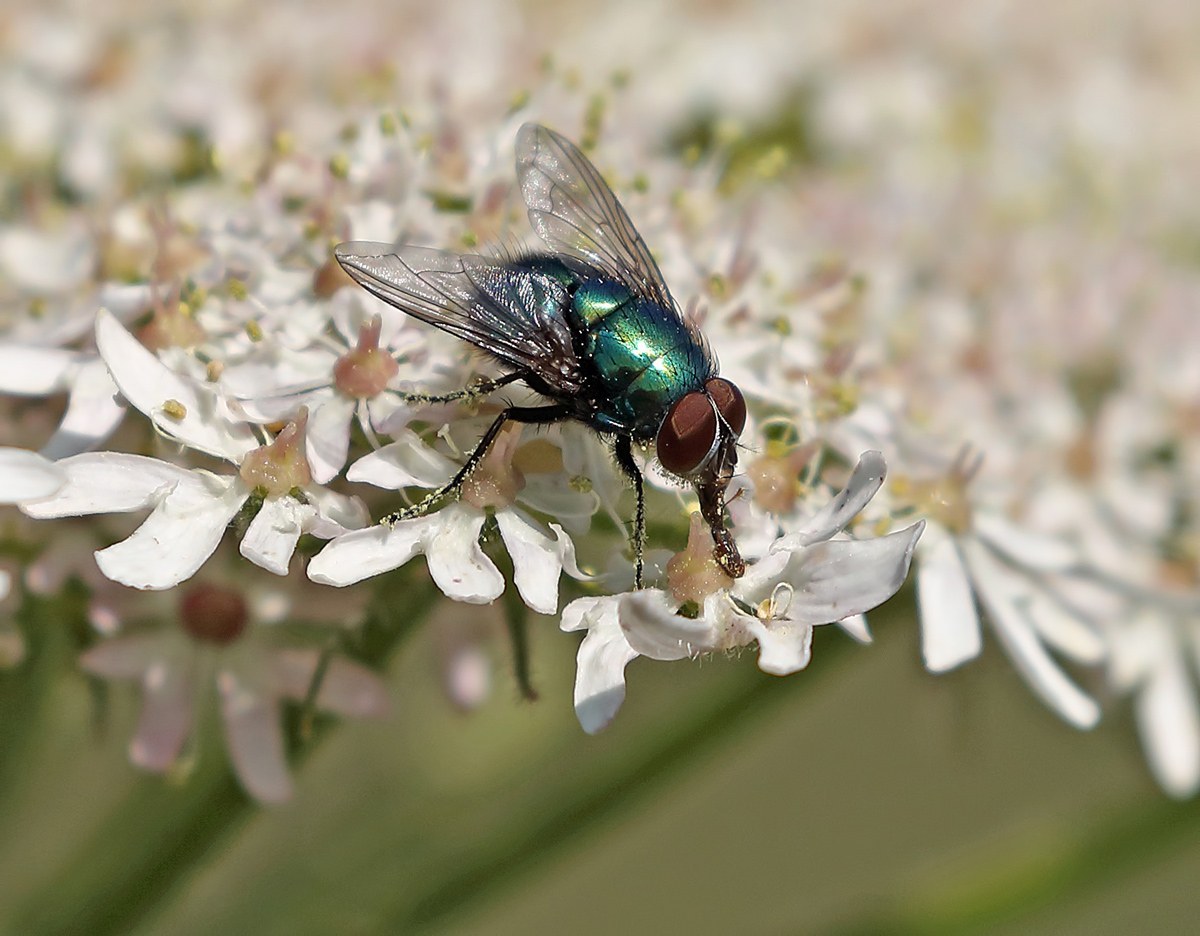
Key Visual Features
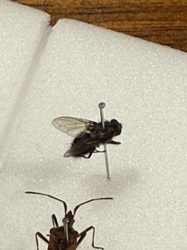
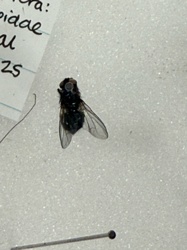
Blow flies are a group of stout, metallic-colored flies closely related to bottle flies.
- Size: Typically 6 to 14 mm in body length, somewhat larger and stockier than a house fly.
- Body shape: Broad, rounded thorax and abdomen with a compact overall build.
- Color: Glossy metallic blue, green, bronze, or black, depending on the species, giving a shiny, reflective appearance.
- Wings: One pair of clear, veined wings, often held slightly spread when resting.
- Eyes: Large, prominent compound eyes, often reddish or dark, covering much of the head.
- Body hairs: Fine bristles covering the body, visible on close inspection.
Where and When You'd See One
Blow flies are drawn to specific environmental cues related to organic decay.
- Outdoors near decaying plant or organic material, garbage, and compost areas
- Sometimes found indoors, particularly near windows or areas with organic odors
- Active during daylight hours, especially in warm weather from spring through fall
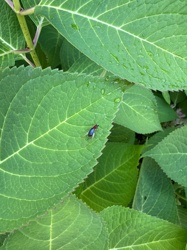
- Frequently seen resting on sunlit surfaces such as fences, walls, or foliage
Similar-Looking Bugs
- House flies lack the metallic shine and instead show a dull gray body with four dark stripes running down the thorax.
- Bottle flies are nearly identical in appearance and behavior, with the main distinctions being subtle shifts in metallic tone and minor body proportion differences.
- Flesh flies have a checkered gray-and-black abdomen and three dark thorax stripes rather than an all-over metallic sheen.
- Fruit flies are much smaller, around 2 to 4 mm, with a tan or brown body and red eyes, easily distinguished by size alone.
Quick ID Checklist
- Glossy metallic blue, green, or bronze body
- Broad, stout build with a rounded thorax
- Single pair of clear, veined wings
- Large, prominent compound eyes
- Found near decaying organic material or resting on sunlit surfaces
Life Cycle Notes
Blow flies undergo complete metamorphosis, passing through egg, larval (maggot), pupal, and adult stages. The larval stage develops in organic material, while the winged adult is the stage most commonly observed and identified by its metallic coloring.
Frequently asked questions
What is the main identifying feature of a blow fly?
Its glossy, metallic body color — often blue, green, or bronze — is the clearest visual identifier.
How can I distinguish a blow fly from a bottle fly?
They are very similar and closely related; differences are subtle, mainly involving slight variation in metallic color tone and body proportions.
Do blow flies have stripes like a house fly?
No, house flies have dull gray bodies with four dark thorax stripes, while blow flies have a solid metallic sheen without that striped pattern.
When are blow flies most active?
They are most active during warm daylight hours from spring through fall, often seen resting on sunlit surfaces.
Blow Fly identified by the community
Recent Blow Fly finds identified with Bug Identifier.