
Blow Fly
Lucilia sericata
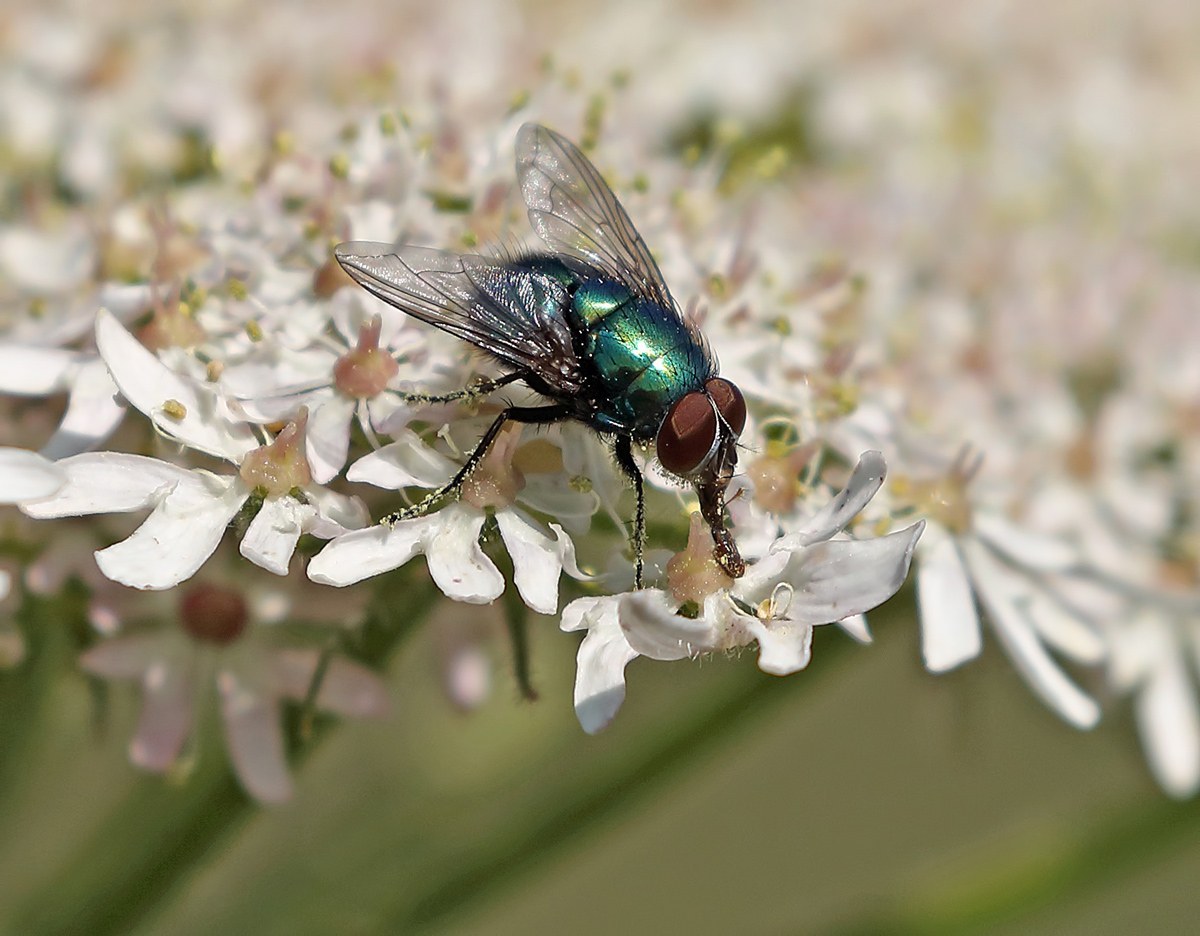
A brilliant, metallic green fly that gleams like a jewel in sunlight, quickly locating decaying material with an acute sense of smell.
- Size
- 8–14 mm
- Habitat
- Gardens, farmland, urban edges, near decaying organic matter
- Danger
- Nuisance pest
Spotted a bug like this?
Identify any bug or insect from a photo, free.
Overview
Blow flies belong to the family Calliphoridae, a large and widespread group of true flies named for the older belief that they "blew" or contaminated meat by laying eggs on it. The green bottle fly, Lucilia sericata, is one of the most familiar and widely studied members of this family.
These flies are ecologically important decomposers, arriving at dead organic matter within minutes of exposure and helping to break it down rapidly. Because of the predictable timing of their life cycle, blow flies are also well known to forensic entomologists as indicators used in estimating time-related information at death scenes.
How to Identify
- Medium-sized fly, 8–14 mm long, with a compact, rounded body.
- Brilliant metallic green or blue-green sheen across the thorax and abdomen.
- Large reddish or maroon compound eyes and short antennae.
- Bristly legs and a single pair of clear wings with visible dark veining.
- Lookalike: very similar to the blue bottle fly but distinguished by its green rather than blue coloration.
Habitat & Range
Found on every continent except Antarctica, thriving in temperate to warm climates. Common in gardens, farms, and urban edges from spring through fall, blow flies are most active on warm, sunny days and are quick to locate exposed organic material outdoors.
Behavior & Diet
Adults feed on nectar, plant sap, and liquefying organic matter, while females seek out decaying material to lay eggs, which provides a food source for the developing larvae. As decomposers, blow flies accelerate the breakdown of dead plant and animal matter, returning nutrients to the soil and serving as an important part of many food webs. Their flight is fast and darting, with a persistent, buzzing hover near food sources.
Life Cycle
Blow flies undergo complete metamorphosis. Eggs, laid in clusters on decaying matter, hatch within hours into maggots that feed voraciously and molt through three larval stages over about a week. They then pupate in a hardened case, often in nearby soil, emerging as adults after roughly one to two weeks; several generations can occur each warm season.
Frequently asked questions
Is a blow fly the same as a bottle fly?
Blow fly is a broader family term that includes bottle flies; the green bottle fly is one common species within the blow fly family.
Why are blow flies attracted to decaying matter so quickly?
They have a highly sensitive sense of smell adapted to detect the odors of decomposition from long distances.
How can I identify a blow fly by color?
Look for a compact body with a bright metallic green or blue sheen, distinguishing it from the duller gray house fly.
How fast does a blow fly develop?
Under warm conditions, development from egg to adult can take as little as one to two weeks.
Blow Fly guides
In-depth guides for identifying, understanding, and living alongside Blow Fly.
Blow Fly identified by the community
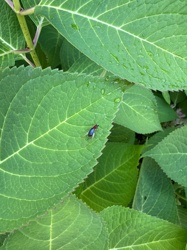
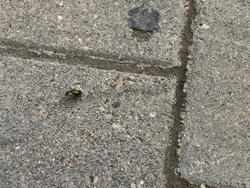
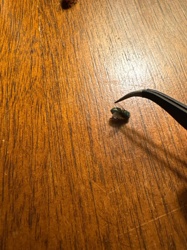
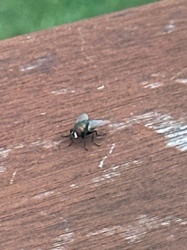
Real finds identified with Bug Identifier.
Other bugs you may enjoy
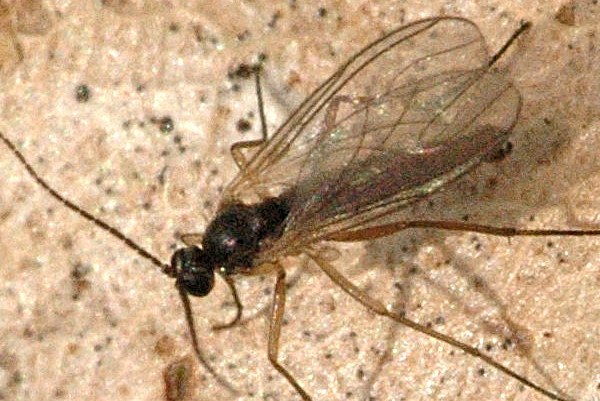
Aphid Midge
Gardens, greenhouses, and crops with aphids
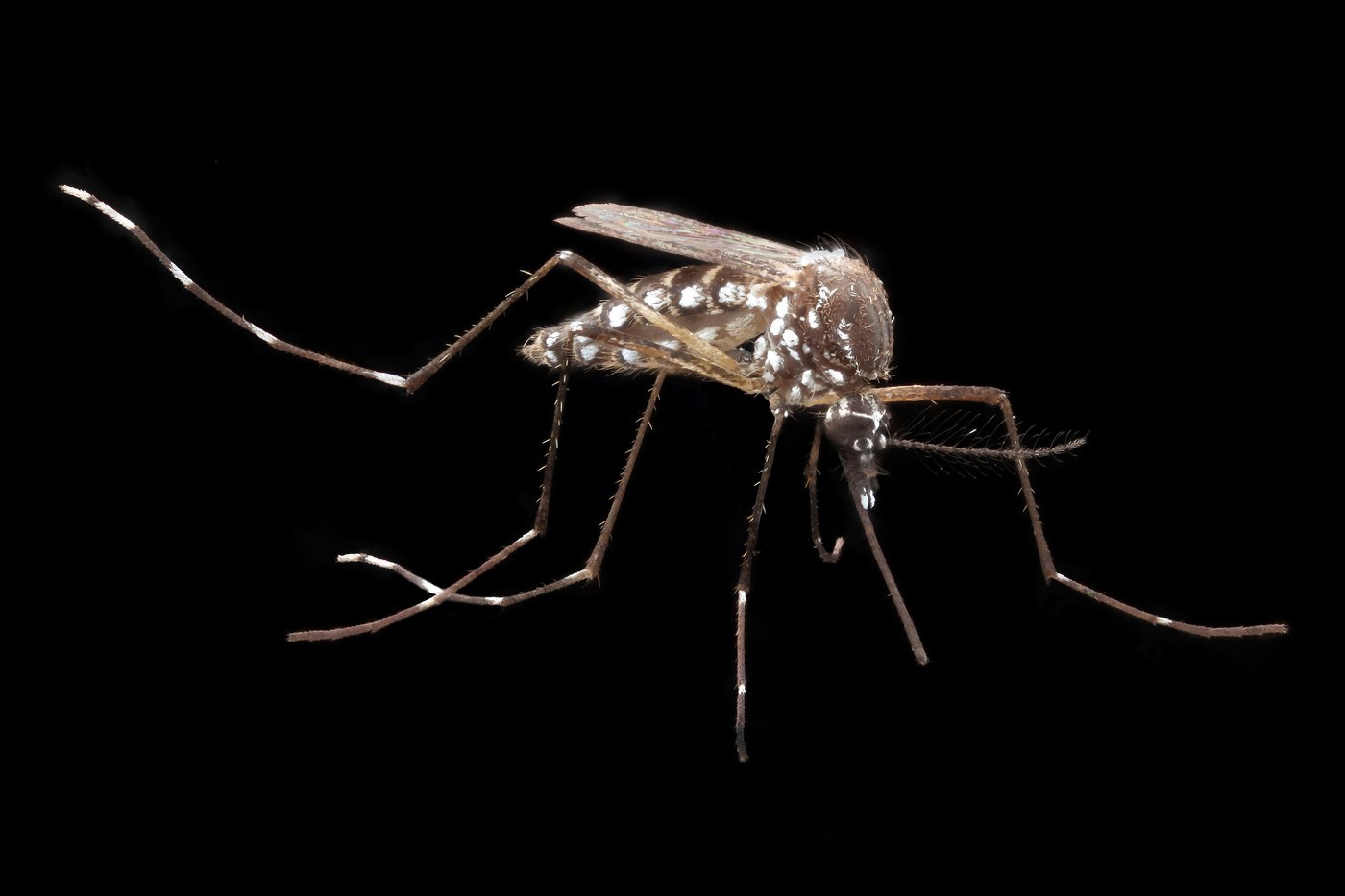
Yellow Fever Mosquito
Urban and peri-urban areas near small artificial water containers in tropical and subtropical regions worldwide
Root Maggot
Garden and field soil around the roots of cole crops and other vegetables
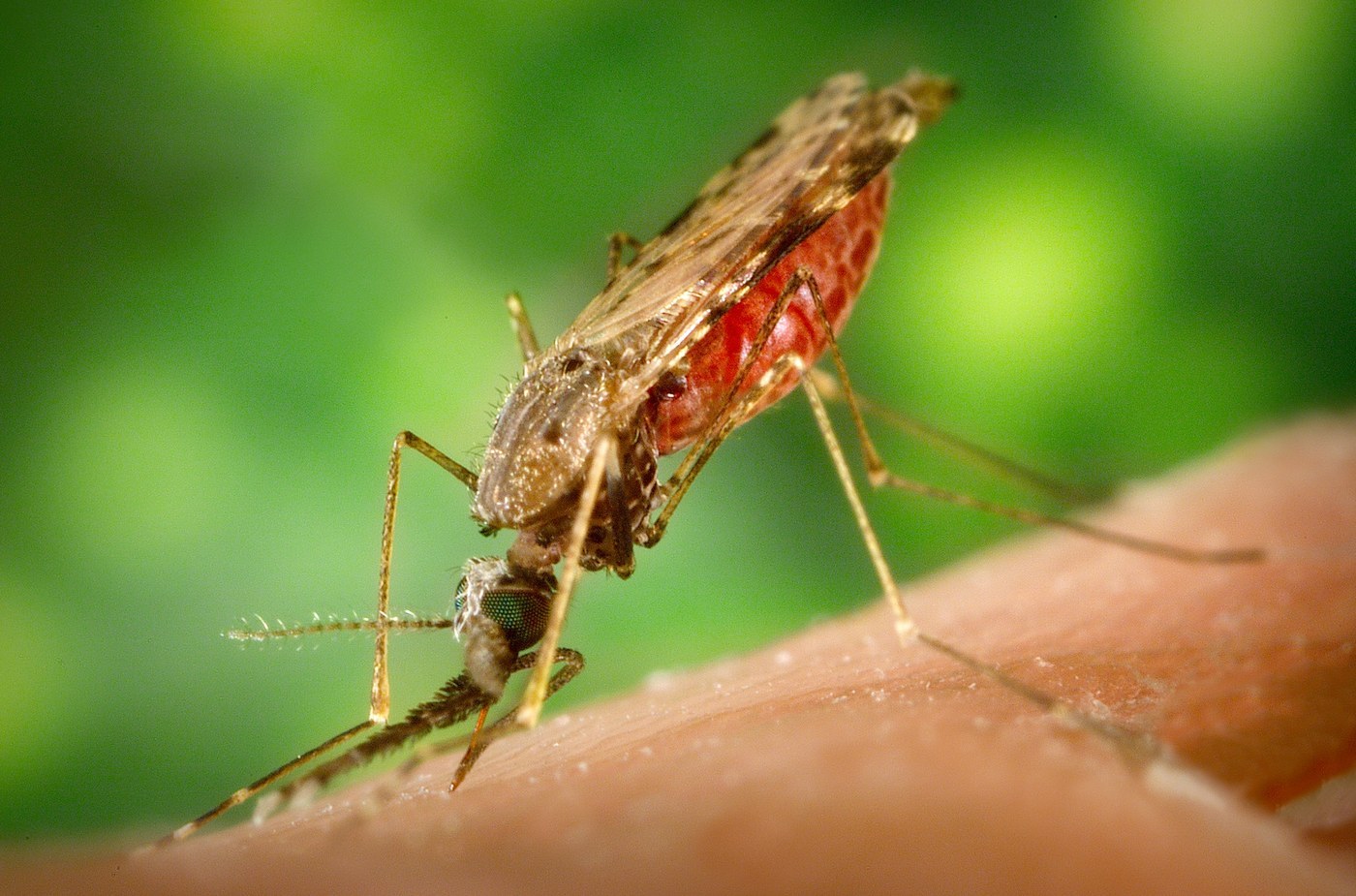
Anopheles Mosquito
Clean, still or slow-moving freshwater habitats such as marshes, ponds, and rice paddies
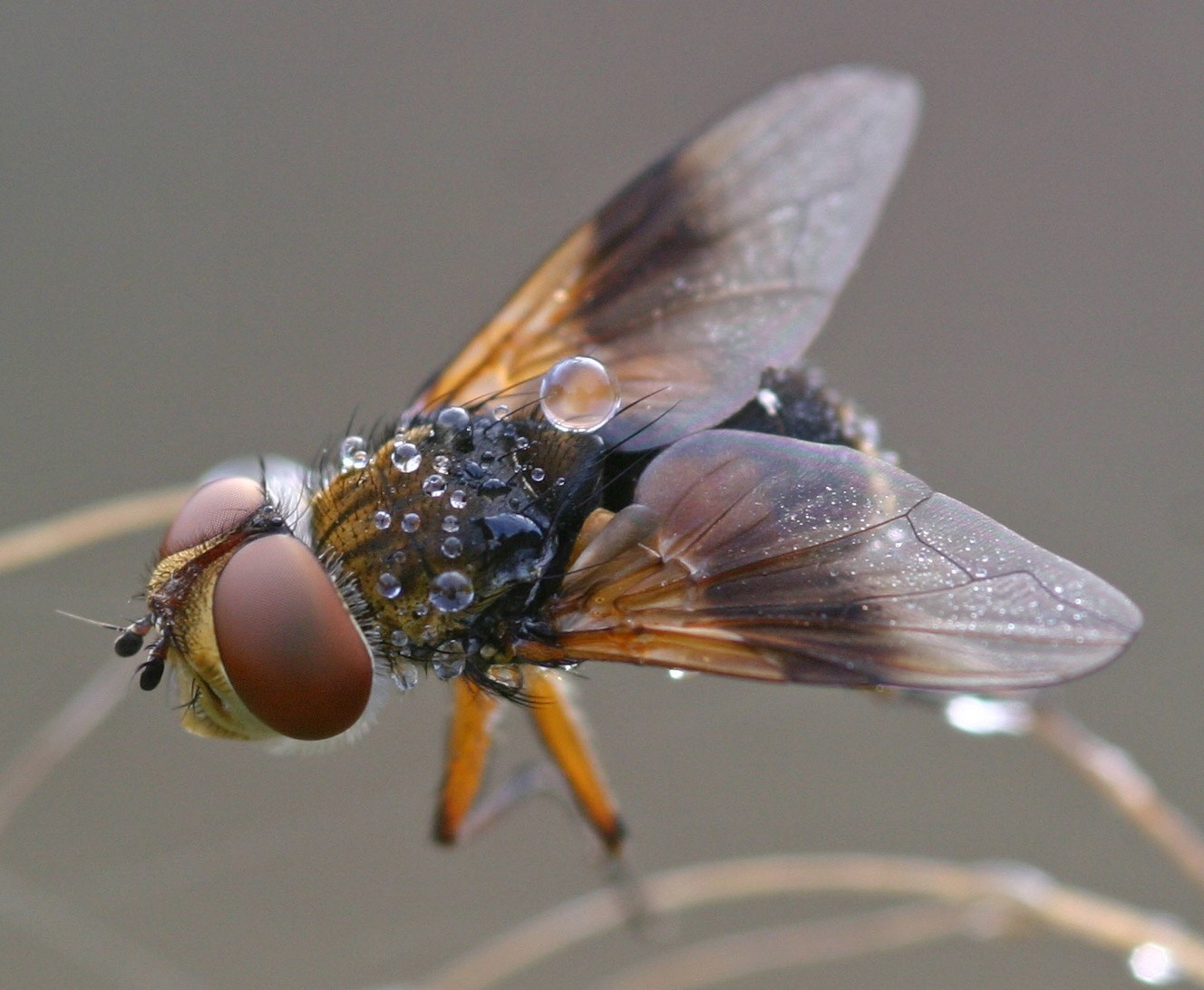
Tachinid Fly
Gardens, meadows, and woodlands wherever host caterpillars and other insects occur
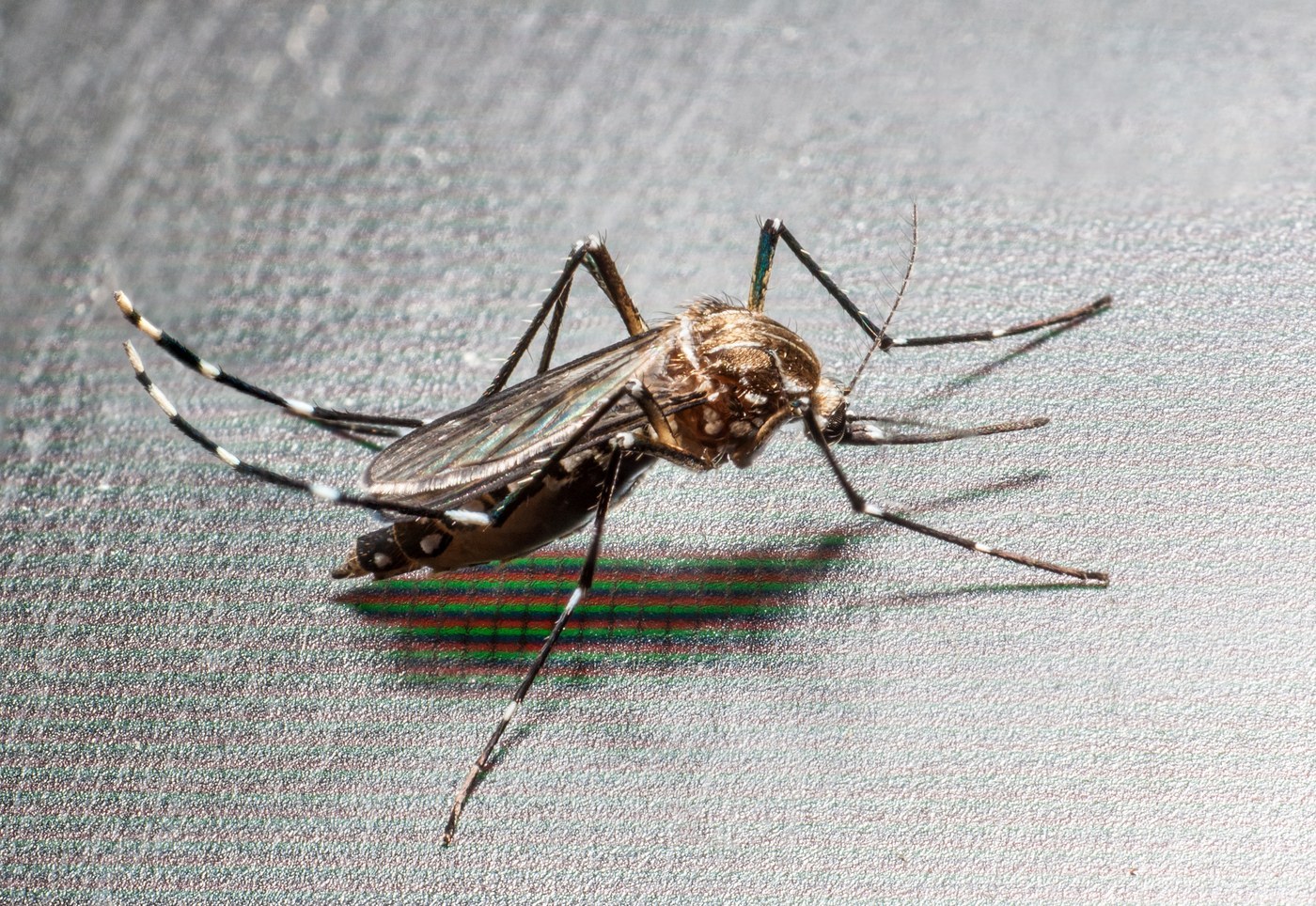
Asian Tiger Mosquito
Shaded urban and suburban areas near small water-holding containers, tires, and tree holes; native to Southeast Asia, now widespread
Tsetse Fly
Wooded savanna, riverine thickets, and forest edges across sub-Saharan Africa
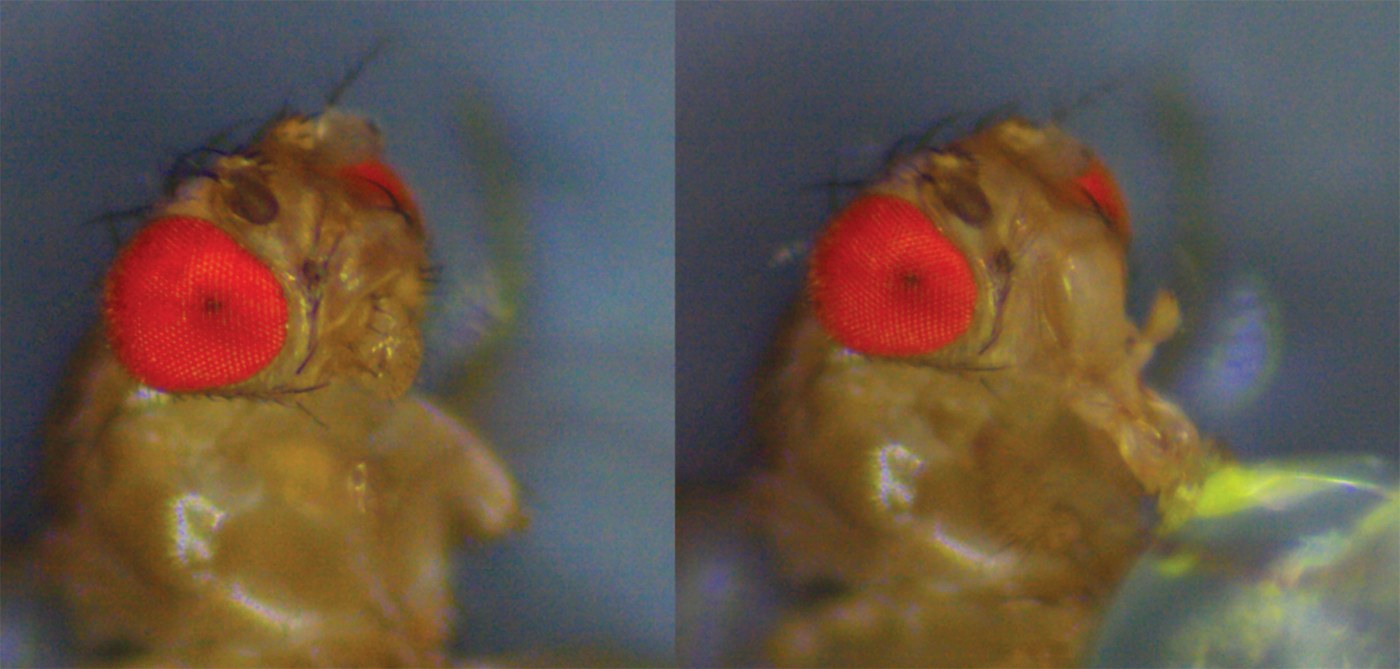
Vinegar Fly
Around overripe fruit, compost, and fermenting materials worldwide
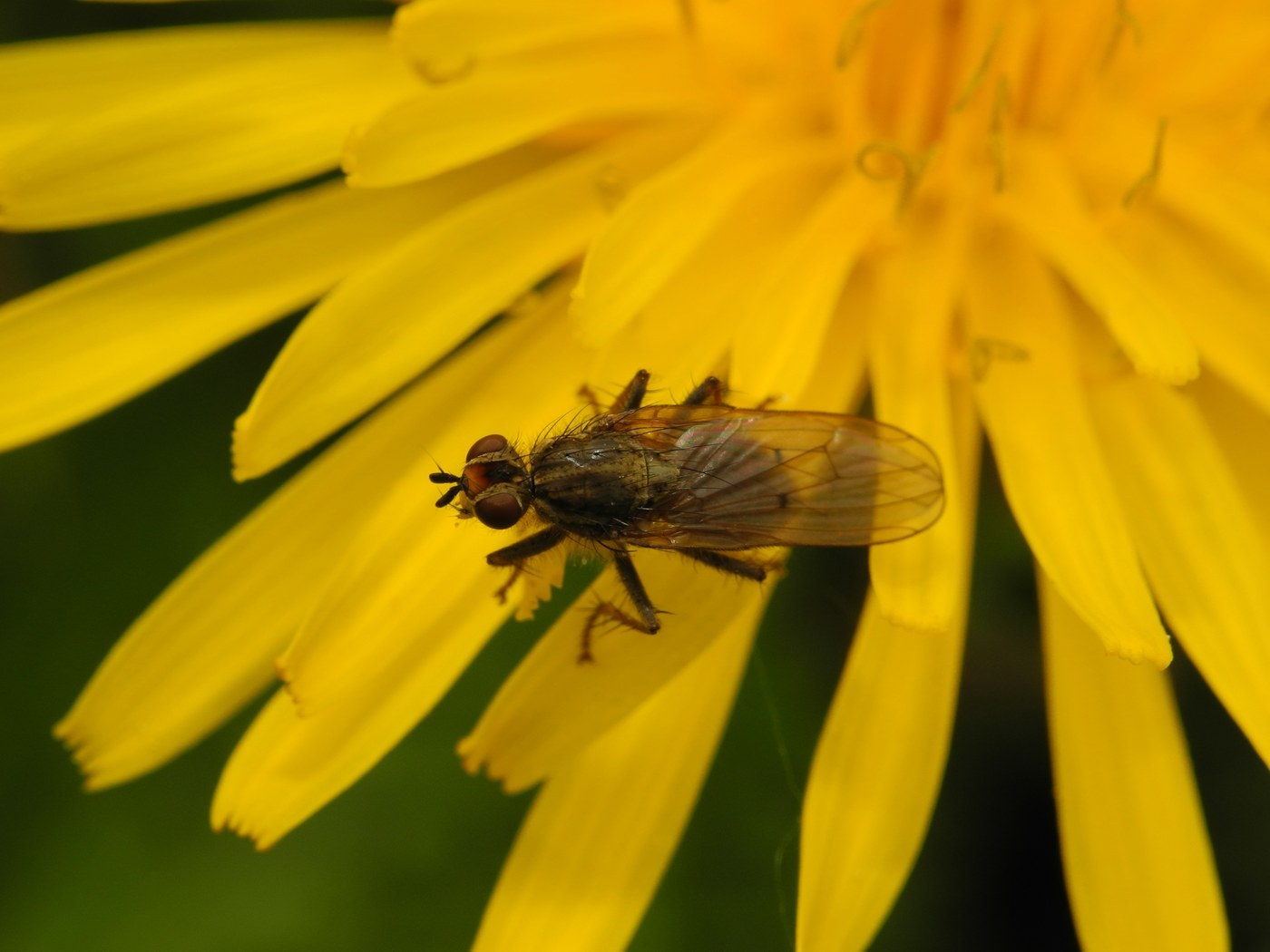
Yellow Dung Fly
Pastures and fields with fresh cattle dung
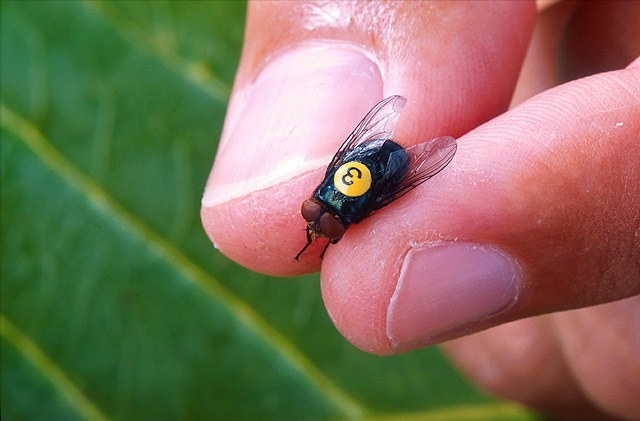
Screwworm Fly
Warm, humid lowlands of the Americas, especially near livestock and wildlife wounds
Soldier Fly
Wetland margins, decaying organic matter, and vegetation near water
Punkie
near marshes, mudflats, ponds, and other standing water