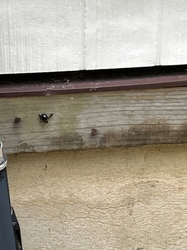
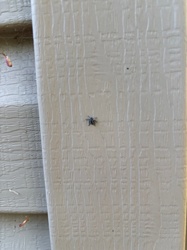
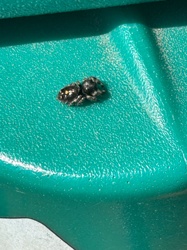
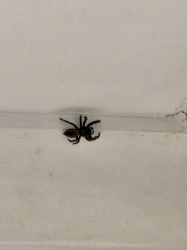
Bold Jumping Spider Identification Guide
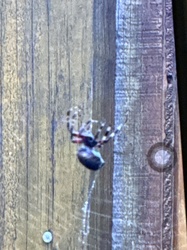
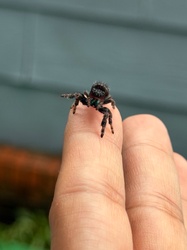
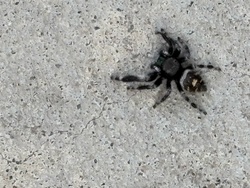
A compact, fuzzy black spider with a bold white or orange abdominal pattern and huge forward-facing eyes.
Read the full Bold Jumping Spider encyclopedia entry →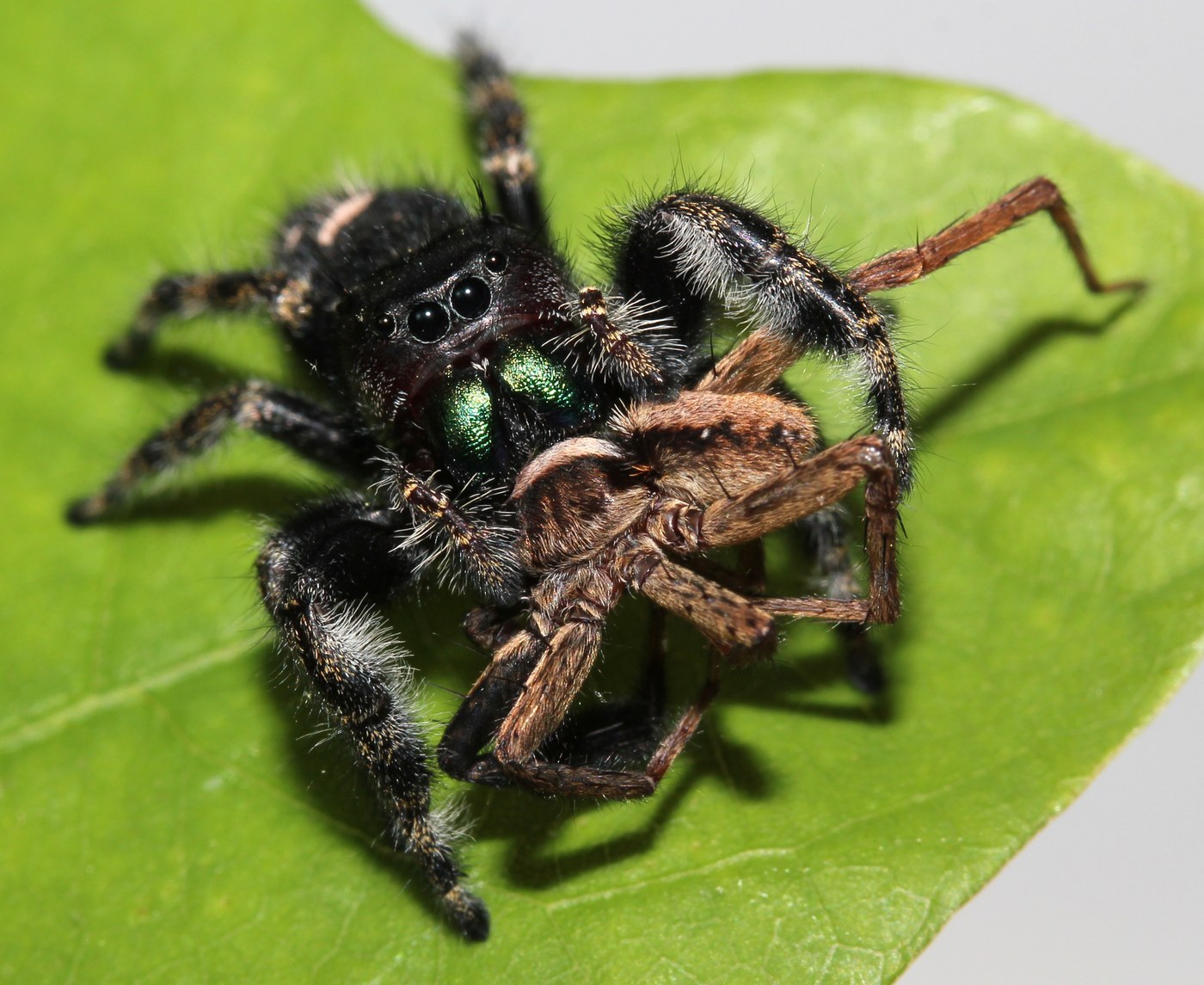
Key Visual Features
The bold jumping spider (Phidippus audax) is one of the most recognizable jumping spiders in North America, thanks to its stocky black body and bright markings.
- Size: Body length of about 0.4–0.75 inches (10–19 mm), with females typically larger than males.
- Color: Dense black or dark gray body covered in short hairs, with a bold white, orange, or yellowish triangular or spotted pattern across the abdomen. Juveniles often show orange spots that fade to white as they mature.
- Body shape: Compact and robust, with a short, wide abdomen and a distinctly "boxy" cephalothorax.
- Eyes: Eight eyes arranged with two very large, forward-facing central eyes that give it a curious, alert expression — a hallmark of all jumping spiders.
- Legs: Short, thick, and banded with light and dark hairs; the front pair is often noticeably heavier for pouncing.
- Chelicerae: Males frequently display an iridescent green or blue sheen on their fangs/mouthparts, visible up close.
Where and When You'd See It
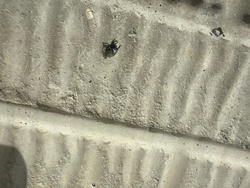
Bold jumping spiders are found across most of the United States and southern Canada in gardens, fields, forest edges, fences, walls, and even indoors on windowsills. They are diurnal (active during the day) and rely on keen eyesight to stalk and pounce on small prey rather than building webs. Look for them basking on sunny surfaces like siding, tree bark, and fence posts from spring through fall.
Similar-Looking Species
- Other Phidippus species (e.g., cardinal jumping spider): Similar body shape but often solid red or orange rather than black with white/orange markings.
- Zebra jumping spider: Much smaller with black-and-white striped legs rather than a bold abdominal pattern.
- Wolf spiders: Larger eyes are arranged differently (no oversized front-center pair), and wolf spiders have a flatter, longer body built for running rather than jumping.
- Regal jumping spider: Larger overall, with more vivid iridescent scales and a rounder abdomen pattern.
Quick ID Checklist
- Stocky black body with a bold white or orange triangular abdominal marking
- Two oversized front-facing eyes giving an alert, "cartoon-like" face
- Short, thick, banded legs built for jumping rather than running
- Seen in daylight on walls, fences, plants, or sunny surfaces
- No web used for catching prey — relies on stalking and pouncing
Frequently asked questions
How can I tell a bold jumping spider from a wolf spider?
Look at the eyes: bold jumping spiders have two very large front-center eyes for keen daytime vision, while wolf spiders have a more even row of smaller eyes and a longer, flatter body built for running rather than jumping.
Why does the abdomen pattern vary between individuals?
Juveniles often have orange spots that gradually turn white as the spider molts and matures, so color intensity can vary depending on age.
Does the bold jumping spider spin a web to catch prey?
No, it relies on excellent eyesight to stalk and jump on prey; it does use silk for drop lines and small nighttime shelters, but not for prey-catching webs.
What time of day is best for spotting one?
They are strictly daytime hunters, so look for them basking or moving on sunny walls, fences, and foliage during daylight hours.
Bold Jumping Spider identified by the community
Recent Bold Jumping Spider finds identified with Bug Identifier.