Bristly Rose Slug Identification Guide
Learn to recognize this small, hairy sawfly larva that feeds on rose foliage and is often mistaken for a caterpillar.
Read the full Bristly Rose Slug encyclopedia entry →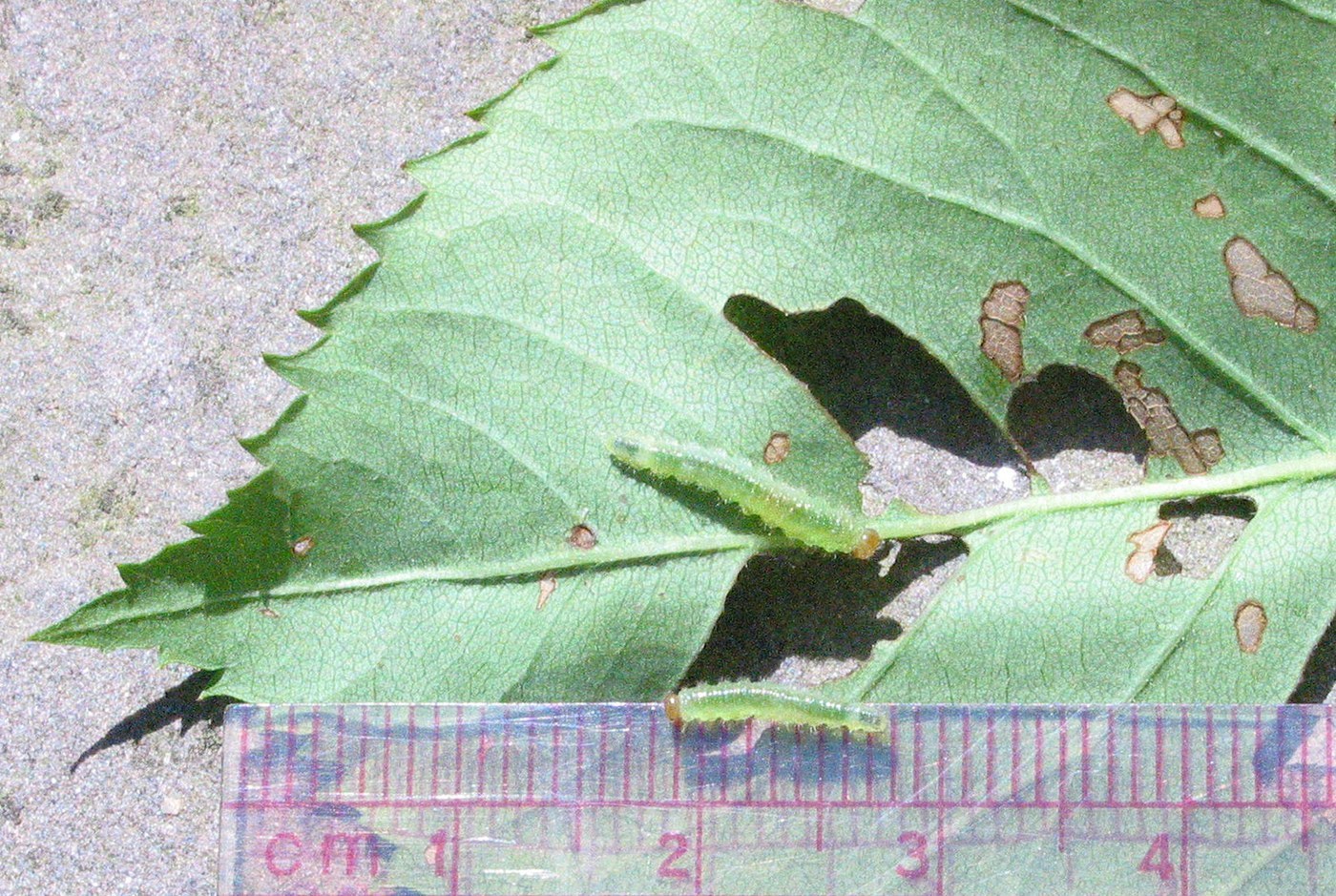
Key Visual Features
The bristly rose slug is not a true caterpillar but the larva of a sawfly, a relative of wasps and bees. It resembles a small caterpillar closely enough to cause confusion, but a few features set it apart.
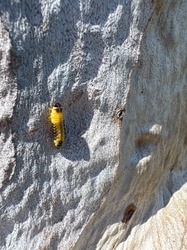
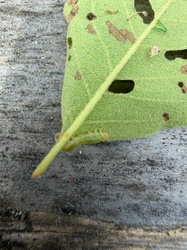
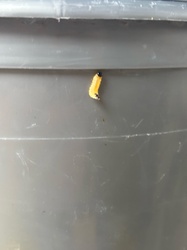
- Body color: Pale yellow-green, often nearly translucent, blending closely with the color of rose leaves.
- Texture: Covered in fine, short bristly hairs across the body surface, giving it a slightly fuzzy or velvety look under close inspection.
- Body shape: Slender and tapered, thicker toward the front and narrowing toward the rear.
- Legs: Sawfly larvae have more pairs of fleshy prolegs than moth or butterfly caterpillars — typically six or more pairs along the abdomen in addition to the three pairs of true legs near the head, which can help confirm identification if the larva can be examined closely.
- Size: Small, usually under an inch (about 1.5-2 cm) long.
Where and When You'll See It
Bristly rose slugs are found on the leaves of cultivated and wild rose plants across much of North America. They are typically seen from spring through fall, with larvae resting and feeding on the leaf surface, often on the underside.
Similar-Looking Larvae
- Roseslug sawfly (Endelomyia aethiops): A related species with a smooth, non-bristly body, distinguishing it from the bristly rose slug's hairy texture.
- Curled rose sawfly: Similar green coloring but often shown coiled or curled at rest, without the same dense bristling.
- Moth or butterfly caterpillars on roses: True caterpillars have at most five pairs of abdominal prolegs (usually fewer), while sawfly larvae like the bristly rose slug typically have six or more, which is a reliable way to separate the groups when the larva can be viewed closely.
Quick ID Checklist
- Pale yellow-green, semi-translucent body
- Fine bristly hairs covering the body surface
- Slender, tapered shape under 2 cm long
- Six or more pairs of abdominal prolegs (more than true caterpillars)
- Found feeding on rose leaves from spring through fall
Frequently asked questions
Is the bristly rose slug a caterpillar?
No, it is the larva of a sawfly, a wasp relative, though its caterpillar-like shape often causes it to be mistaken for a moth or butterfly larva.
How can I tell a sawfly larva from a true caterpillar?
Sawfly larvae like the bristly rose slug typically have six or more pairs of fleshy prolegs on the abdomen, while true caterpillars have five or fewer.
What plants does the bristly rose slug feed on?
It feeds specifically on the leaves of rose plants, both cultivated and wild varieties.
What does the adult bristly rose slug look like?
The adult is a small, dark, non-stinging sawfly, quite different in appearance from the pale, bristly larval stage.
Bristly Rose Slug identified by the community
Recent Bristly Rose Slug finds identified with Bug Identifier.