
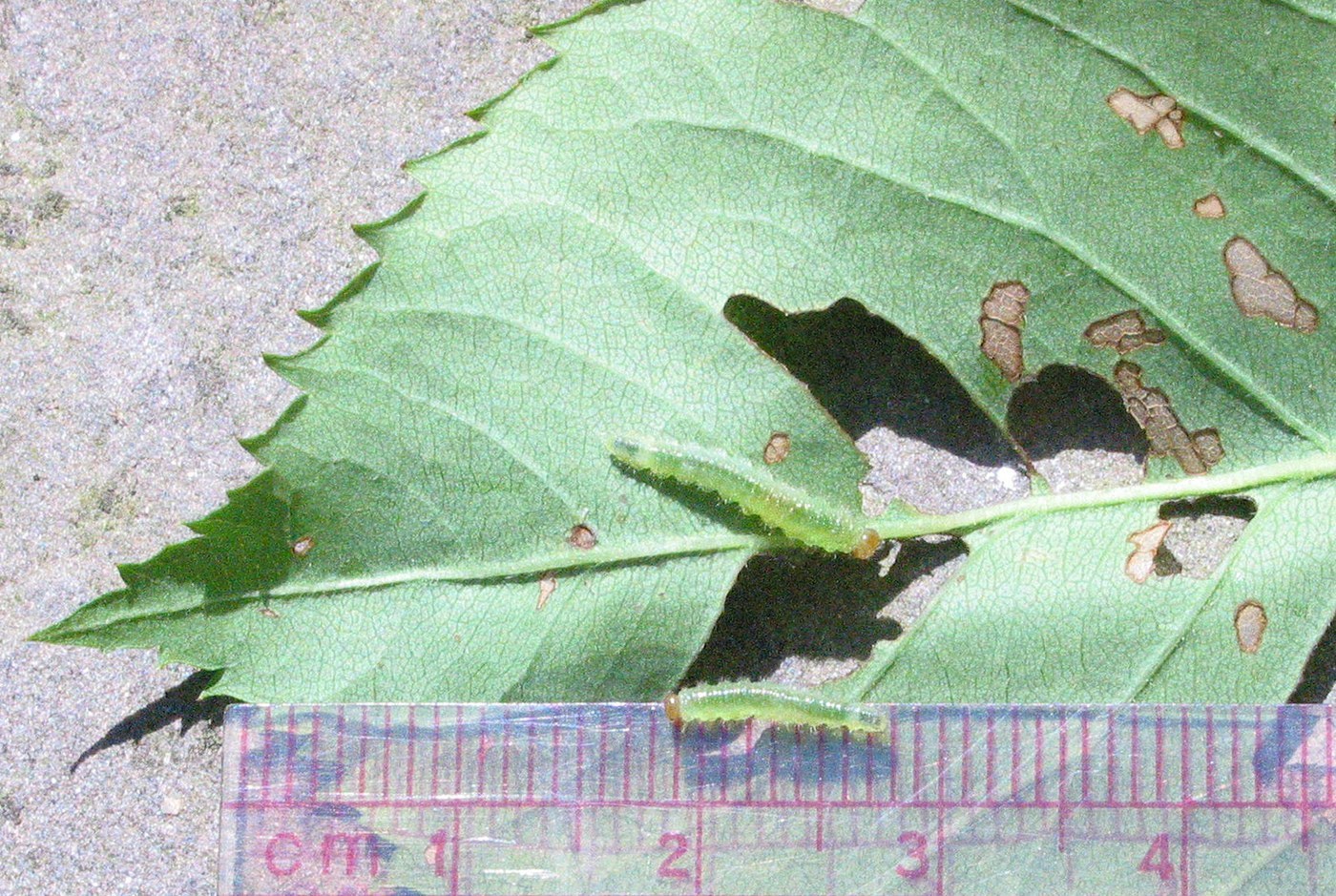
Bristly Rose Slug
Cladius difformis
Despite its caterpillar-like, slug-shaped body covered in fine bristles, this pale green larva is actually the offspring of a small sawfly and feeds on rose leaves by skeletonizing them from the underside.
- Size
- About 1.3 cm (0.5 in) long
- Habitat
- Rose gardens and wild rose thickets across temperate North America and Europe
- Danger
- Nuisance pest
Spotted a bug like this?
Identify any bug or insect from a photo, free.
Overview
The bristly rose slug is the larval stage of Cladius difformis, a sawfly (order Hymenoptera, family Tenthredinidae) rather than a moth or butterfly, despite its caterpillar-like appearance. It is one of several 'rose slug' sawflies that feed on cultivated and wild roses across temperate regions.
The larva gets its common name from its slightly slimy, slug-like posture and the fine, bristly hairs covering its pale green body. It feeds on the underside of rose leaves, chewing away the soft tissue and leaving a papery, skeletonized leaf surface behind.
Because sawfly larvae resemble caterpillars so closely, they are frequently mistaken for moth or butterfly larvae, though the distinction can be made by counting the fleshy prolegs along the abdomen, among other features familiar to entomologists.
How to Identify
- Body is pale yellow-green, tapering slightly toward the rear, with a covering of fine, short bristly hairs
- Reaches about 1.3 cm (0.5 in) in length at maturity
- Head is pale and often slightly darker than the body
- Has more pairs of fleshy prolegs than true caterpillars, a technical feature that separates sawfly larvae from moth or butterfly larvae
- Feeding damage appears as skeletonized 'windowpane' patches on rose leaves, distinct from the ragged holes made by many beetles
Habitat & Range
Found in rose gardens, hedgerows, and areas with wild rose (Rosa species) across much of temperate North America and Europe. Larvae are most active from late spring through summer, with new generations appearing through the growing season in warmer climates.
Behavior & Diet
Larvae feed on the undersides of rose leaves, rasping away the lower leaf surface and leaving the upper cuticle intact, which creates a translucent, skeletonized appearance. They typically feed alone or in small, loosely associated groups rather than large aggregations. As with other sawfly larvae, they serve as a food source for birds and predatory insects, and their feeding is generally limited to the appearance of the foliage rather than the overall health of an established rose bush.
Life Cycle
Adult female sawflies use a saw-like ovipositor to insert eggs into rose leaf tissue. Larvae hatch and pass through several instars while feeding on leaf undersides. Mature larvae drop to the soil or leaf litter to pupate in a small cocoon. Multiple generations can occur in a single growing season in warmer regions, with the species typically overwintering as a mature larva or pupa in the soil.
Frequently asked questions
Is the bristly rose slug actually a caterpillar?
No, despite its caterpillar-like appearance it is the larva of a sawfly, a relative of bees and wasps, not a moth or butterfly.
What does bristly rose slug feeding damage look like?
Affected leaves show translucent, skeletonized patches where the larva has eaten the lower leaf surface but left the upper surface intact.
Where are bristly rose slugs typically found?
They occur on the undersides of rose leaves in gardens and areas with wild roses across temperate North America and Europe.
How can I tell a sawfly larva from a true caterpillar?
Sawfly larvae like the bristly rose slug have more pairs of fleshy prolegs along the abdomen than true caterpillars, among other subtle differences.
Bristly Rose Slug guides
In-depth guides for identifying, understanding, and living alongside Bristly Rose Slug.
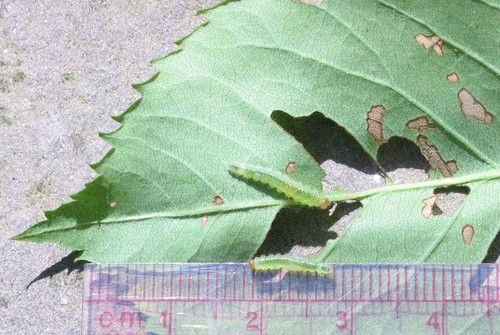
Bristly Rose Slug identified by the community
Real finds identified with Bug Identifier.


Other bugs you may enjoy
Bagworm
Trees and shrubs, especially conifers and ornamental landscaping
Armyworm
grasslands, pastures, and cereal crop fields
Zebra Longwing Caterpillar
Tropical and subtropical hammocks with passionflower vines
Tomato Hornworm
Gardens and fields with tomato, pepper, and other nightshade plants
Tent Caterpillar
Deciduous trees such as cherry, apple, and other rosaceous species
Tobacco Hornworm
tobacco, tomato, and pepper plants in gardens and fields
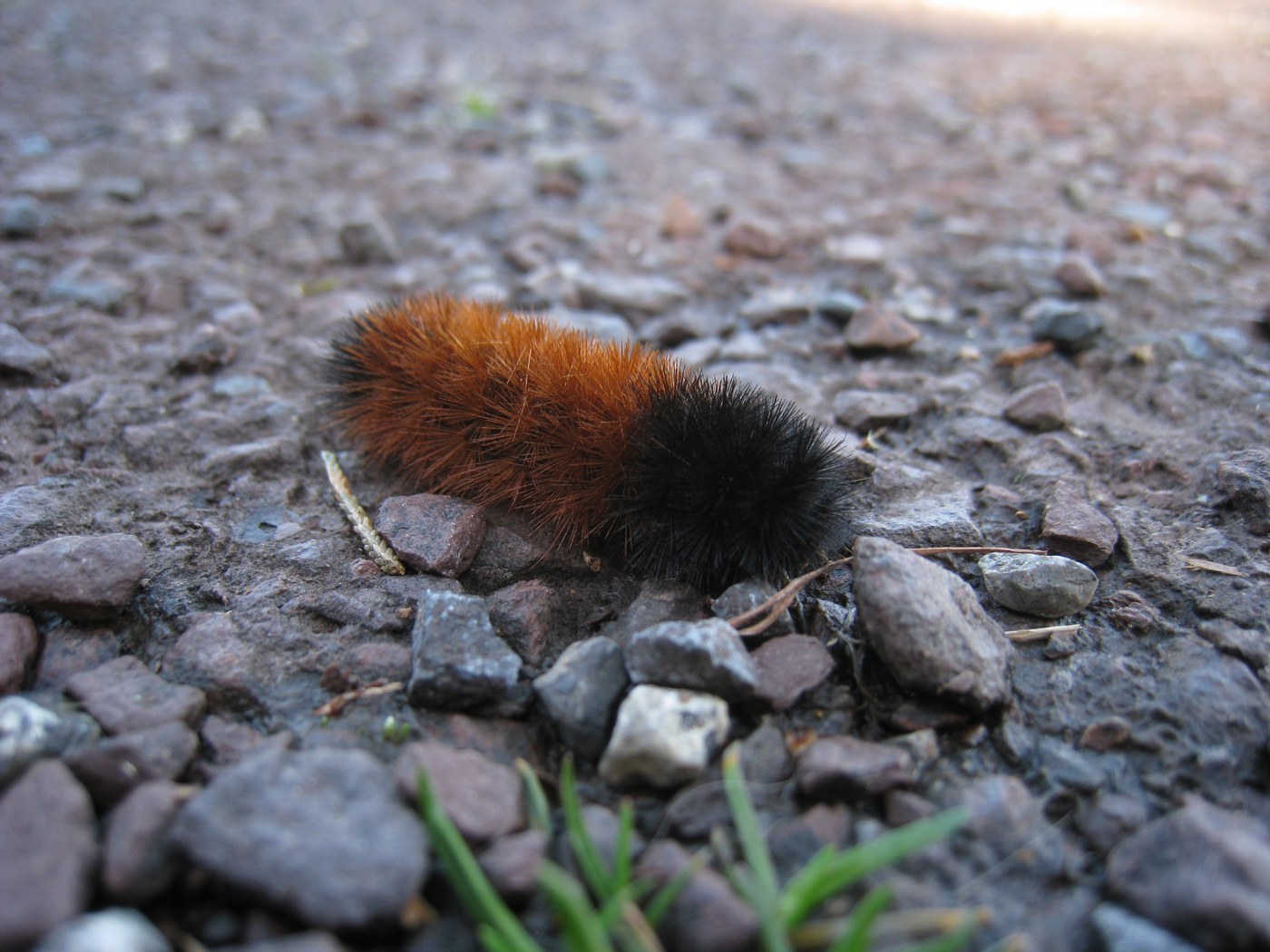
Woolly Bear Caterpillar
Gardens, meadows, roadsides, and woodland edges across North America
Sod Webworm
Turfgrass lawns, golf courses, pastures
Spiny Oak-slug Caterpillar
Deciduous forests and woodland edges with oak and other hardwoods
Saddleback Caterpillar
Deciduous trees and shrubs in eastern and southern North America
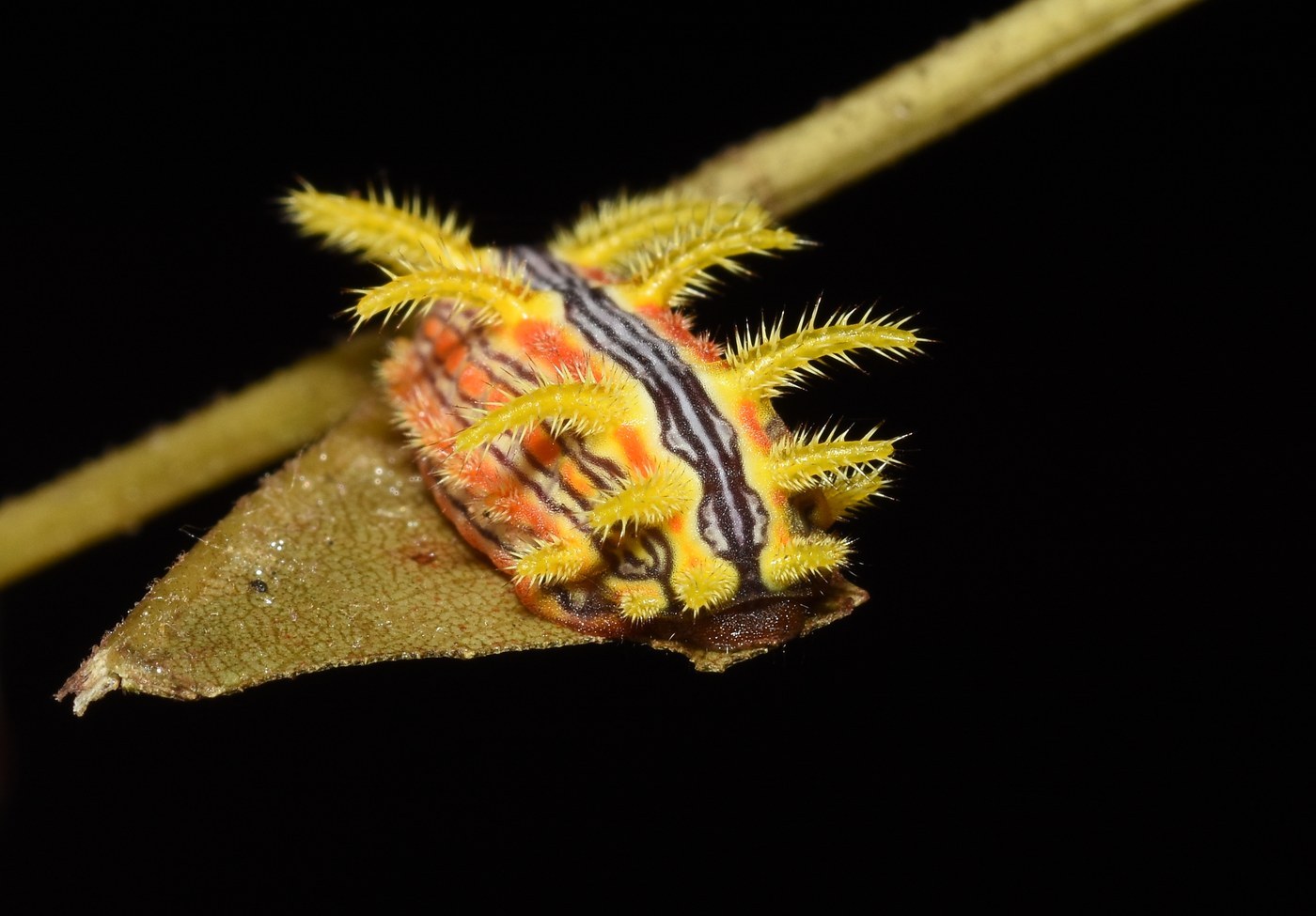
Stinging Rose Caterpillar
Gardens and woodlands with rose, dogwood, or oak
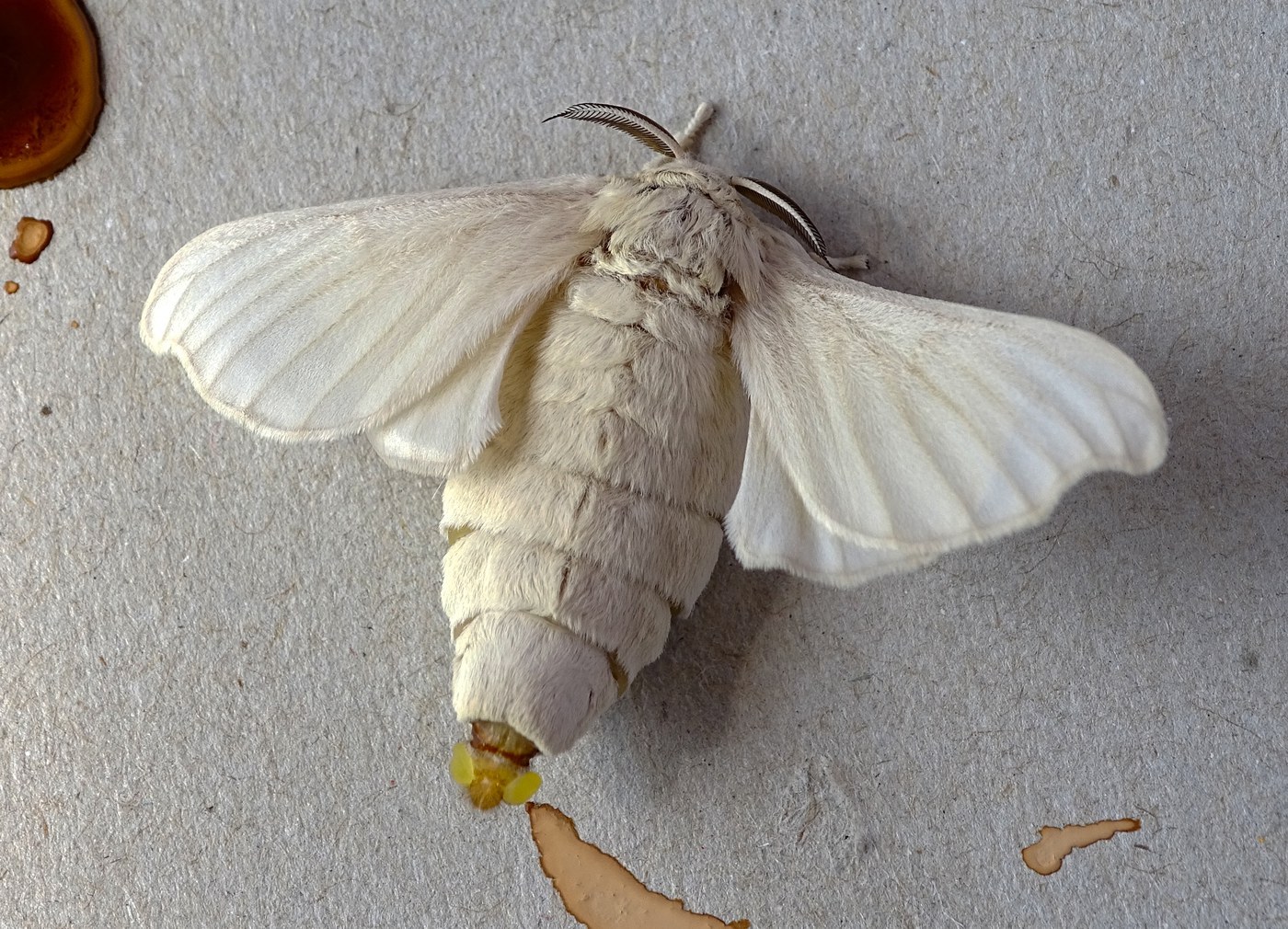
Silkworm
Reared exclusively in captivity on mulberry leaves; no independent wild population