Brown Widow Spider Identification Guide
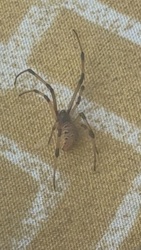
Recognize the brown widow spider by its mottled tan-brown body, orange hourglass, and spiky, textured egg sac.
Read the full Brown Widow Spider encyclopedia entry →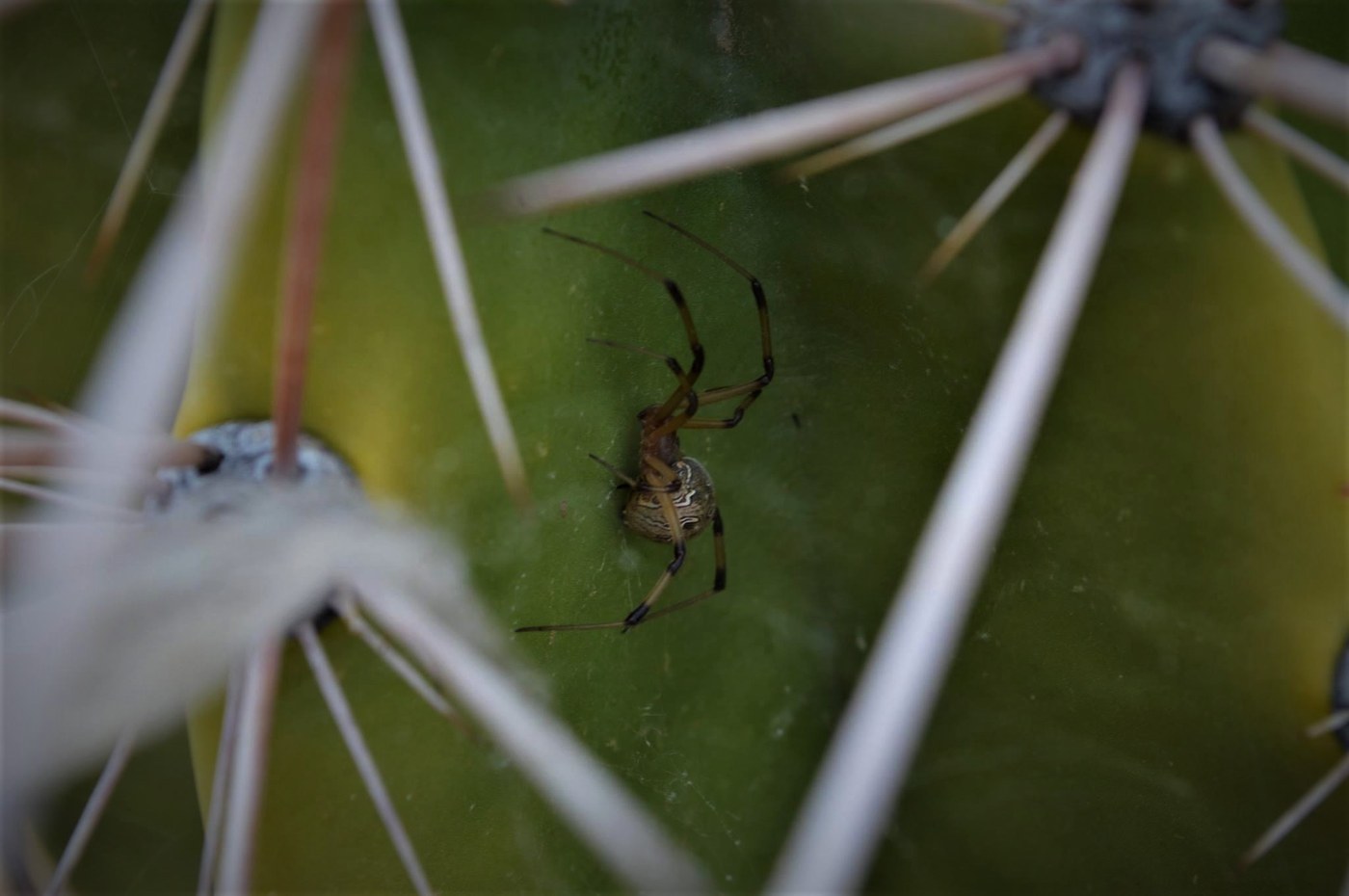
Key Visual Features
The brown widow is a lighter-colored relative of the black widow with several distinctive traits:
- Color: A mottled pattern of tan, gray, brown, and cream, sometimes with a marbled or camouflage-like appearance rather than solid black.
- Abdomen shape: Rounded and bulbous like other widows, but often slightly more elongated and with a rougher-looking texture from the mottled pattern.
- Hourglass marking: An orange to yellow hourglass on the underside of the abdomen, generally less bright red than in black widow species.
- Size: Females measure about 0.5 inches in body length; males are smaller and similarly patterned but paler.
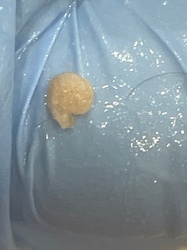
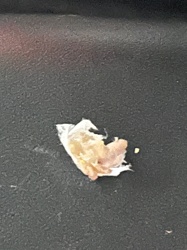
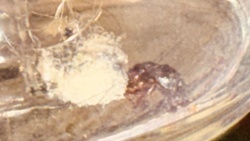
- Egg sac: One of the easiest identification clues — brown widow egg sacs are covered in distinctive pointed silk spikes, unlike the smooth, round egg sacs of black widows.
Where and When You'll See One
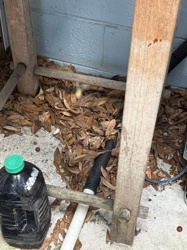
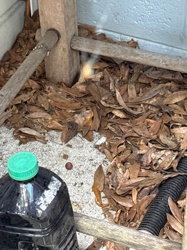
Brown widows favor warm climates and are commonly found in sheltered, human-adjacent spots such as under outdoor furniture, in mailboxes, under eaves, behind shutters, and in plant nurseries. Their irregular, tangled web is usually built low in a protected corner. They tend to be active year-round in mild climates and are especially noticeable in warmer months when egg sacs become visible in the web.
Similar-Looking Spiders
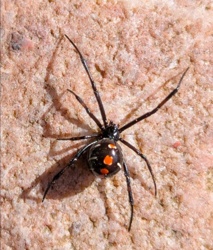
- Black widow species: Share the rounded abdomen and web style but are solid glossy black rather than mottled tan-brown, and their egg sacs are smooth rather than spiky.
- Cobweb spiders (Steatoda): Similar brownish tone but usually lack the distinct orange hourglass and spiky egg sac pattern.
- Juvenile black widows: Young black widows can show some mottled coloring before darkening with age, but they lack the consistently spiky egg sac of brown widows.
Quick ID Checklist
- Mottled tan, gray, and brown body rather than solid black
- Orange to yellow hourglass marking on the underside
- Distinctive spiky, pointed egg sac in the web
- Irregular, tangled web in sheltered spots close to structures
- Found in warm climates, often near outdoor furniture or building eaves
Frequently asked questions
What is the fastest way to tell a brown widow from a black widow?
Check the egg sac if one is present — brown widow egg sacs have distinctive silk spikes, while black widow egg sacs are smooth and round, plus the brown widow's mottled coloring differs from solid black.
Why does the brown widow's coloring vary so much?
Its mottled pattern of tan, gray, and cream provides natural camouflage against the debris and surfaces where it builds its web, and the exact shade can vary between individuals.
Where around a home should I check for brown widow webs?
Look in sheltered, low corners such as under outdoor furniture, inside mailboxes, behind shutters, or under eaves in warm climates.
Is the orange hourglass marking always easy to see?
It's usually visible on the underside of the abdomen but may appear paler or more yellow-orange than the bright red hourglass typical of black widow species.
Brown Widow Spider identified by the community
Recent Brown Widow Spider finds identified with Bug Identifier.