
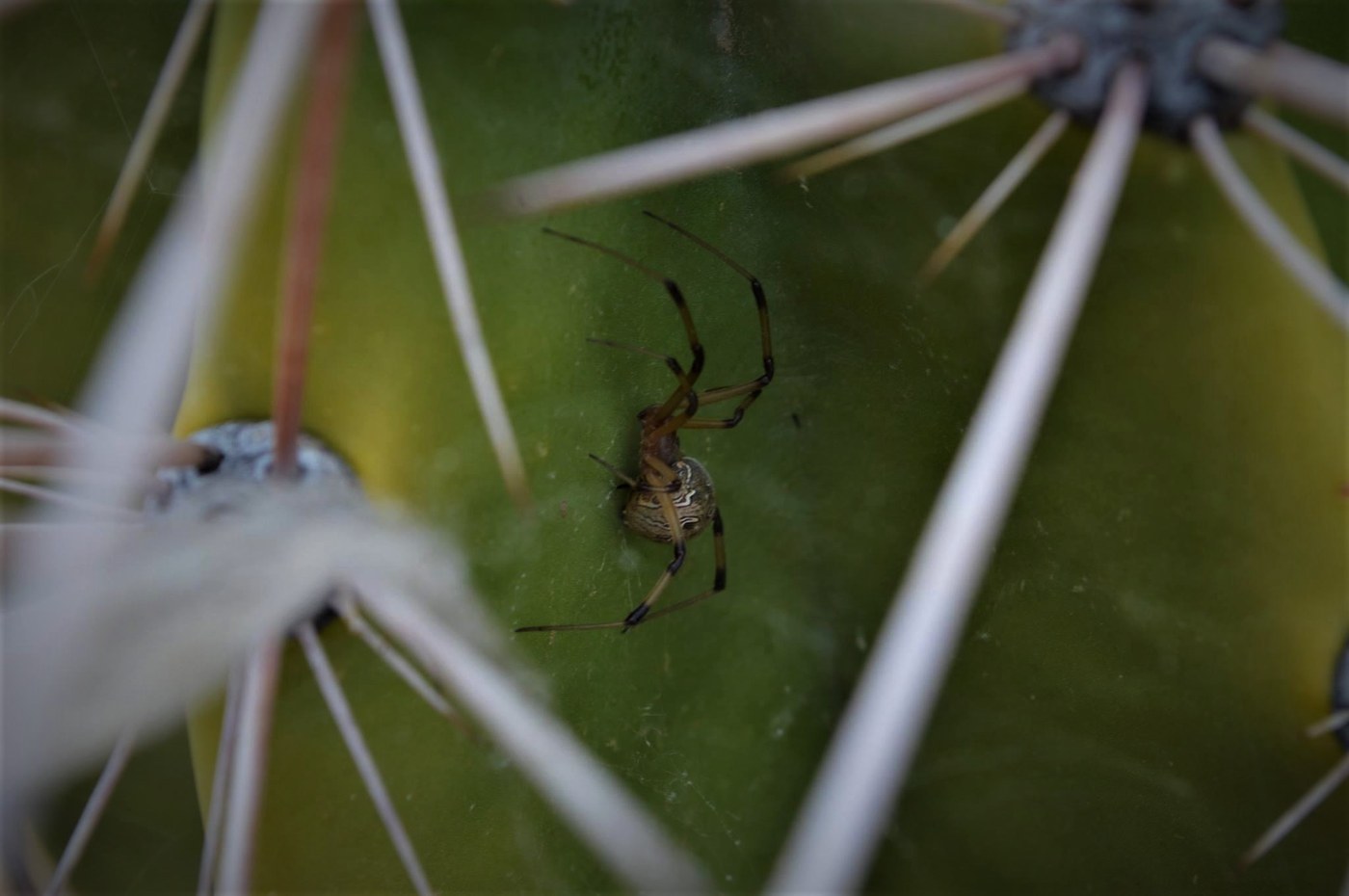
Brown Widow Spider
Latrodectus geometricus
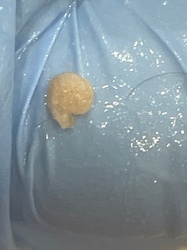
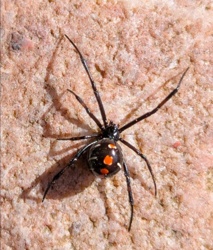
Named for its mottled tan-and-brown coloring rather than glossy black, the brown widow is easily recognized by its distinctive spiky, off-white egg sacs and an orange hourglass on its underside.
- Size
- Females 10-14 mm body length; males 3-4 mm
- Habitat
- Sheltered urban and suburban sites - patio furniture, mailboxes, plant pots - in warm climates worldwide
- Danger
- Mildly venomous
Spotted a bug like this?
Identify any bug or insect from a photo, free.
Overview
The brown widow is a widely distributed Latrodectus species believed to have originated in Africa and now established in warm regions around the world, including the southern United States. Unlike the deep black of its relatives, this spider has a mottled brown, tan, and gray pattern across its bulbous abdomen, often with a faint geometric design on top, and an orange to yellowish hourglass marking on the underside.
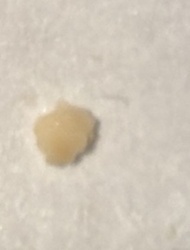
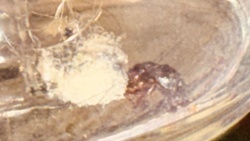
Brown widows have adapted well to human environments, commonly setting up their tangled webs in sheltered urban and suburban spots such as under patio furniture, in empty planters, behind shutters, and inside mailboxes or storage bins. One of the easiest ways to identify this species is by its egg sac, which is distinctively spiky or tufted and off-white in color, unlike the smooth, round sacs of other widow species.
This spider is generally considered timid, tending to flee or drop from its web rather than remain in place when disturbed, and it feeds on a variety of small insects that become trapped in its snare.
How to Identify
- Adult female: mottled tan, brown, and gray abdomen, sometimes with a faint geometric or hourglass pattern on top
- Orange to yellow hourglass marking on the underside of the abdomen
- Legs often show faint banding compared to the solid black legs of other widows
- Egg sac: distinctive spiky, spiny, off-white ball, unlike the smooth sacs of other widows
- Lookalikes: other Latrodectus species (darker, smooth egg sacs), false widow spiders (Steatoda, lack orange hourglass)
Habitat & Range
Found in tropical and subtropical regions worldwide, including much of the southeastern and southern United States, coastal California, Hawaii, and many parts of the Caribbean, Africa, and Asia. It thrives around buildings and landscaped areas, favoring small, enclosed voids such as under eaves, in patio furniture, mailboxes, empty containers, and low shrubs.
Behavior & Diet
The brown widow spins a small, irregular tangle web, typically less extensive than that of other widow species, usually tucked into a tight, sheltered space. It is nocturnal, resting in a silk retreat by day and becoming active at night to capture prey vibrating in its web. Considered less bold than some other widow species, it often drops from its web or retreats rather than staying near a disturbance. Its diet consists of small flying and crawling insects, including flies, moths, and beetles.
Life Cycle
Females produce numerous distinctively spiky, tan-white egg sacs over their lifetime, often several in succession, each containing many eggs. Spiderlings emerge and disperse by ballooning on silk. They undergo several juvenile molts before reaching adulthood, with females growing considerably larger than the diminutive males. In warm climates, brown widows can breed and be active year-round, contributing to their rapid spread in tropical and subtropical regions.
Frequently asked questions
How do you identify a brown widow spider?
Look for a mottled tan-brown abdomen with an orange hourglass underneath, and especially its distinctive spiky, off-white egg sac, which is unlike the smooth sacs of other widow species.
Where are brown widow spiders commonly found?
They favor warm climates and are frequently found around homes in sheltered spots like patio furniture, mailboxes, empty pots, and eaves.
Is the brown widow the same species as the black widow?
No, it is a distinct species in the same genus, Latrodectus, distinguished by its brown mottled coloring, orange hourglass, and spiky egg sacs.
What does the brown widow eat?
It feeds on small insects such as flies, moths, and beetles that become trapped in its web.
Brown Widow Spider guides
In-depth guides for identifying, understanding, and living alongside Brown Widow Spider.
Brown Widow Spider identified by the community
Real finds identified with Bug Identifier.
Other bugs you may enjoy
Woodlouse Spider
Damp leaf litter, under logs, stones, and mulch
Wolf Spider
Gardens, grasslands, forests, leaf litter, ground burrows
Wandering Spider
Tropical and subtropical forest floor, foliage, and banana plants
Banded Garden Spider
Tall grass, meadows, and gardens with open sunny vegetation
Banana Spider
Wooded trails, forest edges, and gardens across the southeastern U.S. and the American tropics
Sydney Funnel-web Spider
Burrows in moist soil, gardens, and forested gullies around the Sydney basin of eastern Australia
Trapdoor Spider
Self-dug silk-lined burrows with a camouflaged door, in dry, well-drained soil worldwide
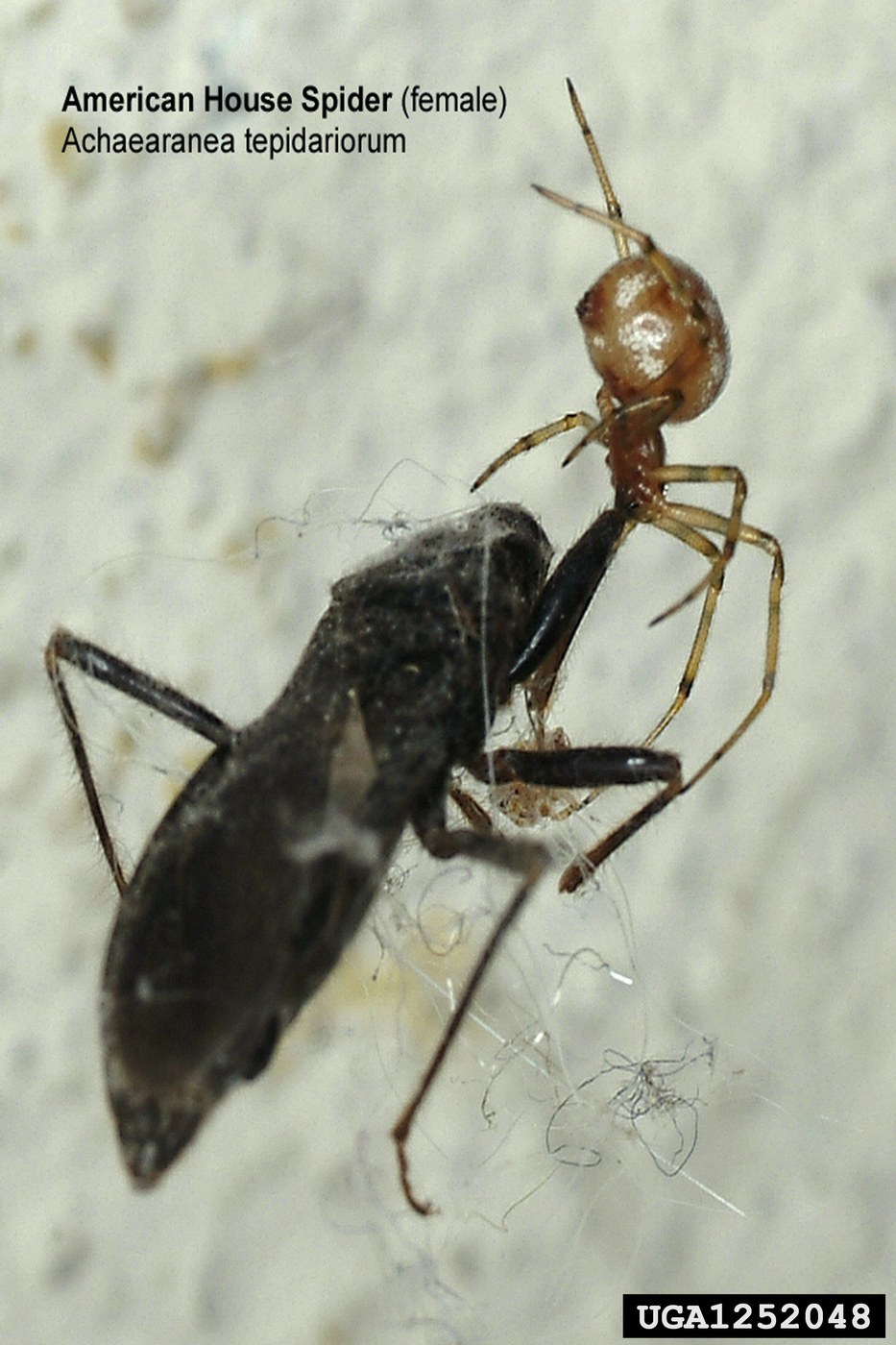
American House Spider
Corners, basements, garages, and outbuildings worldwide
Tube Web Spider
Wall crevices, bark, rockeries, and masonry
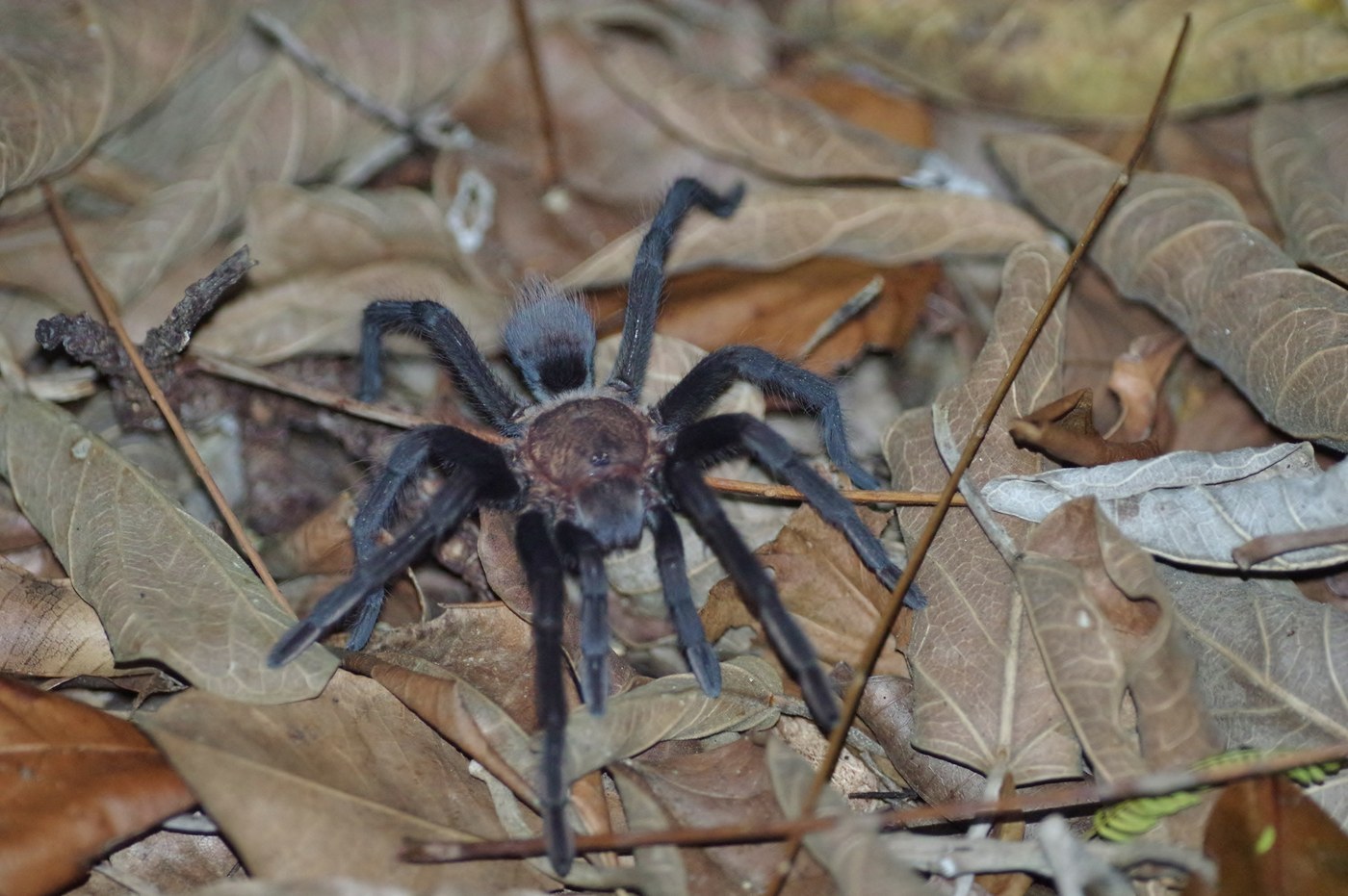
Tarantula
Burrows, rock crevices, and tree hollows in deserts, grasslands, and tropical forests worldwide
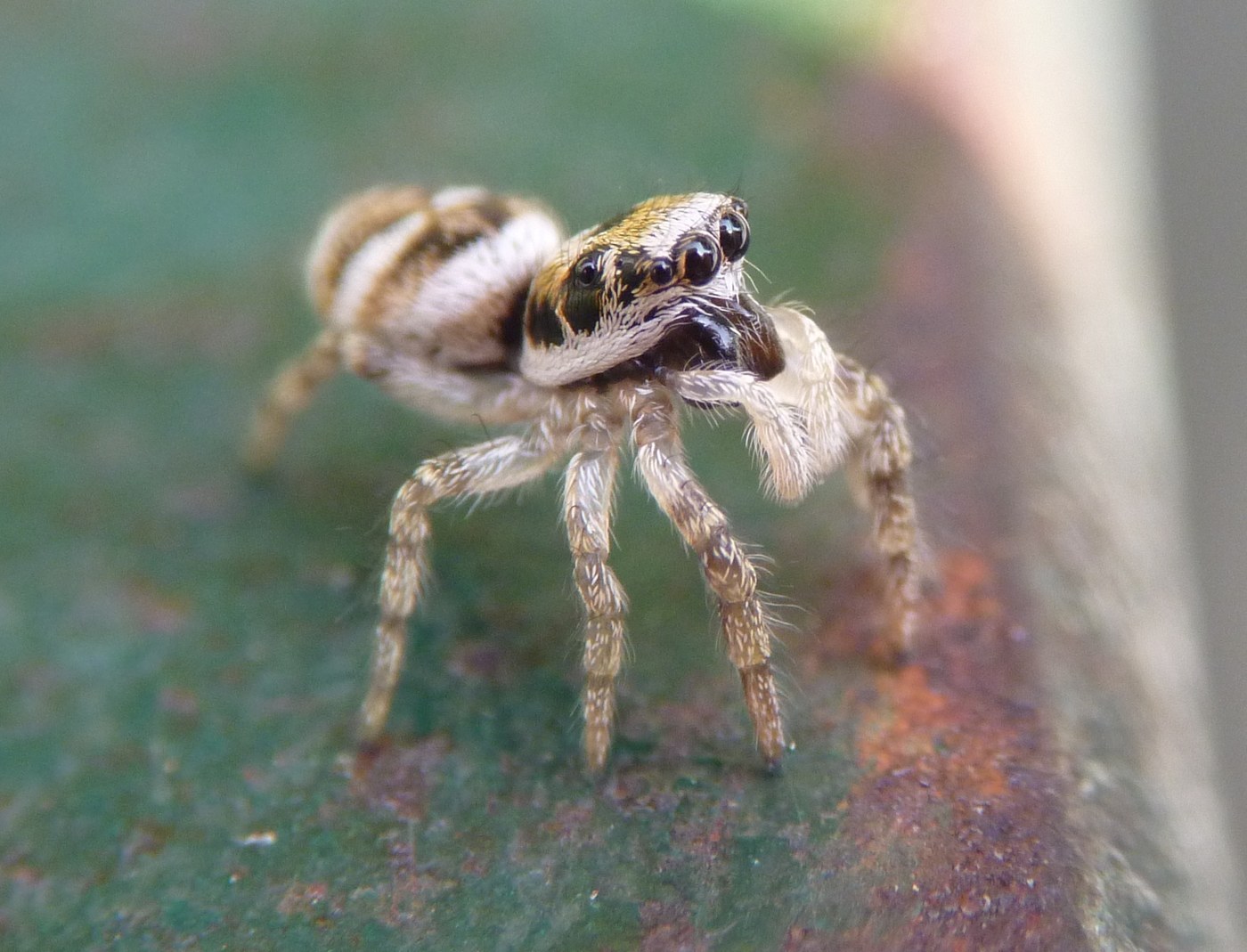
Zebra Jumping Spider
Sunny walls, fences, tree bark, and building exteriors
Wall Spider
Cracks and crevices on exterior and interior walls