Clover Mite Identification Guide
Spot the tiny reddish clover mite by its oversized front legs and habit of gathering on sunny walls.
Read the full Clover Mite encyclopedia entry →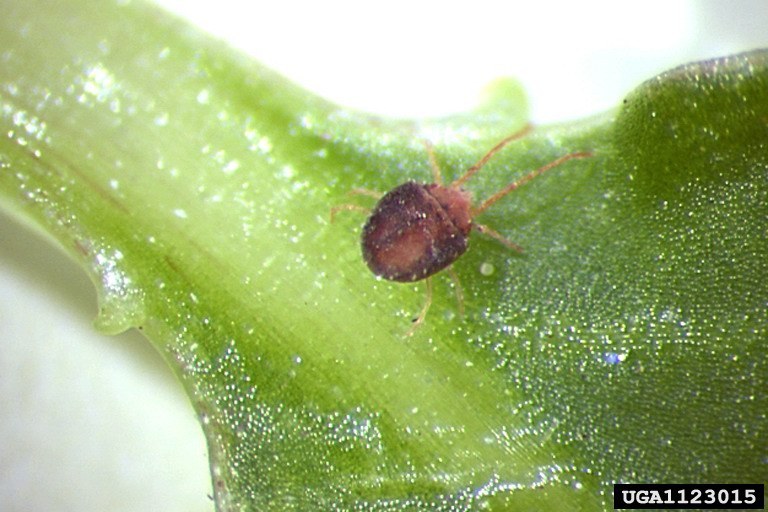
Key Visual Features
Clover mites are one of the most commonly noticed mites around homes, largely because of where they gather rather than their size.
- Size: Very small, about 0.75–1 mm long — roughly a pinhead.
- Color: Reddish-brown to olive-red, sometimes appearing brick-red in bright light.
- Body shape: Oval and flattened, with a somewhat elongated look compared to other plant mites.
- Legs: Eight legs, with the front pair distinctly longer than the others and often held forward like antennae — this is the single best clue for identification.
- Wings/antennae: None; the extended front legs are frequently mistaken for antennae but are true legs.
- Markings: Generally a solid reddish color with no strong patterning, though the body can look slightly mottled under magnification.
Where and When You'd See Them
Clover mites feed on grasses, clover, and other low vegetation, and are most active in cool weather — spring and fall — when temperatures are mild. They become conspicuous when large numbers migrate onto sunny, light-colored exterior walls, window sills, and foundations, especially on the warm side of a structure. In summer heat and winter cold, populations retreat back into vegetation and leaf litter, only reappearing on structures once temperatures moderate again.
Similar-Looking Bugs
- Spider mites are similar in size but usually pale green to yellow and are found on leaf undersides with fine webbing, not on walls or sills.
- Chiggers are reddish and tiny but are the larval stage of a different mite family, found in grassy or wooded areas rather than on structures.
- Red velvet mites are far larger (4–10 mm) and have an obviously fuzzy, velvety texture that clover mites lack.
- Soil mites are typically darker, more heavily armored, and lack the elongated front legs.
Quick ID Checklist
- Pinhead-sized, reddish-brown to olive-red body
- Front pair of legs noticeably longer than the rest, often mistaken for antennae
- Found gathering in large numbers on sunny walls, sills, and foundations
- Most active in cool spring and fall weather
- No webbing produced, unlike spider mites
Frequently asked questions
What is the easiest way to tell a clover mite from a spider mite?
Look at the front legs — clover mites have a pair of noticeably elongated front legs held forward, while spider mites have evenly sized legs and typically produce fine silk webbing.
Why do clover mites gather on the sunny side of buildings?
They are drawn to warmth, so large numbers migrate from nearby grass and clover onto light-colored, sun-warmed walls and window sills, especially in cool weather.
What color are clover mites?
They are typically reddish-brown to olive-red, sometimes appearing brick-red in strong sunlight.
When are clover mites most commonly seen?
They are most active and visible during the mild temperatures of spring and fall, becoming less active in summer heat and winter cold.
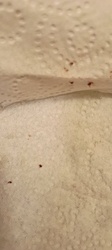
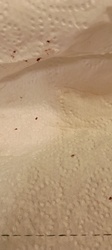
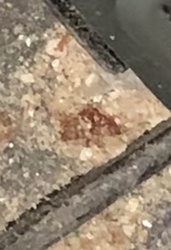
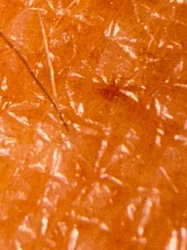
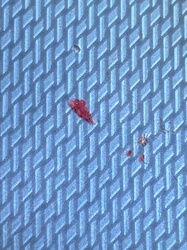
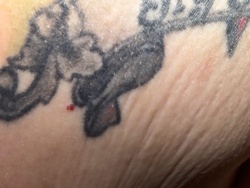
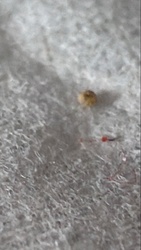
Clover Mite identified by the community
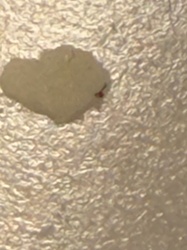
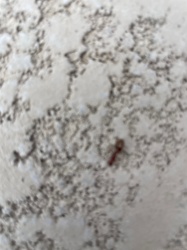
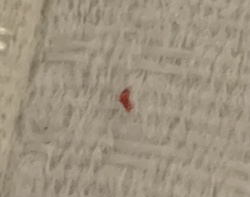
Recent Clover Mite finds identified with Bug Identifier.