Cochineal Identification Guide
Identify cochineal insects by the fuzzy white, cottony masses they form on the pads of prickly pear cactus.
Read the full Cochineal encyclopedia entry →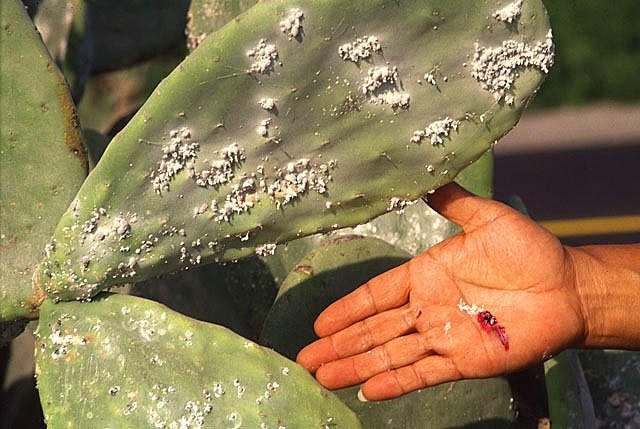
Key Visual Features
Cochineal insects are scale insects that are usually identified not by the insect's own body but by the conspicuous waxy covering they produce.
- Appearance in the field: Clusters of fuzzy, white to grayish, cotton-like masses stuck to the surface of cactus pads—this waxy coating is the most obvious identifying feature.
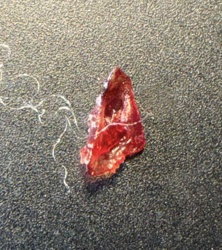
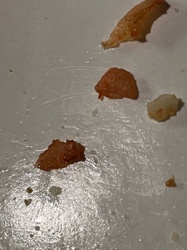
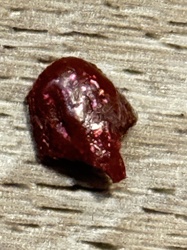
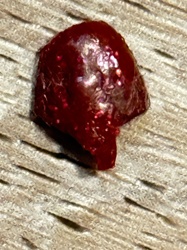
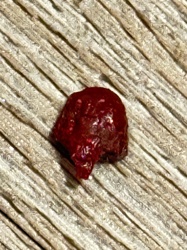
- Body underneath: The insect itself is small, oval, and soft-bodied, colored deep red to maroon beneath its white waxy covering.
- Size: Individual insects are tiny, only a few millimeters long, but they cluster together into much larger, more visible colonies.
- Males vs. females: Females are wingless and sedentary, remaining fixed under their waxy coating; males are rare to see, tiny, delicate, and winged, with a brief adult life spent seeking mates.
- Distinctive trait: If a cluster is gently disturbed, the crushed insects reveal a deep red-to-maroon color underneath the white wax, a classic field identification cue for this group.
Where and When You'll See Them
Cochineal insects are specialists on prickly pear and related Opuntia cacti, where they attach to the flat pads and feed by piercing plant tissue. They form dense, cottony patches that can cover significant portions of a pad. In warm, arid climates where their host cacti grow year-round, cochineal colonies can be found at almost any time of year, often becoming more noticeable as colonies expand during warm, dry seasons.
Similar-Looking Bugs
- Mealybugs: Also produce a white, waxy, cottony coating and can appear similar at a glance, but mealybugs are found on a much broader range of host plants, not specifically cacti, and lack the deep red color underneath.
- Woolly aphids: Produce fluffy white wax as well, but occur on different host plants (typically trees and shrubs, not cacti) and lack the red pigment.
- Cottony cushion scale: Another white, waxy scale insect, but with a more elongated, fluted egg sac rather than the loose cottony patches typical of cochineal on cactus pads.
Quick ID Checklist
- Fuzzy white to gray cottony masses on cactus pads
- Found specifically on prickly pear or related Opuntia cacti
- Deep red-to-maroon color revealed underneath the wax
- Tiny, oval, soft-bodied insect hidden beneath the waxy coating
- Females stationary and wingless; males rare, tiny, and winged
Frequently asked questions
How can I tell cochineal apart from mealybugs?
Check the host plant and color underneath the wax—cochineal is specific to prickly pear and related cacti and reveals a deep red color when disturbed, while mealybugs occur on many plant types and lack that red pigment.
Why does cochineal look like white fuzz?
The insects secrete a waxy, cotton-like coating over their bodies as they feed in place on the cactus pad, and this covering is what's most visible from a distance.
Are male cochineal insects easy to spot?
No, males are rarely seen—they are tiny, delicate, and winged, with a short adult life, while the stationary, wax-covered females are what you typically notice on cactus pads.
What plant should I check if I suspect cochineal?
Look on the flat pads of prickly pear or other Opuntia cacti, since cochineal insects specialize on this group of plants.
Cochineal identified by the community
Recent Cochineal finds identified with Bug Identifier.