Crab Spider Identification Guide
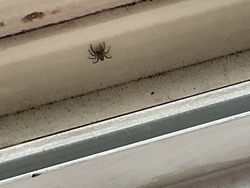
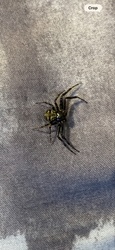
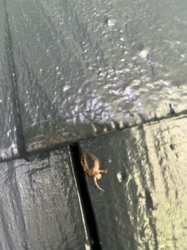
Learn to identify this ambush predator by its sideways crab-like gait and front legs held wide for grabbing prey.
Read the full Crab Spider encyclopedia entry →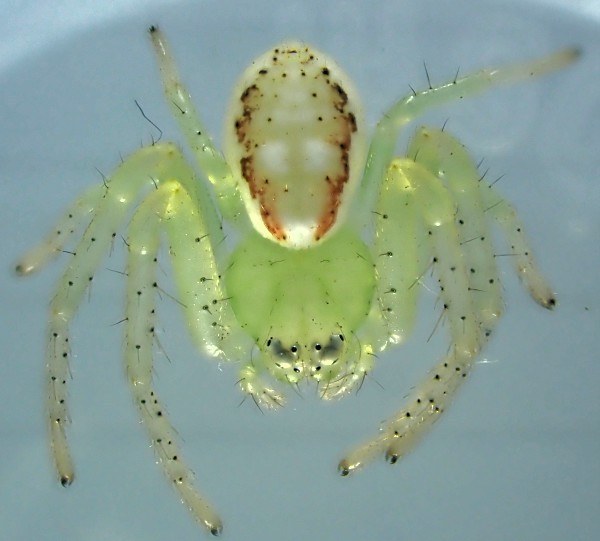
Key Visual Features
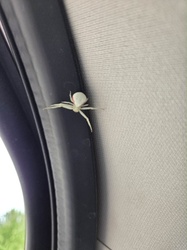
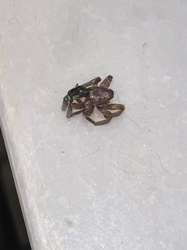
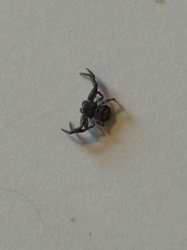
Crab spiders get their name from a body shape and movement style that closely resembles a crab:
- A wide, flattened body with the front two pairs of legs noticeably longer and thicker than the rear two pairs
- A tendency to hold the front legs out wide to the sides, ready to grab prey, similar to a crab's claws
- The ability to walk sideways or diagonally rather than always moving straight forward
- A relatively small body, generally under half an inch, with females larger than males
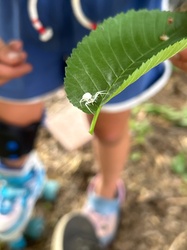
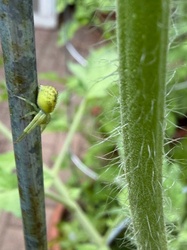
- Coloring that varies widely by species and can include white, yellow, pink, or green, with many species able to gradually shift shade to blend with the flower they are sitting on
- No web-building structures visible nearby — crab spiders are ambush hunters, not web builders
Where and When You'd See It
Crab spiders are most often found sitting motionless on flowers, foliage, or bark, waiting to ambush visiting insects. Flower-dwelling species are especially common on daisies, goldenrod, and other open-faced blooms during the warmer months from late spring through summer and into fall. Bark-dwelling species instead blend into tree trunks and are found low on trunks or branches.
Similar-Looking Bugs
- Jumping spiders also sit on foliage and flowers but have a more compact, robust body with a distinctive large pair of forward-facing eyes and move in short hops rather than a crab-like sideways gait.
- True crabs are of course unrelated and aquatic, but the resemblance in leg posture is where the name crab spider comes from.
- Orb-weavers sitting on plants build a visible web nearby, while crab spiders rely purely on camouflage and ambush with no web present.
Quick ID Checklist
- Front two leg pairs longer and held out wide, crab-claw style
- Sideways or diagonal walking movement
- Flattened, wide body shape
- Coloring often matching the flower or bark it rests on
- No web nearby — sits motionless waiting to ambush prey
Frequently asked questions
What is the easiest way to confirm a spider is a crab spider?
Watch how it moves — a sideways or diagonal crab-like gait combined with the front two leg pairs held wide apart is the clearest giveaway.
Why do some crab spiders change color?
Certain flower-dwelling species can gradually shift their body shade over a period of days to better match the color of the bloom they are sitting on, aiding their ambush strategy.
How is a crab spider different from a jumping spider found on the same flower?
Jumping spiders have a compact body with large forward-facing eyes and move in quick hops, while crab spiders have a flatter body, wide front legs, and a sideways walking style.
Do crab spiders spin a web to catch prey?
No, they are ambush predators that rely on camouflage and their strong front legs rather than building a prey-catching web.
Crab Spider identified by the community
Recent Crab Spider finds identified with Bug Identifier.