
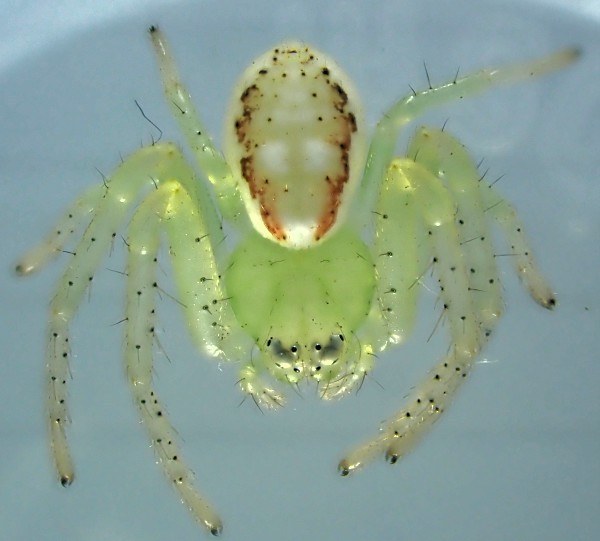
Crab Spider
Thomisidae spp.
Perched motionless atop a flower petal, often perfectly matched to its color, the crab spider is a patient ambusher that waits for pollinators to land within reach of its outstretched front legs.
- Size
- Body 0.15-0.4 in (4-10 mm)
- Habitat
- Flowers, foliage, and bark in gardens, meadows, and woodlands worldwide
- Danger
- Harmless
Spotted a bug like this?
Identify any bug or insect from a photo, free.
Overview
Crab spiders make up the family Thomisidae, a diverse group of over 2,000 species found worldwide, named for their crab-like habit of holding their two long front pairs of legs out to the sides and sometimes walking sideways or backward. Rather than building webs, crab spiders rely on camouflage and ambush, and some species, such as the goldenrod crab spider, are even capable of slowly shifting their body color between white and yellow to match the flower they are hunting from.
Because they frequently hunt on flowers, crab spiders are a common sight for anyone who spends time watching garden blooms, often going unnoticed until a visiting bee or fly is suddenly seized. Other species in the family live on bark or leaf litter, relying on mottled coloration rather than bright hues to stay hidden.
As ambush predators of flower-visiting insects, crab spiders occupy an interesting ecological niche at the intersection of pollinator and predator communities, feeding on the very insects that flowers are trying to attract.
How to Identify
- Two front pairs of legs noticeably longer and heavier than the rear pairs, held out to the sides in a crab-like stance
- Broad, flattened abdomen, often wider than it is long
- Coloration highly variable by species: bright white, yellow, pink, or green in flower-dwelling species, and mottled brown or gray in bark-dwelling species
- Capable of walking sideways or backward, unlike most spiders
- Does not build a capture web; found sitting motionless on flowers, leaves, or bark
- Lookalikes include jumping spiders, which have a more compact body and much larger forward-facing eyes
Habitat & Range
Crab spiders are found on flowers, foliage, and bark in gardens, meadows, woodland edges, and shrubland across nearly every continent. Flower-dwelling species are most active during the blooming season when nectar and pollen draw in insect prey, while bark- and litter-dwelling species remain active on tree trunks and the forest floor throughout warmer months.
Behavior & Diet
Crab spiders are sit-and-wait predators that rely almost entirely on camouflage rather than silk traps. A flower crab spider will often remain motionless on a bloom for hours or days, sometimes slowly adjusting its pigmentation to better match the petal color, until a bee, fly, or butterfly lands within reach. It then seizes the prey with its long front legs and delivers a quick bite to subdue it, often taking insects considerably larger than itself. Crab spiders are not aggressive toward anything they cannot overpower and will typically freeze or drop away if disturbed. Within their ecosystems, they help regulate populations of flower-visiting insects.
Life Cycle
Females lay eggs in a flattened silk sac, often folded within a curled leaf, and guard it until the spiderlings hatch. The young disperse to find their own hunting perches, and some species produce silk draglines to balloon on air currents to new locations. Spiderlings molt several times over the course of a season, with most species completing one generation per year in temperate climates. In colder regions, spiders typically overwinter as eggs or as partially grown juveniles, resuming development the following spring.
Frequently asked questions
Why are some crab spiders the same color as the flowers they sit on?
Certain species can gradually shift their pigmentation between white and yellow over several days to better blend in with the flower they are hunting from.
Do crab spiders spin webs?
No, they do not build capture webs; instead they ambush prey while sitting motionless on flowers, bark, or foliage.
What do crab spiders eat?
They prey on flower-visiting insects such as bees, flies, and small butterflies, as well as other small arthropods they can overpower.
Why is it called a crab spider?
Its long front legs are held out to the sides like a crab's claws, and it can walk sideways or backward in a similarly crab-like fashion.
Crab Spider guides
In-depth guides for identifying, understanding, and living alongside Crab Spider.
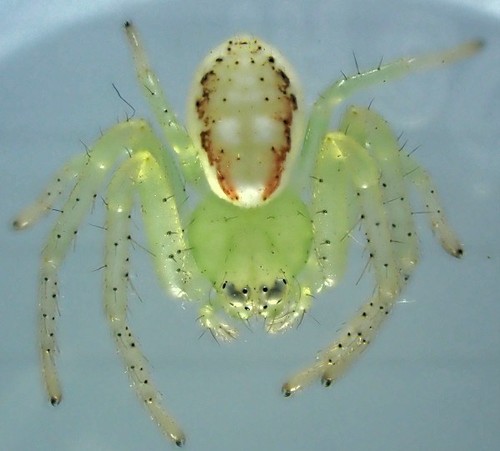
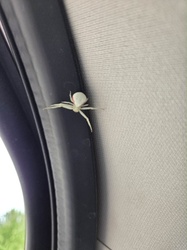
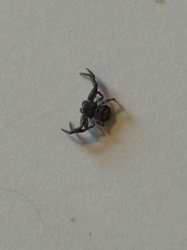
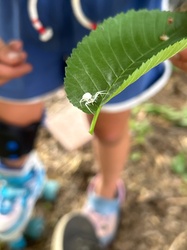
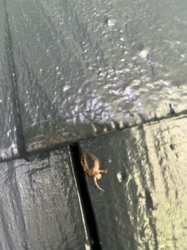
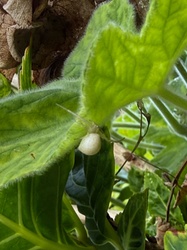
Crab Spider identified by the community
Real finds identified with Bug Identifier.
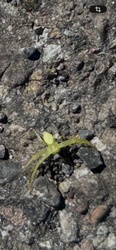
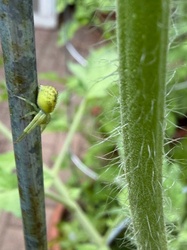
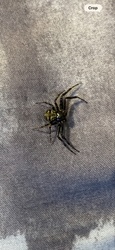
Other bugs you may enjoy
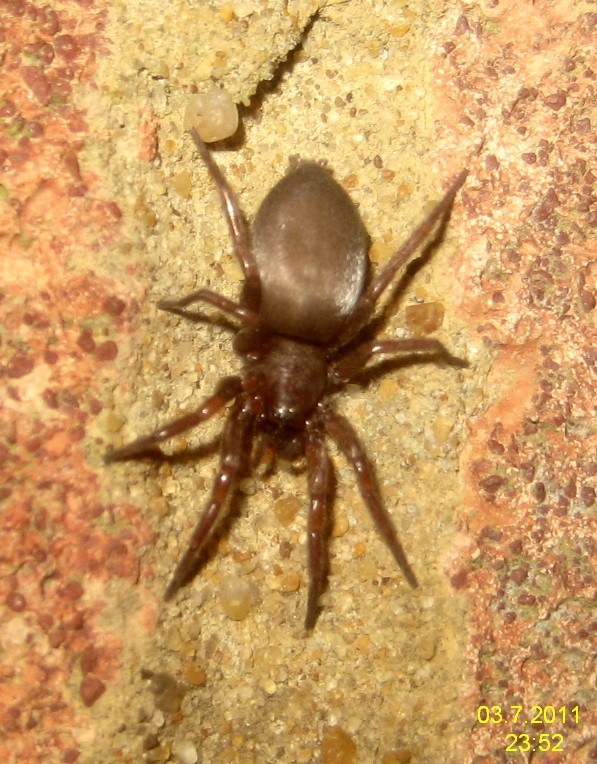
Woodlouse Spider
Damp leaf litter, under logs, stones, and mulch
Wolf Spider
Gardens, grasslands, forests, leaf litter, ground burrows
Wandering Spider
Tropical and subtropical forest floor, foliage, and banana plants
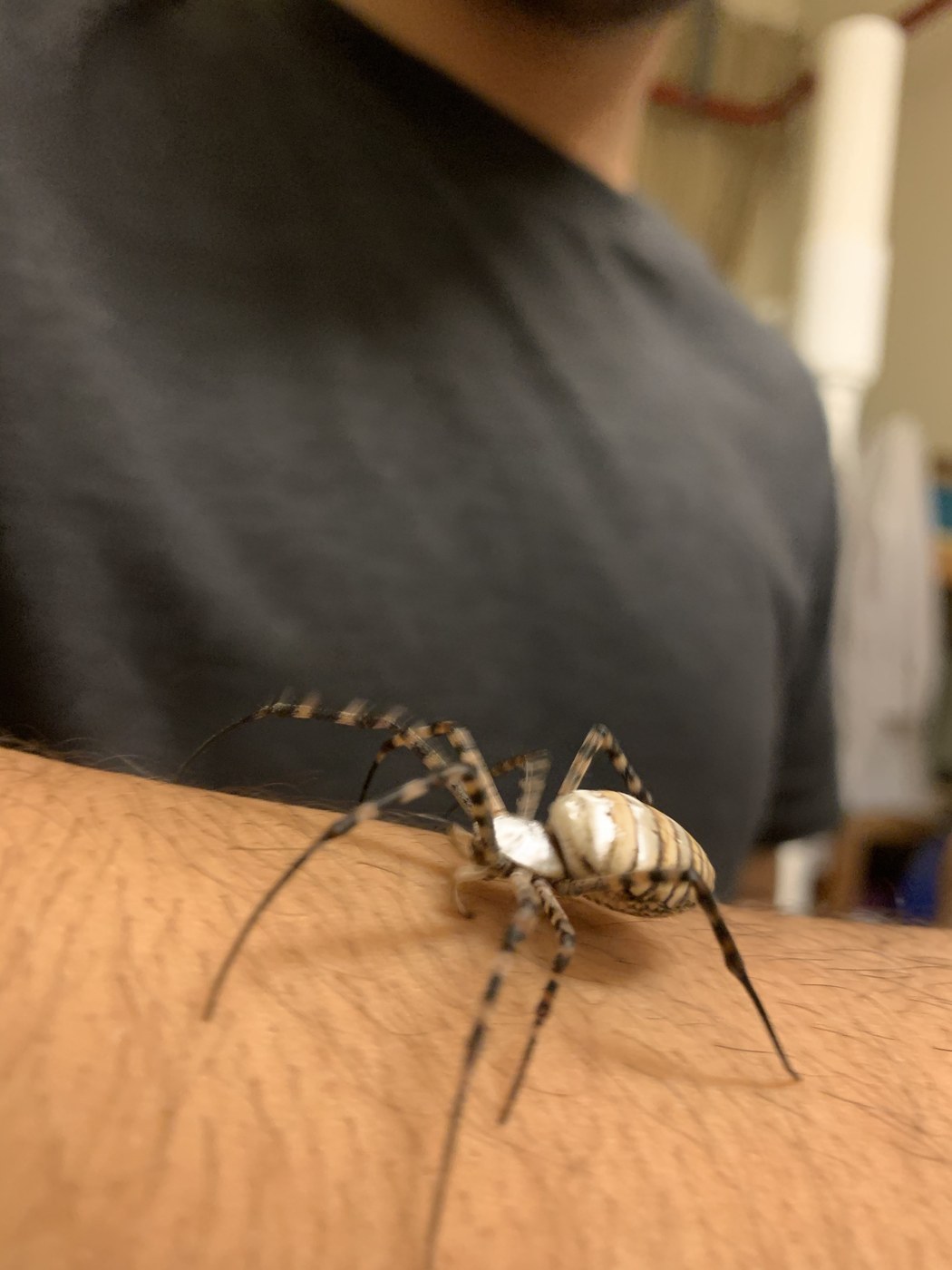
Banded Garden Spider
Tall grass, meadows, and gardens with open sunny vegetation
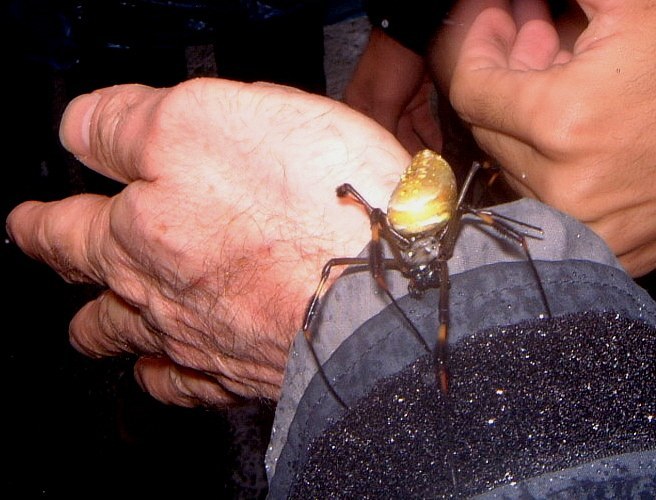
Banana Spider
Wooded trails, forest edges, and gardens across the southeastern U.S. and the American tropics
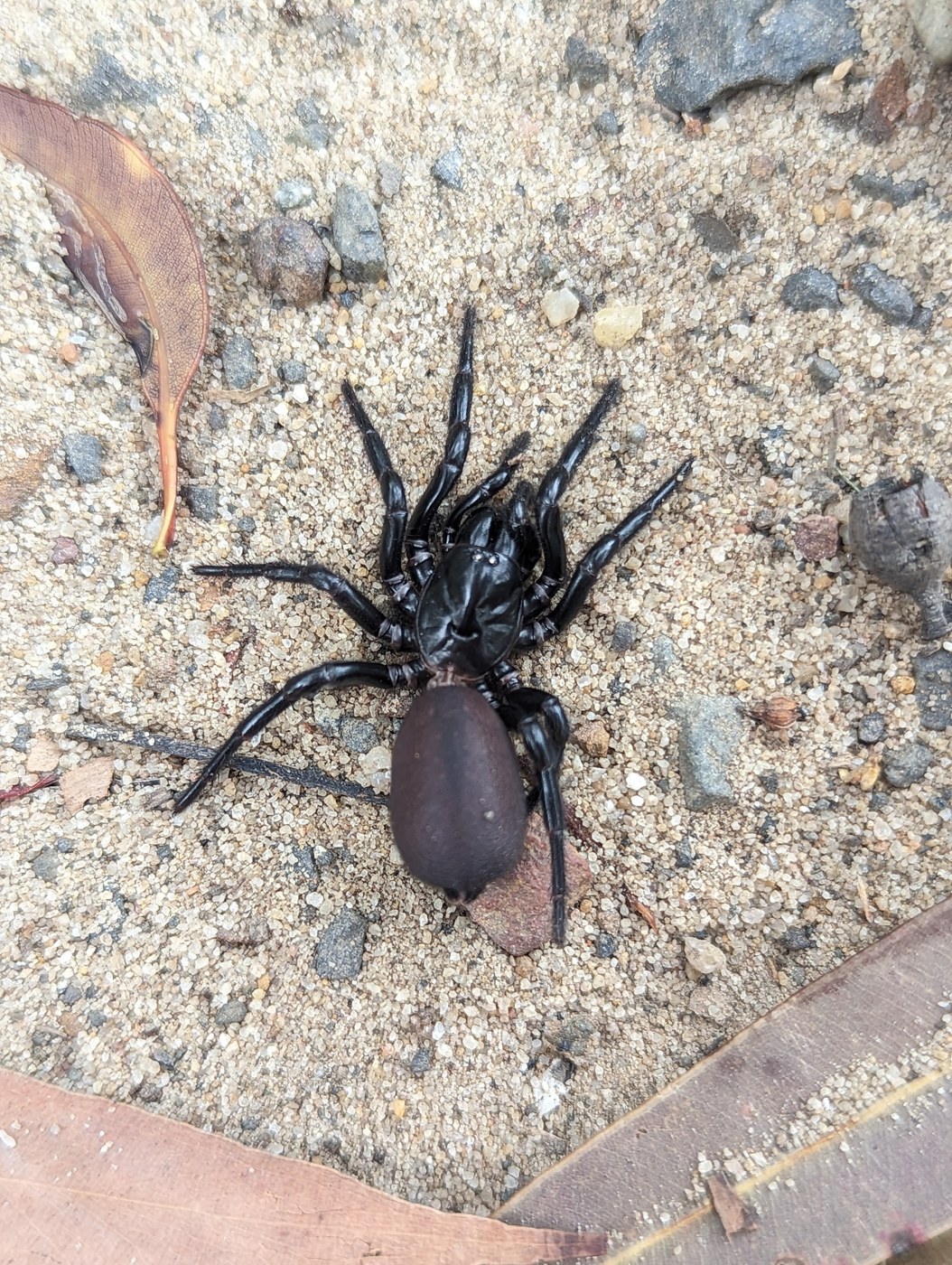
Sydney Funnel-web Spider
Burrows in moist soil, gardens, and forested gullies around the Sydney basin of eastern Australia
Trapdoor Spider
Self-dug silk-lined burrows with a camouflaged door, in dry, well-drained soil worldwide
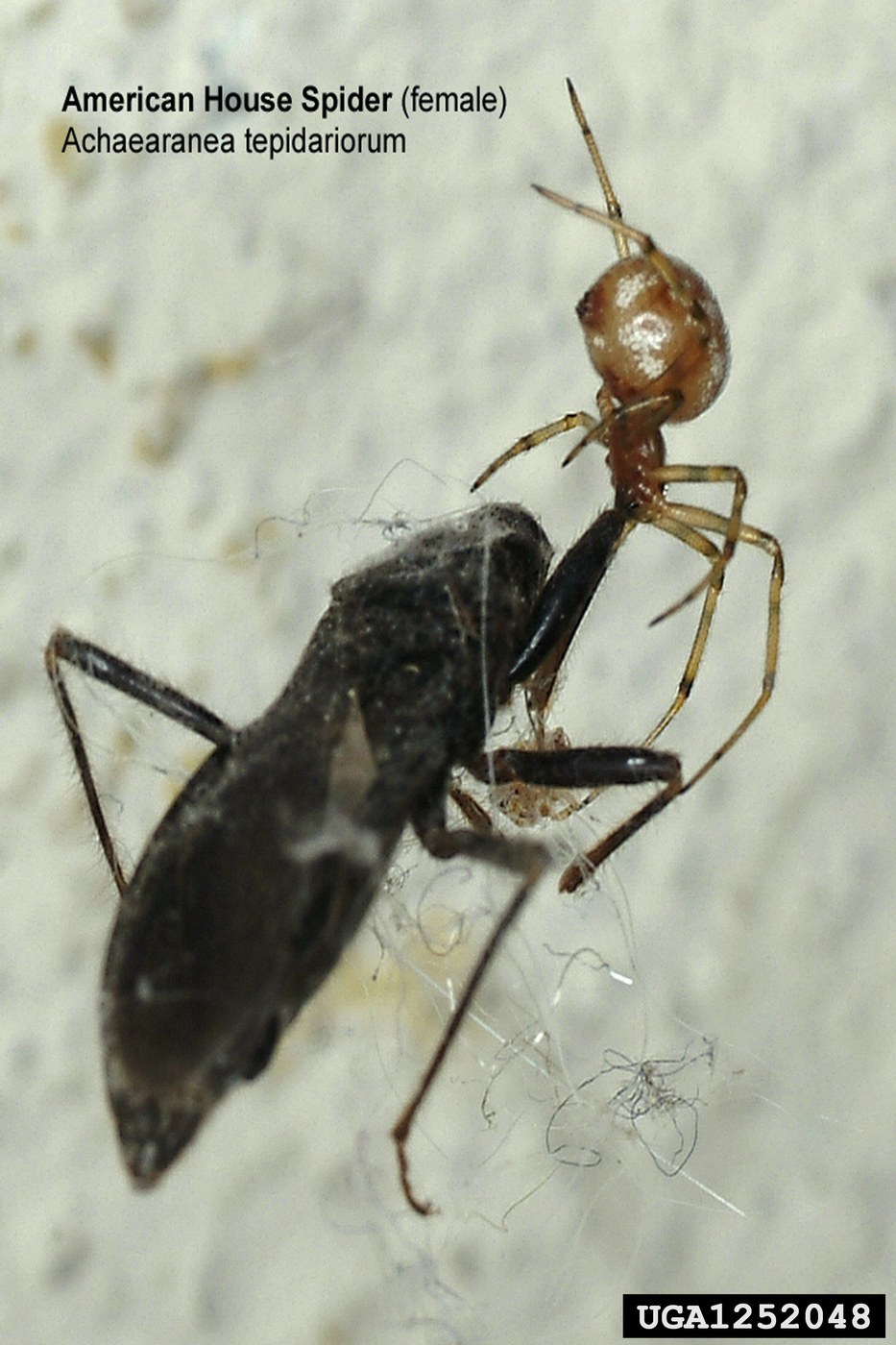
American House Spider
Corners, basements, garages, and outbuildings worldwide
Tube Web Spider
Wall crevices, bark, rockeries, and masonry
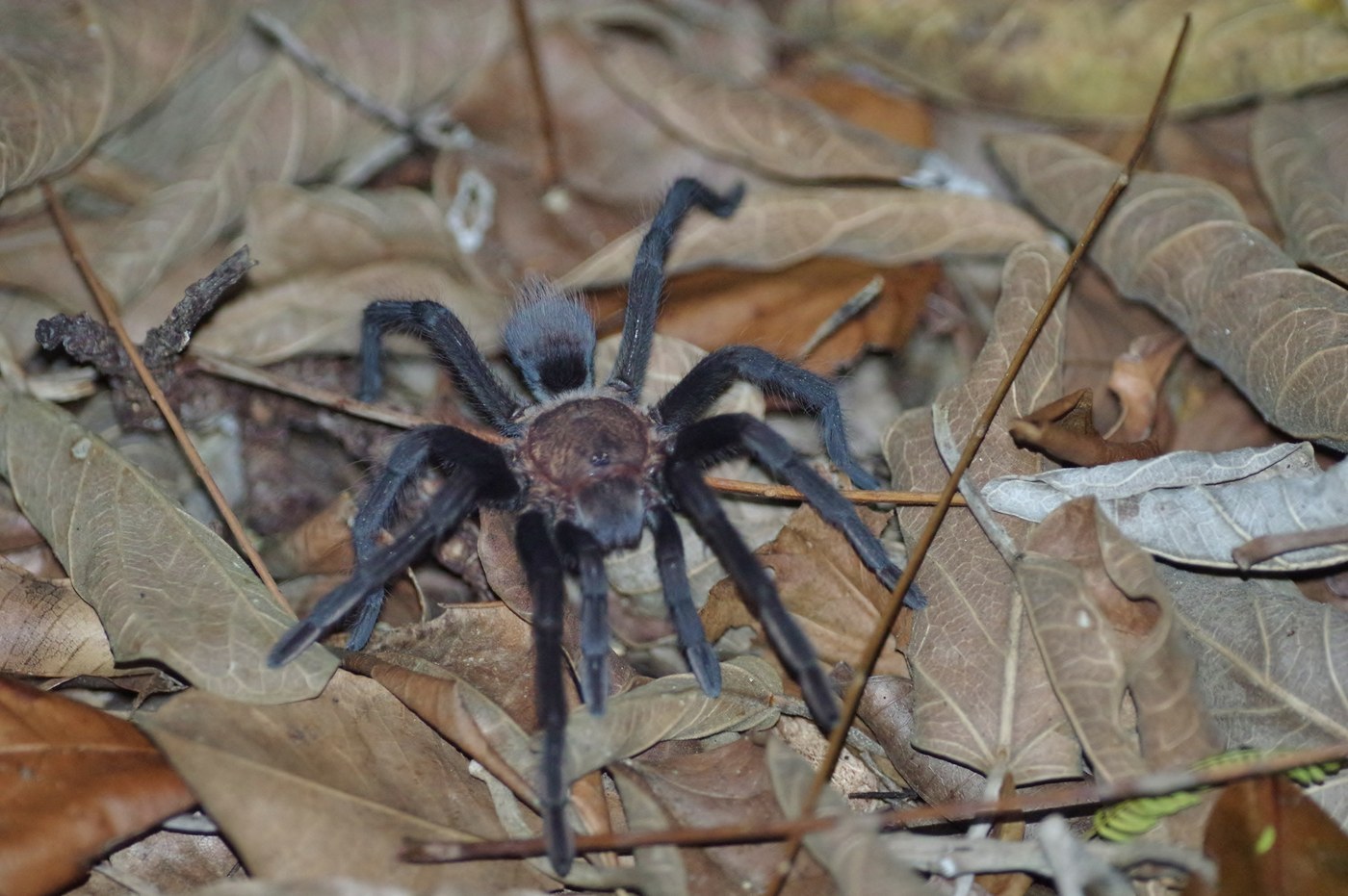
Tarantula
Burrows, rock crevices, and tree hollows in deserts, grasslands, and tropical forests worldwide
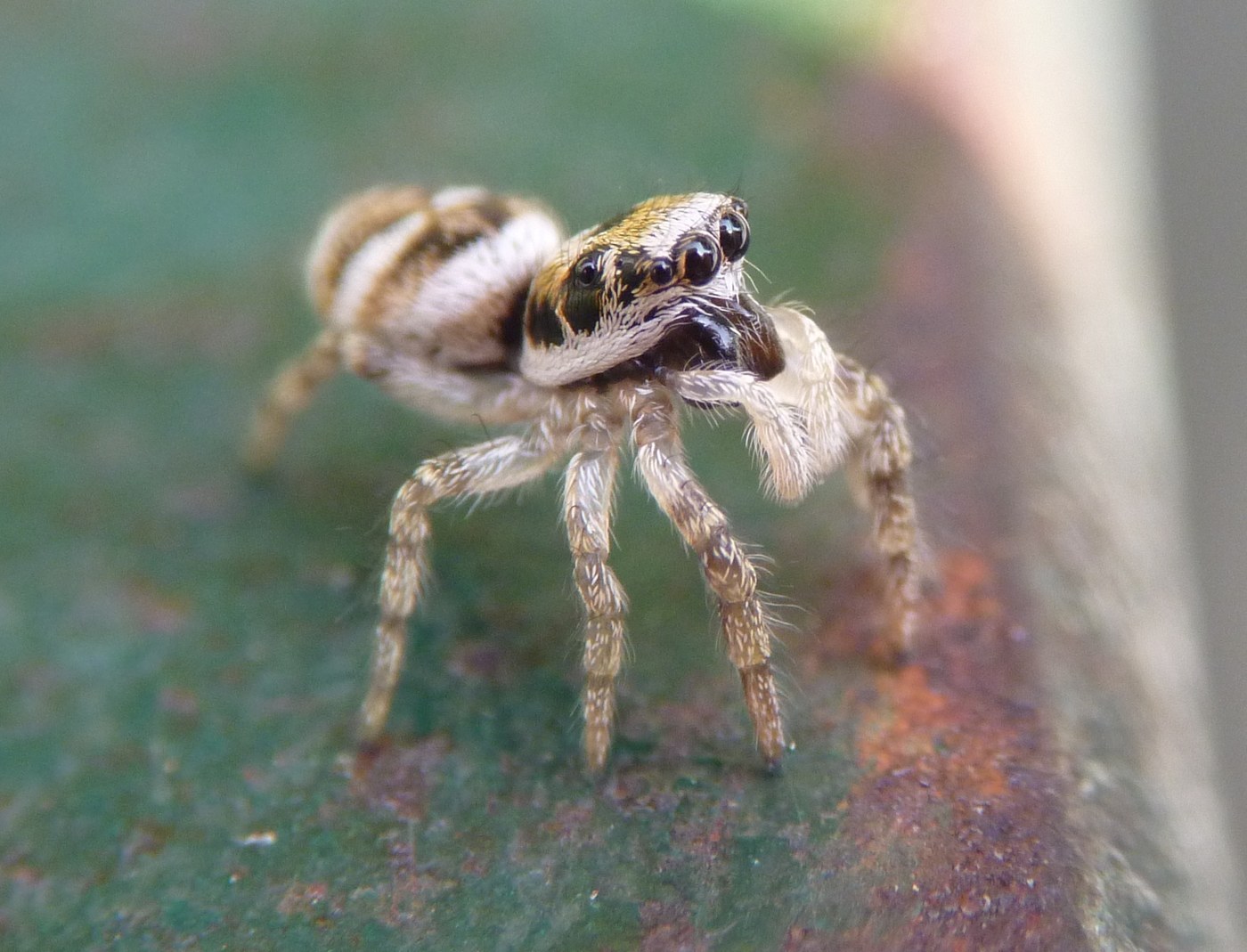
Zebra Jumping Spider
Sunny walls, fences, tree bark, and building exteriors
Wall Spider
Cracks and crevices on exterior and interior walls