Ghost Ant Identification Guide
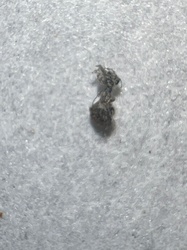
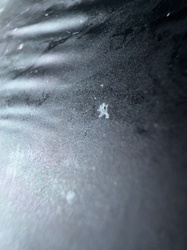
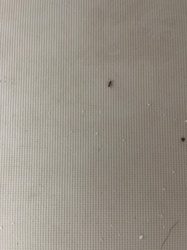
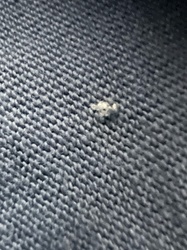
Spot the ghost ant's signature look: a dark head and thorax paired with a pale, almost translucent abdomen and legs.
Read the full Ghost Ant encyclopedia entry →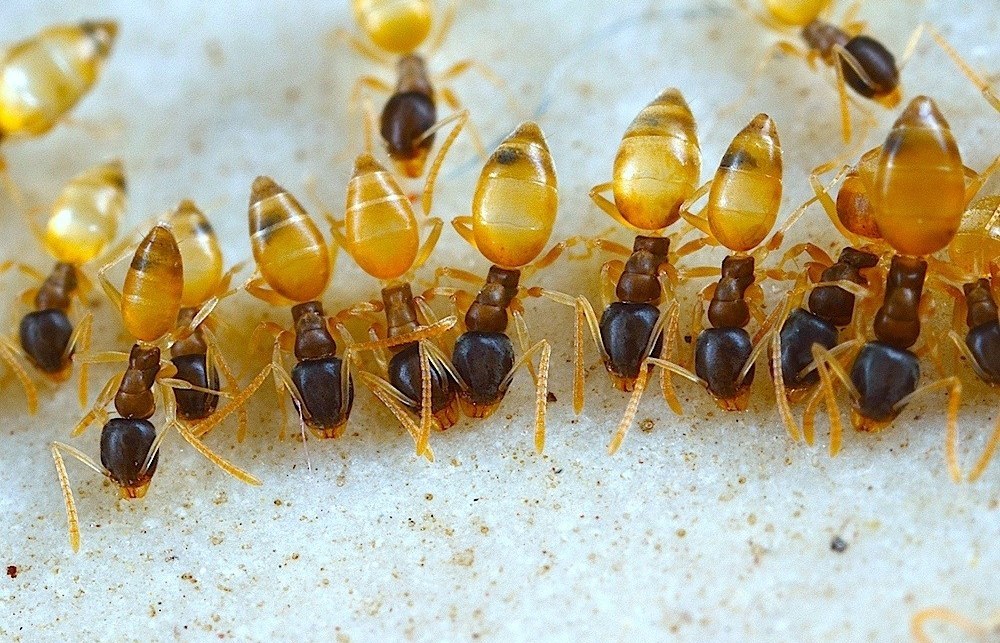
Key Visual Features
The ghost ant (Tapinoma melanocephalum) earns its name from a striking two-tone appearance:
- Tiny body length of just 1.3-1.5mm
- Dark brown to black head and thorax
- Pale, milky, almost translucent abdomen and legs that can appear whitish or grayish depending on the light
- A single flattened waist node that is largely hidden from above by the abdomen
- Long, thin legs that make the ant look somewhat leggy for its size
- Fast, erratic scurrying movement when disturbed
Where and When You'll See Them
Ghost ants thrive in warm, humid environments and are most common in tropical and subtropical regions, though they readily move indoors elsewhere and can establish persistent populations in greenhouses and heated buildings. Look for them around potted plants, in kitchens and bathrooms near moisture, along baseboards, and inside wall voids. Outdoors, they nest under mulch, in leaf litter, or beneath loose bark, and colonies frequently split into many small, loosely connected nesting sites rather than a single large one. In warm climates they can be active year-round; in cooler regions, sightings cluster in warm, humid months or indoors when the weather turns cold, often following faint trails along countertop edges or window sills.
Similar-Looking Bugs
- Odorous house ant is a similar size but uniformly dark brown to black all over, lacking the sharp light-dark contrast of the ghost ant, and releases a coconut-like odor when crushed.
- Pharaoh ant is also tiny and pale, but its whole body is a light golden to honey-brown color with a slightly darker abdomen tip, rather than the sharply bicolor pattern of a ghost ant.
- Thief ant is similarly minute but light yellow-brown overall, without the near-white, translucent abdomen of the ghost ant.
- Under a hand lens, the ghost ant's contrast is the clearest giveaway: no other common household ant pairs a dark front half with such a pale, almost see-through back half.
Quick ID Checklist
- Extremely tiny, about 1.5mm
- Dark head/thorax with pale, translucent abdomen and legs
- Single hidden waist node
- Fast, erratic movement rather than steady trailing
- Found near moisture, potted plants, and mulch
Frequently asked questions
Why is it called a ghost ant?
Its pale, almost see-through abdomen and legs contrast sharply with its dark head and thorax, giving parts of the body a faded, ghostly appearance.
How can I tell a ghost ant from an odorous house ant?
Ghost ants are bicolor with a dark front half and pale back half, while odorous house ants are uniformly dark brown to black over the entire body.
Where do ghost ants nest?
Outdoors they nest under mulch, leaf litter, or loose bark; indoors they favor wall voids, potted plants, and areas near moisture such as kitchens and bathrooms.
What kind of climate do ghost ants prefer?
They favor warm, humid conditions and are most common in tropical and subtropical areas, though they can persist indoors in cooler regions.
Ghost Ant identified by the community
Recent Ghost Ant finds identified with Bug Identifier.