Minute Pirate Bug Identification Guide
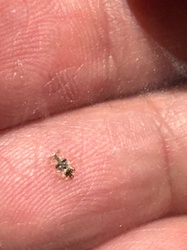
Spot the minute pirate bug by its tiny black-and-white pattern and quick movement across flowers and foliage.
Read the full Minute Pirate Bug encyclopedia entry →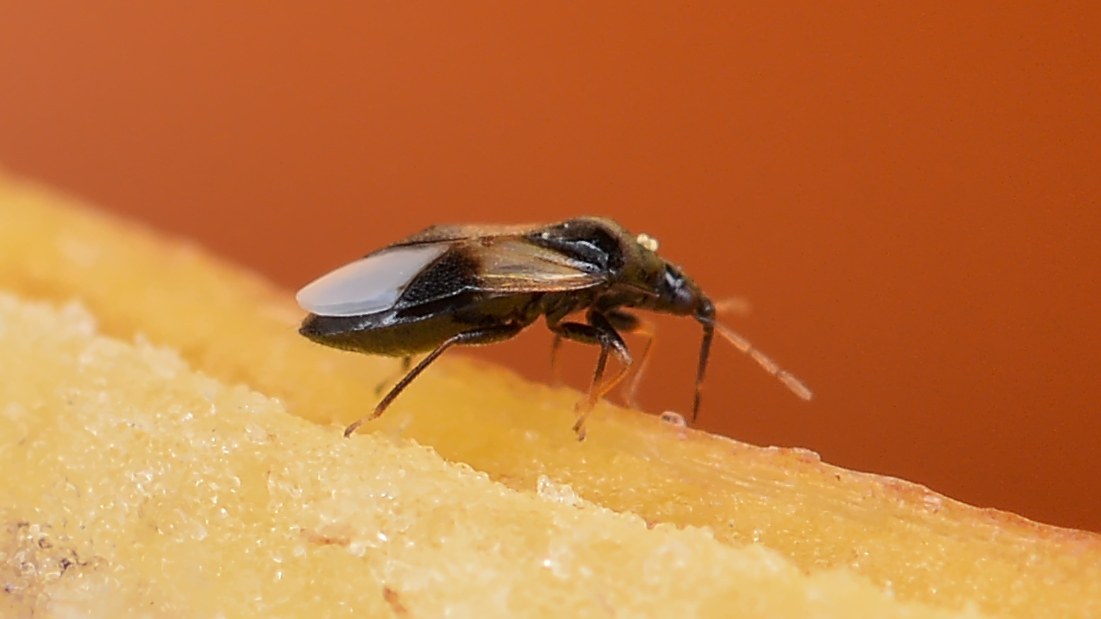
Key Visual Features
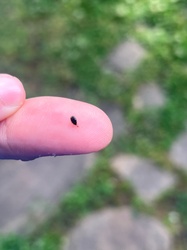
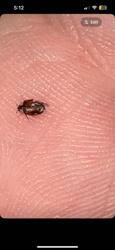
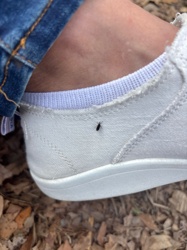
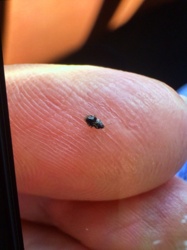
Minute pirate bugs are true bugs so small they're often noticed only when they land on skin or clothing, but their pattern makes them identifiable up close.
- Size: Very small, typically only 2–5 mm long.
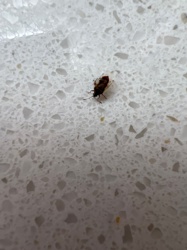
- Body shape: Oval and somewhat flattened, with a compact, hardened appearance.
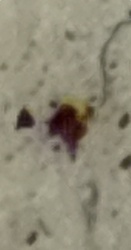
- Color pattern: Distinctive black-and-white markings, often with a pale, triangular patch on the back contrasting against darker wing areas.
- Wings: Hardened forewings (hemelytra) that fold flat over the body, with a clearly defined triangular shield (scutellum) visible where the wings meet.
- Antennae: Short, relatively thick antennae compared to body size.
- Movement: Quick and active, often darting rapidly across a flower or leaf surface.
Where and When You'll See Them
Minute pirate bugs are commonly found on flowers, foliage, and crops, where they search for small prey among pollen and plant tissue. They tend to be especially numerous in gardens and fields during warm weather, with populations often peaking in late summer. Because of their tiny size, they're easy to overlook unless you're looking closely at flower heads or examining foliage for small moving specks.
Similar-Looking Bugs
- Biting midges (no-see-ums): Similar in tiny size and easily confused when both are present in the same area, but midges are true flies with a single pair of wings and a soft body, while minute pirate bugs have hardened forewings and a distinct black-and-white pattern.
- Other small true bugs: Many tiny bugs exist on foliage, but the sharply contrasting black-and-white pattern and visible triangular scutellum are fairly distinctive for minute pirate bugs.
- Aphids: Similarly found on plants but soft-bodied, often pear-shaped, and lack the pirate bug's hardened, patterned wing covers.
Quick ID Checklist
- Very small, 2–5 mm body
- Oval, flattened shape with hardened forewings
- Contrasting black-and-white pattern
- Visible triangular scutellum where wings meet
- Fast, darting movement on flowers and foliage
Frequently asked questions
How can I tell a minute pirate bug from a no-see-um?
Look closely at the wings—minute pirate bugs have hardened, patterned forewings typical of true bugs, while no-see-ums are flies with a single pair of soft wings and no hard wing covers.
Why are minute pirate bugs so hard to spot?
Their extremely small size, only a few millimeters long, combined with quick, darting movement makes them easy to miss unless you're examining flowers or foliage closely.
Where are minute pirate bugs most often found?
On flowers and foliage in gardens and fields, where they move actively across plant surfaces, particularly common in warm months.
What pattern helps identify a minute pirate bug?
A sharply contrasting black-and-white pattern on the back, along with a visible triangular scutellum shield where the folded wings meet, is a strong identifying feature.
Minute Pirate Bug identified by the community
Recent Minute Pirate Bug finds identified with Bug Identifier.