
Minute Pirate Bug
Orius insidiosus
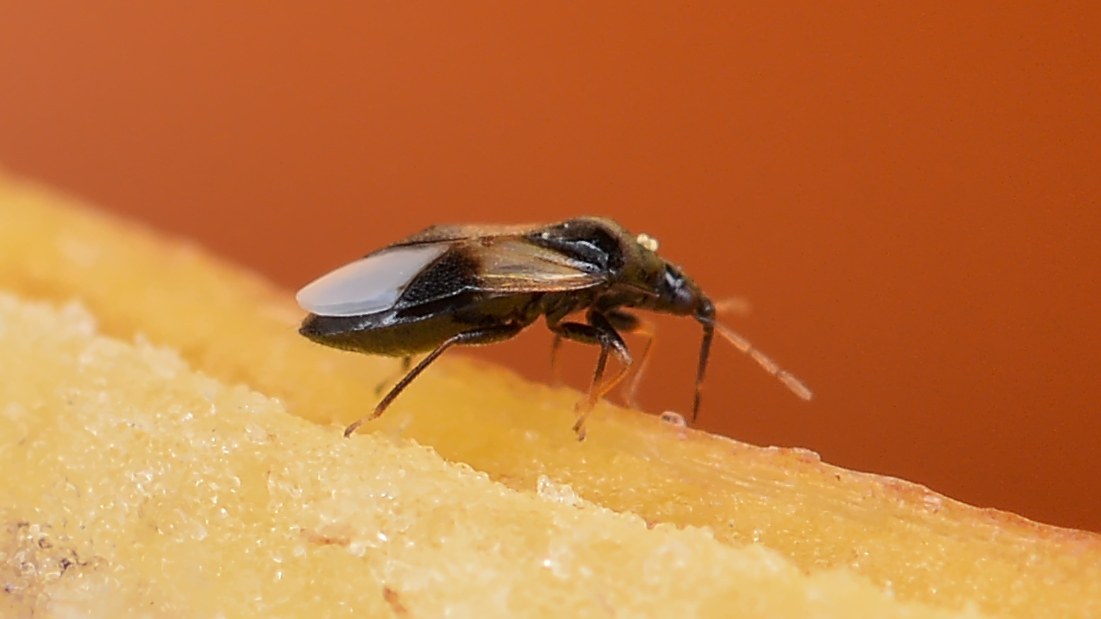
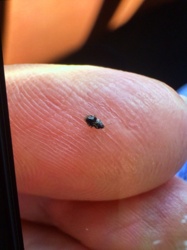
A tiny, black-and-white patterned true bug barely visible without close inspection, the minute pirate bug is a voracious predator of thrips, mites, and insect eggs on flowers and foliage.
- Size
- 2–5 mm
- Habitat
- Flowers, crop fields, and gardens
- Danger
- Bites
Spotted a bug like this?
Identify any bug or insect from a photo, free.
Overview
The minute pirate bug, genus Orius, belongs to the family Anthocoridae within the order Hemiptera. Despite its diminutive size, it is one of the most significant predatory insects found on flowers and crop plants, feeding heavily on thrips and other small pest organisms.
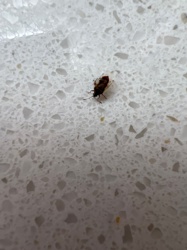
Minute pirate bugs have a compact, oval body with a distinctive black-and-white or dark-and-pale mottled pattern on the wings, making them recognizable once viewed up close, though their small size often causes them to go unnoticed. They are fast-moving and active fliers, frequently found probing flower heads and foliage for prey.
Ecologically, these tiny predators are considered important natural regulators of thrips and other small arthropod pests, and they are widely studied and used in agricultural settings as a beneficial predatory insect.
How to Identify
- Very small, oval-bodied insect with a shiny black head and thorax contrasted by pale, whitish patches on the wing covers.
- Wings are fully developed and held flat over the back, with a distinct black-and-white mottled pattern.
- Antennae are short and slightly clubbed at the tip.
- Piercing-sucking mouthparts are visible as a short beak beneath the head.
- Lookalikes include other tiny true bugs and beetles, but the minute pirate bug's small size combined with its bold black-and-white wing pattern and habit of foraging on flowers helps distinguish it.
Habitat & Range
Minute pirate bugs are found on flowers, leaves, and crop plants across much of North America and beyond, wherever thrips and other small prey are present. They are especially active during the growing season, from spring through fall, and are commonly encountered while inspecting blossoms or foliage in gardens and agricultural fields.
Behavior & Diet
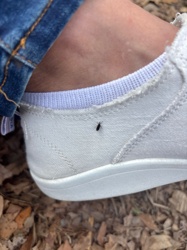
Minute pirate bugs actively search flowers and foliage for small prey, including thrips, mites, aphids, and insect eggs, which they pierce with their beak to feed on internal fluids. They are quick, agile fliers capable of moving rapidly between flowers in search of food. Occasionally, they probe human skin with their beak when investigating a potential food source, resulting in a brief bite. As predators, they contribute to natural regulation of thrips and other small pest populations in gardens and crops.
Life Cycle
Minute pirate bugs undergo incomplete metamorphosis (egg, nymph, adult). Females insert eggs individually into plant tissue using a slender ovipositor. Nymphs are wingless, orange to yellowish in early stages, and actively hunt small prey from the time they hatch, molting through several instars before reaching the winged adult stage. Multiple generations occur per year in warm climates, with adults overwintering in sheltered plant debris in cooler regions.
Frequently asked questions
Why did a tiny bug bite me while I was gardening?
Minute pirate bugs occasionally probe skin with their beak while investigating potential food sources, resulting in a quick, momentary bite.
What does a minute pirate bug eat?
It preys on thrips, mites, aphids, and insect eggs, making it a beneficial predator on flowers and crop plants.
How can I recognize a minute pirate bug?
Look for a very small, oval insect with a shiny black body marked by pale white patches on the wing covers, often found probing flower heads.
Where are minute pirate bugs commonly found?
They are common on flowers, garden plants, and crop fields wherever small prey such as thrips are present.
Minute Pirate Bug guides
In-depth guides for identifying, understanding, and living alongside Minute Pirate Bug.
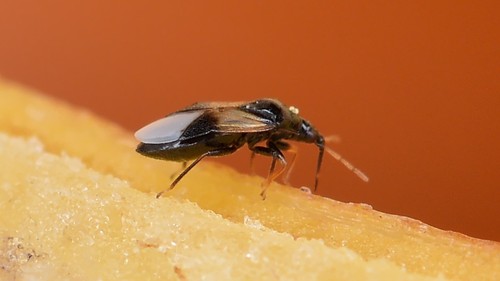
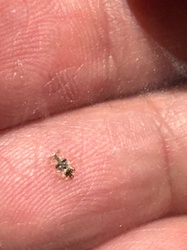
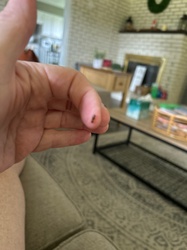
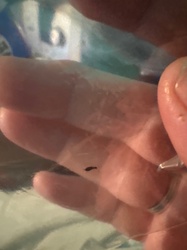
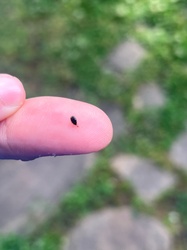
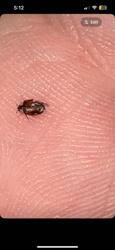
Minute Pirate Bug identified by the community
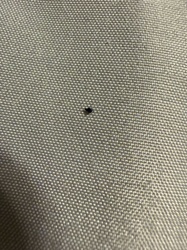
Real finds identified with Bug Identifier.
Other bugs you may enjoy
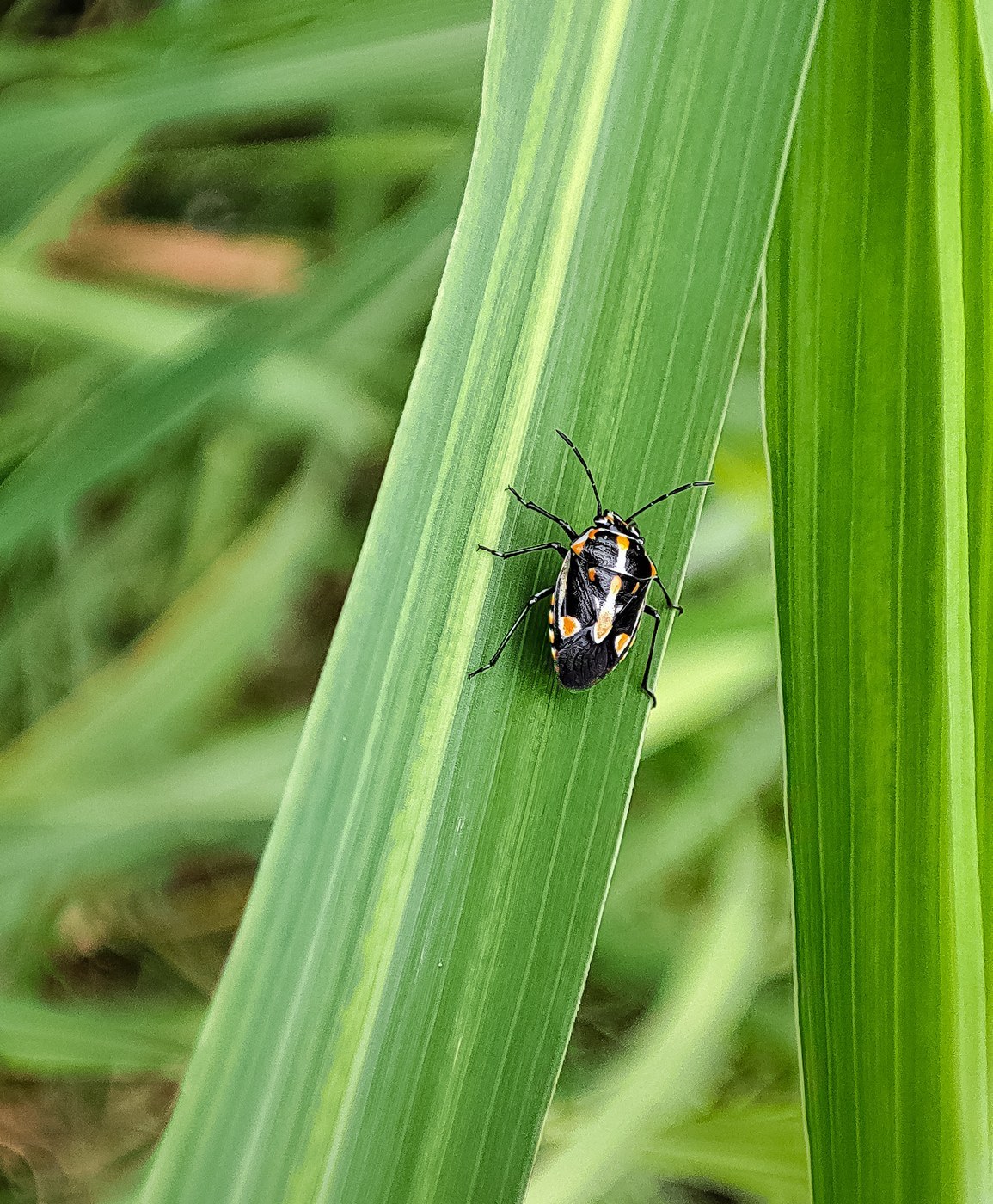
Bagrada Bug
Arid gardens, crucifer fields, desert-adjacent croplands
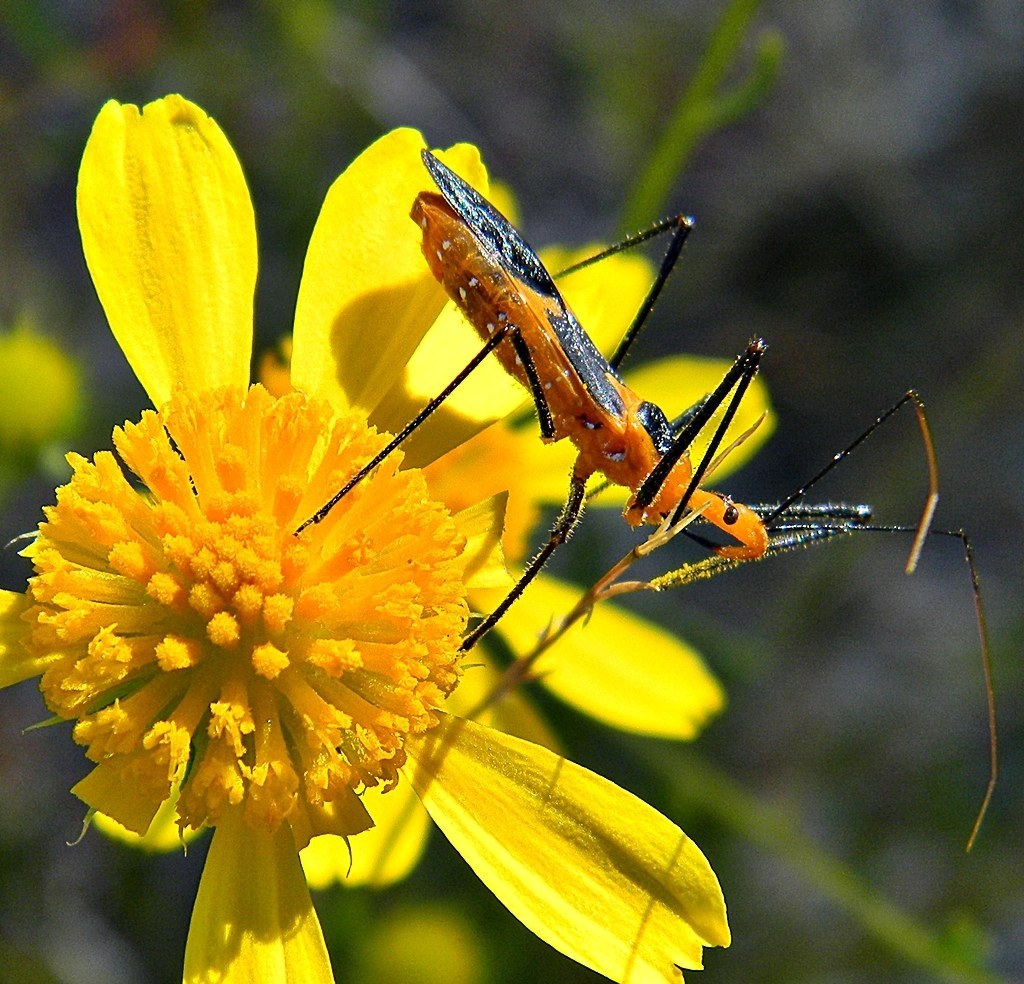
Assassin Bug
Gardens, meadows, and vegetation worldwide
Water Boatman Bug
Ponds, lakes, and slow-moving freshwater
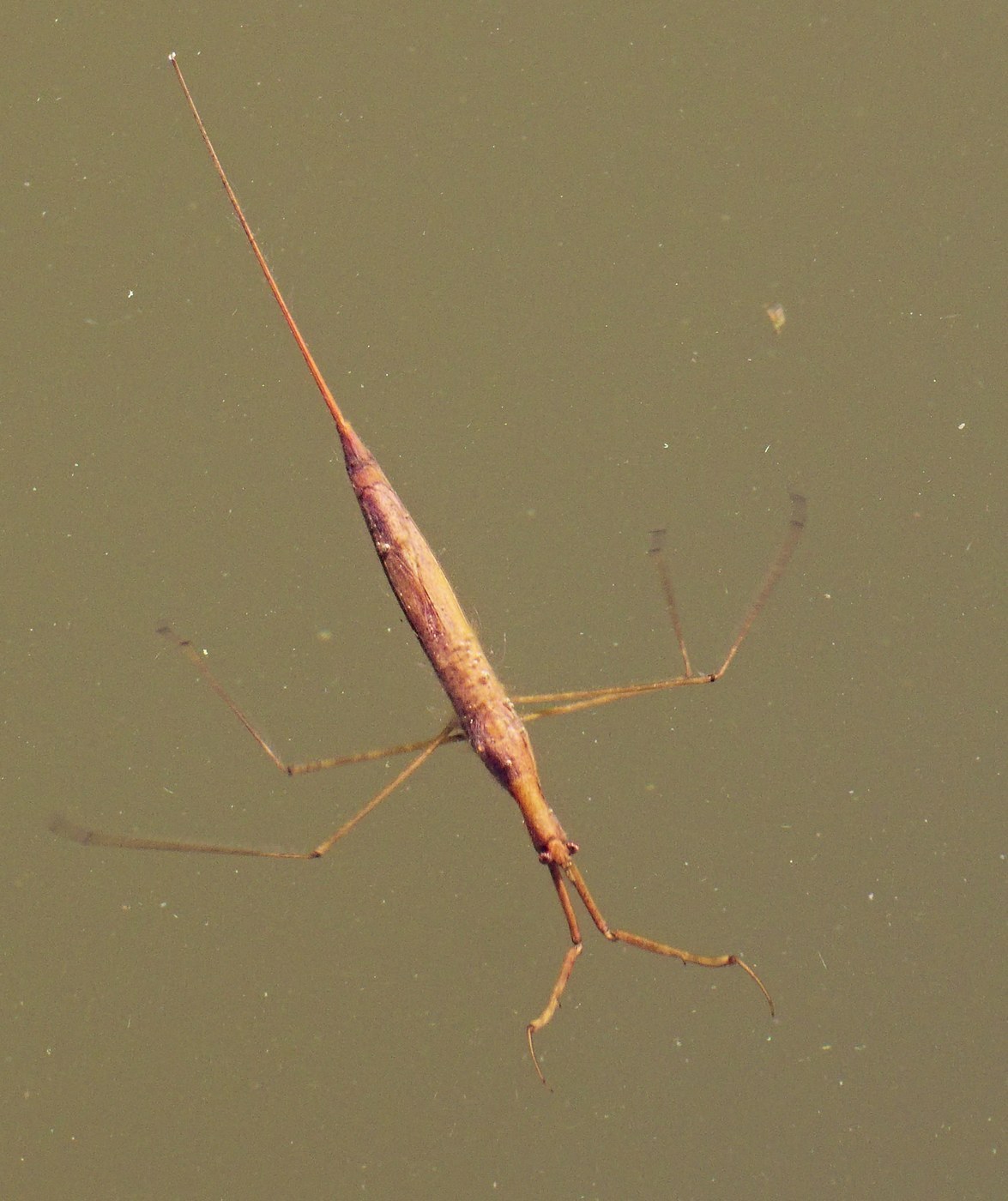
Water Stick Insect
Still and slow-moving water with dense submerged vegetation
Rough Stink Bug
Tree bark, woodlands, orchards, and shrubby vegetation
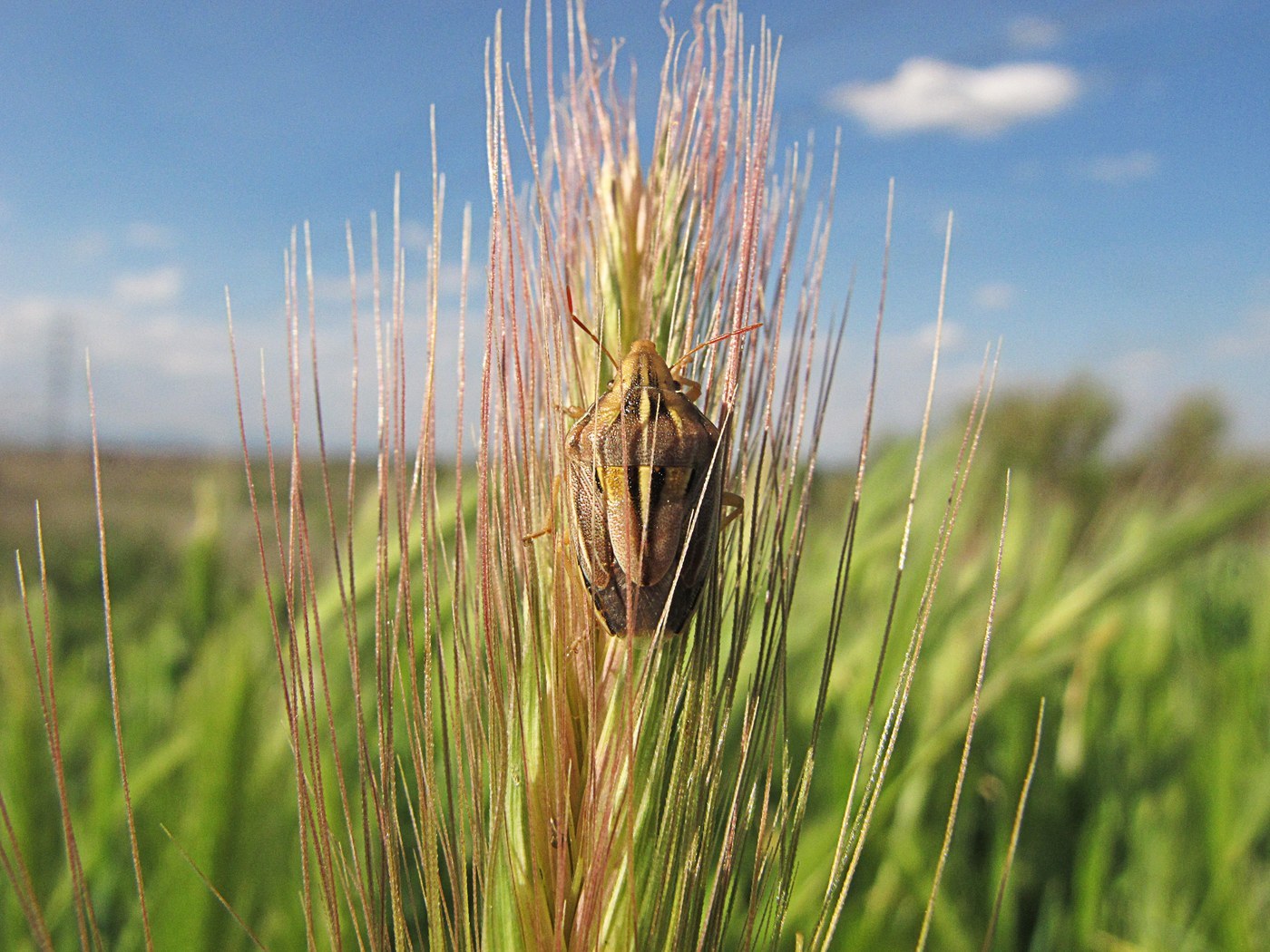
Stink Bug
Gardens, crop fields, and woodlands across temperate and subtropical regions
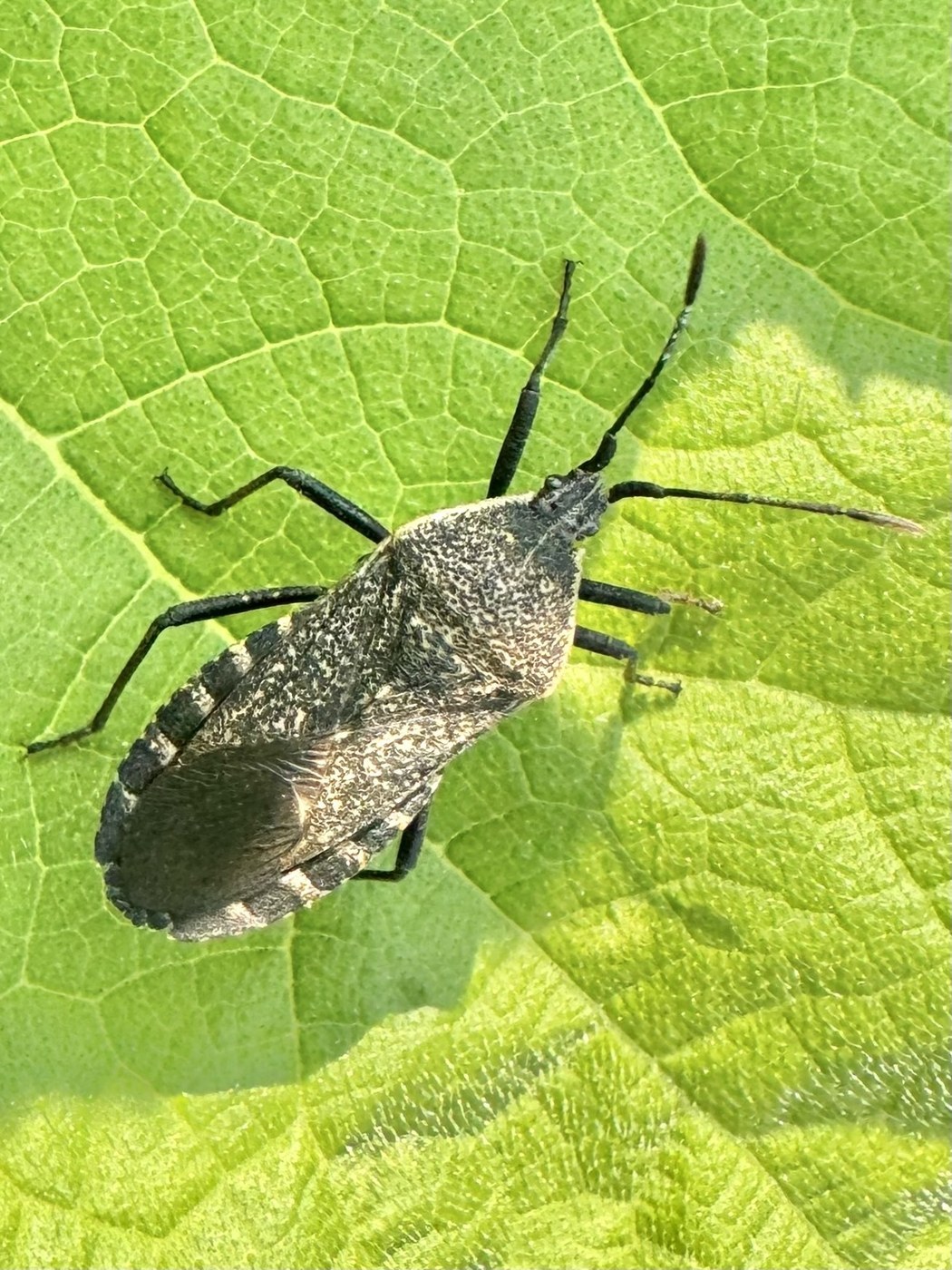
Squash Bug
Vegetable gardens and farm fields growing squash, pumpkin, and other cucurbits
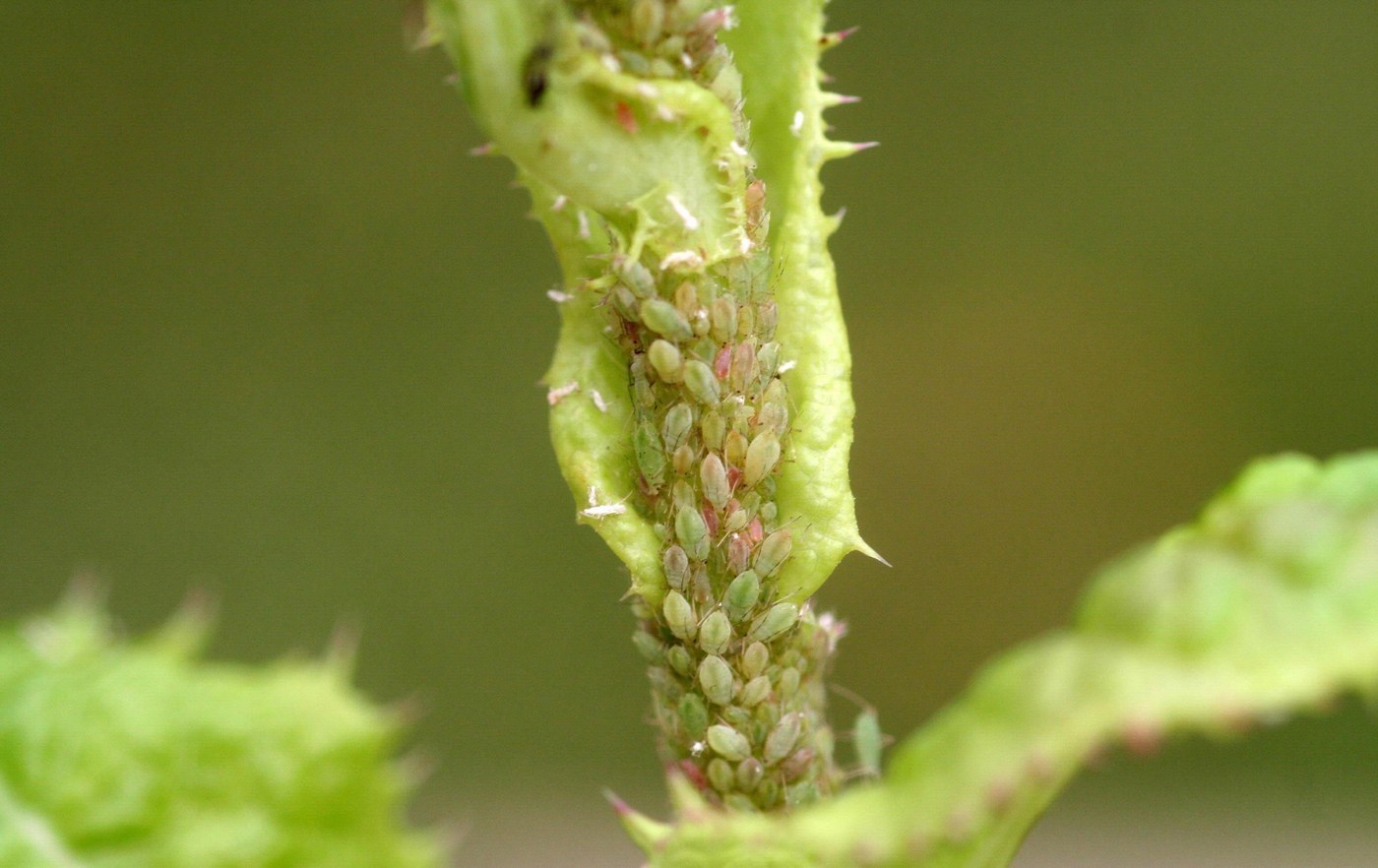
Aphid
On stems, leaves, and buds of a very wide range of host plants
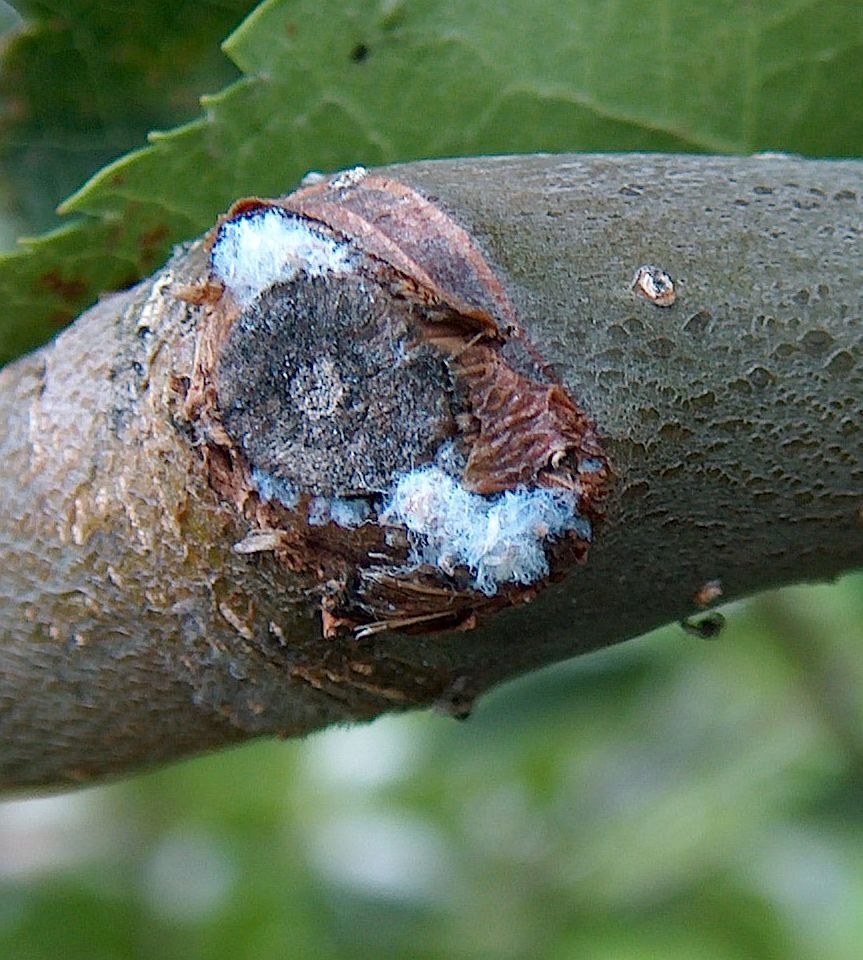
Woolly Aphid
Bark crevices, root collars, and twigs of apple, elm, and alder trees
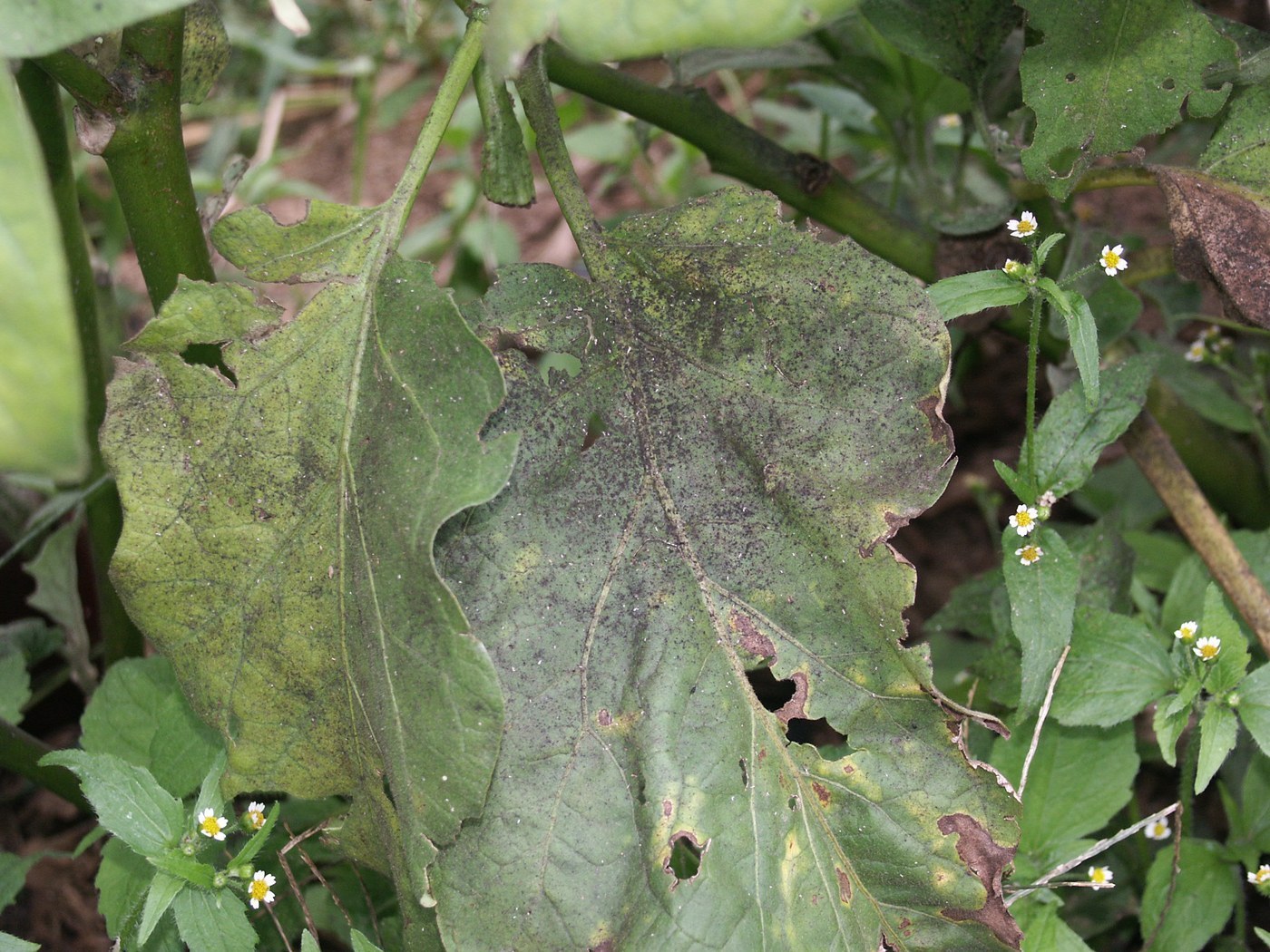
Whitefly
Greenhouses, gardens, and undersides of leaves on host plants
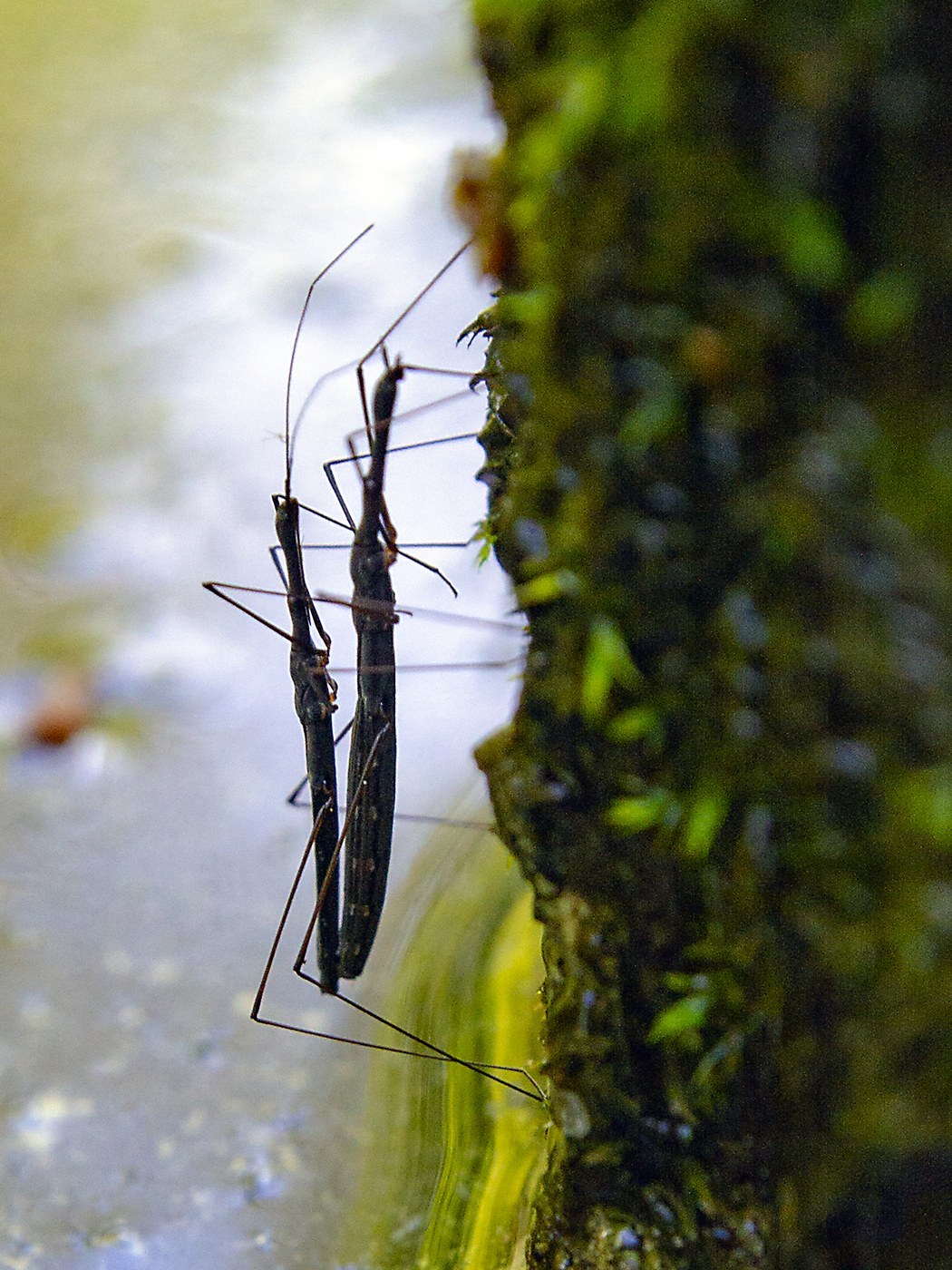
Water Measurer
Quiet edges of ponds, marshes, and slow streams
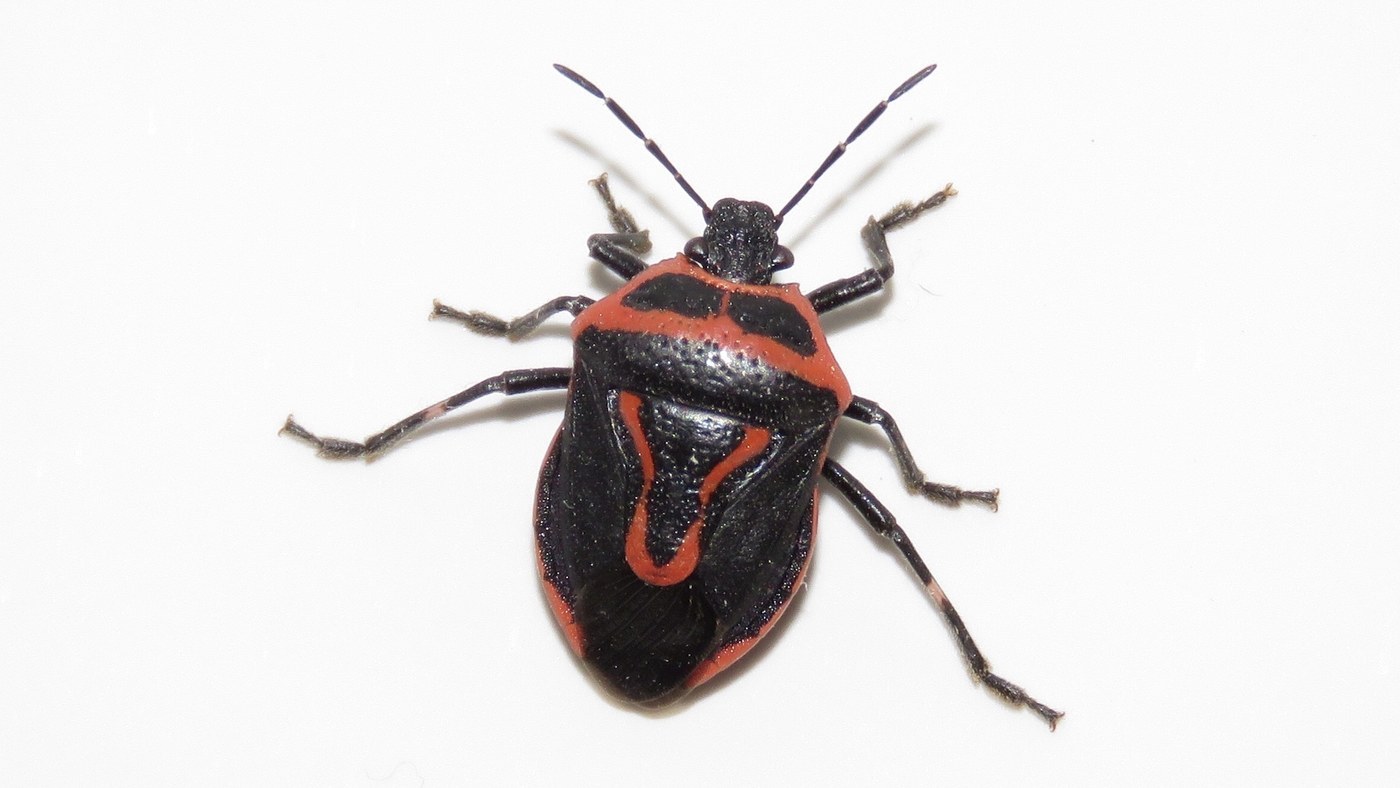
Two-Spotted Stink Bug
Gardens and fields with potato and nightshade-family plants