Rosy Maple Moth Identification Guide
Spot the unmistakable bubblegum-pink and lemon-yellow wings of the rosy maple moth.
Read the full Rosy Maple Moth encyclopedia entry →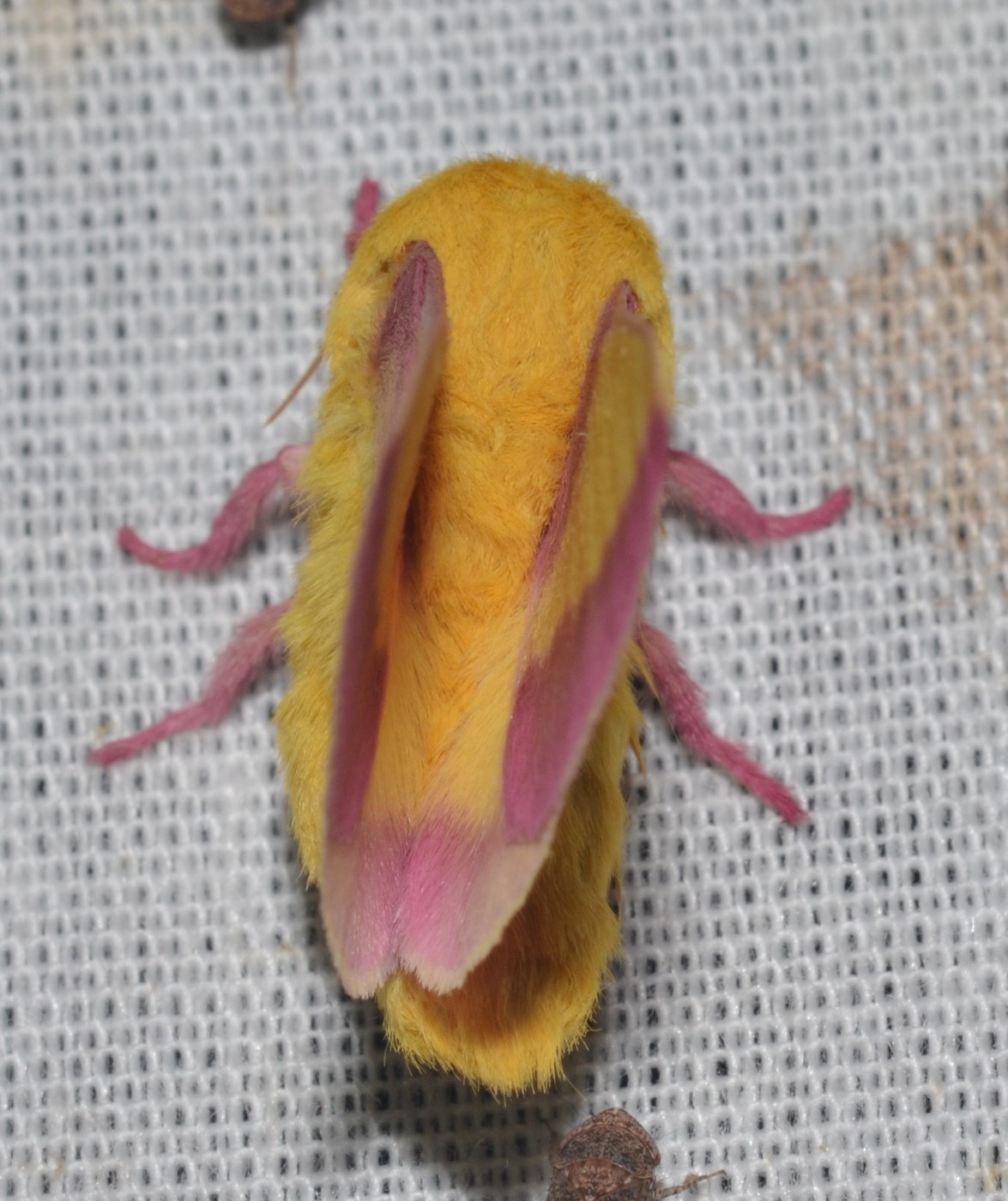
Key Visual Features
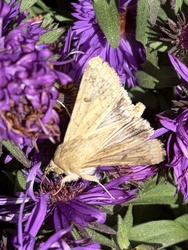
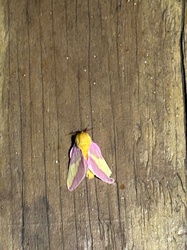
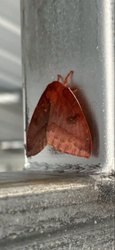
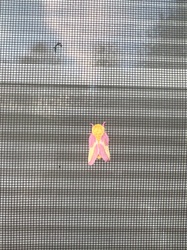
The rosy maple moth (Dryocampa rubicunda) is a small, fuzzy silk moth with a wingspan of about 1.25 to 2 inches, instantly recognizable for its striking bubblegum-pink and pale lemon-yellow coloring—a combination shared by no other common North American moth. The wings typically show pink along the margins and outer bands with a soft yellow center, though the exact balance of pink to yellow varies between individuals, with some appearing almost entirely pale yellow and others deeply pink. The body is stout, woolly-looking, and covered in pink or yellow-tinted fuzz, and the legs are often pink as well. Antennae are feathery, especially in males, which use them to detect female pheromones.
Where and When You'll See It
This species is found in deciduous forests and wooded suburbs across eastern North America, closely associated with maple trees (its primary larval host), and also occurring near oaks. Adults are nocturnal and strongly attracted to porch lights and other artificial lighting, which is often how they're first noticed resting on walls, screens, or lit surfaces near buildings at night. Depending on the region, there may be one generation in cooler northern areas (active mid-summer) or two generations further south (appearing from late spring through late summer).
Similar-Looking Bugs
- No other common North American moth shares the same pink-and-yellow color combination, making the rosy maple moth one of the easier species to identify by color alone.
- Other Saturniidae (giant silk moths): Share the stout, fuzzy body shape and feathery antennae typical of the family, but all other common species are far larger and colored in browns, tans, or greens rather than pink and yellow.
- Io moth: Similarly fuzzy-bodied but yellow overall with large eyespots on the hindwings, lacking the rosy maple moth's pink tones.
Quick ID Checklist
- Wingspan about 1.25 to 2 inches
- Pink and pale yellow wing coloring, unique among common moths
- Stout, woolly body, often with pink-tinted legs
- Feathery antennae, more pronounced in males
- Found near maple and oak trees, attracted to lights at night
Frequently asked questions
Is the rosy maple moth easy to confuse with other species?
Not really, since its combination of pink and pale yellow wing coloring is distinctive and not shared by other common North American moths.
What tree is most associated with this moth?
It is most closely tied to maple trees, which serve as the primary food plant for its caterpillars, though it's also found near oaks.
Why do some individuals look more pink and others more yellow?
The balance of pink to yellow pigment varies naturally between individual moths, so coloring can range from mostly pale yellow to strongly pink.
When is the best time to spot a rosy maple moth?
Adults are nocturnal and most often noticed at porch lights or other artificial lighting during mid-summer, with a second generation possible in southern regions into late summer.
Rosy Maple Moth identified by the community
Recent Rosy Maple Moth finds identified with Bug Identifier.