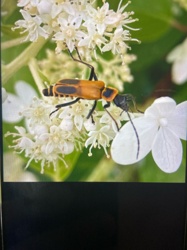
Soldier Beetle Identification Guide
Learn to identify this soft-bodied, elongated beetle often seen clustered on summer flowers in orange-and-black or yellow patterning.
Read the full Soldier Beetle encyclopedia entry →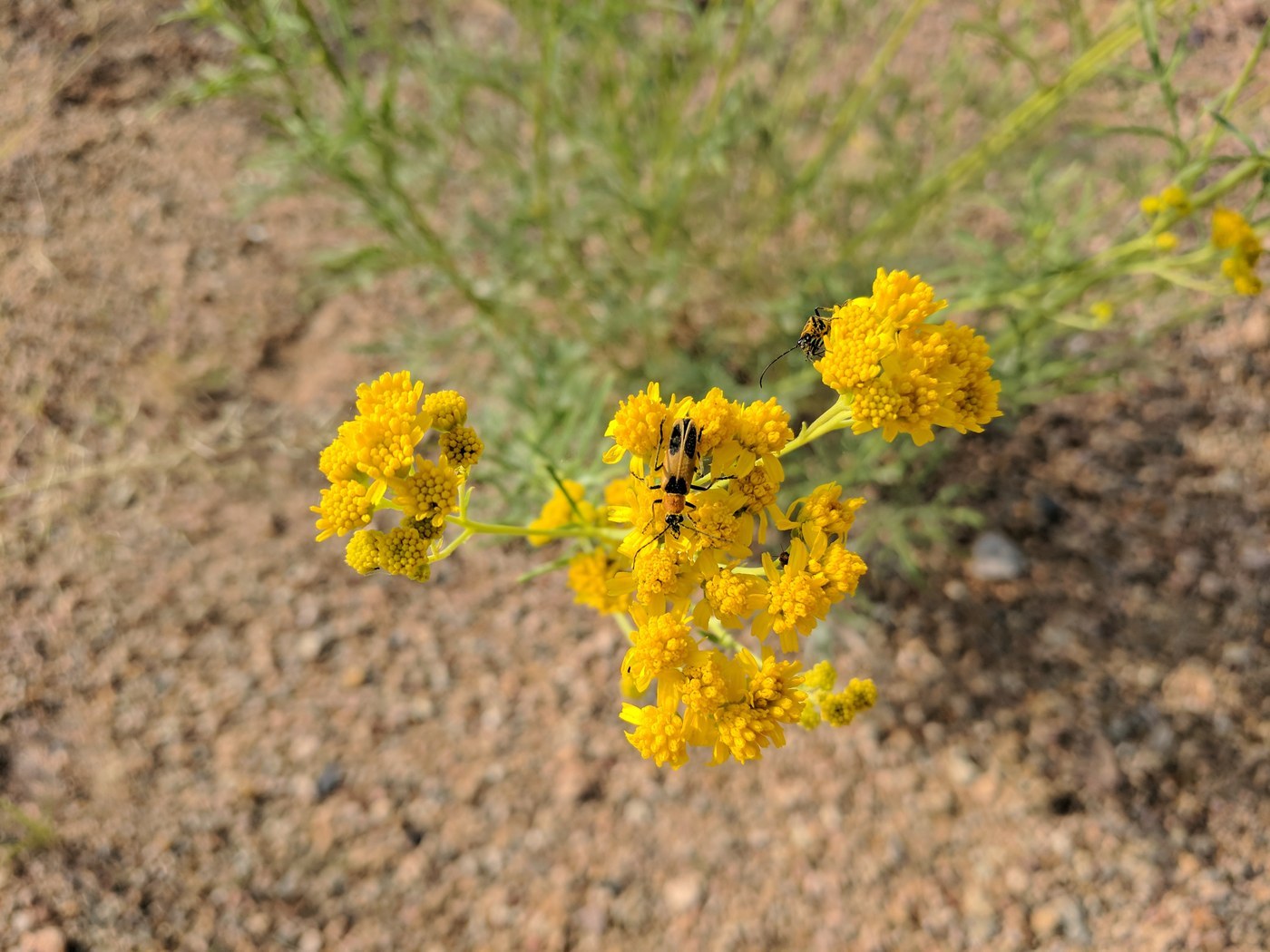
Key Visual Features
Soldier beetles, sometimes called leatherwings, are elongated, soft-bodied beetles commonly noticed clustering on flowers in mid-to-late summer.
- Size: Slender, typically 0.3 to 0.6 inches (8-15 mm) long.
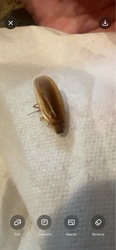
- Color: Often orange or yellow with contrasting black markings on the head, thorax, or wing tips — the pattern reminded early observers of old military uniforms, hence "soldier" beetle. Some species are more uniformly tan, brown, or olive.
- Body shape: Long, narrow, parallel-sided body, flatter and softer than most beetles.
- Wings: Elytra are soft and flexible rather than hard and glossy like typical beetles, giving a slightly leathery texture (hence "leatherwing").
- Legs: Slender legs of moderate length, unremarkable compared to running or digging specialists.
- Antennae: Long, thread-like antennae, often nearly as long as the body, held forward or angled outward.
- Head: Head is visible and not hidden under the thorax (pronotum), unlike some beetle families.
Where and When You'd See One
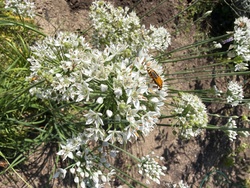
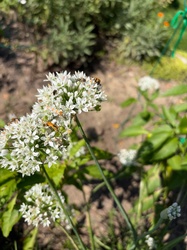
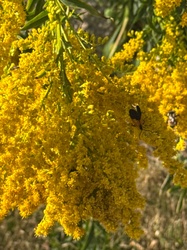
Soldier beetles are common in gardens, meadows, fields, and roadside vegetation across summer, typically peaking in late summer, often called the "goldenrod soldier beetle" for its habit of gathering in numbers on goldenrod and other late-season composite flowers. They are diurnal, most active on warm sunny days, where adults feed on nectar and pollen and are frequently seen paired up or in small clusters on flower heads.
Similar-Looking Bugs
- Fireflies (lightning bugs): Related and similarly soft-bodied, but fireflies typically have a broader, shield-like pronotum that covers the head from above and are active mainly at dusk/night rather than clustering on daytime flowers.
- Blister beetles: Also elongated and sometimes similarly colored, but blister beetles have a more distinctly narrowed "neck" behind the head and a broader abdomen, with a tougher overall body compared to the soft, flexible soldier beetle.
- Longhorn beetles: Have much longer antennae relative to body length (often exceeding body length) and harder, more rigid wing covers.
- Net-winged beetles: Similar soft body and coloring, but wing covers often show a raised, net-like ridged texture rather than smooth leathery covers.
Quick ID Checklist
- Long, narrow, soft-bodied beetle with flexible (not glossy hard) wing covers
- Orange/yellow coloring often paired with black markings
- Long, thread-like antennae nearly as long as the body
- Visible head not hidden beneath the thorax
- Found clustered on summer and late-season flowers like goldenrod
Frequently asked questions
Why are they called soldier beetles?
The name comes from the orange-and-black or yellow-and-black color patterns of many species, which early naturalists thought resembled old military dress uniforms.
How can I tell a soldier beetle from a firefly?
Soldier beetles are active during the day on flowers and have a visible head not covered by the thorax, while fireflies are mostly active at dusk and have a broader shield-like pronotum that hides the head from above.
What time of year are soldier beetles most commonly seen?
They are most noticeable in mid-to-late summer, when adults gather in numbers on flowers such as goldenrod to feed on pollen and nectar.
What is distinctive about a soldier beetle's wing covers?
Unlike the hard, glossy elytra of most beetles, soldier beetles have soft, flexible, leathery wing covers, which is why they're also nicknamed leatherwings.
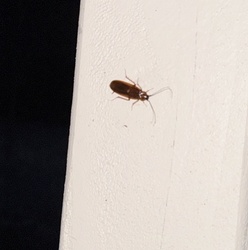
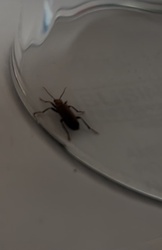
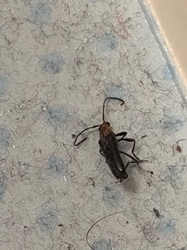
Soldier Beetle identified by the community
Recent Soldier Beetle finds identified with Bug Identifier.