
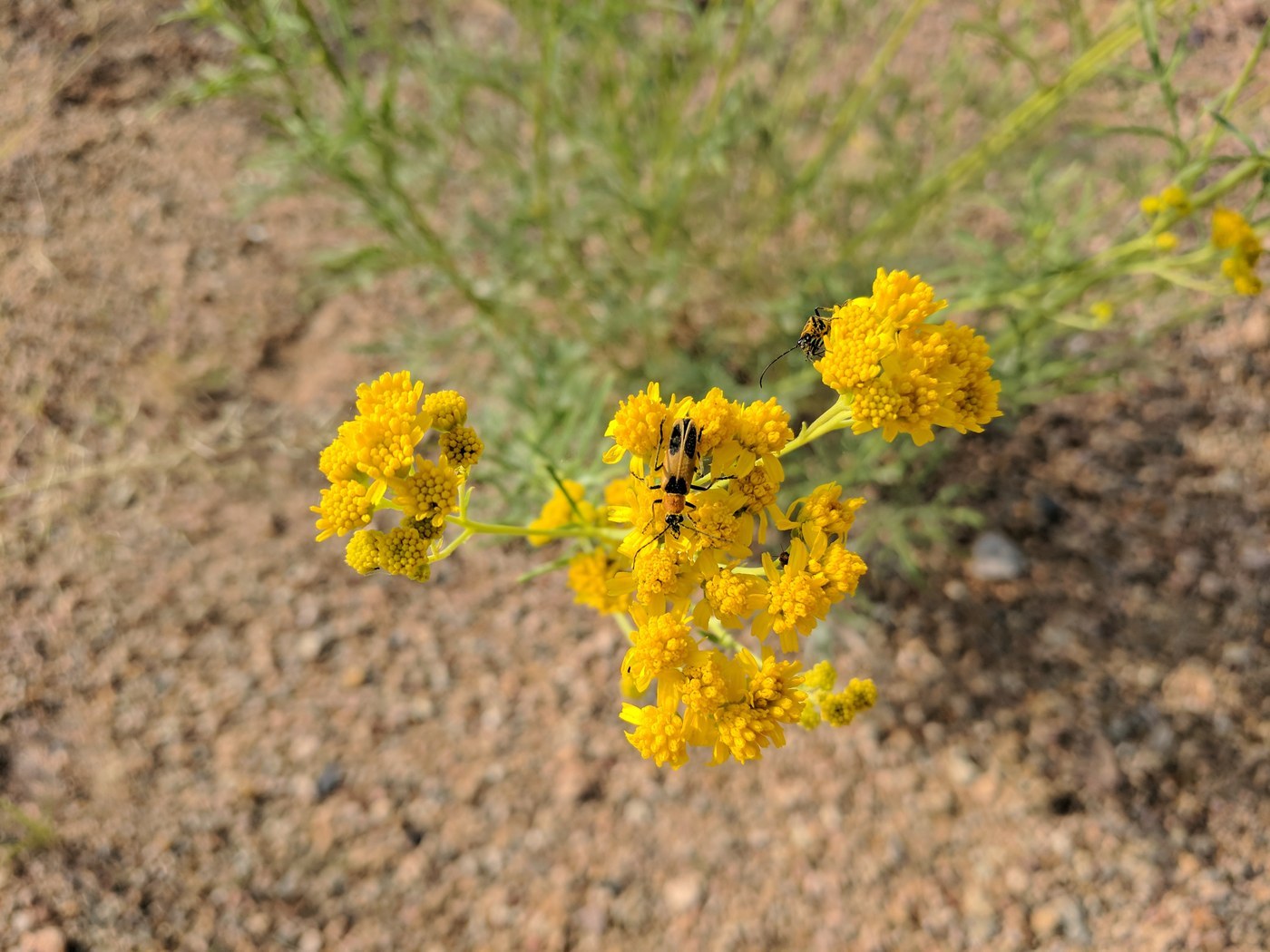
Soldier Beetle
Chauliognathus pensylvanicus
A slender, soft-bodied beetle in orange and black or yellow and brown, often seen clustered on late-summer flowers where it feeds on pollen, nectar, and small insects.
- Size
- 9–15 mm
- Habitat
- Meadows, gardens, roadsides, and flowering fields, especially late-season goldenrod
- Danger
- Harmless
Spotted a bug like this?
Identify any bug or insect from a photo, free.
Overview
Soldier beetles make up the family Cantharidae, a group of elongated, soft-shelled beetles named for their coloring, which was thought to resemble old military uniforms. Unlike most beetles, their wing covers are flexible and leathery rather than hard, giving rise to the alternate name "leatherwings."
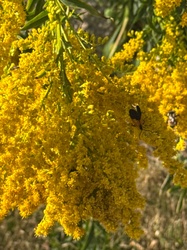
The most familiar North American species, the goldenrod soldier beetle, is a common and beneficial sight on late-summer and fall wildflowers, particularly goldenrod, where large numbers can gather to feed and mate simultaneously. Their abundance on flowers makes them one of the more recognizable beetles of the pollinator community.
Soldier beetles are ecologically valuable both as pollen and nectar feeders that assist in incidental pollination and as predators of small, soft-bodied insects such as aphids, making them a generally welcome presence in gardens and natural areas.
How to Identify
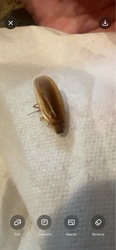
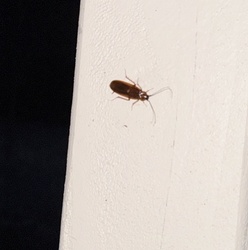
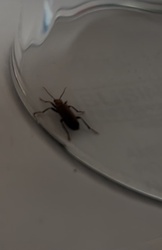
- Elongated, flattened, soft-bodied beetle, roughly 9–15 mm long, distinctly less hardened than typical beetles.
- Common goldenrod species is orange-yellow with a black patch on each wing cover and a black band near the thorax.
- Long, thread-like antennae and a narrow head; legs relatively slender.
- Lookalikes: often confused with fireflies due to similar elongated shape and coloring, but soldier beetles lack a firefly's light-producing abdominal segments and have a different head shape; also resemble blister beetles, which are more cylindrical and lack the soft, pliable wing covers.
Habitat & Range
Found throughout much of North America in open sunny habitats — meadows, gardens, roadside verges, and agricultural field edges — wherever flowering plants are abundant. Adults of the goldenrod soldier beetle are especially conspicuous in late summer through fall, coinciding with the bloom of goldenrod, asters, and other composite flowers.
Behavior & Diet
Adults feed on pollen, nectar, and occasionally small soft-bodied insects while visiting flowers, and mating pairs are commonly seen clinging together on flower heads. Larvae are ground-dwelling predators, living in leaf litter and loose soil where they hunt small insect eggs, larvae, and other soft invertebrates, contributing to natural pest suppression.
Life Cycle
Soldier beetles undergo complete metamorphosis. Eggs are laid in soil or leaf litter; the resulting larvae are elongated, velvety, worm-like predators that overwinter in the soil and pupate the following season. Adults emerge in mid-to-late summer, feed and mate on flowers, and the cycle produces one generation per year in most temperate populations.
Frequently asked questions
Is a soldier beetle the same as a firefly?
No — they share a similar elongated shape and sometimes similar coloring, but soldier beetles do not produce light and belong to a different beetle family.
Do soldier beetles damage garden plants?
Adults feed mainly on pollen and nectar and occasionally small soft insects, so they are generally not considered plant-damaging in gardens.
Why are there so many on one flower cluster at once?
Goldenrod soldier beetles are gregarious flower visitors and frequently gather in numbers on the same blooms to feed and mate during their late-summer flight period.
What do the larvae look like?
Soldier beetle larvae are elongated, flattened, velvety-textured grubs that live in soil and leaf litter and look quite different from the winged adults.
Soldier Beetle guides
In-depth guides for identifying, understanding, and living alongside Soldier Beetle.
Soldier Beetle identified by the community
Real finds identified with Bug Identifier.
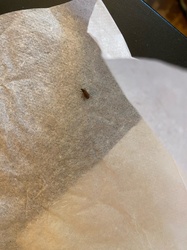
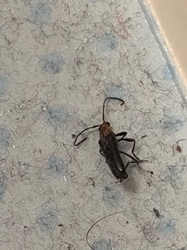

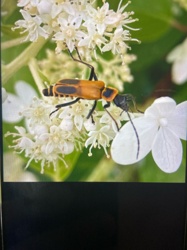
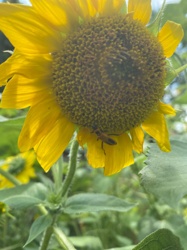
Other bugs you may enjoy
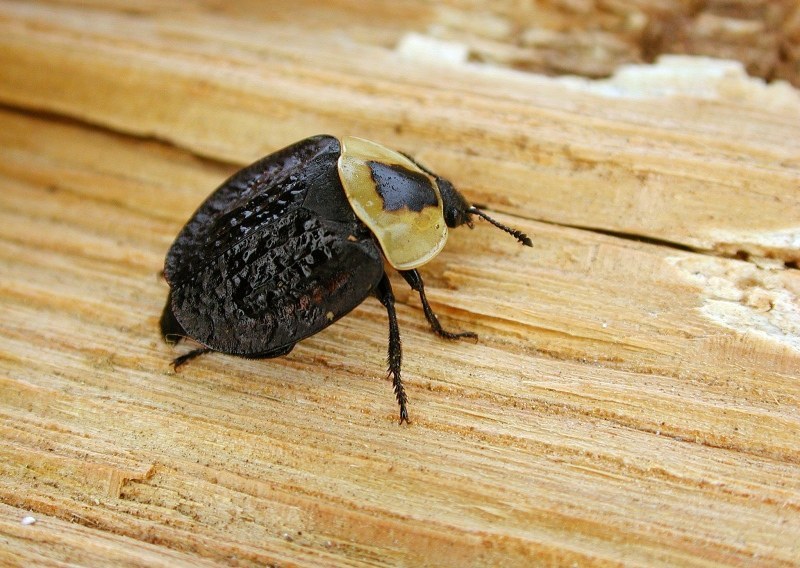
American Carrion Beetle
Forests, fields, and roadsides across North America, near decaying animal carcasses
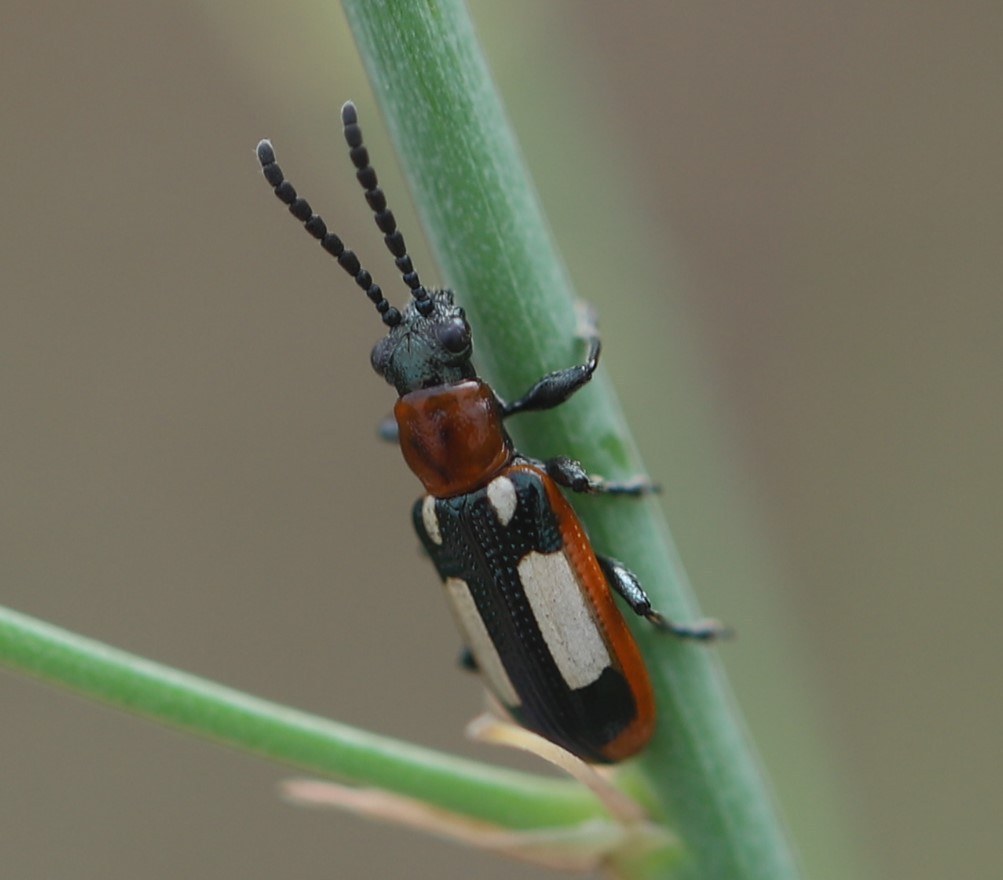
Asparagus Beetle
Asparagus patches, gardens, and farm fields
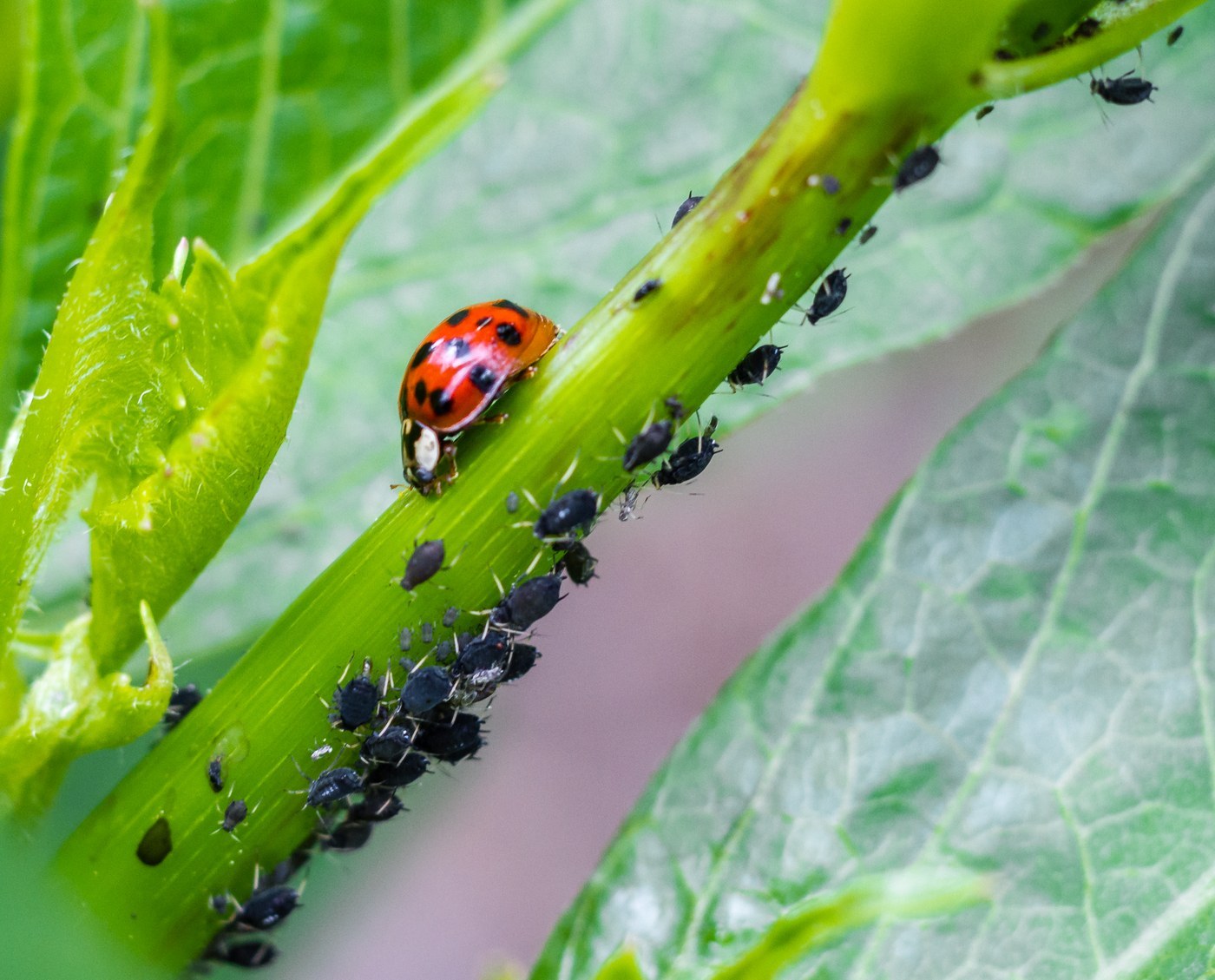
Asian Lady Beetle
Gardens, crop fields, woodlands, buildings
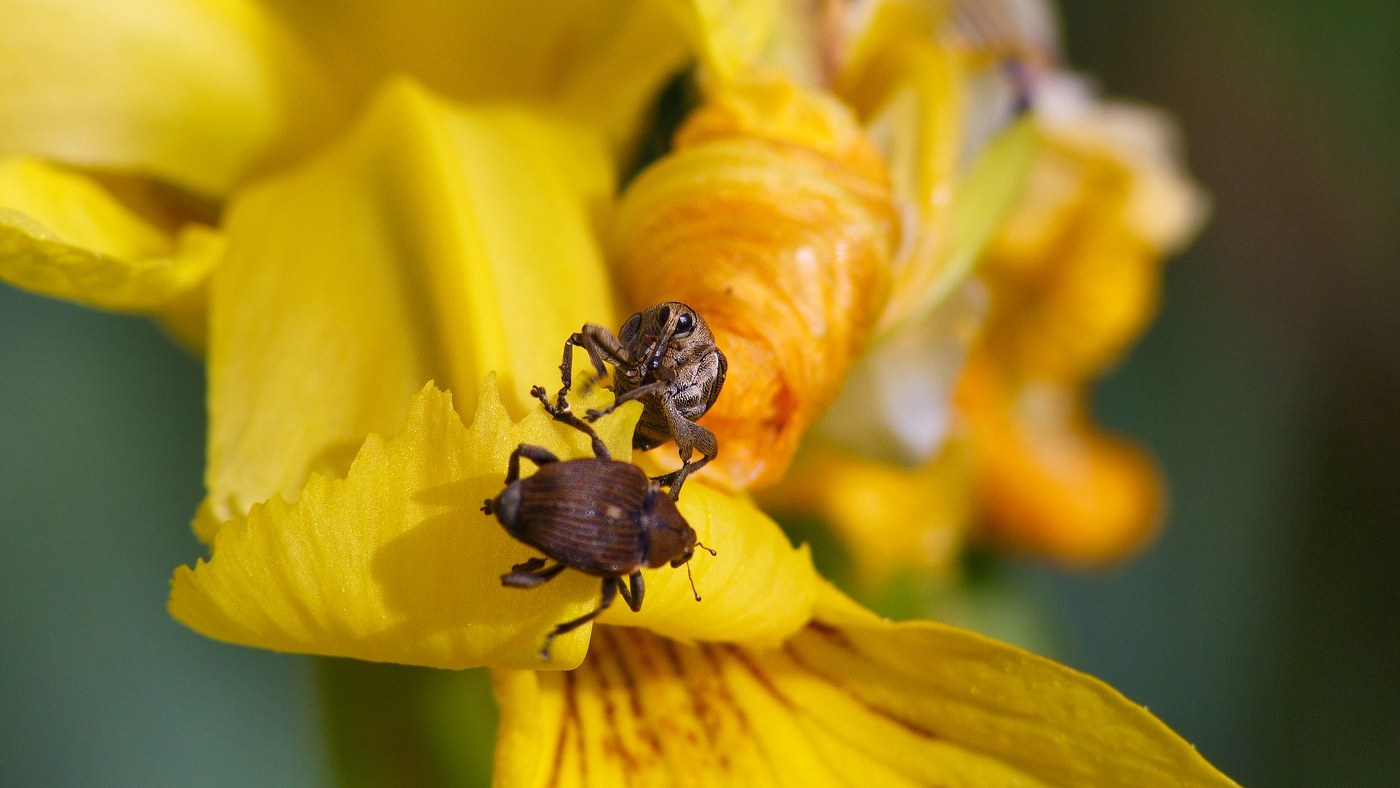
Acorn Weevil
Oak woodlands and forests, on and beneath oak trees
Wireworm
Soil of grasslands, gardens, and cultivated fields worldwide
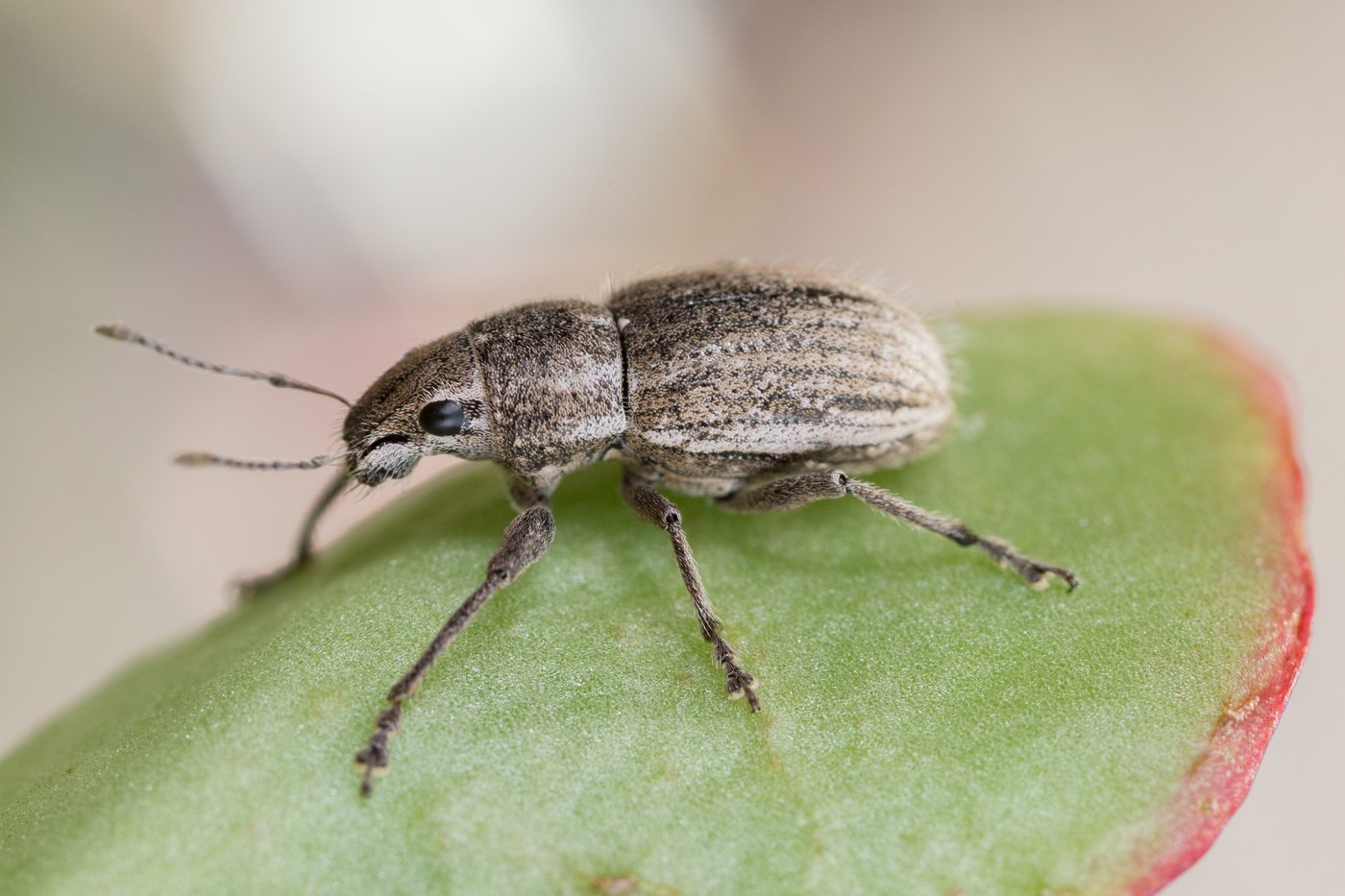
Whitefringed Beetle
Pastures, row crops, lawns, disturbed soils
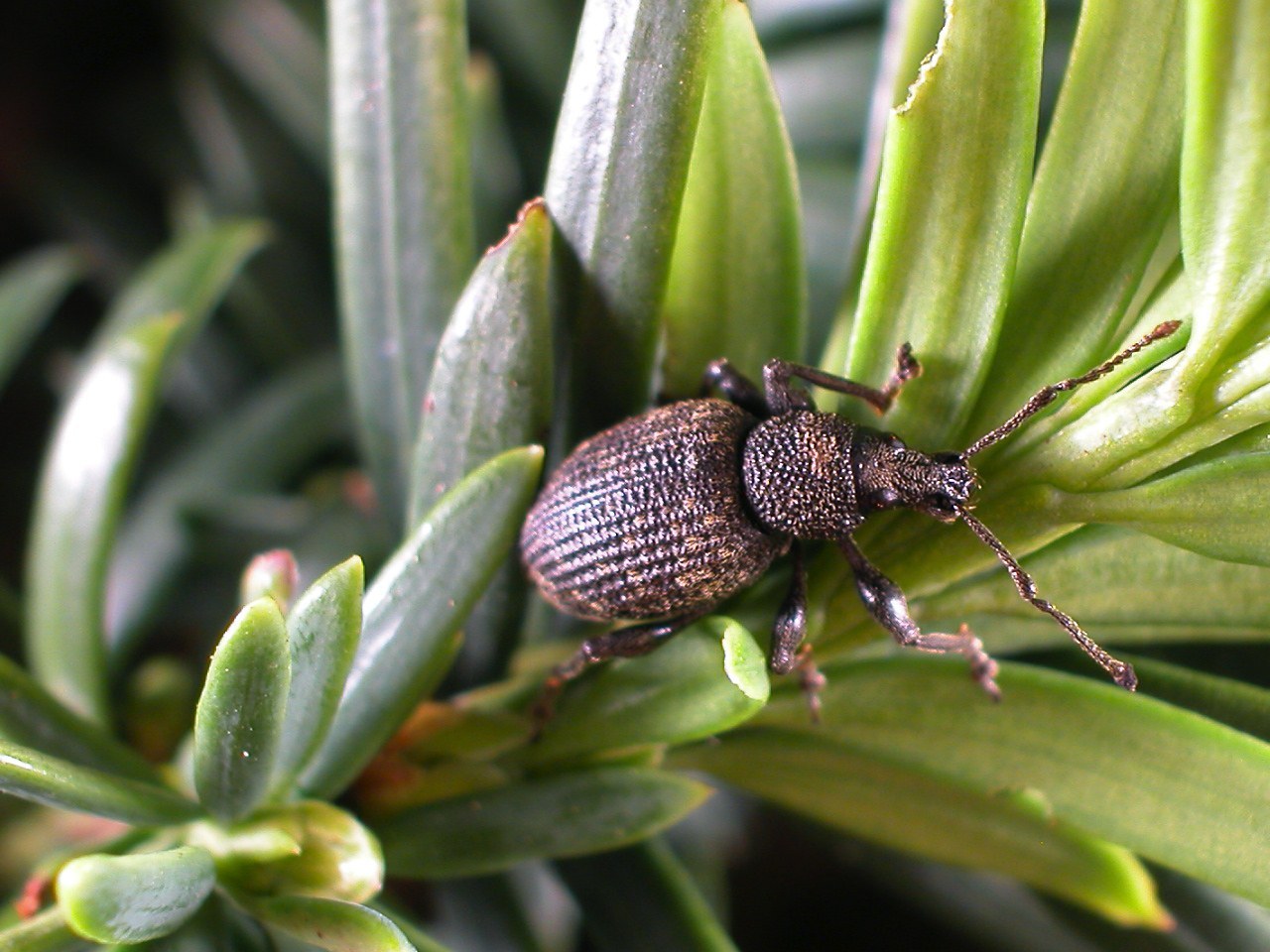
Vine Weevil
Gardens, nurseries, greenhouses, and container plantings
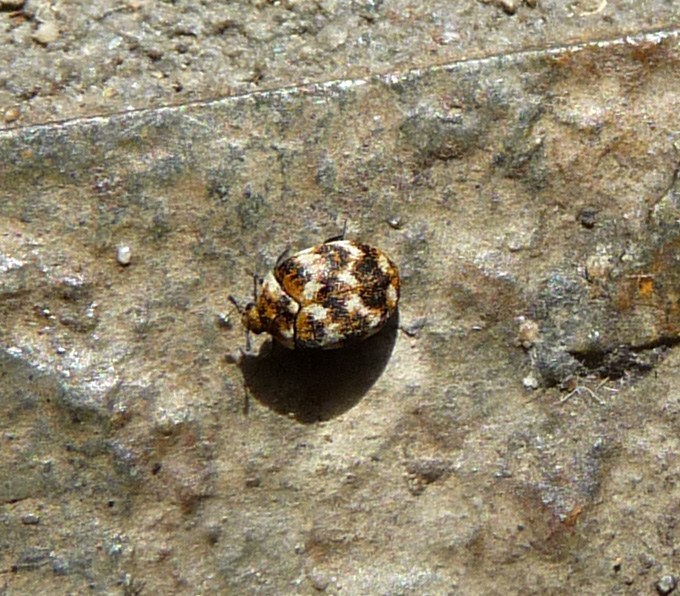
Varied Carpet Beetle
Homes, nests of birds and mammals, and flowers outdoors
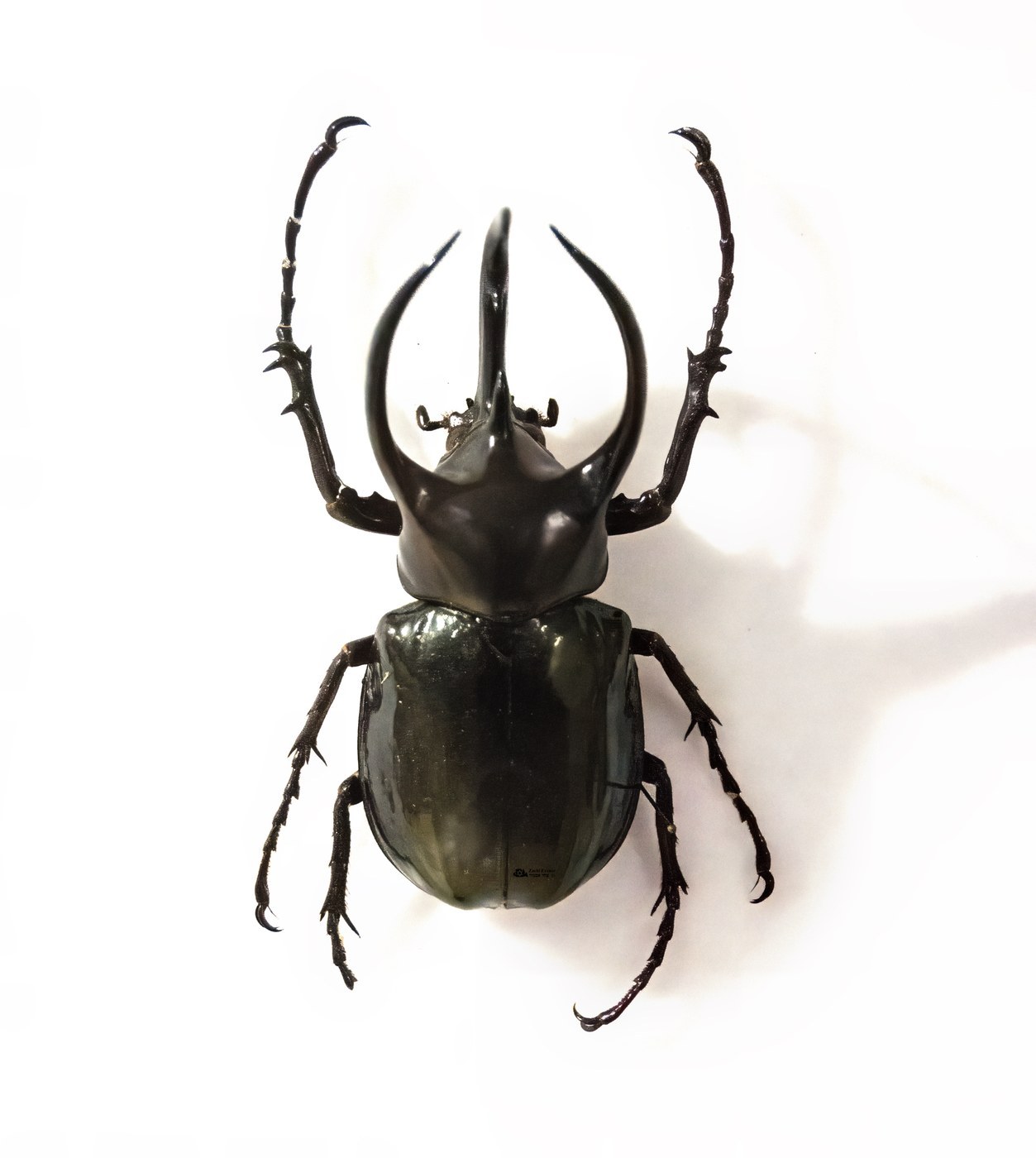
Atlas Beetle
Tropical forests of Southeast Asia
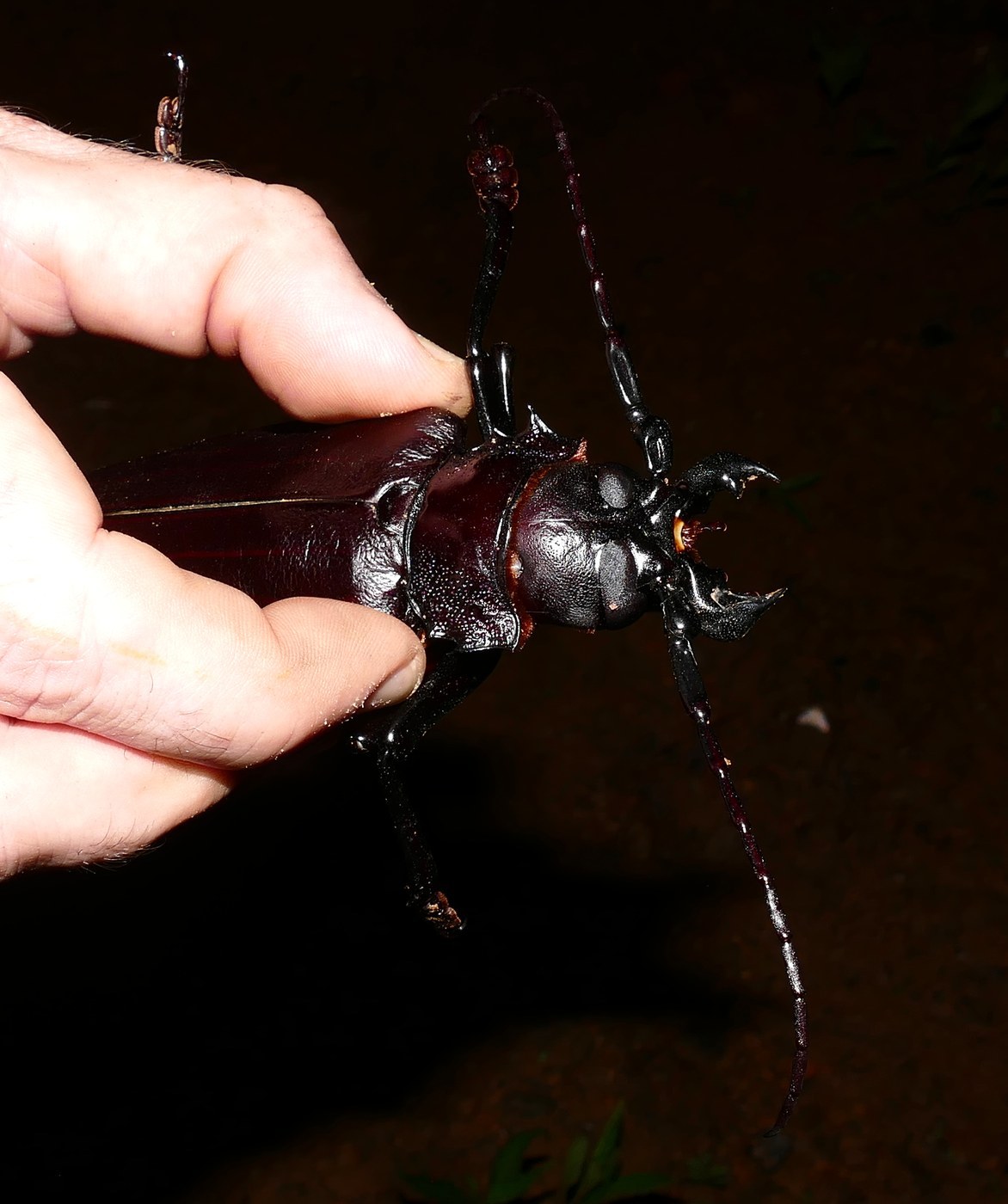
Titan Beetle
Amazon rainforest of South America
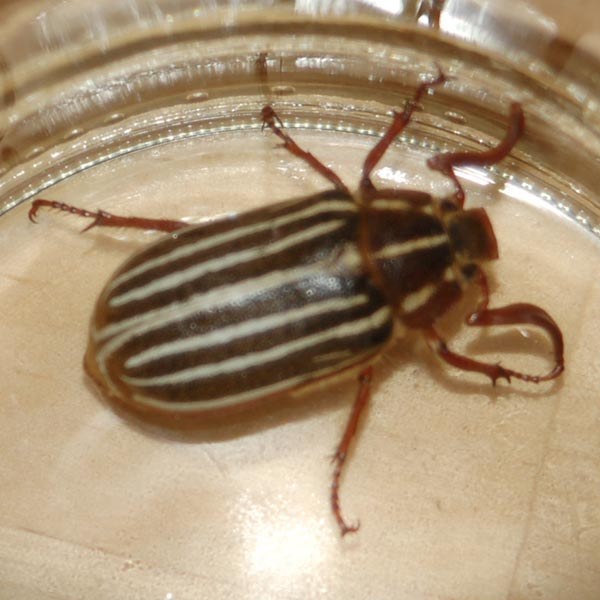
Ten-lined June Beetle
Sandy soils, pine forests, and orchards of western North America
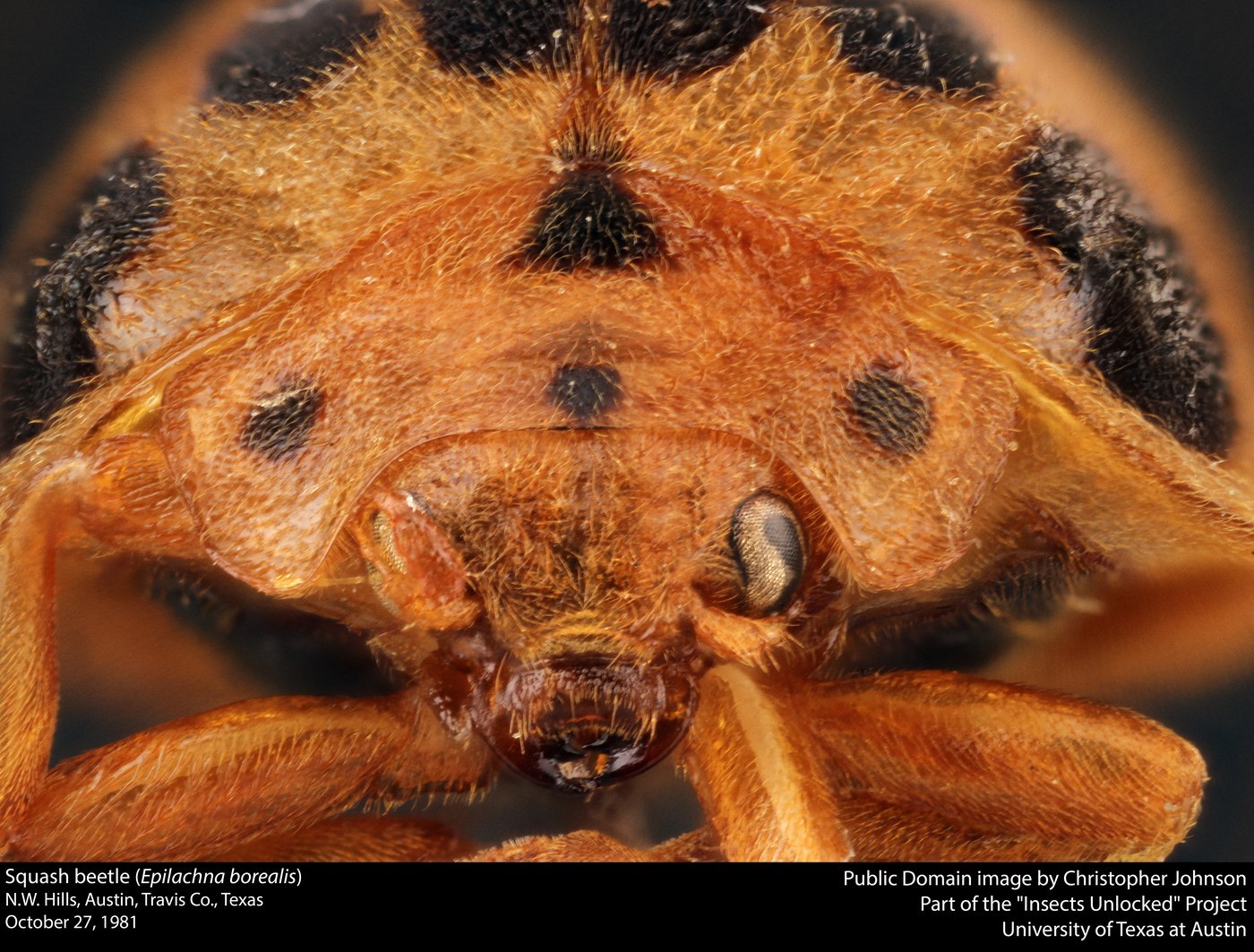
Squash Beetle
Vegetable gardens and fields growing squash, pumpkin, and other cucurbits