Termite Identification Guide
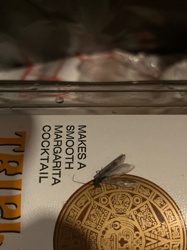
Distinguish a termite from a flying ant by its straight antennae, broad uniform waist, and equal-length wings.
Read the full Termite encyclopedia entry →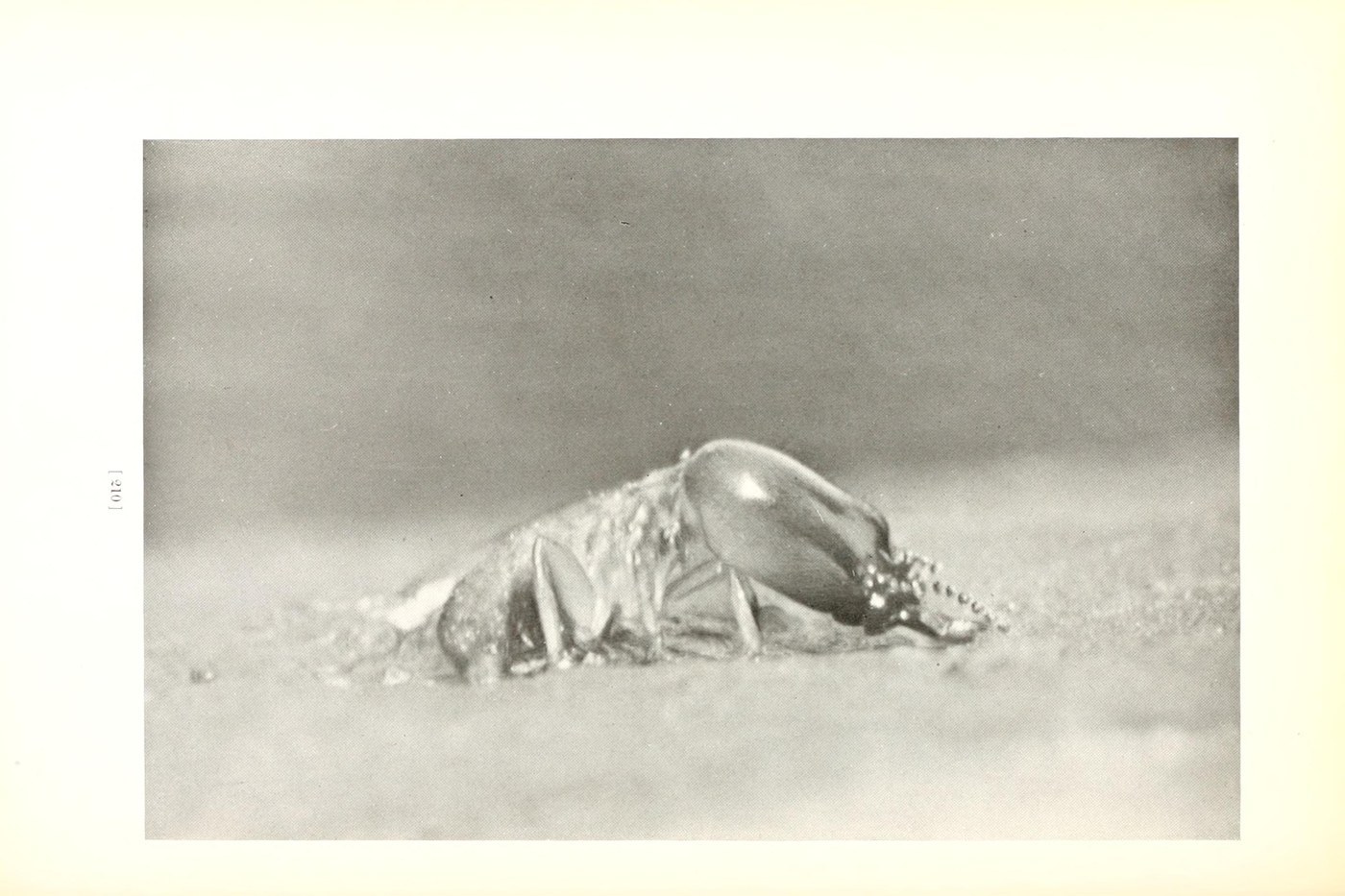
Key Visual Features
Termites are social insects that are frequently confused with ants, but a few clear traits set them apart.
- Size: Workers and soldiers are typically 4-10mm; winged reproductive swarmers ("alates") can appear slightly larger due to their wings.
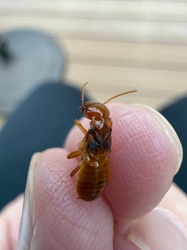
- Color: Workers and soldiers are usually pale cream, tan, or translucent white, since they spend most of their lives out of sunlight; swarmers are darker brown to black.
- Body shape: A broad, uniform waist connecting the thorax and abdomen, without the pinched, narrow waist seen in ants.
- Antennae: Straight and bead-like (moniliform), rather than sharply elbowed.
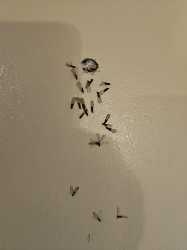
- Wings (swarmers only): Two pairs of wings that are equal in length and shape, extending well past the body, and easily shed after a swarming flight.
- Castes: Soldiers often have a noticeably enlarged head with large mandibles or, in some species, a pointed nasute structure used to defend the colony.
Where and When You'll See It
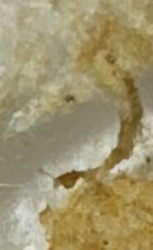
Termites are found in soil, decaying wood, and structural wood, depending on the species and region. Subterranean species often build visible mud tubes along foundations or other surfaces connecting their underground colony to a wood food source, while drywood species live directly inside the wood they inhabit. Winged swarmers typically emerge in large numbers during spring or after warm rains, when they briefly take flight to find mates and start new colonies before shedding their wings.
Similar-Looking Bugs
- Flying ants: The easiest comparison; flying ants have a pinched, narrow waist, elbowed antennae, and forewings that are noticeably longer than their hindwings, all differing from a termite's broad waist, straight antennae, and equal-length wings.
- Psocids (barklice or booklice): Occasionally seen in similar pale colors but lack the termite's uniform waist and beaded antennae structure.
- Carpenter ant workers: Darker and more segmented, with a distinctly pinched waist unlike a termite worker's soft, uniform body.
Quick ID Checklist
- Broad, uniform waist with no pinched narrowing
- Straight, bead-like antennae
- Pale cream to translucent body color (workers/soldiers)
- Swarmers have two pairs of equal-length wings
- Mud tubes on foundations or wood surfaces near an active colony
Frequently asked questions
What is the fastest way to tell a termite from a flying ant?
Check the waist and wings: termites have a broad, uniform waist and two pairs of equal-length wings, while flying ants have a pinched, narrow waist and forewings that are longer than their hindwings.
Why are termite workers so pale in color?
Workers and soldiers spend nearly all their time inside soil, wood, or mud tubes away from sunlight, which is why they appear pale cream, tan, or translucent compared to darker swarmers.
What are the mud tubes sometimes seen near termite activity?
Subterranean termites build these narrow tubes from soil and saliva to travel safely between their underground colony and an above-ground wood food source while staying protected and hydrated.
When do termite swarmers typically appear?
Winged reproductive swarmers most commonly emerge in large numbers during spring or after warm rain, taking a brief mating flight before shedding their wings to start new colonies.
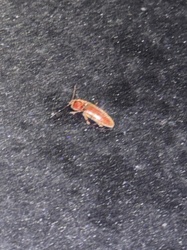
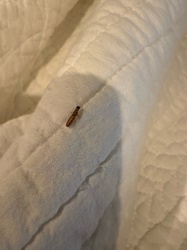
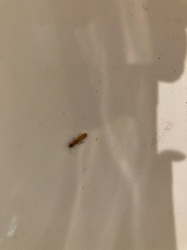
Termite identified by the community
Recent Termite finds identified with Bug Identifier.