
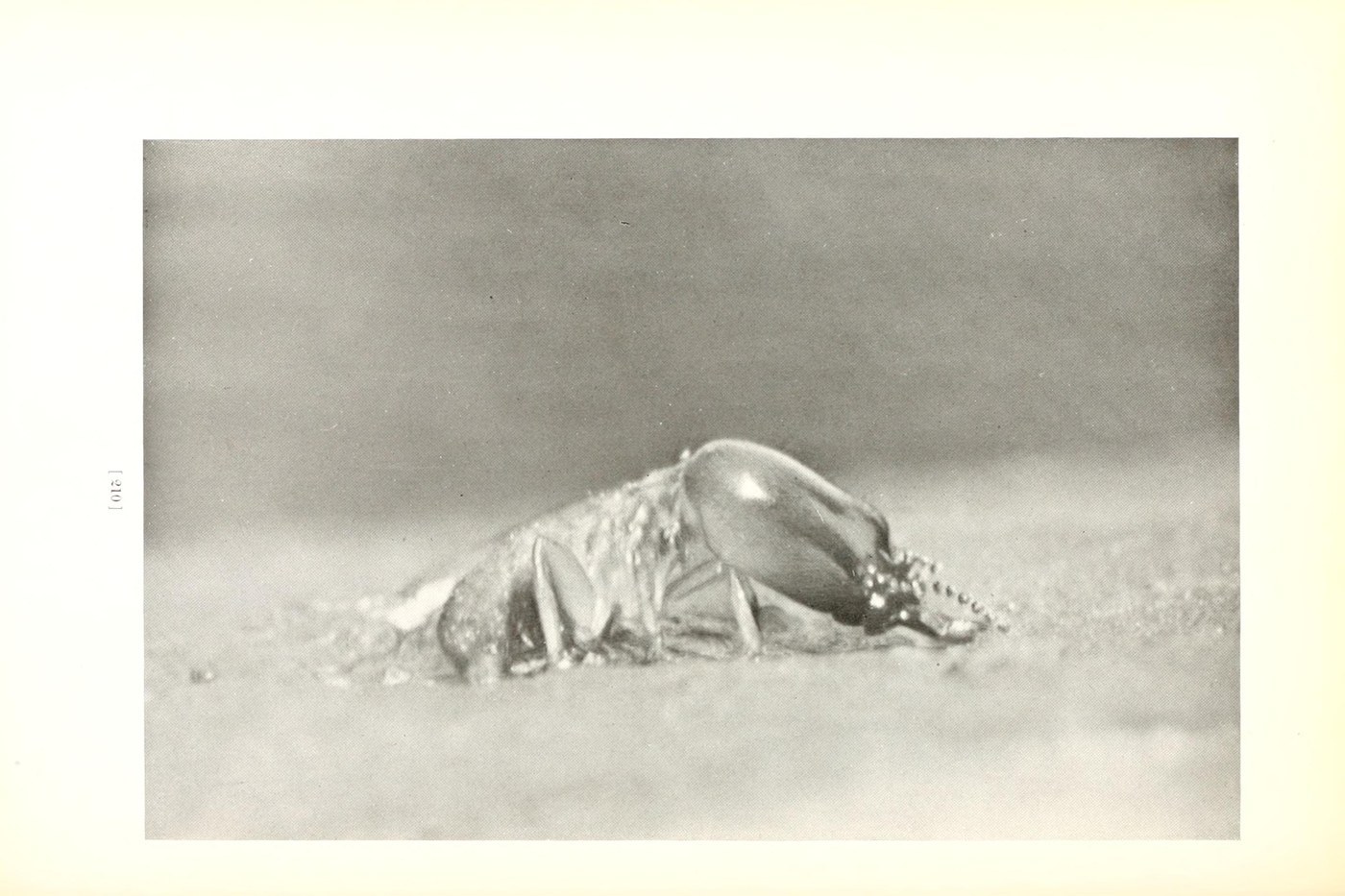
Termite
Reticulitermes flavipes
A pale, soft-bodied social insect that lives in hidden colonies and feeds on cellulose in wood and plant debris, often mistaken for an ant despite belonging to an entirely different insect order.
- Size
- 4–13 mm (workers and soldiers); winged reproductives slightly larger
- Habitat
- Soil, decaying wood, tree stumps, and wooden structures
- Danger
- Nuisance pest
Spotted a bug like this?
Identify any bug or insect from a photo, free.
Overview
Termites are eusocial insects in the order Blattodea (within the cockroach lineage, infraorder Isoptera), distinguished from ants by their broadly joined waist, straight beaded antennae, and pale, soft cuticle. Colonies are organized into castes—workers, soldiers, and reproductives—that cooperate to build and defend a nest and to process cellulose-rich food.
They are ecologically significant decomposers, breaking down dead wood and plant litter and recycling nutrients back into the soil, a role that makes them important in forest and grassland ecosystems even though the same wood-digesting habit brings some species into conflict with wooden structures.
Worldwide there are thousands of termite species, ranging from subterranean species that nest in soil and tunnel through wood in search of food, to drywood species that live entirely within the timber they consume, to large moundbuilding species in tropical regions.
How to Identify
- Small, soft-bodied, pale cream to light brown insects with a thick, uniformly wide waist (no narrow "wasp waist" as in ants).
- Straight, bead-like antennae, unlike the elbowed antennae of ants.
- Winged reproductives ("swarmers") have two pairs of wings of equal length and size, held flat over the body, and are shed after a mating flight.
- Soldiers have enlarged, darker heads with prominent mandibles used for colony defense.
- Lookalikes: flying ants, which have a pinched waist, elbowed antennae, and unequal front/hind wing size.
Habitat & Range
Subterranean termites nest in soil, typically in moist ground near wood sources, and range across most temperate and tropical regions worldwide; drywood termites live directly inside dry wood, often in warmer coastal or subtropical climates. Colonies are active year-round underground or within wood, though winged reproductives typically emerge in swarms during warm, humid conditions in spring or after rain.
Within their habitat, termites favor decaying logs, stumps, leaf litter, and any wood in contact with soil or moisture, avoiding direct light and open air.
Behavior & Diet
Termites feed on cellulose found in wood, grass, leaf litter, and other plant material, often relying on symbiotic gut microorganisms or fungi to help digest tough plant fibers. Workers forage and maintain the nest, soldiers defend it, and reproductives (kings and queens) found new colonies after dispersal flights.
Most activity occurs out of sight within soil, wood, or shelter tubes built to protect foraging routes from light and desiccation. As decomposers, termites play a substantial ecological role in nutrient cycling, and colonies communicate largely through pheromone trails and vibrational signals rather than sound.
Life Cycle
A mated queen and king found a new colony after a swarming flight, with the queen laying eggs that hatch into nymphs. Termites undergo incomplete (gradual) metamorphosis, with nymphs resembling small adults and molting repeatedly, differentiating into worker, soldier, or reproductive castes depending on colony needs and pheromonal cues.
Colonies are long-lived and perennial, persisting for years and producing new winged reproductives seasonally once mature, which disperse to found additional colonies. There is no distinct larval or pupal stage; growth is a gradual series of molts from nymph to adult form.
Frequently asked questions
How do I tell a termite from a flying ant?
Termites have a thick waist, straight antennae, and two pairs of equal-length wings, while flying ants have a pinched waist, elbowed antennae, and front wings longer than hind wings.
Do all termites live underground?
No. Subterranean species nest in soil, but drywood termites live entirely inside the wood they consume without soil contact.
What do termites eat?
Termites feed primarily on cellulose from wood, dead plant material, and leaf litter, aided by symbiotic microbes that help break down plant fiber.
Why do I sometimes see swarms of winged termites at once?
Mature colonies periodically release large numbers of winged reproductives together during a synchronized dispersal flight, usually in warm, humid weather.
Termite guides
In-depth guides for identifying, understanding, and living alongside Termite.
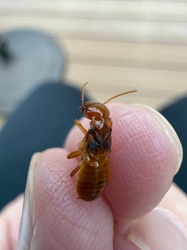
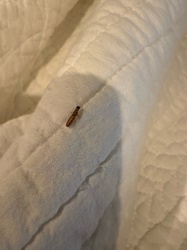
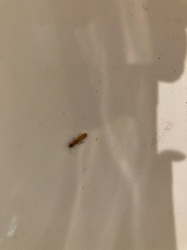
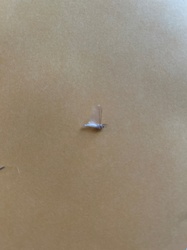
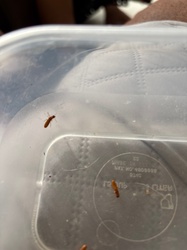
Termite identified by the community
Real finds identified with Bug Identifier.
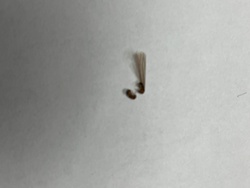
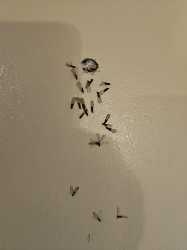
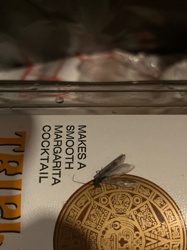
Other bugs you may enjoy
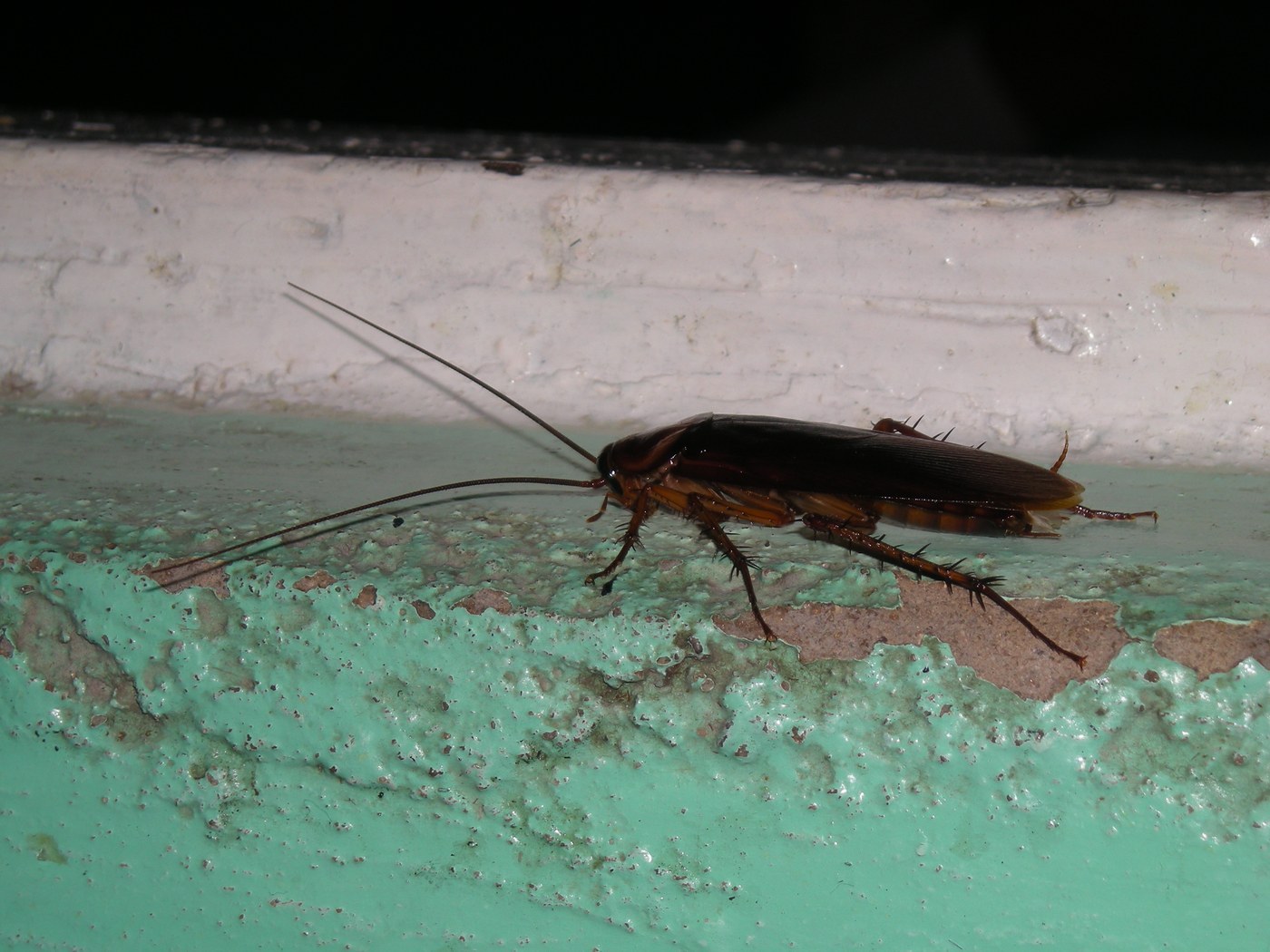
American Cockroach
Warm, humid environments such as basements, sewers, drains, and tropical outdoor settings
Thrips
Flowers, foliage, gardens, greenhouses, crop fields
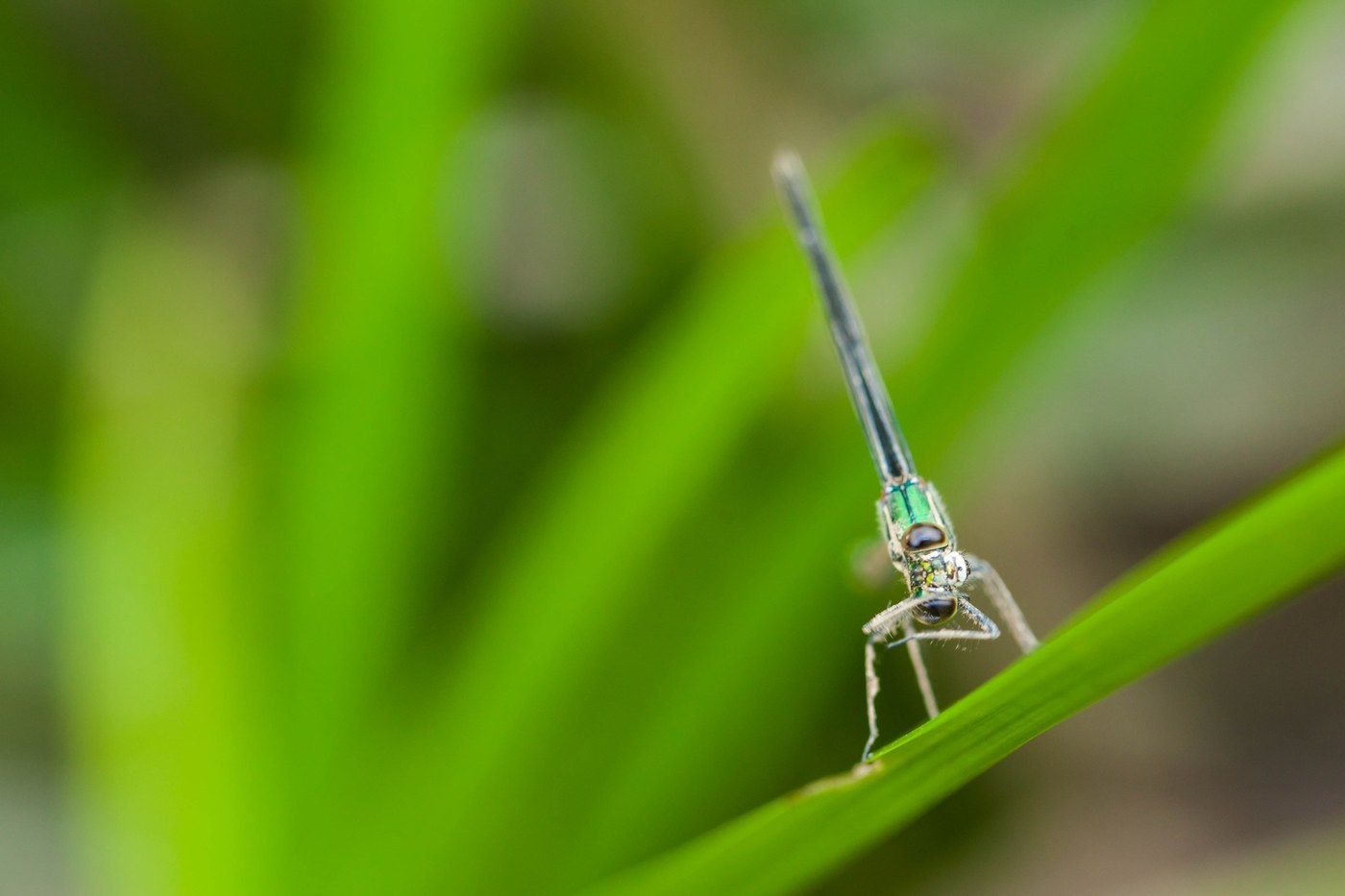
American Rubyspot
Sunny rivers and streams with moderate current
Springtail
Moist soil, leaf litter, decaying organic matter, and damp indoor areas
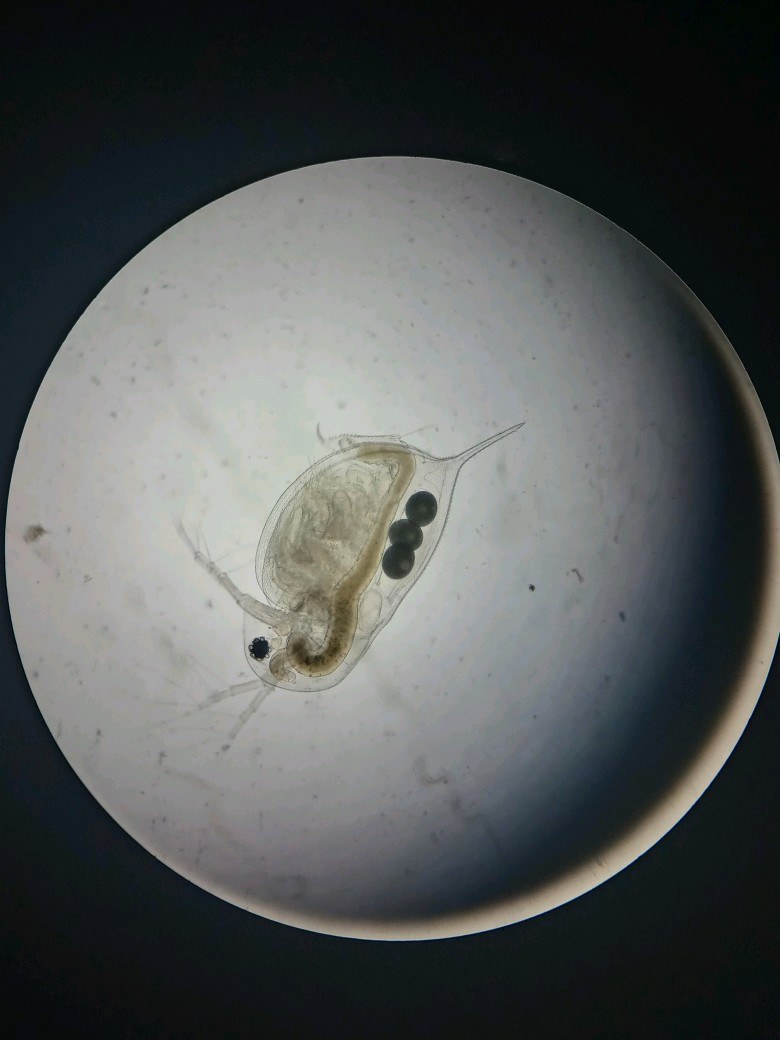
Water Flea
Ponds, lakes, and slow streams as free-floating plankton
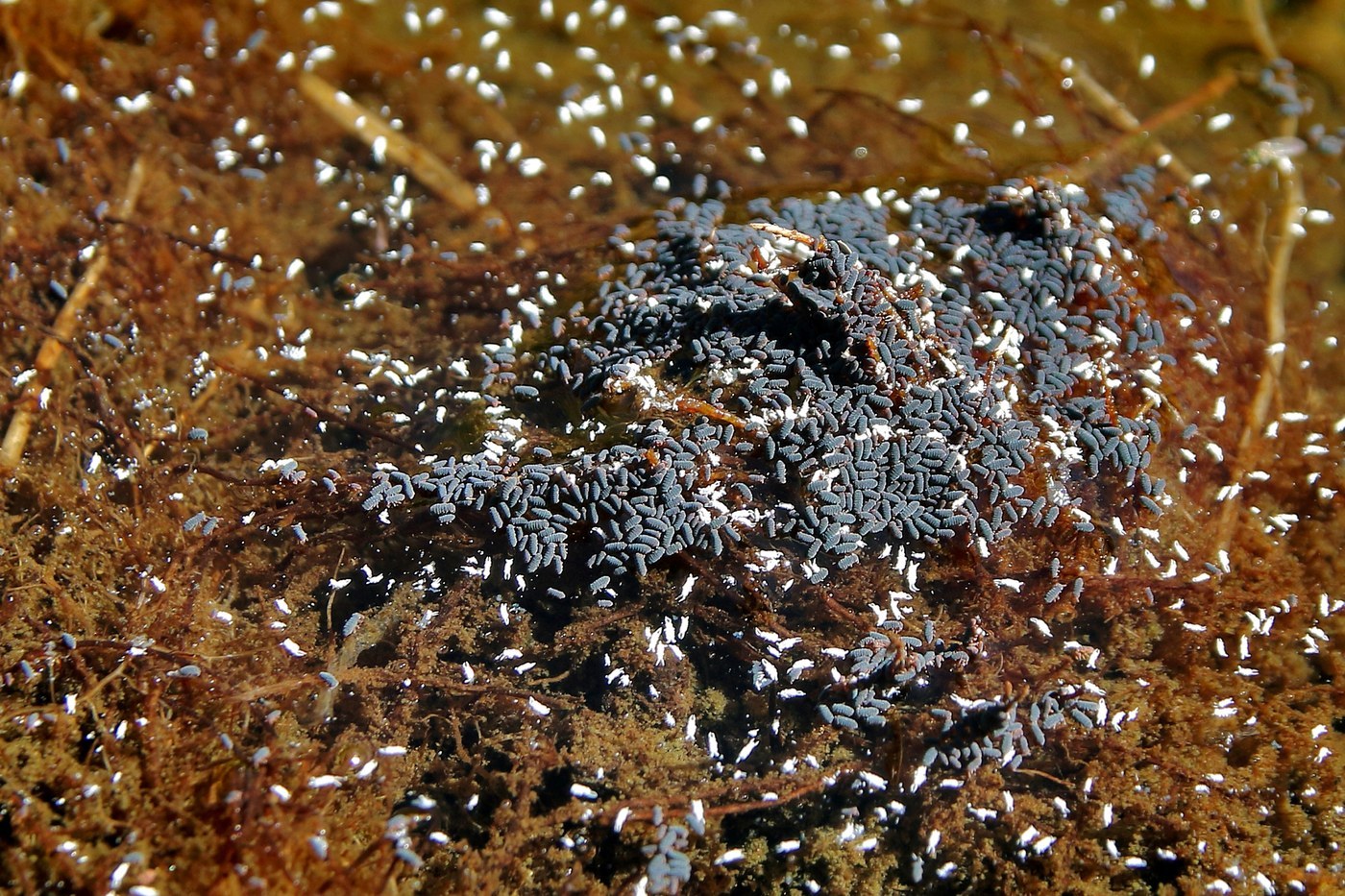
Water Springtail
Surface film of ponds, puddles, and slow ditches
Slug
Gardens, damp soil, leaf litter, greenhouses
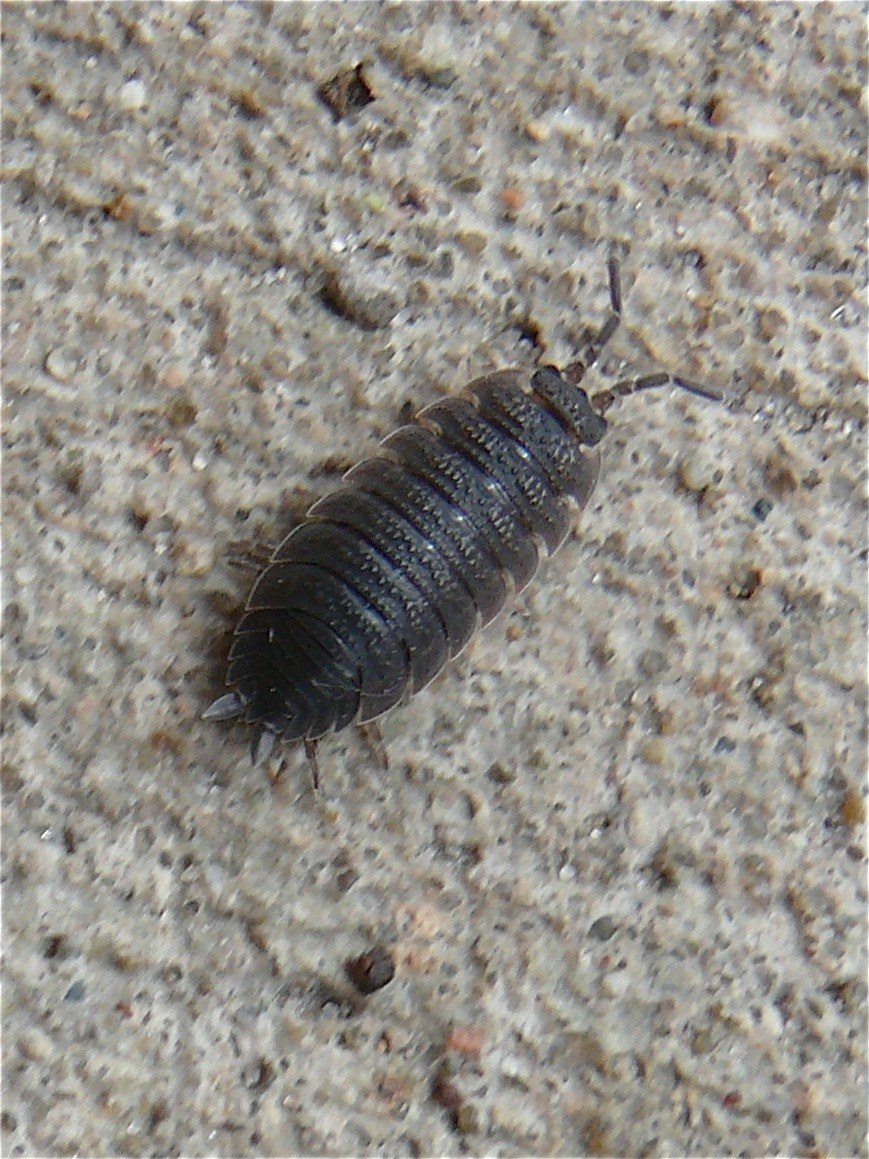
Sowbug
Leaf litter, under rocks/logs, damp garden soil, basements
Pill Bug
Damp soil, leaf litter, under rocks and logs, garden beds
Termite Swarmer
Emerges from underground or wood-nesting colonies, often near structures and moist soil
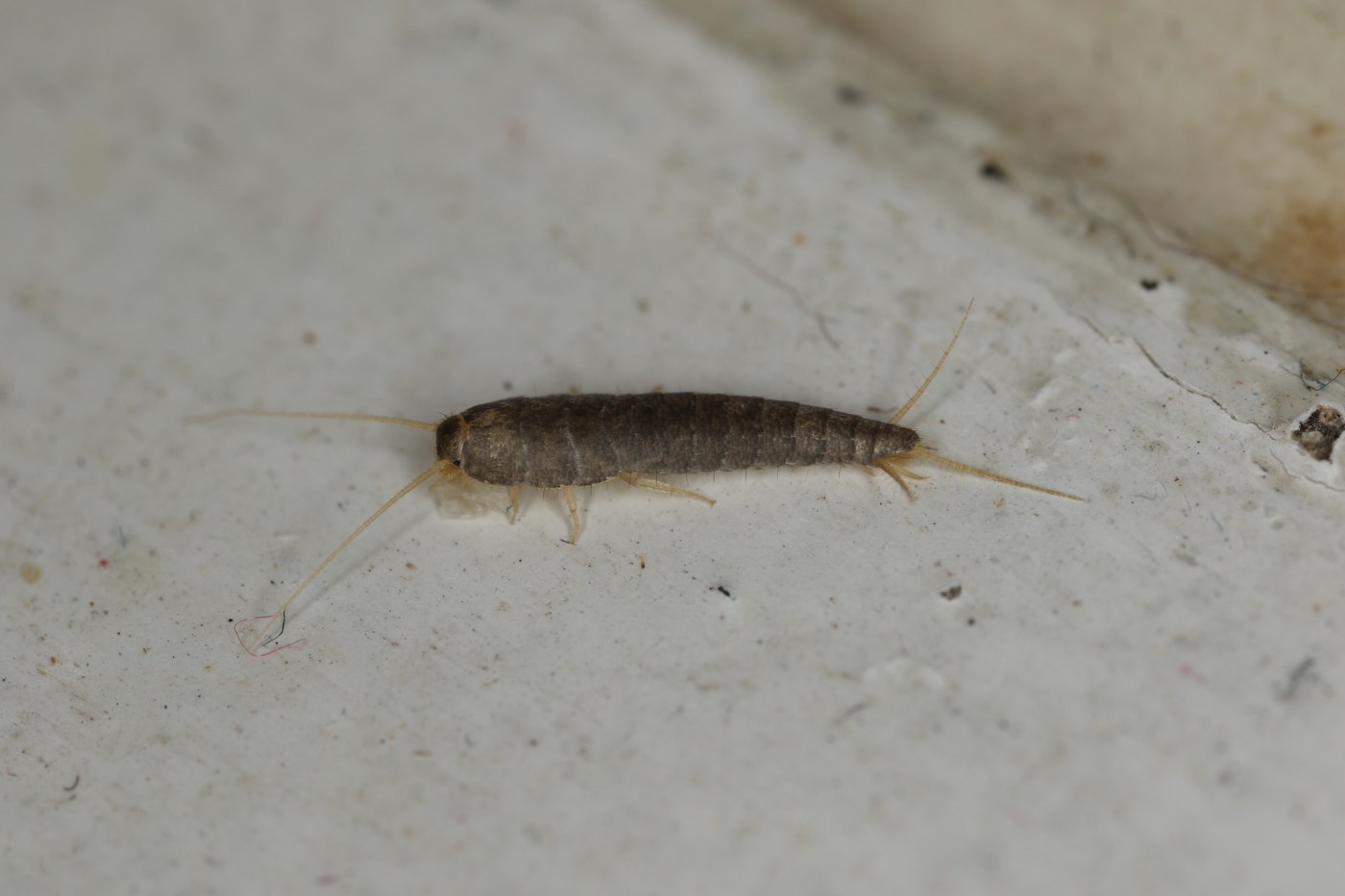
Silverfish
Damp basements, bathrooms, closets, and dark indoor crevices
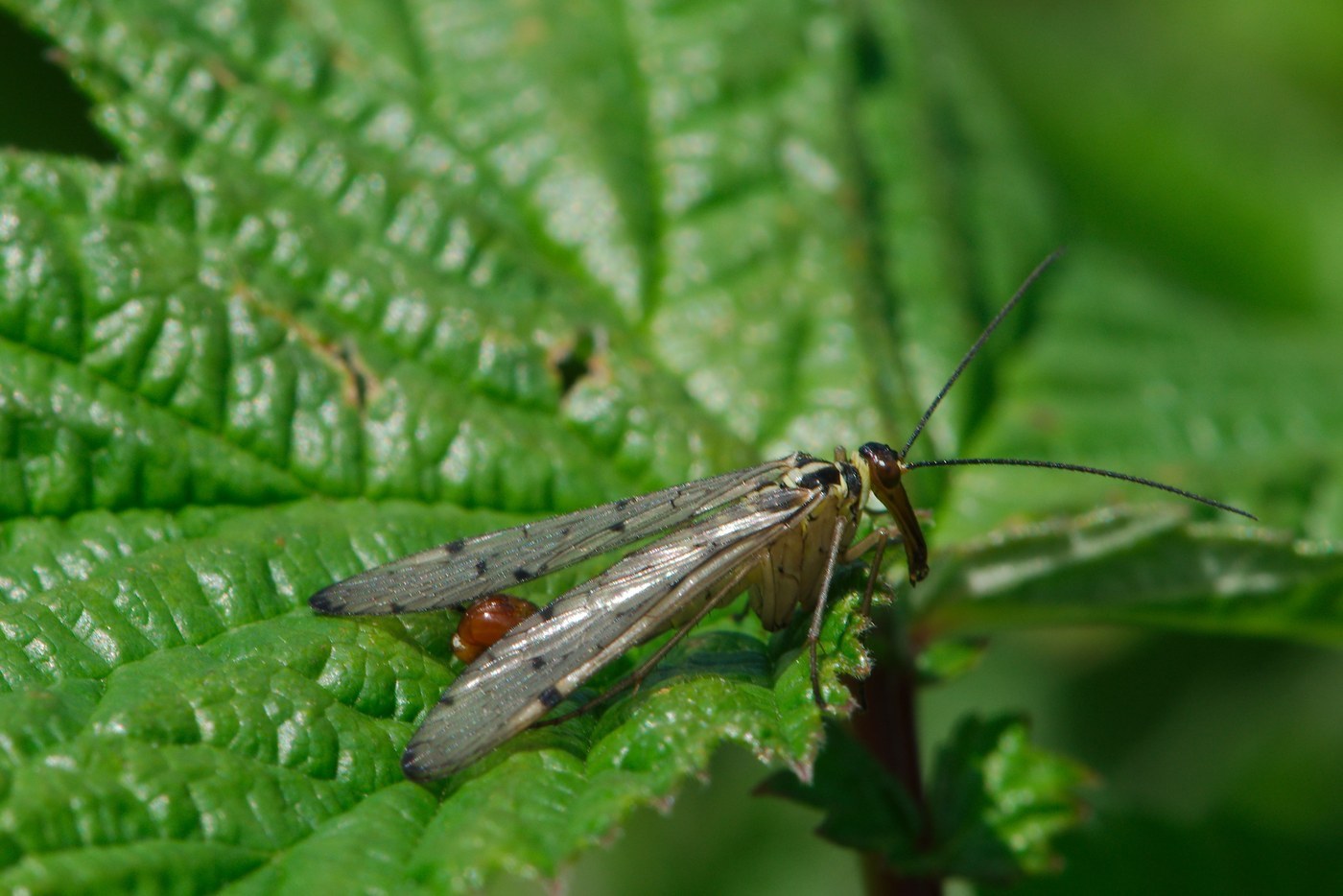
Scorpionfly
Moist woodlands, hedgerows, and shaded undergrowth