Vinegar Fly Identification Guide
Identify the tiny vinegar fly by its light tan body, bright red eyes, and habit of hovering persistently around ripening fruit and fermenting liquids.
Read the full Vinegar Fly encyclopedia entry →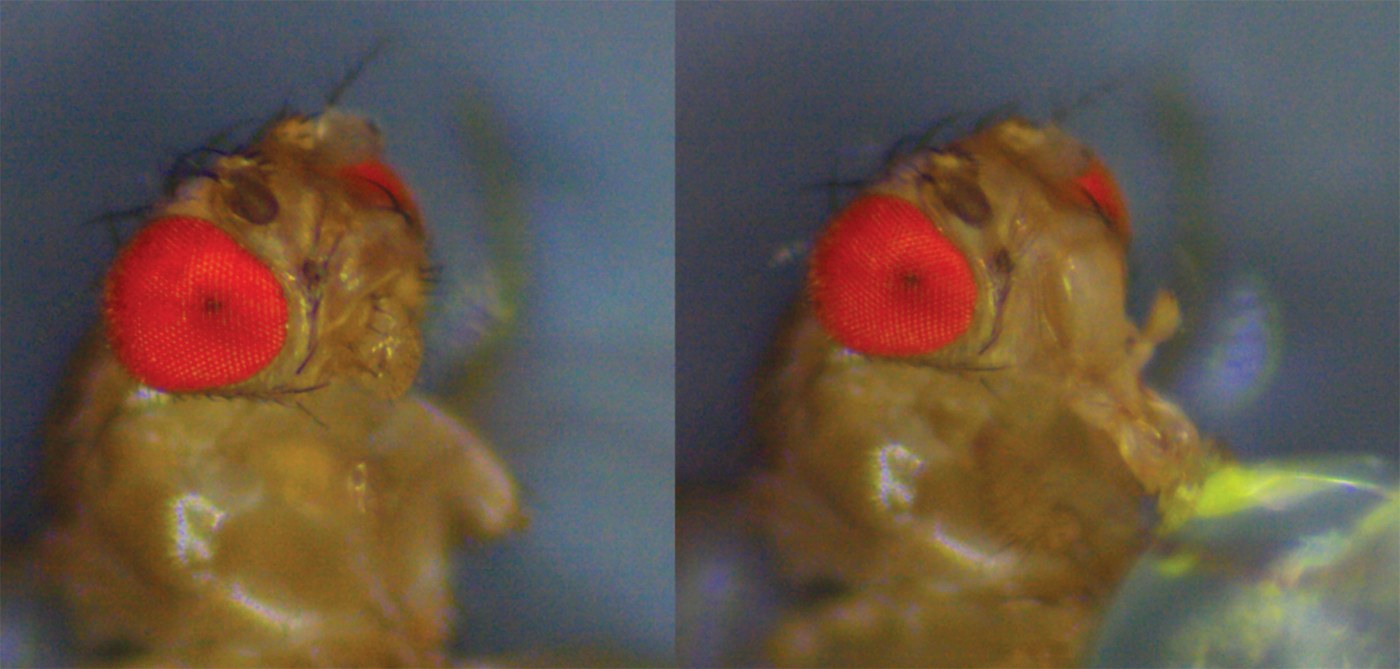
Key Visual Features
The vinegar fly, most familiar as the common fruit fly buzzing around a bowl of overripe bananas, is one of the smallest and most recognizable household flies.
- Size: Very small, about 2-3 mm long.
- Color: Light tan to yellowish-brown body with a darker, blackish tip on the abdomen.
- Body shape: Small, oval, and compact, with a rounded abdomen that tapers slightly at the rear.
- Wings: Clear and unmarked (no banding), held flat and slightly overlapping over the back at rest.
- Legs: Pale yellow to tan, short and slender.
- Antennae: Short with a feathery bristle, not a prominent feature given the fly's tiny overall size.
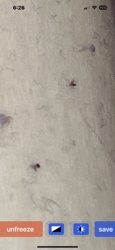
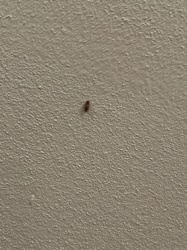
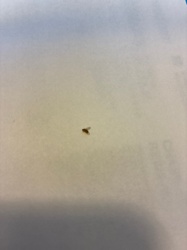
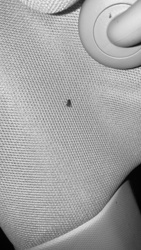
- Distinctive markings: Bright red eyes are the most noticeable feature, clearly visible even at close range against the pale body; some individuals show faint dark banding on the abdomen segments.
Where and When You'll See Them
Vinegar flies are drawn to any source of fermenting or decaying sugars — overripe fruit, spilled juice, wine, beer, vinegar, and compost — making kitchens, pantries, and produce sections common places to encounter them. They can appear indoors year-round wherever suitable food sources exist, but populations often spike during warm months when fruit ripens and ferments quickly. Look for them hovering persistently in small clouds around fruit bowls, drains, or recycling bins rather than resting for long periods.
Similar-Looking Bugs
- Mediterranean fruit fly and other tephritid fruit flies: Noticeably larger with bold banded wing patterns, in contrast to the vinegar fly's small size and plain, unmarked wings.
- Fungus gnats: Similar in size but darker gray-black overall, with longer legs and a more mosquito-like slender body, and are associated with damp potting soil rather than ripening fruit.
- Phorid flies (humpbacked flies): Also tiny, but have a distinctly arched, humpbacked thorax profile and tend to run quickly across surfaces rather than hover, unlike the more direct, weaving flight of vinegar flies.
Quick ID Checklist
- Very small (2-3 mm), tan body with a dark abdomen tip
- Bright red eyes clearly visible up close
- Plain, unmarked clear wings
- Hovers in small clouds around fruit, drains, or fermenting liquids
- Common indoors year-round, especially where produce is ripening
Frequently asked questions
What is the easiest way to identify a vinegar fly?
Its very small size combined with bright red eyes and plain, unmarked clear wings is the quickest identifying combination, especially when seen hovering around ripening fruit.
How is the vinegar fly different from a fungus gnat?
Vinegar flies are tan/yellowish with red eyes and a compact oval body, while fungus gnats are darker gray-black with a more slender, mosquito-like body and longer legs, and are tied to damp soil rather than fruit.
Where indoors are vinegar flies most commonly found?
Around kitchens and pantries wherever ripening or fermenting produce, spilled juice, or recycling containing sugary residue is present, as well as near drains where organic buildup accumulates.
Does the vinegar fly have any banding on its wings like other fruit flies?
No, unlike some larger fruit fly relatives with bold banded wing patterns, the vinegar fly's wings are plain and unmarked.
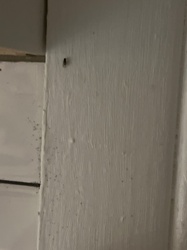
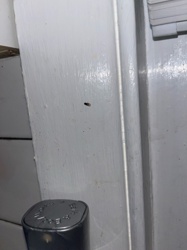
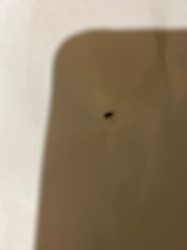
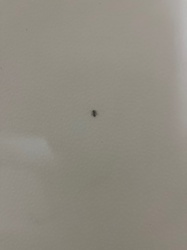
Vinegar Fly identified by the community
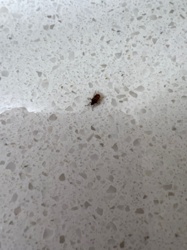
Recent Vinegar Fly finds identified with Bug Identifier.