
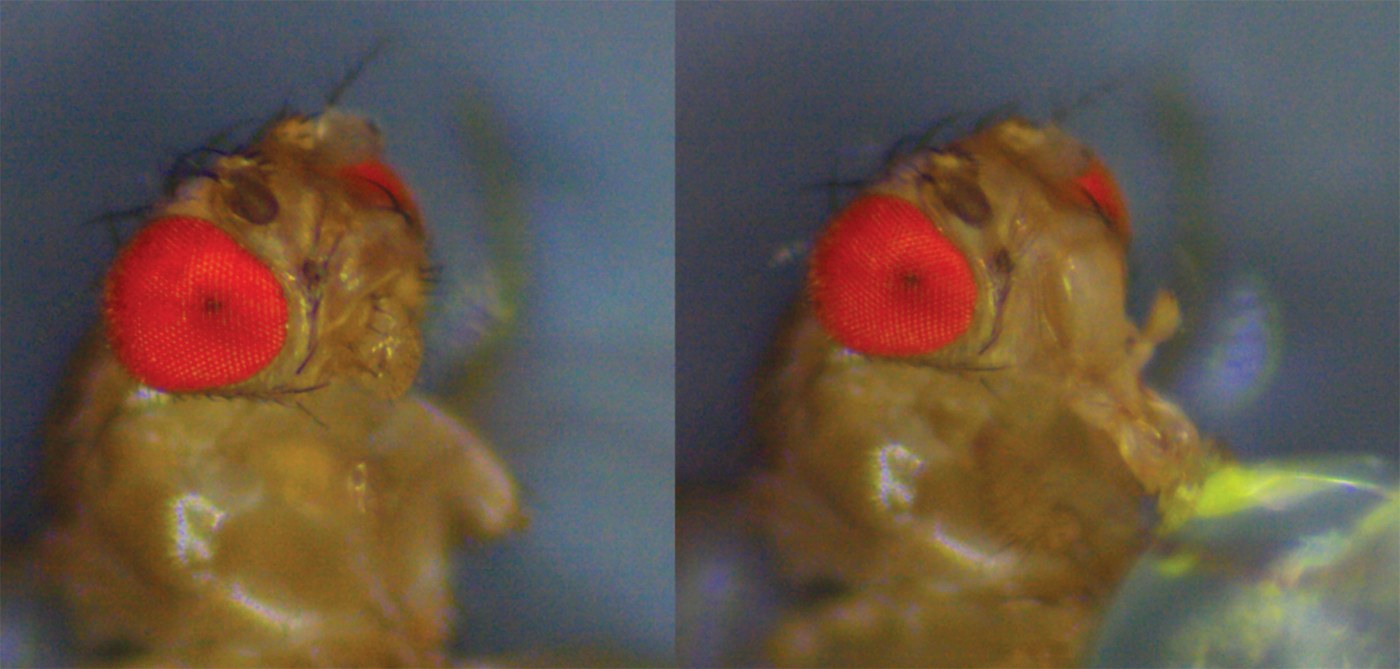
Vinegar Fly
Drosophila melanogaster
A tiny tan fly with bright red eyes that seems to appear out of nowhere the moment a banana starts to spoil, drawn in by the smell of fermentation rather than the fruit itself. Few insects have contributed more to the science of genetics, making this unassuming kitchen visitor one of the most studied animals on Earth.
- Size
- 2–3 mm, tan with bright red eyes
- Habitat
- Around overripe fruit, compost, and fermenting materials worldwide
- Danger
- Nuisance pest
Spotted a bug like this?
Identify any bug or insect from a photo, free.
Overview
The vinegar fly, Drosophila melanogaster, is a small tan fly with striking bright red compound eyes, familiar worldwide as the tiny insect that clusters around overripe bananas, wine glasses, and compost bins. It is not primarily attracted to fresh fruit but rather to the yeasts and bacteria that begin fermenting sugars as fruit ages, since these microorganisms are the actual food source for both adults and larvae.
Beyond its role as a household nuisance, this species is one of the most important model organisms in biology, having been used for over a century in genetics research to uncover fundamental principles of heredity, development, and gene function that apply broadly across animals, including humans. Its short generation time, simple food requirements, and small genome have made it a mainstay of laboratories worldwide.
In the wild, Drosophila melanogaster is believed to have originated in sub-Saharan Africa and has since spread globally alongside human agriculture and food storage, thriving anywhere fermenting plant material is available.
How to Identify
- Very small fly, 2–3 mm long, with a tan to yellowish-brown body and dark abdominal banding
- Bright red compound eyes are the most recognizable feature and easily visible without magnification
- Wings are clear and held flat over the body at rest, extending slightly past the abdomen tip
- Flight is short and erratic, often hovering close to fermenting food sources rather than covering long distances
- Distinguished from the larger Mediterranean fruit fly by its much smaller size, plain wings, and lack of wing banding
Habitat & Range
Vinegar flies are found virtually worldwide in association with human activity, thriving wherever fruit, vegetables, or other plant material is fermenting or decaying, including kitchens, compost piles, orchards, wineries, and breweries. They are most abundant in warm months but can persist indoors year-round in heated buildings, and outdoor populations peak during the fruit harvest season in temperate climates.
Behavior & Diet
Adults and larvae feed primarily on the yeasts, bacteria, and other microorganisms that colonize decaying or fermenting fruit, rather than on the fruit tissue itself, which is why the flies are drawn so strongly to anything overripe or fermenting. Females can detect the scent of fermentation from a distance and lay eggs directly on suitable rotting material, allowing populations to grow rapidly under warm conditions. Ecologically, vinegar flies contribute to the breakdown of fallen and decaying fruit and serve as a food source for various small predators, while their outsized role in scientific research has also made them indirectly important to the study of human genetics and disease.
Life Cycle
Eggs are laid on the surface of fermenting fruit or other suitable material and hatch within about a day under warm conditions. Larvae feed on microorganisms in the decaying substrate and pass through three growth stages over roughly four to five days before pupating, often near the surface or edge of the food source. The pupal stage lasts about four to five days, after which adults emerge and can begin reproducing within a couple of days, giving the species one of the shortest generation times of any well-known insect and allowing many generations to occur in a single season.
Frequently asked questions
Are vinegar flies attracted to fresh fruit or rotting fruit?
They are attracted mainly to the yeast and fermentation odors produced as fruit begins to overripen or spoil, not to fresh, unblemished fruit.
Why is this species so important in science?
Its short life cycle, simple care requirements, and well-mapped genetics have made it one of the most widely used model organisms for studying heredity and gene function.
How quickly can a vinegar fly population grow?
Because the life cycle from egg to reproducing adult can take as little as about ten days under warm conditions, populations can increase very rapidly.
Where did the vinegar fly originally come from?
It is believed to have originated in sub-Saharan Africa before spreading worldwide alongside human food storage and agriculture.
Vinegar Fly guides
In-depth guides for identifying, understanding, and living alongside Vinegar Fly.
Vinegar Fly identified by the community
Real finds identified with Bug Identifier.
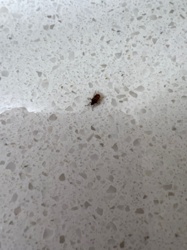
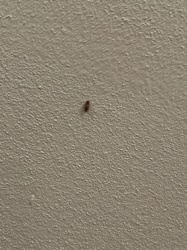
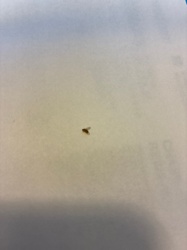
Other bugs you may enjoy
Aphid Midge
Gardens, greenhouses, and crops with aphids
Yellow Fever Mosquito
Urban and peri-urban areas near small artificial water containers in tropical and subtropical regions worldwide
Root Maggot
Garden and field soil around the roots of cole crops and other vegetables
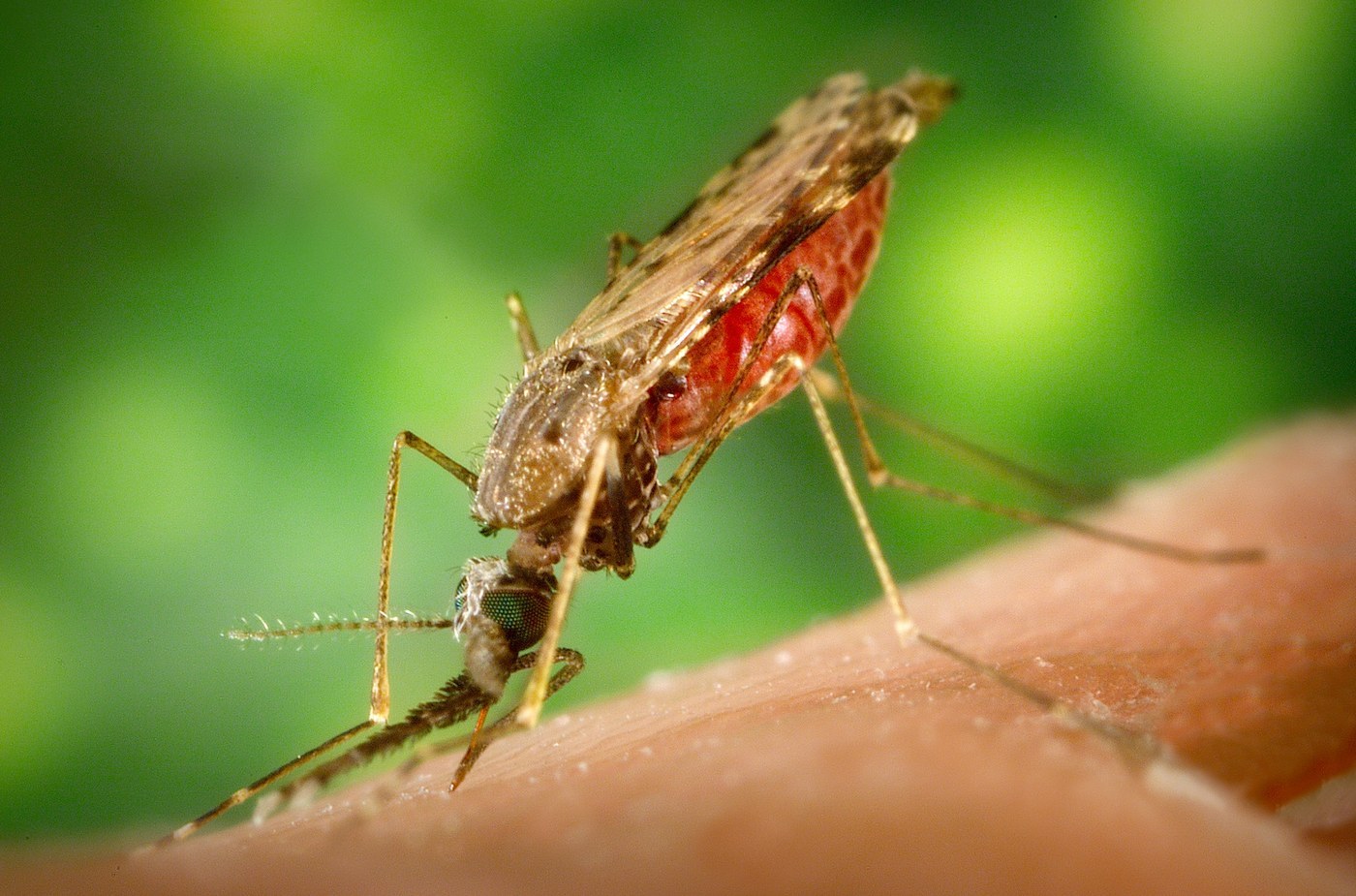
Anopheles Mosquito
Clean, still or slow-moving freshwater habitats such as marshes, ponds, and rice paddies
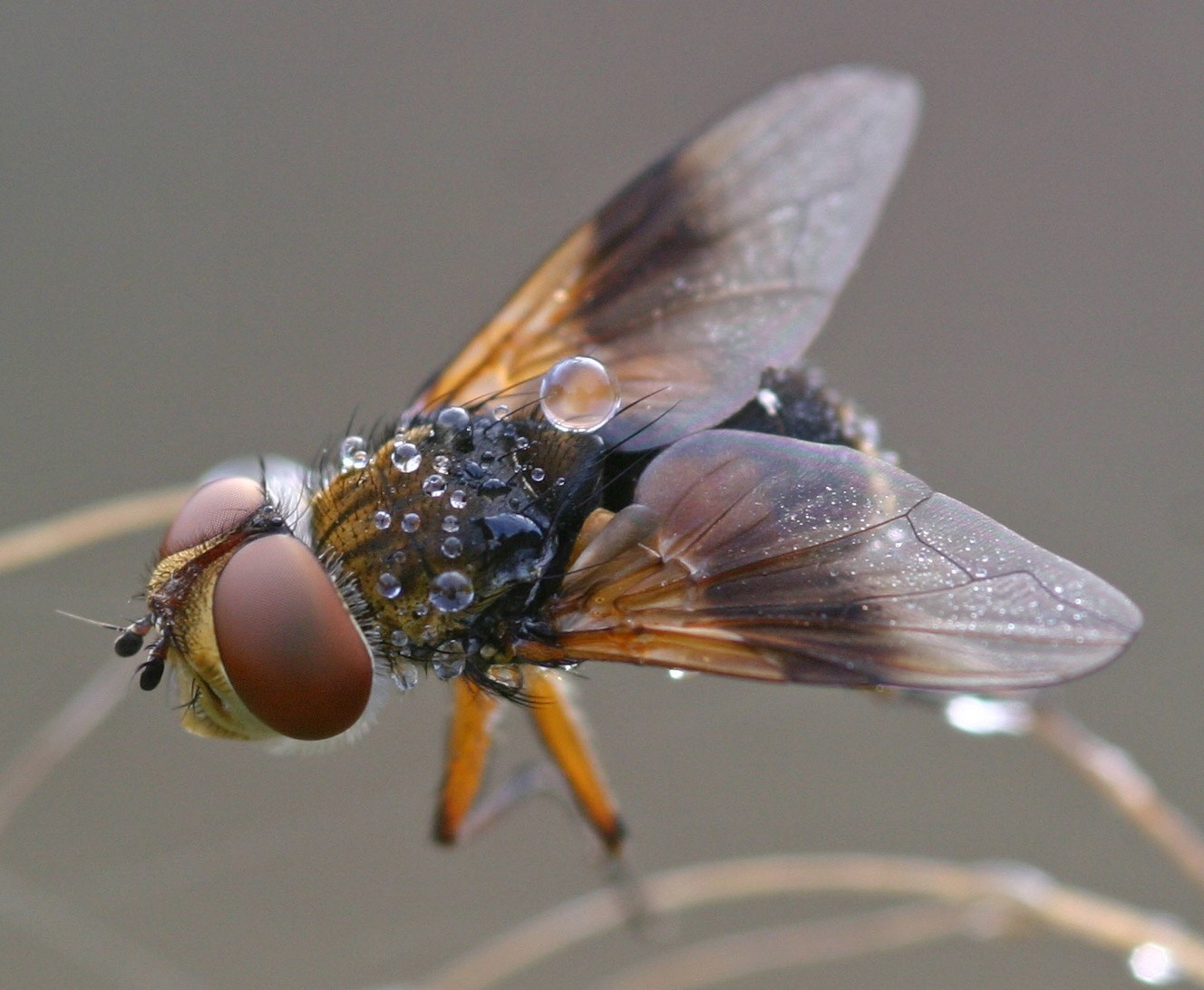
Tachinid Fly
Gardens, meadows, and woodlands wherever host caterpillars and other insects occur
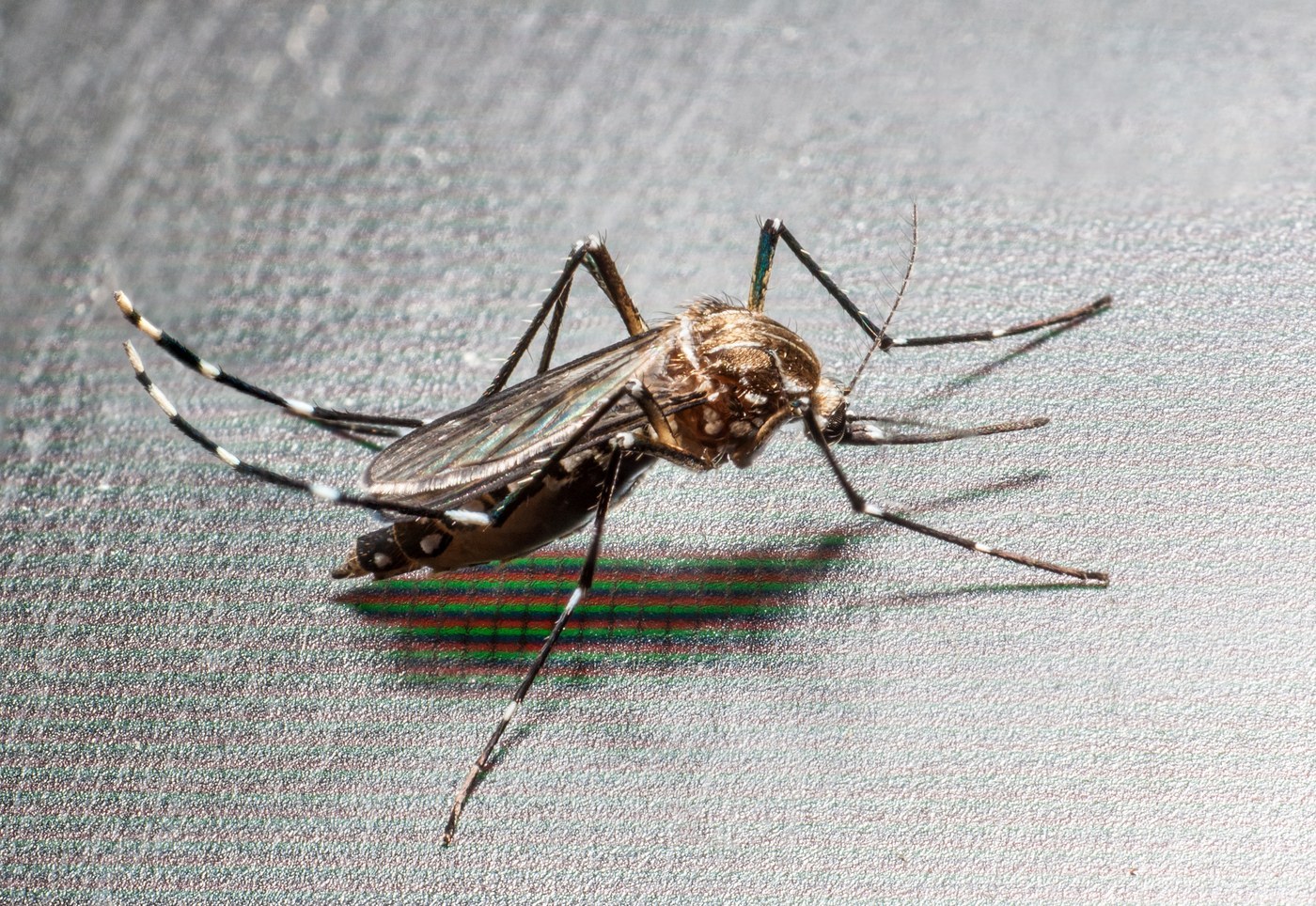
Asian Tiger Mosquito
Shaded urban and suburban areas near small water-holding containers, tires, and tree holes; native to Southeast Asia, now widespread
Tsetse Fly
Wooded savanna, riverine thickets, and forest edges across sub-Saharan Africa
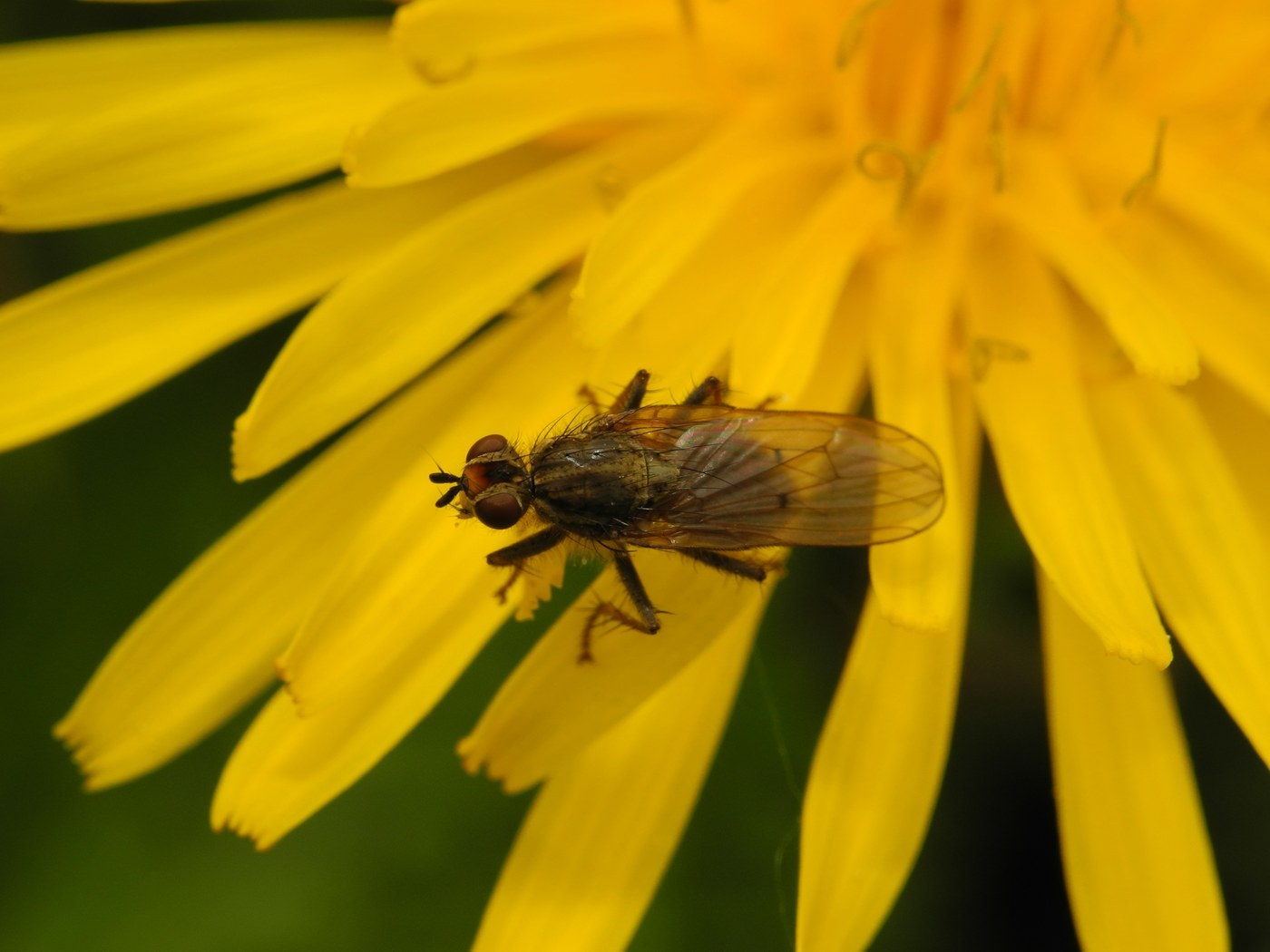
Yellow Dung Fly
Pastures and fields with fresh cattle dung
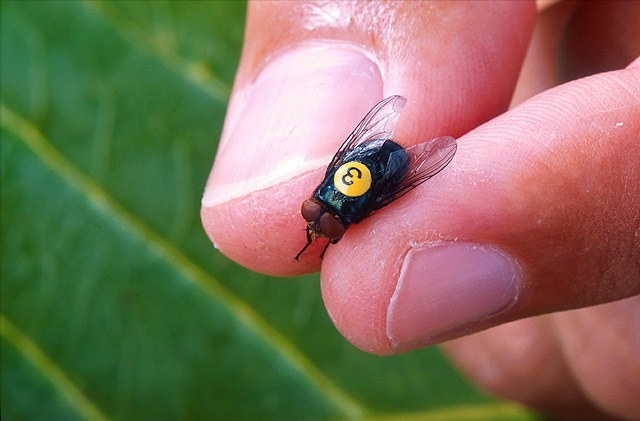
Screwworm Fly
Warm, humid lowlands of the Americas, especially near livestock and wildlife wounds
Soldier Fly
Wetland margins, decaying organic matter, and vegetation near water
Punkie
near marshes, mudflats, ponds, and other standing water
Warble Fly
Pastures and rangeland wherever cattle and other large grazing mammals occur