Walking Stick Identification Guide
Discover how to spot this master of camouflage by its twig-like body, slow deliberate movement, and stillness among branches.
Read the full Walking Stick encyclopedia entry →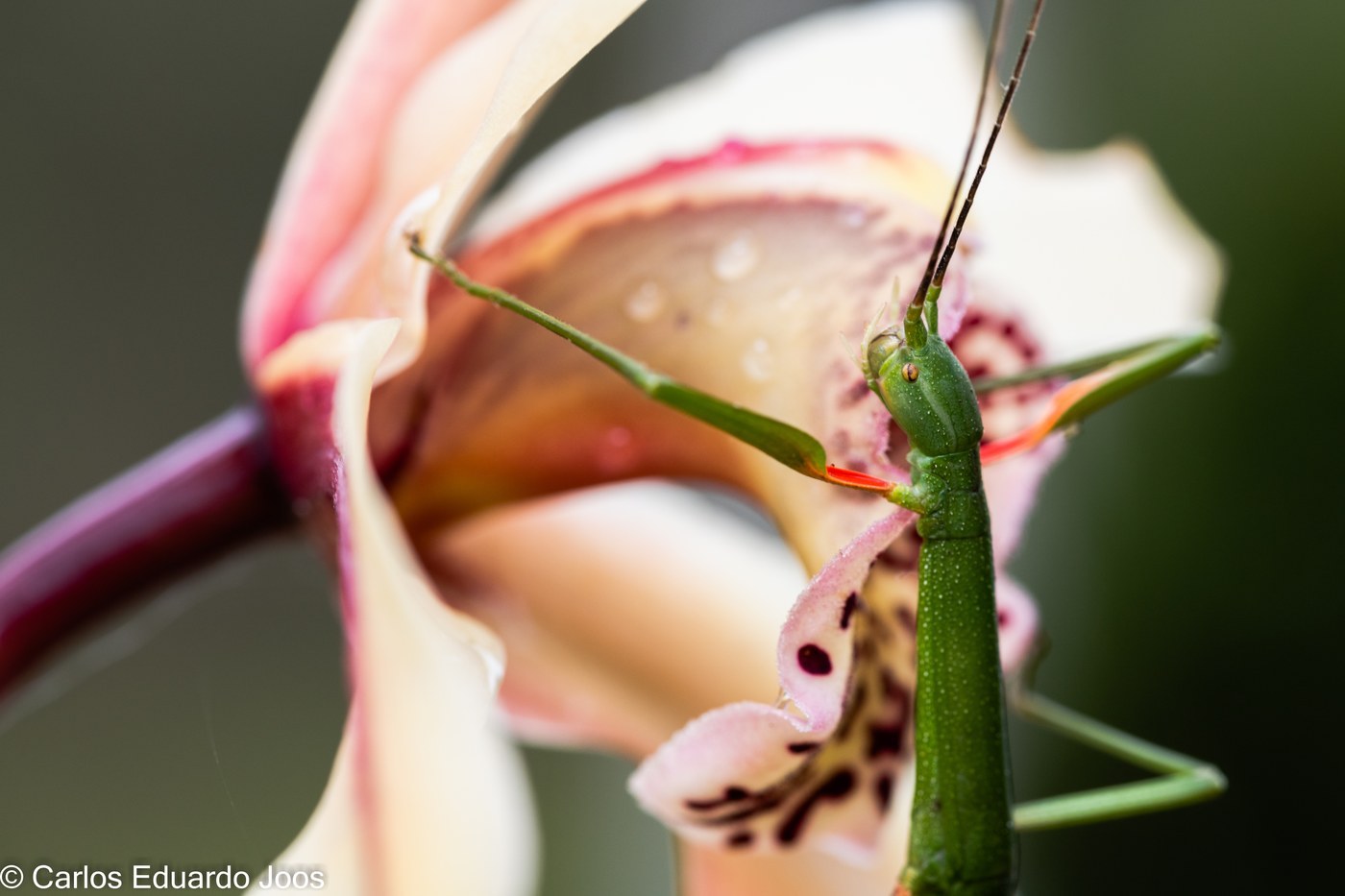
Key Visual Features
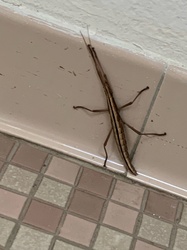
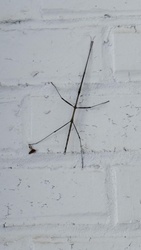
Walking sticks (stick insects) are among the most extreme camouflage artists in the insect world, built to look exactly like the twigs and branches they live on.
- Size: Ranges widely by species, from about 2 inches to over a foot long in some tropical species; North American species are typically 3 to 4 inches.
- Color: Brown, tan, gray, or green, closely matching the bark or foliage of host plants; some individuals shift shade slightly with molt or lighting.
- Body shape: Extremely long, slender, and cylindrical, segmented to resemble a jointed twig or stick.
- Wings: Most species are wingless or have only small, non-functional wing pads; some tropical species have short or camouflaged wings.
- Legs: Long, thin legs that extend outward and are often held pressed against the body or stretched out in line with it to complete the twig disguise.
- Antennae: Long, thread-like antennae, though some species have shorter ones; the head is small and easy to overlook.
Where and When You'd See One
Walking sticks are found in forests, woodlands, and shrubby areas worldwide, feeding on leaves of trees like oak, hazel, and rose. They are primarily nocturnal, feeding and moving at night while remaining nearly motionless and camouflaged during the day, clinging to twigs and branches. They're most commonly encountered from late spring through fall, and are often found accidentally, such as on a porch light at night or when a "twig" suddenly moves.
Similar-Looking Bugs
- Praying mantis: Also elongated, but a mantis has a distinct triangular head, large forward-facing eyes, and grasping front legs; walking sticks have a small head and simple walking legs on all three pairs.
- True twigs and thorns: The giveaway is movement — a real twig never sways with a slow, rocking gait or reacts to being touched.
- Grass and leaf mimics: Some katydids and mantids mimic leaves rather than sticks; walking sticks are cylindrical and stick-like rather than flat and leaf-shaped.
- Assassin bugs (thread-legged forms): Some have elongated bodies but are much smaller, with a distinct piercing mouthpart and a more robust thorax.
Quick ID Checklist
- Long, thin, cylindrical body that mimics a twig or branch
- Legs held close to or in line with the body
- Slow, swaying, deliberate movement (may mimic a twig blowing in the wind)
- Wingless or with only small wing pads in most species
- Found motionless on trees and shrubs, most active at night
Frequently asked questions
How can I tell if what I'm looking at is really a walking stick and not an actual twig?
Watch for movement — walking sticks may sway slowly to mimic wind-blown branches, and they have visible jointed legs, small antennae, and a tiny head that a real twig lacks.
Do walking sticks have wings?
Most species, especially those in temperate regions, are wingless or have only small non-functional wing pads, while some tropical species have short flight wings hidden beneath a wing-like covering.
What time of day are walking sticks most active?
They are primarily nocturnal, feeding and moving about at night while staying still and camouflaged among foliage during daylight hours.
How do I tell a walking stick apart from a praying mantis?
A mantis has a distinct triangular head with large eyes and folded grasping front legs, while a walking stick has a small inconspicuous head and ordinary walking legs on all three pairs.
Walking Stick identified by the community
Recent Walking Stick finds identified with Bug Identifier.