
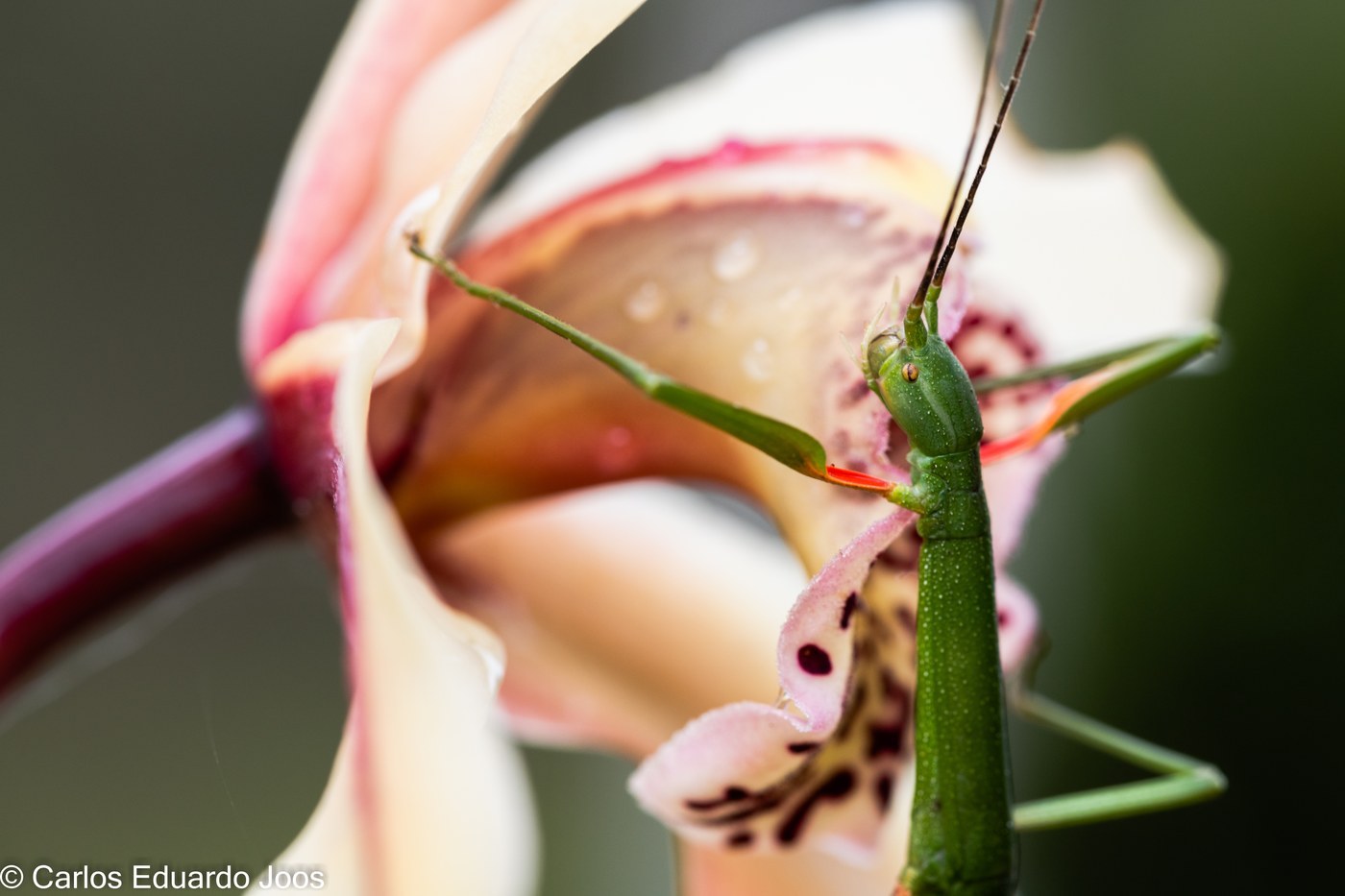
Walking Stick
Diapheromera femorata
A remarkably twig-like insect with a long, slender, brown to green body and thin legs, so effective at mimicking a plant stem that it can be nearly invisible while motionless on vegetation.
- Size
- 75–100 mm
- Habitat
- Deciduous woodlands, forest edges, and shrubby vegetation
- Danger
- Harmless
Spotted a bug like this?
Identify any bug or insect from a photo, free.
Overview
The walking stick, also known as a stick insect, belongs to the order Phasmatodea, a group of insects famed throughout the world for their extraordinary camouflage as twigs, stems, or leaves. The common walkingstick found across much of eastern and central North America, Diapheromera femorata, is one of the most familiar representatives of this order in temperate regions.
Its body is extremely elongated, slender, and cylindrical, closely resembling a slim twig or stem, typically brown or green in color, with thin, stick-like legs held close to the body when at rest to enhance the disguise. Many species, including the common walkingstick, lack functional wings, relying entirely on their body shape and stillness for protection rather than flight.
Walking sticks are notable in the natural world as one of the premier examples of protective mimicry among insects, and their slow, deliberate movements combined with their plant-like appearance make them a favorite subject of study in camouflage and predator-avoidance behavior.
How to Identify
- Body is extremely elongated, slender, and cylindrical, typically 75–100 mm long in adult females of the common walkingstick (males are somewhat smaller), colored brown, gray-brown, or green to closely match surrounding twigs and stems.
- Legs are long, thin, and stick-like, often held extended forward and backward along the body axis when at rest to enhance the twig-like silhouette.
- Antennae are long and thread-like, adding to the overall linear, stem-like appearance.
- Most North American species, including the common walkingstick, are wingless as adults, though many tropical species possess wings, sometimes brightly colored and hidden beneath camouflaged forewings.
- Distinguished from true twigs primarily by very slow, swaying movement mimicking a stem moving in the wind, and by close inspection revealing jointed legs and a head with visible eyes and antennae.
Habitat & Range
Walking sticks are found in temperate and tropical regions worldwide, with the common walkingstick widespread across deciduous woodlands and forest edges of the eastern and central United States and adjacent Canada. They inhabit the foliage of trees and shrubs, particularly favoring oak and other deciduous hardwoods as host plants.
Adults and nymphs are most active during the warmer months, from late spring through fall, spending most of daylight hours motionless among foliage where their camouflage is most effective. Activity increases at night, when individuals move about and feed more actively under cover of darkness.
Behavior & Diet
Walking sticks are herbivorous, feeding primarily on the leaves of trees and shrubs, with many temperate species favoring oak leaves in particular. They are most active at night, feeding under cover of darkness, while spending daylight hours nearly motionless among foliage to avoid detection by visually hunting predators.
Their primary defense is camouflage combined with stillness; when disturbed, some species may sway gently back and forth to mimic a twig moving in the breeze, drop suddenly to the ground and remain motionless, or in some species release a defensive secretion. Movement is generally slow and deliberate, reinforcing the illusion of being an inanimate plant part rather than a living animal.
Life Cycle
Walking sticks undergo incomplete metamorphosis, developing through egg, nymph, and adult stages without a pupal phase. Females drop or flick hard, seed-like eggs to the ground individually rather than laying them in clusters, often over an extended period through summer and fall.
Eggs typically overwinter on the forest floor and hatch the following spring, sometimes even taking more than one winter to hatch in some populations. Nymphs resemble small, slender versions of the adult and climb into vegetation to begin feeding, molting several times over the summer as they grow toward adult size. The common walkingstick generally produces one generation per year in temperate regions, with adults present from mid to late summer before dying off as cold weather arrives.
Frequently asked questions
How can you tell a walking stick apart from an actual twig?
Close observation reveals jointed legs, a distinct head with small eyes and antennae, and slow, deliberate movement, especially a gentle swaying motion, none of which a true twig exhibits.
Can walking sticks fly?
Most North American species, including the common walkingstick, are wingless as adults and cannot fly, though many tropical stick insect species do have functional wings.
What do walking sticks eat?
They are herbivores that feed on the leaves of trees and shrubs, with the common walkingstick showing a particular preference for oak leaves.
How big can a walking stick get?
The common North American walkingstick typically reaches about 75 to 100 millimeters in length, though many tropical stick insect species can grow considerably longer.
Walking Stick guides
In-depth guides for identifying, understanding, and living alongside Walking Stick.
Walking Stick identified by the community
Real finds identified with Bug Identifier.
Other bugs you may enjoy
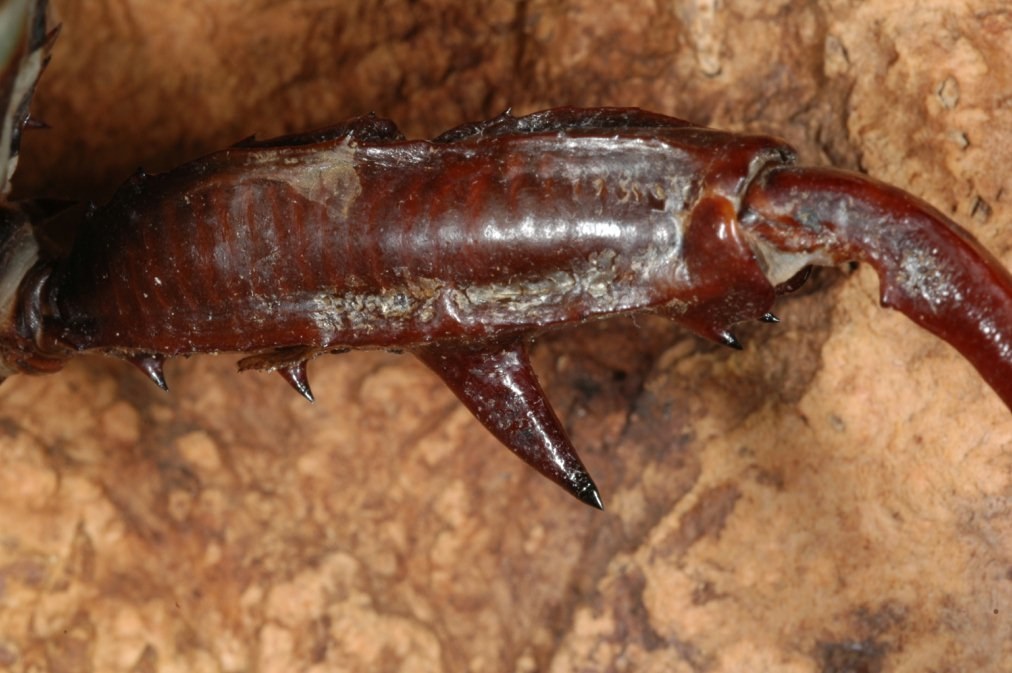
Walking Stick Insect
Trees, shrubs and leaf litter in forests, woodlands and gardens
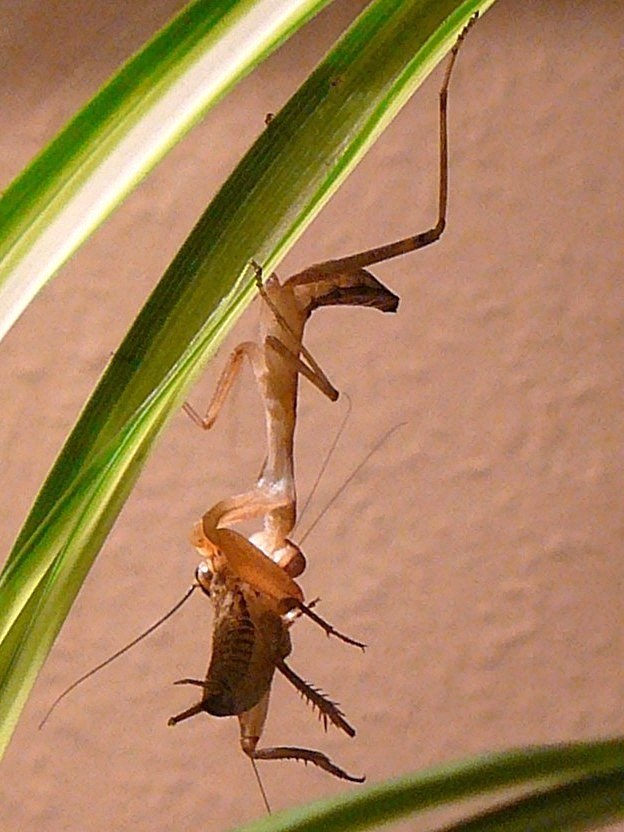
African Mantis
grasslands, shrubs, and gardens across sub-Saharan Africa
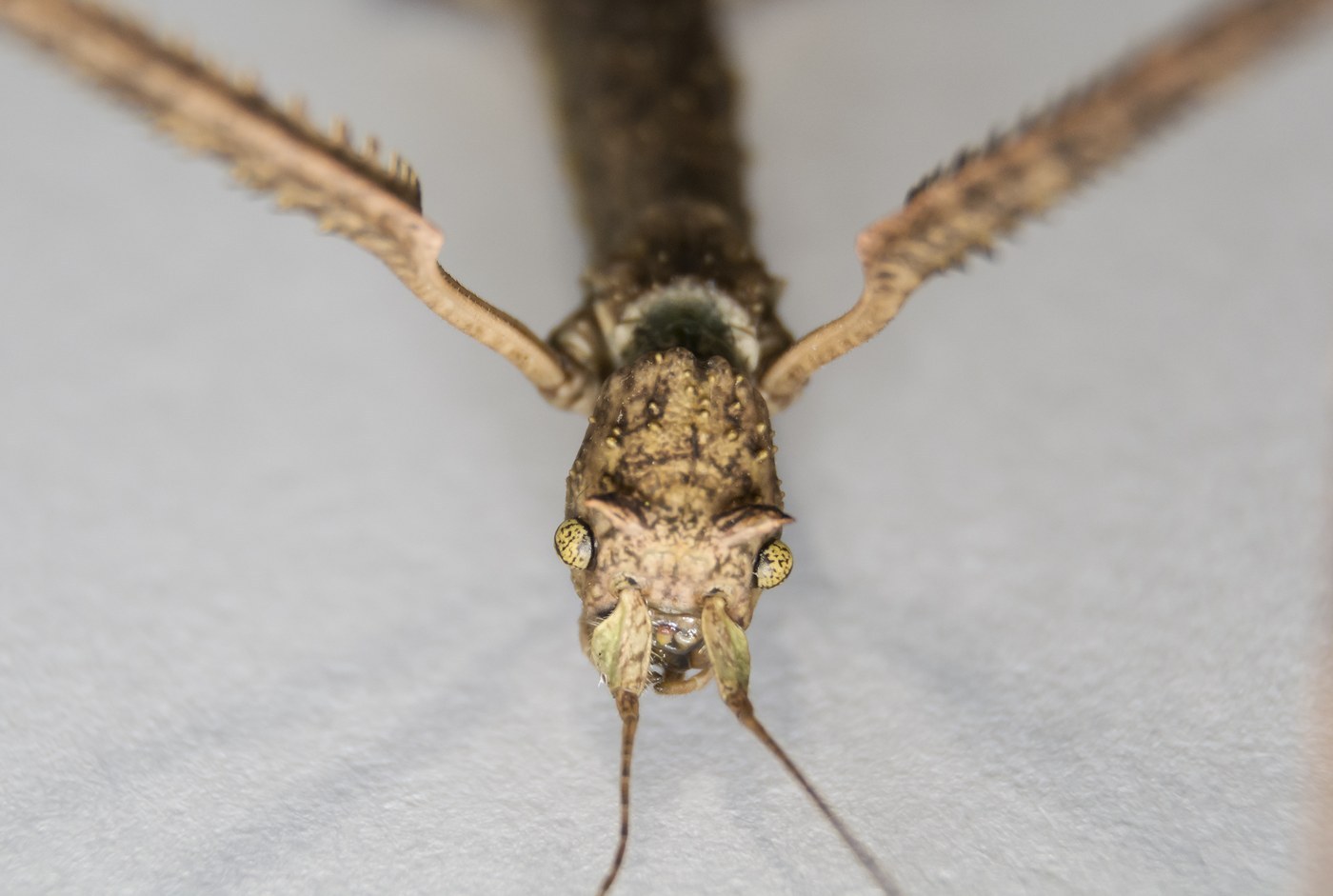
Vietnamese Walking Stick
tropical forests of Vietnam; widely kept in captivity worldwide
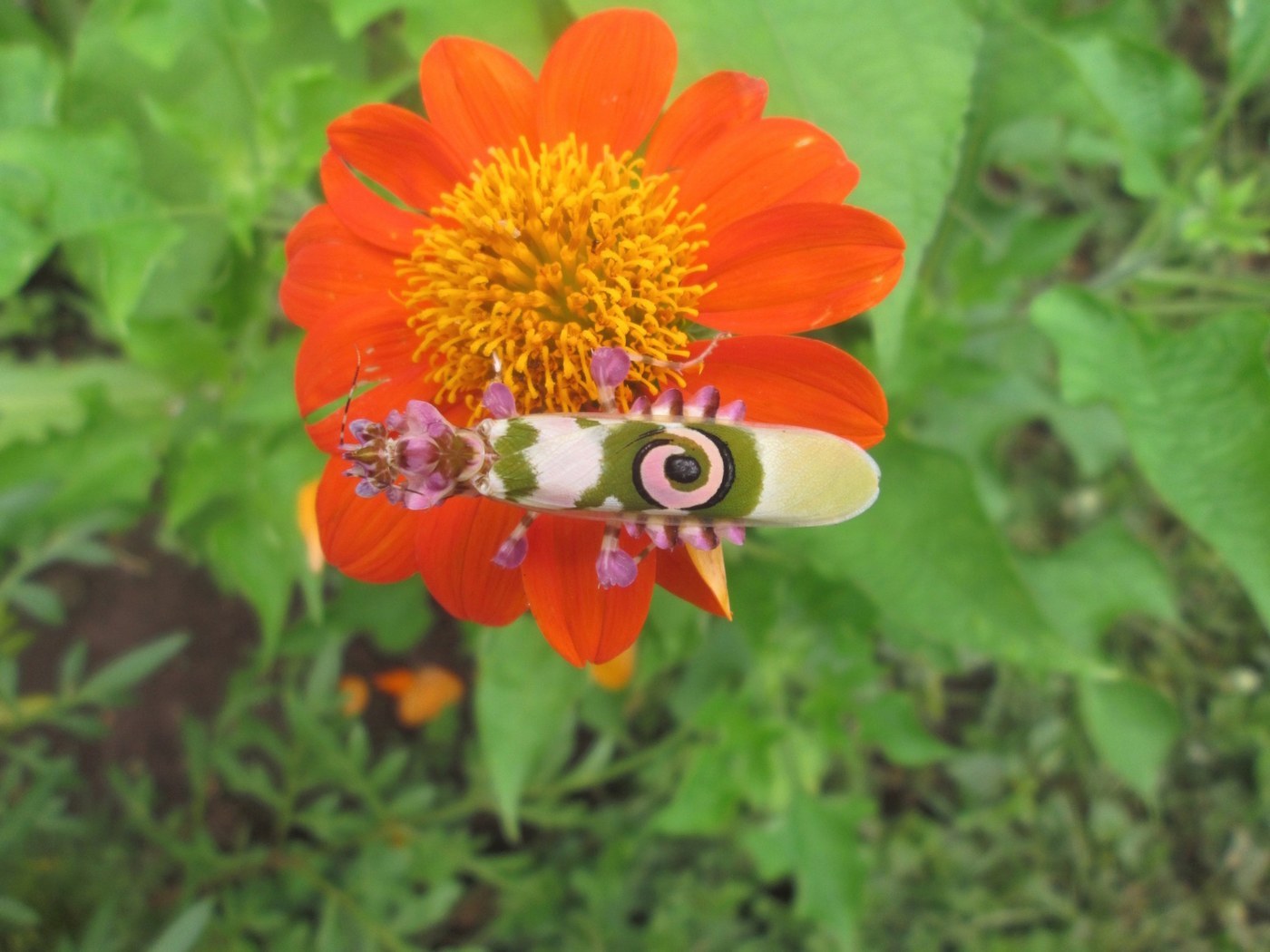
Spiny Flower Mantis
African savanna and woodland shrubs and flowering plants
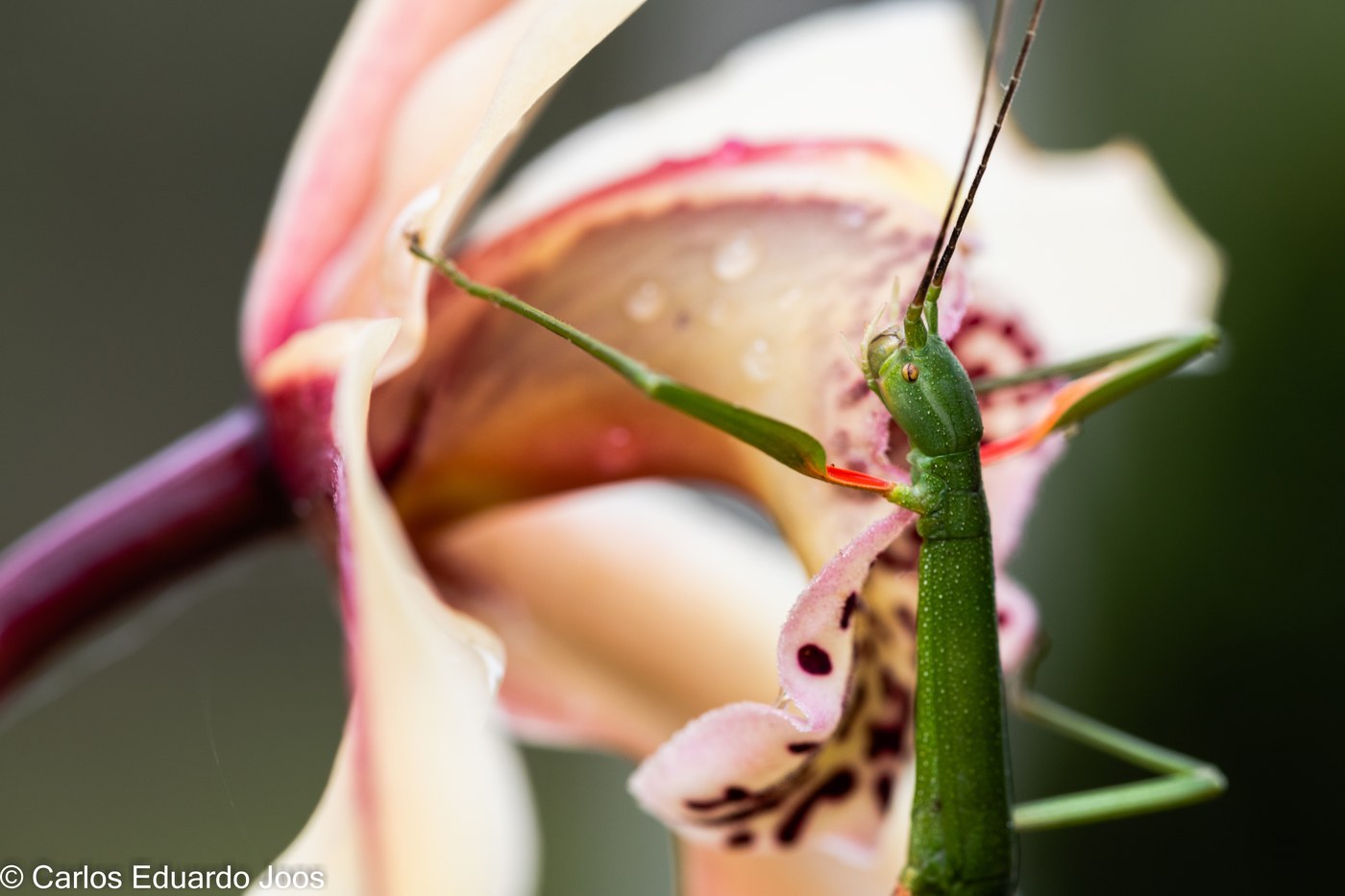
Northern Walkingstick
deciduous forests and woodland edges of the eastern and central United States and southern Canada
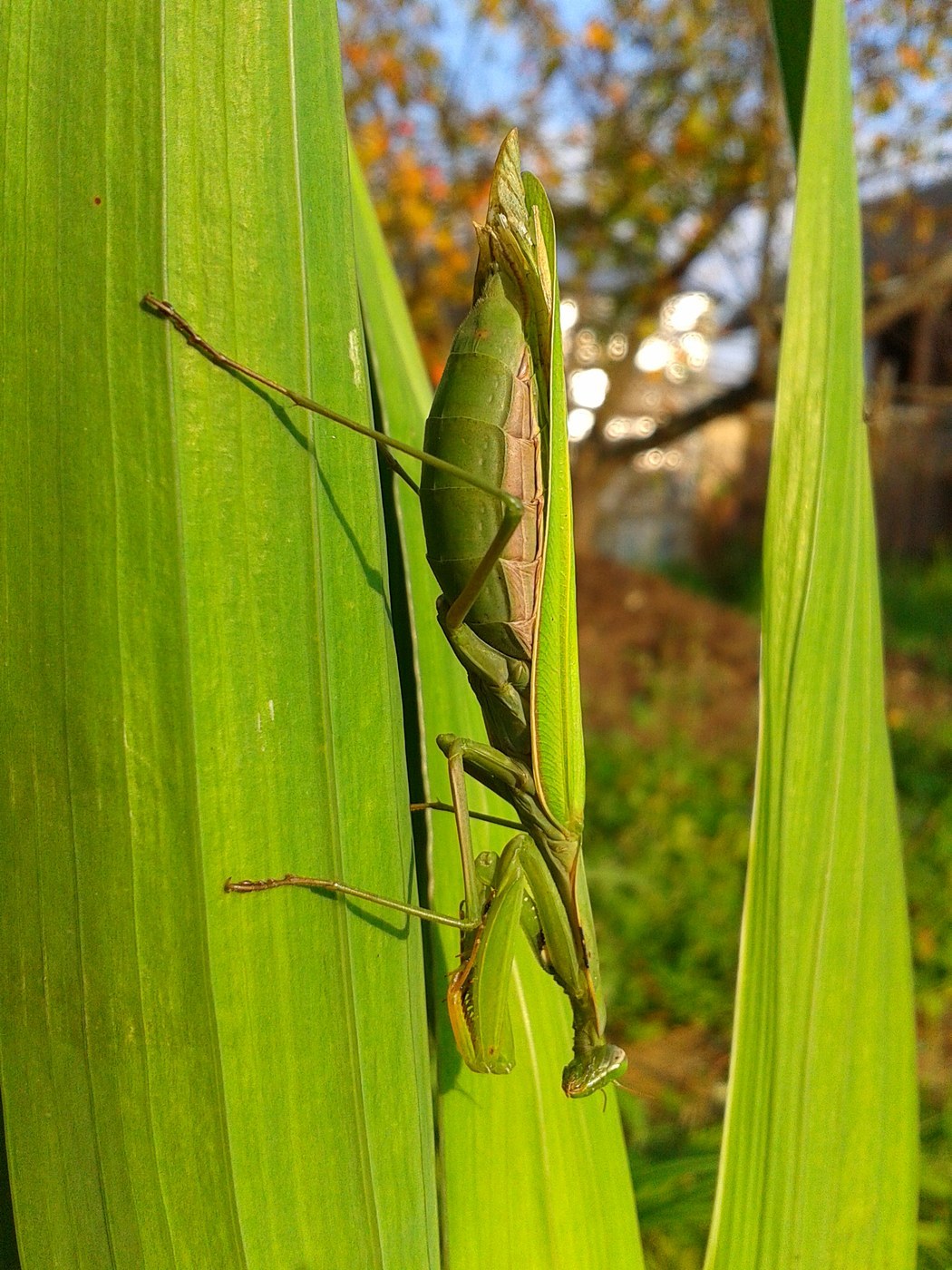
Praying Mantis
Gardens, meadows, shrubs, and tall grass
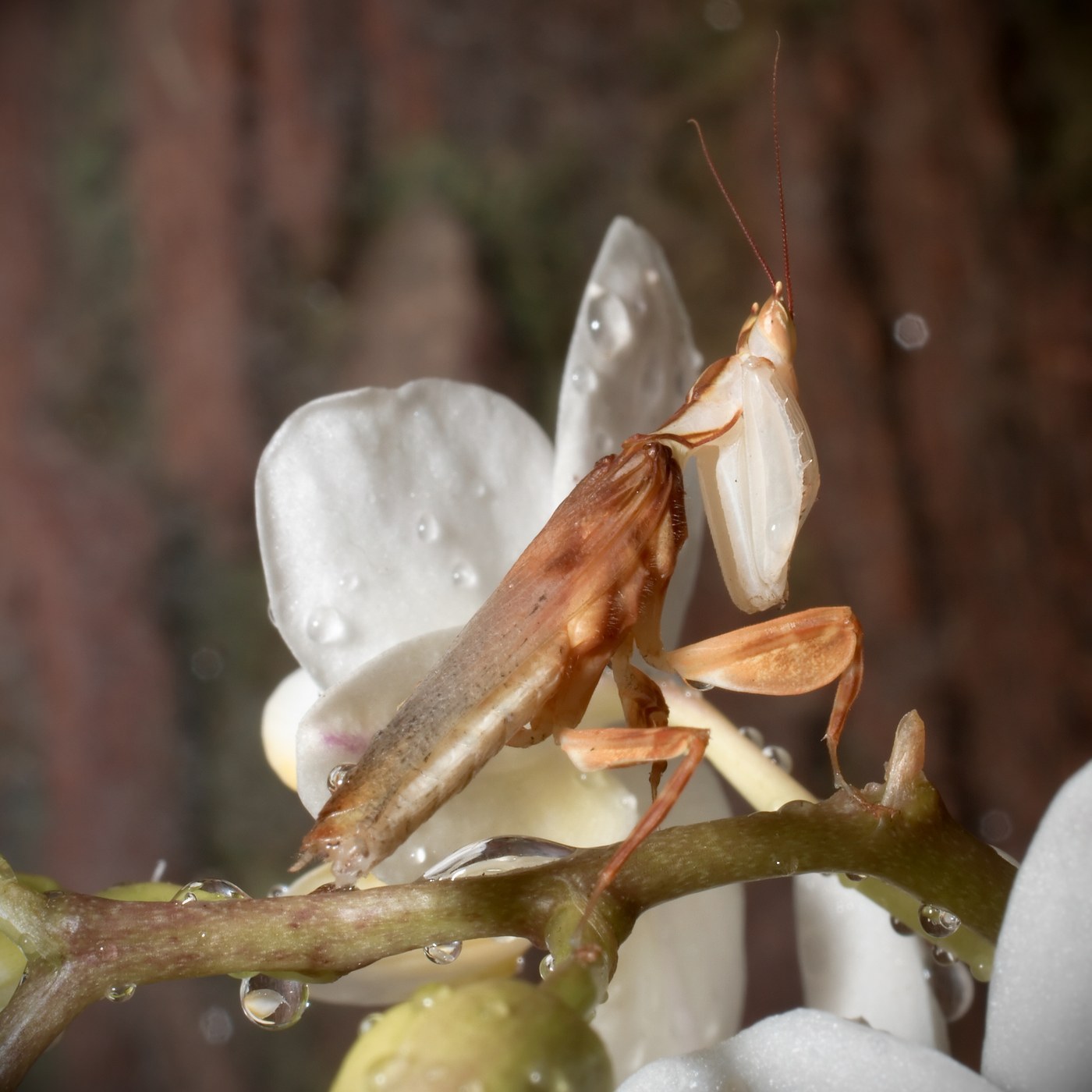
Orchid Mantis
tropical rainforests and flowering shrubs of Southeast Asia
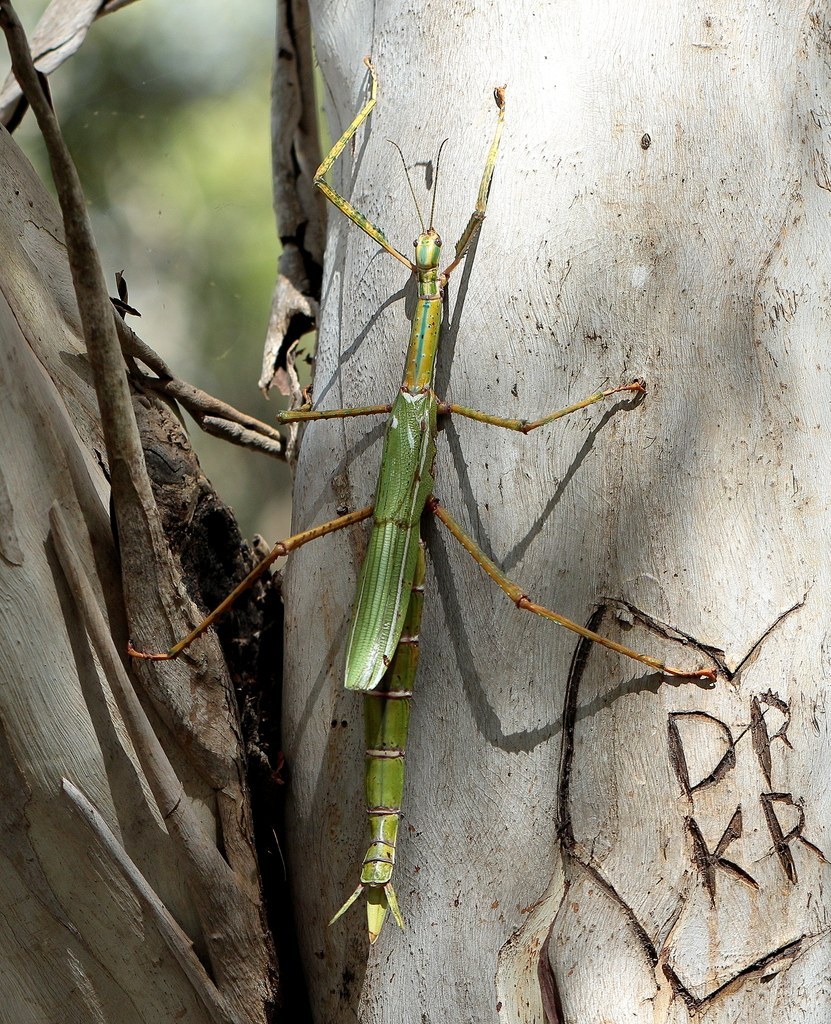
Goliath Stick Insect
Tropical and subtropical eucalypt forests and woodland canopy
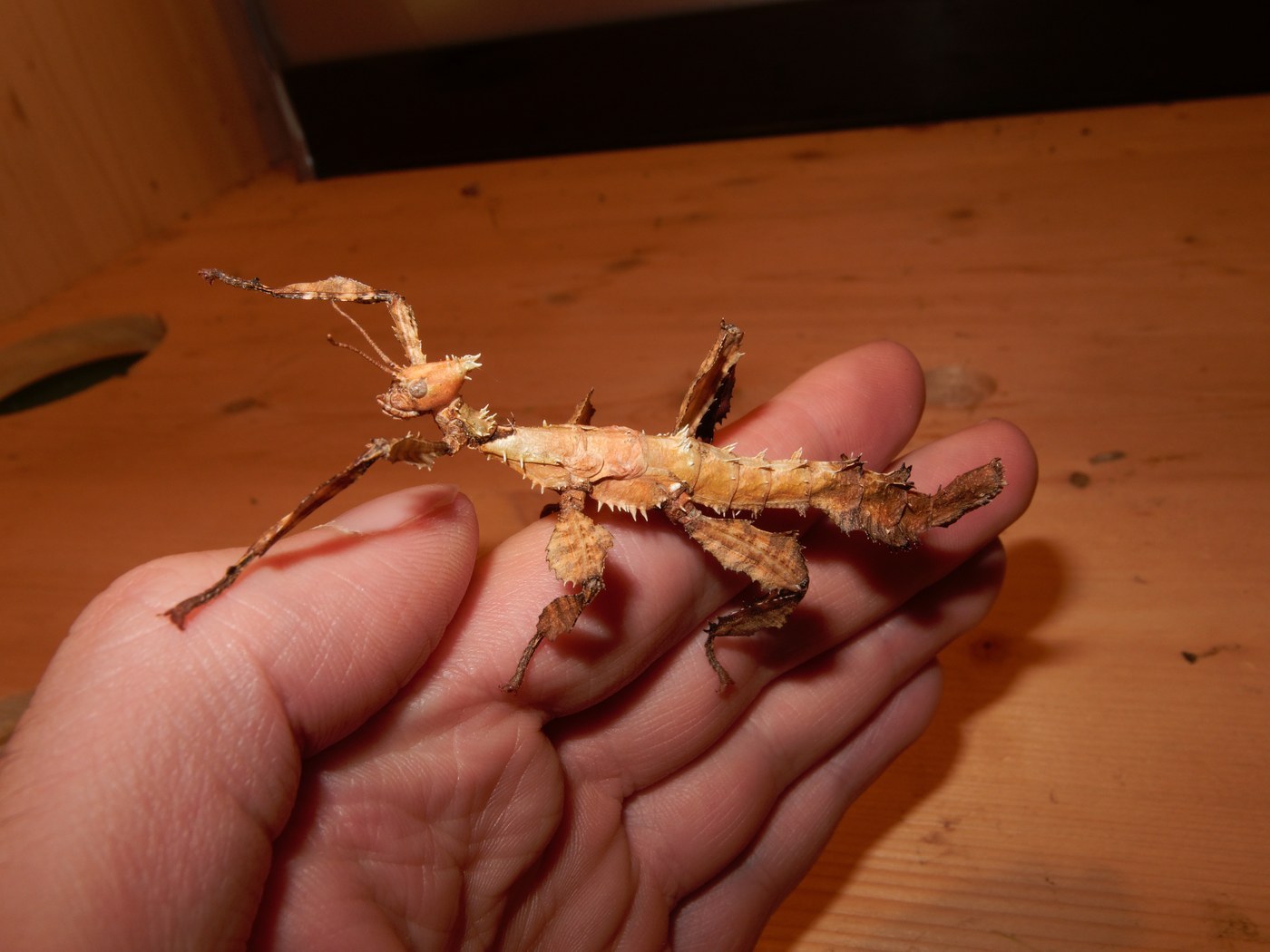
Giant Prickly Stick Insect
eucalyptus forests and shrubland of eastern Australia and New Guinea
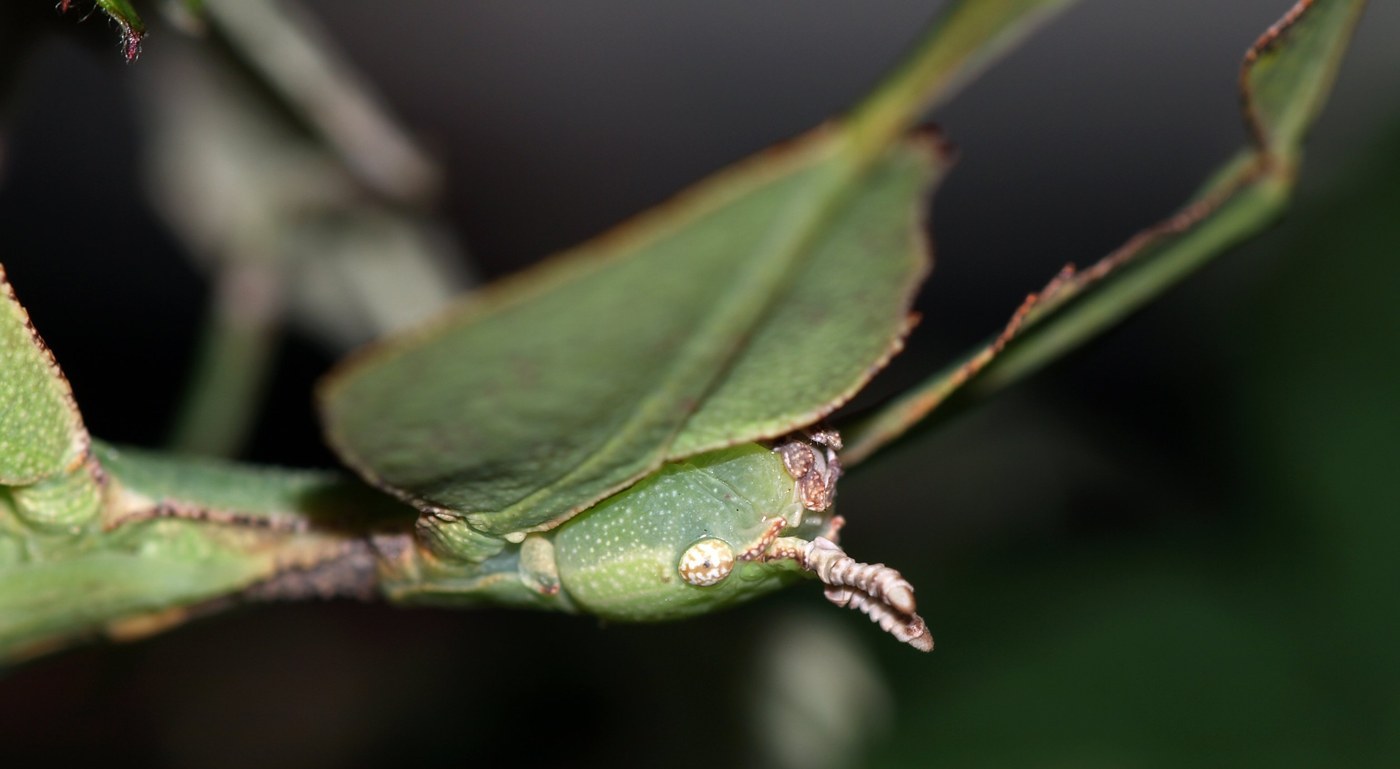
Javanese Leaf Insect
Tropical lowland and montane forest foliage
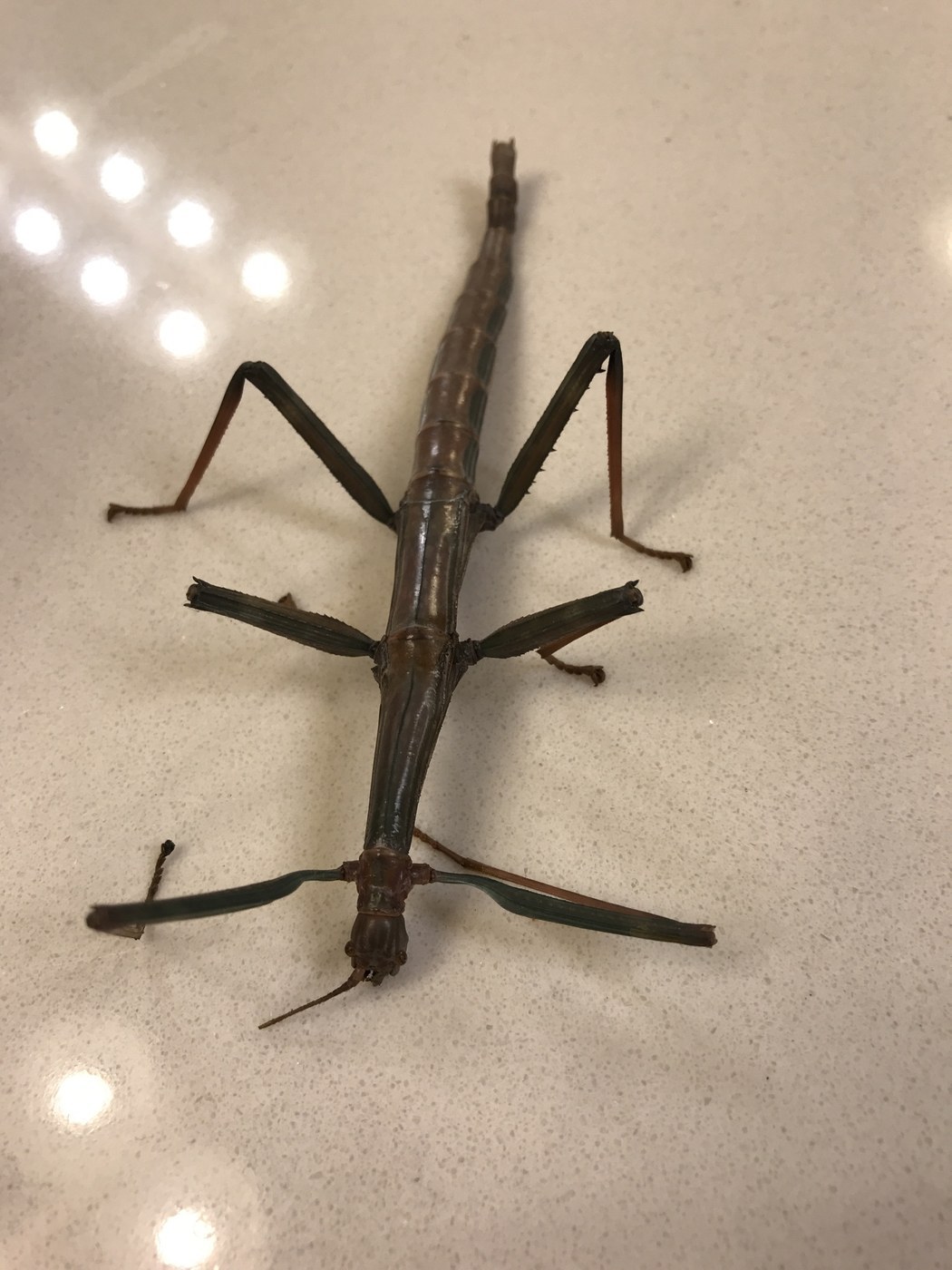
Giant Walking Stick
Deciduous woodlands, forest edges, and shrubby thickets
Leaf Insect
Tropical rainforest understory and canopy foliage