
Bug Encyclopedia
Search and identify bugs & insects — beetles, butterflies, moths, ants, bees, spiders and more — with size, habitat, danger, behavior, and how to tell them apart.
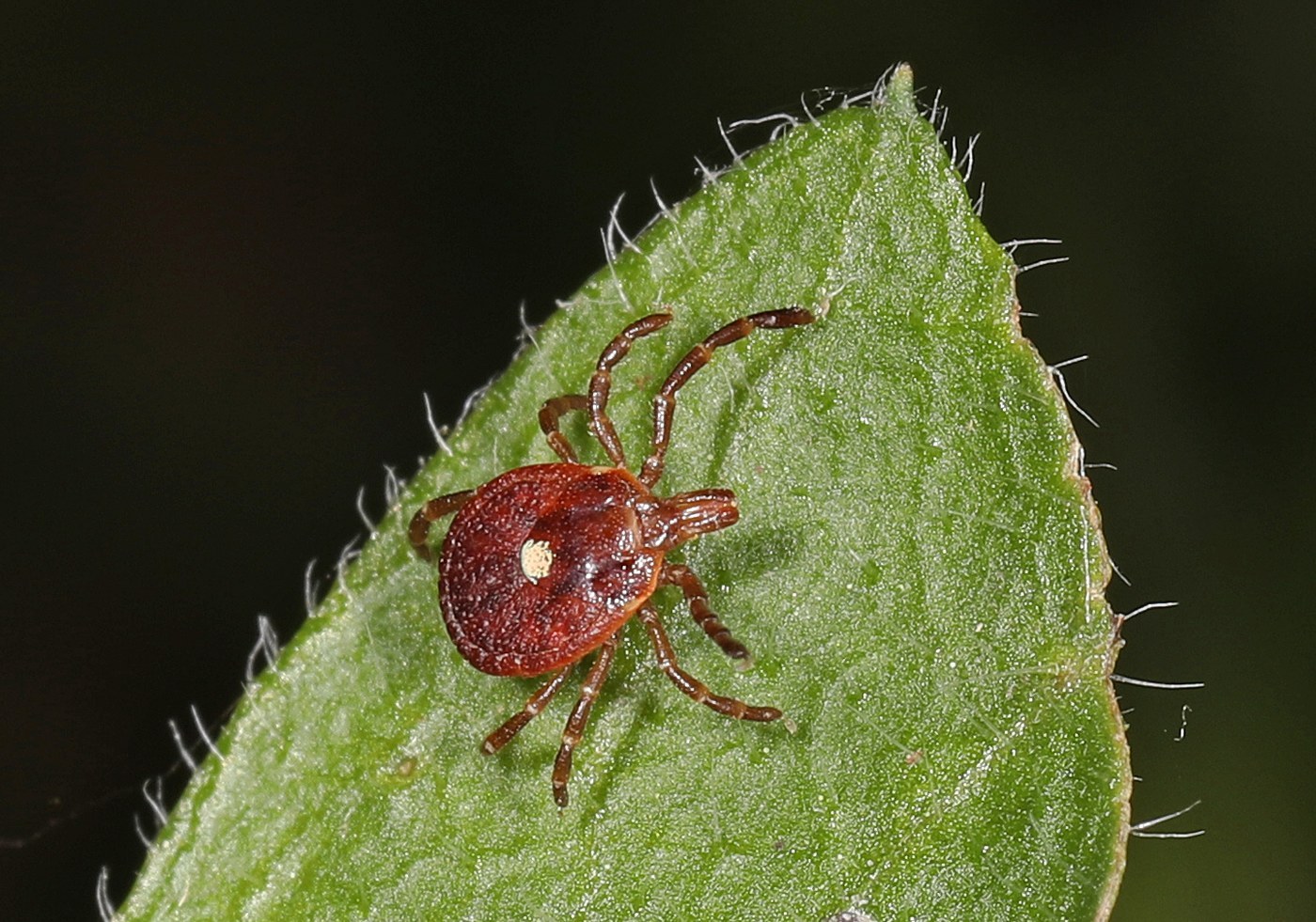
Lone Star Tick
Named for the single silvery-white spot on the back of the adult female, the lone star tick is unusually active for a tick, moving toward hosts rather than simply waiting for them to pass. Its reddish-brown, ornamented body makes it one of the easier North American ticks to identify at a glance.
arachnid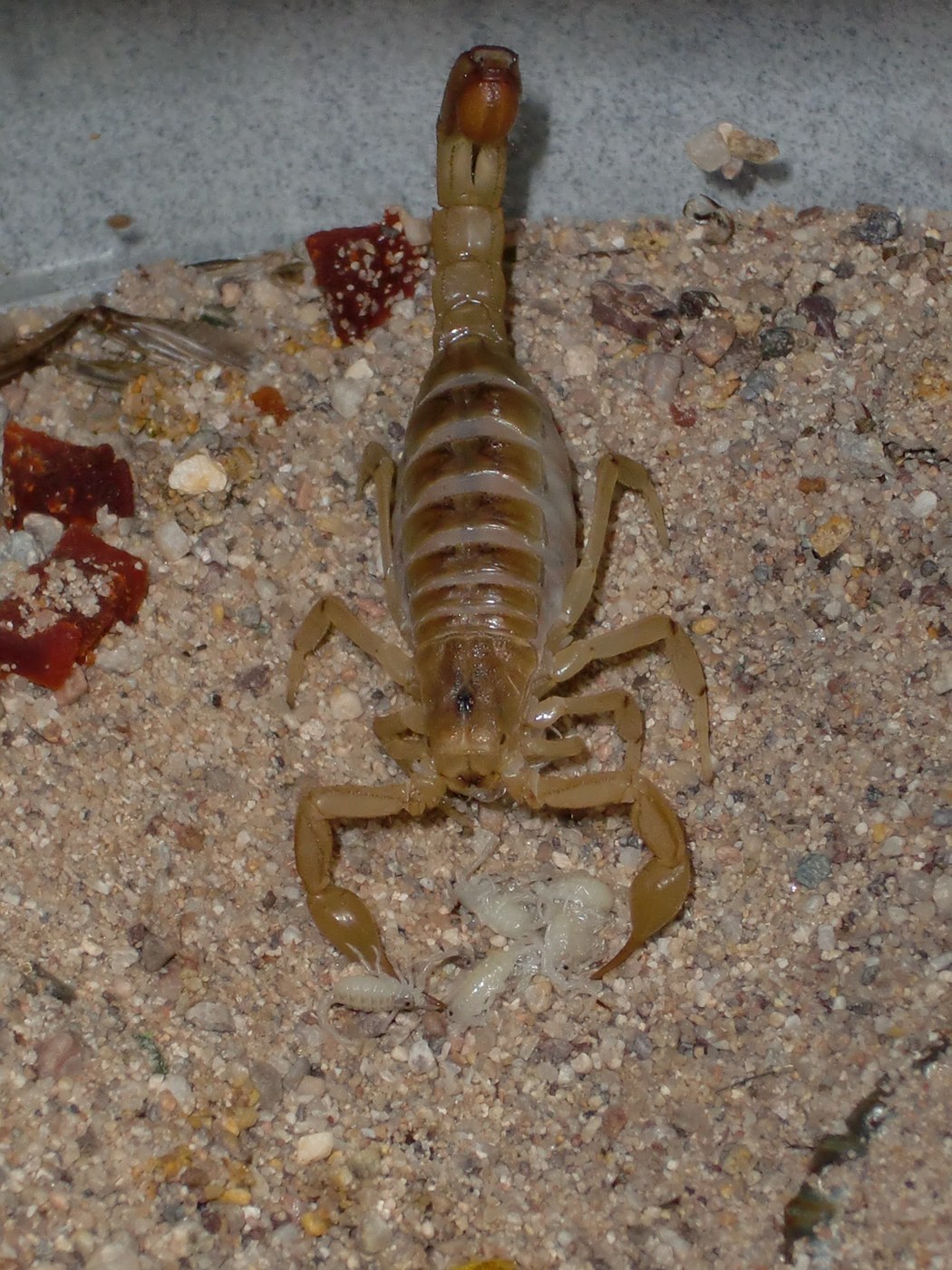
Bark Scorpion
A slender, pale tan scorpion best known for its unusual habit of climbing trees, walls, and rock faces rather than staying on the ground like most scorpions. Its thin build and long, narrow tail set it apart from the stockier, heavy-clawed scorpions found elsewhere.
arachnidMarch Fly
A stout, all-black fly that emerges in sudden, dense swarms during the first warm days of spring, often dangling its long hind legs conspicuously in slow, low flight over grass. Its name comes from its habit of appearing reliably around the start of the month, sometimes on cue near a particular saint's feast day in the traditional European calendar.
fly