
March Fly
Bibio spp.
A stout, all-black fly that emerges in sudden, dense swarms during the first warm days of spring, often dangling its long hind legs conspicuously in slow, low flight over grass. Its name comes from its habit of appearing reliably around the start of the month, sometimes on cue near a particular saint's feast day in the traditional European calendar.
- Size
- 8–12 mm, black and stocky
- Habitat
- Grassy fields, meadows, and gardens in temperate regions during early spring
- Danger
- Harmless
Spotted a bug like this?
Identify any bug or insect from a photo, free.
Overview
March flies in the genus Bibio, family Bibionidae, are stocky, dark-bodied flies best known for their sudden mass emergences in early spring, when large numbers appear almost simultaneously over lawns, meadows, and roadside verges. The common name references their typical appearance timing in temperate regions of the Northern Hemisphere, and one well-known European species, Bibio marci, is traditionally called St. Mark's fly for its emergence around the saint's feast day in late April.
Adults are easily recognized by their thick, glossy black bodies, prominent forward-facing eyes in males, and characteristically slow, low, somewhat clumsy flight, during which the long hind legs often dangle down conspicuously. They are short-lived as adults, typically surviving only a week or two, during which their main activities are mating and dispersing.
March flies are ecologically important primarily in their larval stage, when they live in soil and leaf litter as scavengers, breaking down decaying organic matter and contributing to nutrient cycling in grassland and garden soils. Note that in Australia and some other regions, the common name "march fly" instead refers to biting horse flies in the family Tabanidae, an entirely different and unrelated group.
How to Identify
- Stocky, robust fly, 8–12 mm long, with a shiny black body and short, dense hair on the thorax
- Males have large eyes that nearly meet at the top of the head, while females have smaller, more widely separated eyes
- Legs are relatively long and often held dangling below the body during slow, low flight
- Wings are smoky gray to clear, sometimes with a darker leading edge
- Distinguished from house flies by heavier build and slower flight, and from Tabanidae horse flies (also called "march flies" in some regions) by much smaller size and non-biting mouthparts
Habitat & Range
March flies are found across temperate regions of Europe and North America, most commonly in grassy meadows, pastures, lawns, and garden edges where the soil-dwelling larvae can develop among plant roots and decaying organic matter. Adults emerge in a synchronized burst in early to mid spring, sometimes forming large, conspicuous swarms over vegetation for a short period before disappearing again for the rest of the year.
Behavior & Diet
Adult march flies feed lightly on nectar and pollen from spring-blooming flowers and are considered useful incidental pollinators for some plants during their brief flight period. Their slow, low flight and tendency to form dense swarms make them highly conspicuous for a week or two each spring, after which the adult population dies off entirely until the following year. Larvae live in the soil, where they feed on decaying plant material, fungi, and organic debris, functioning as decomposers that help recycle nutrients in grassland and garden ecosystems.
Life Cycle
Eggs are laid in batches in moist soil or leaf litter, and the resulting larvae live underground for most of the year, feeding on decaying organic matter and slowly growing through several molts. Larvae typically overwinter in the soil and complete development the following spring, then pupate in a shallow soil chamber for a short period. Adults emerge in a tightly synchronized burst, often triggered by a run of warm spring days, mate soon after emergence, and die within one to two weeks, giving the species a single generation per year in most temperate populations.
Frequently asked questions
Why do march flies appear in such large numbers all at once?
Their emergence from the soil is tightly synchronized by seasonal temperature cues, so large numbers of overwintering larvae mature into adults within the same short window.
Do march flies bite?
The Bibio march flies of Europe and North America do not bite; the name refers to a different, biting group of flies (family Tabanidae) in some regions such as Australia.
What do march fly larvae eat?
Larvae live in soil and leaf litter, feeding on decaying organic matter and functioning as decomposers.
How long do adult march flies live?
Adults are short-lived, typically surviving only about one to two weeks after emerging in spring.
March Fly guides
In-depth guides for identifying, understanding, and living alongside March Fly.
March Fly identified by the community
Real finds identified with Bug Identifier.
Other bugs you may enjoy
Aphid Midge
Gardens, greenhouses, and crops with aphids
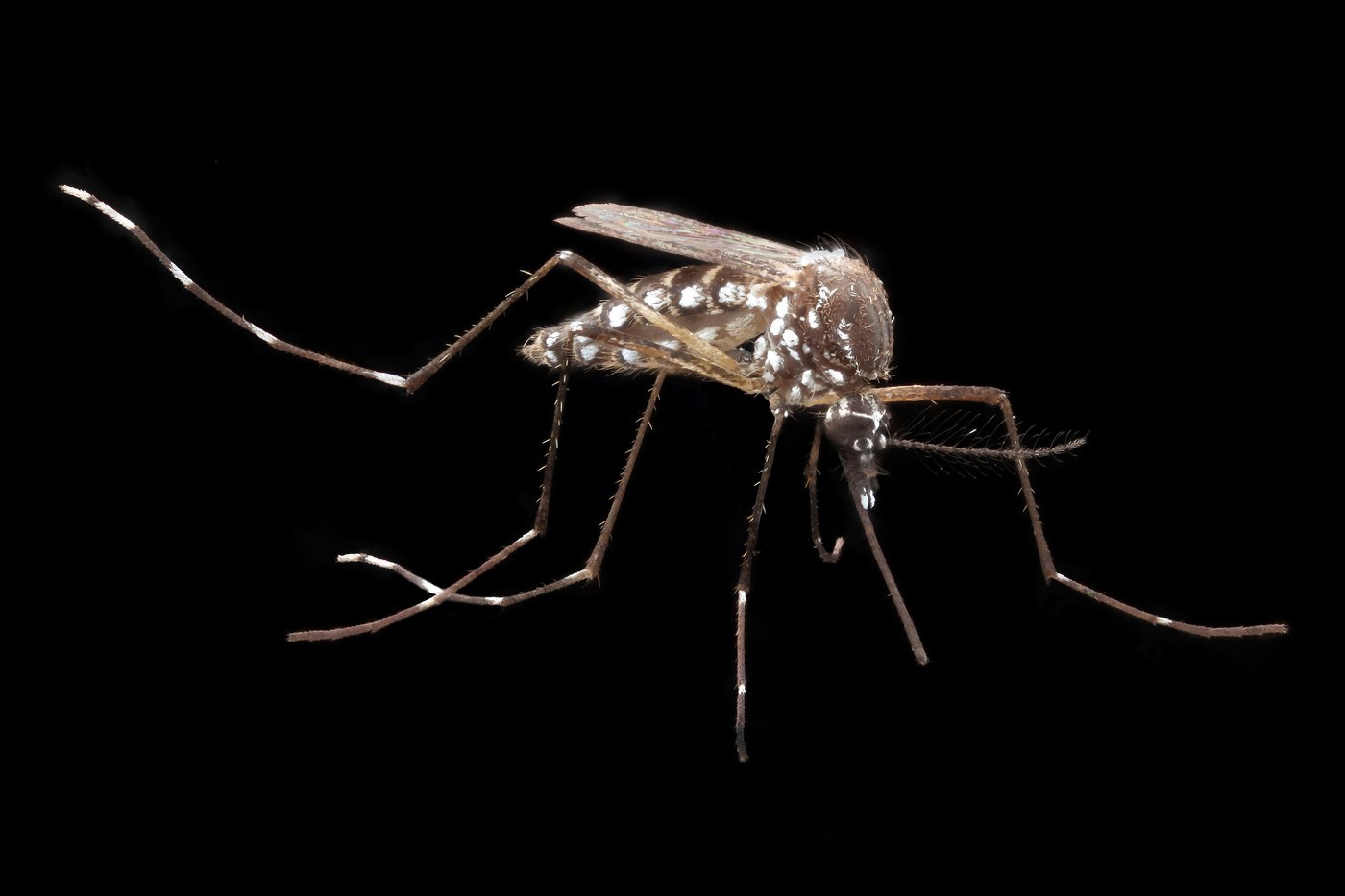
Yellow Fever Mosquito
Urban and peri-urban areas near small artificial water containers in tropical and subtropical regions worldwide
Root Maggot
Garden and field soil around the roots of cole crops and other vegetables
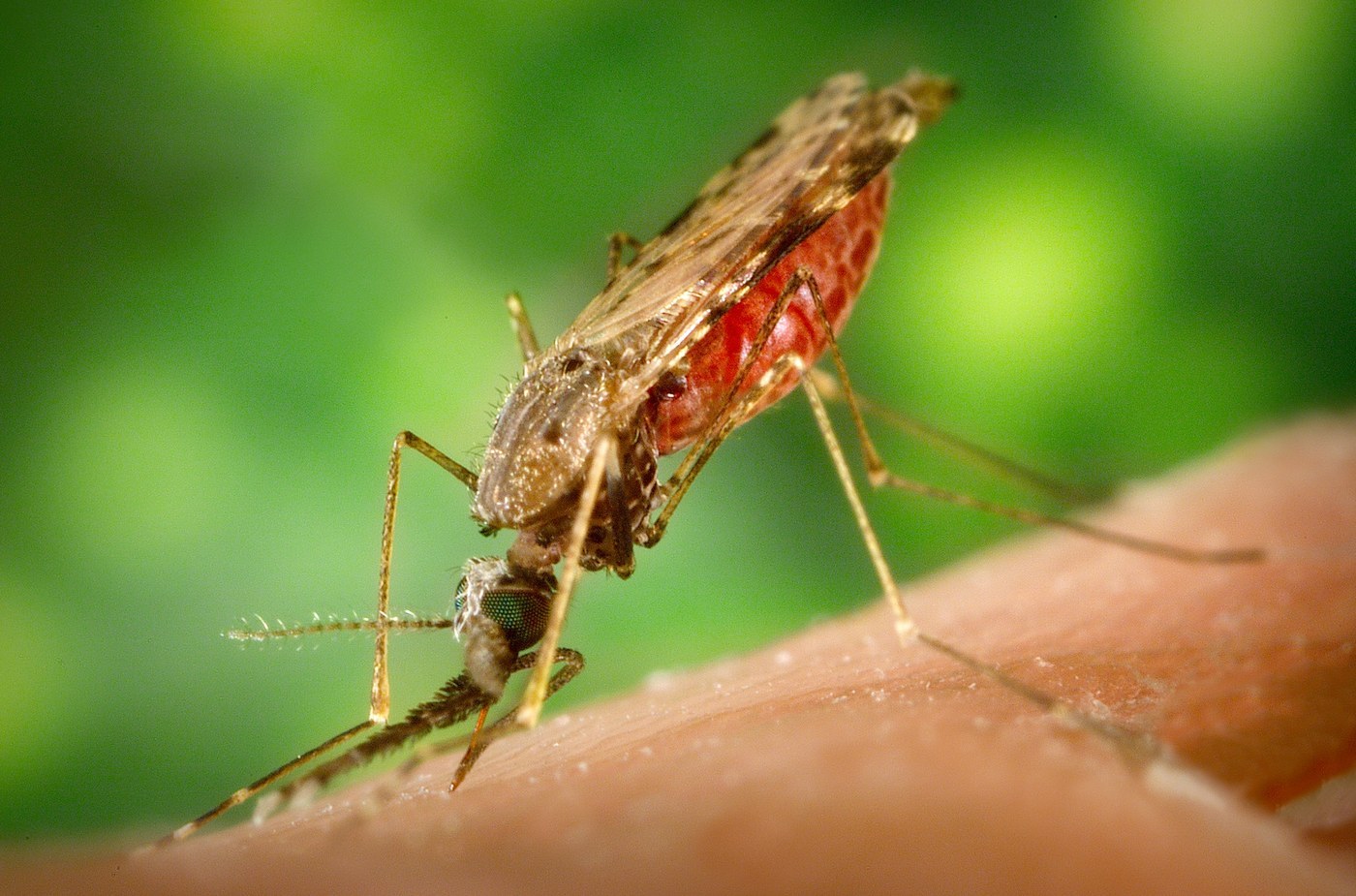
Anopheles Mosquito
Clean, still or slow-moving freshwater habitats such as marshes, ponds, and rice paddies
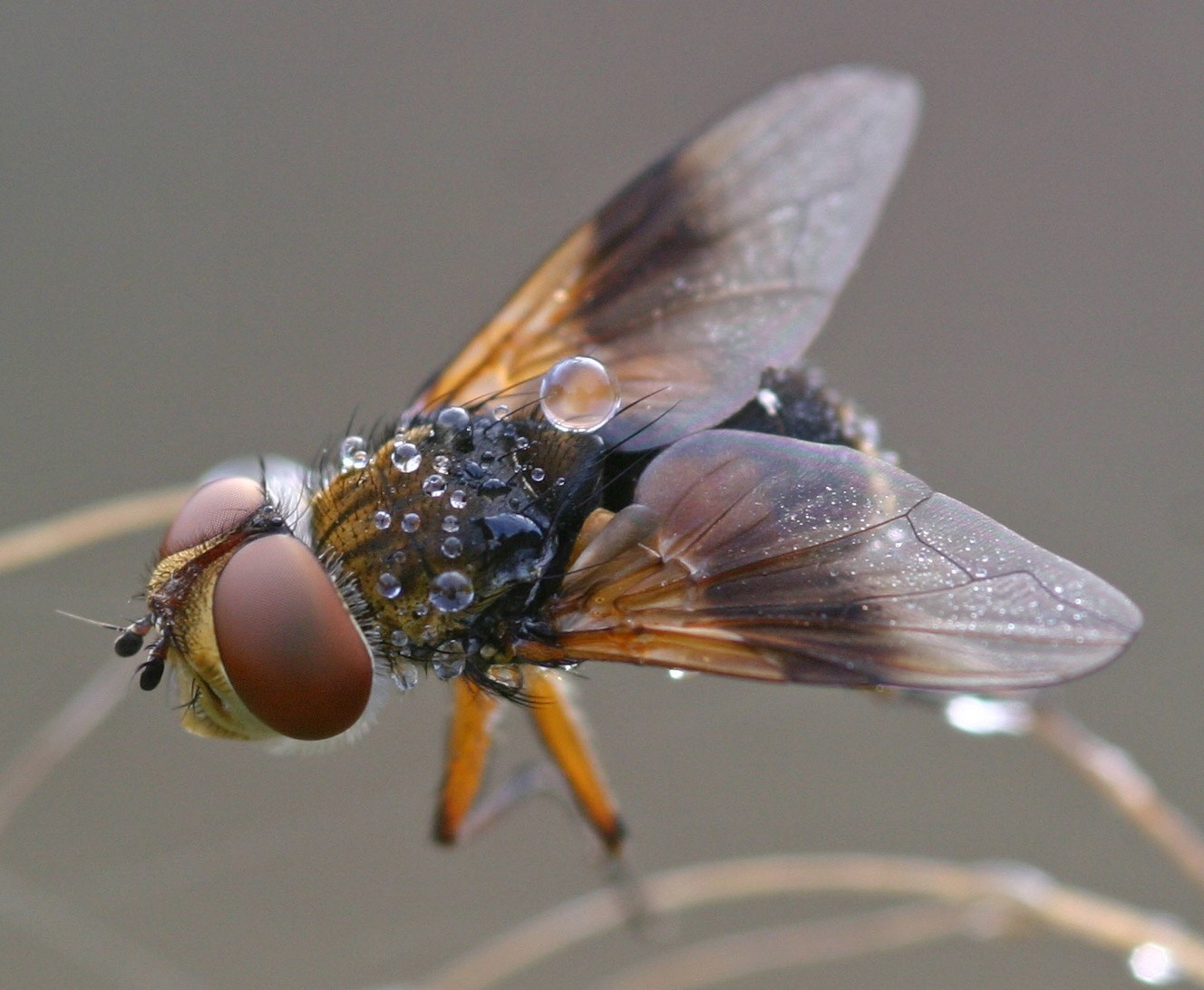
Tachinid Fly
Gardens, meadows, and woodlands wherever host caterpillars and other insects occur
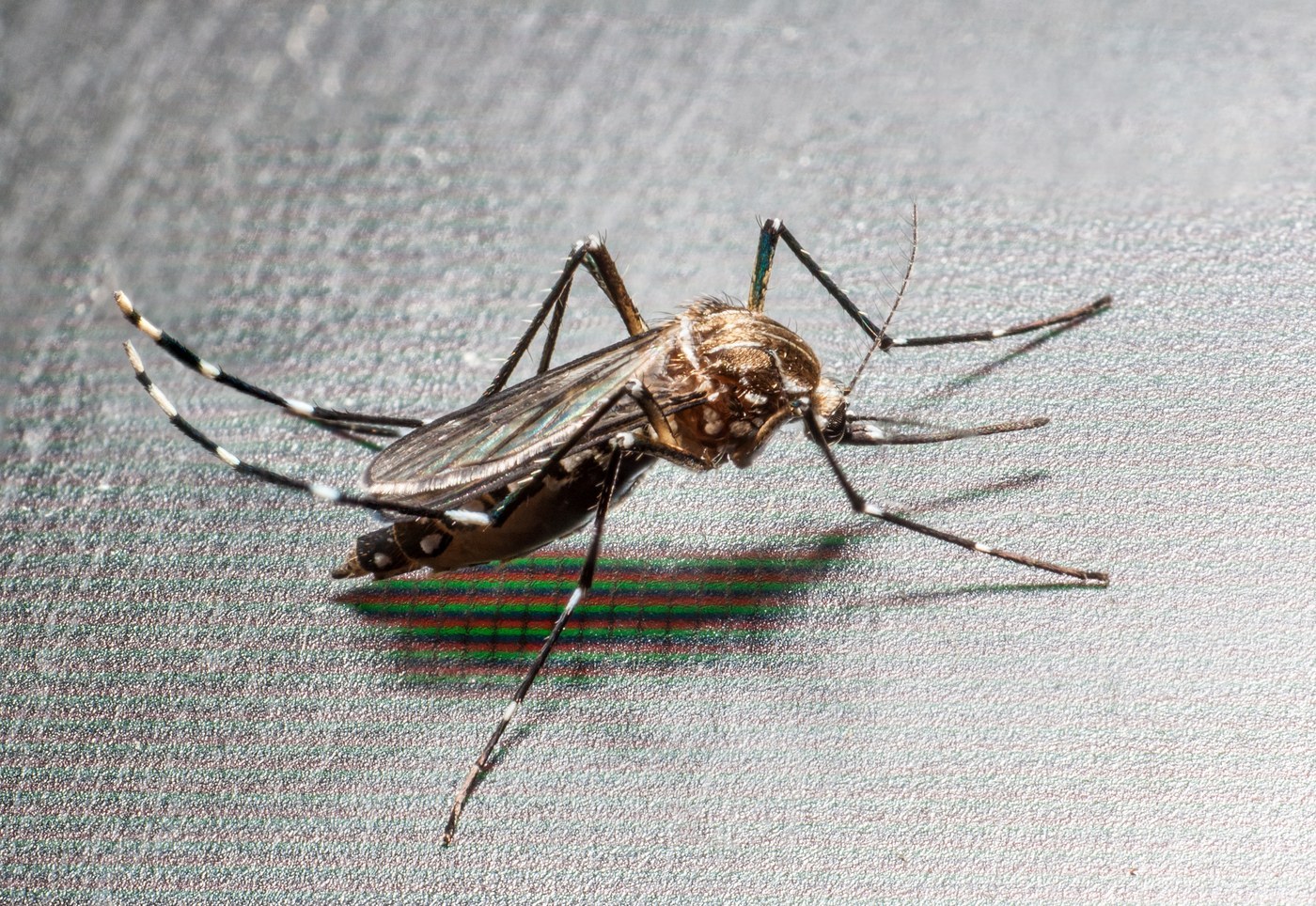
Asian Tiger Mosquito
Shaded urban and suburban areas near small water-holding containers, tires, and tree holes; native to Southeast Asia, now widespread
Tsetse Fly
Wooded savanna, riverine thickets, and forest edges across sub-Saharan Africa
Vinegar Fly
Around overripe fruit, compost, and fermenting materials worldwide
Yellow Dung Fly
Pastures and fields with fresh cattle dung
Screwworm Fly
Warm, humid lowlands of the Americas, especially near livestock and wildlife wounds
Soldier Fly
Wetland margins, decaying organic matter, and vegetation near water
Punkie
near marshes, mudflats, ponds, and other standing water