
Lone Star Tick
Amblyomma americanum
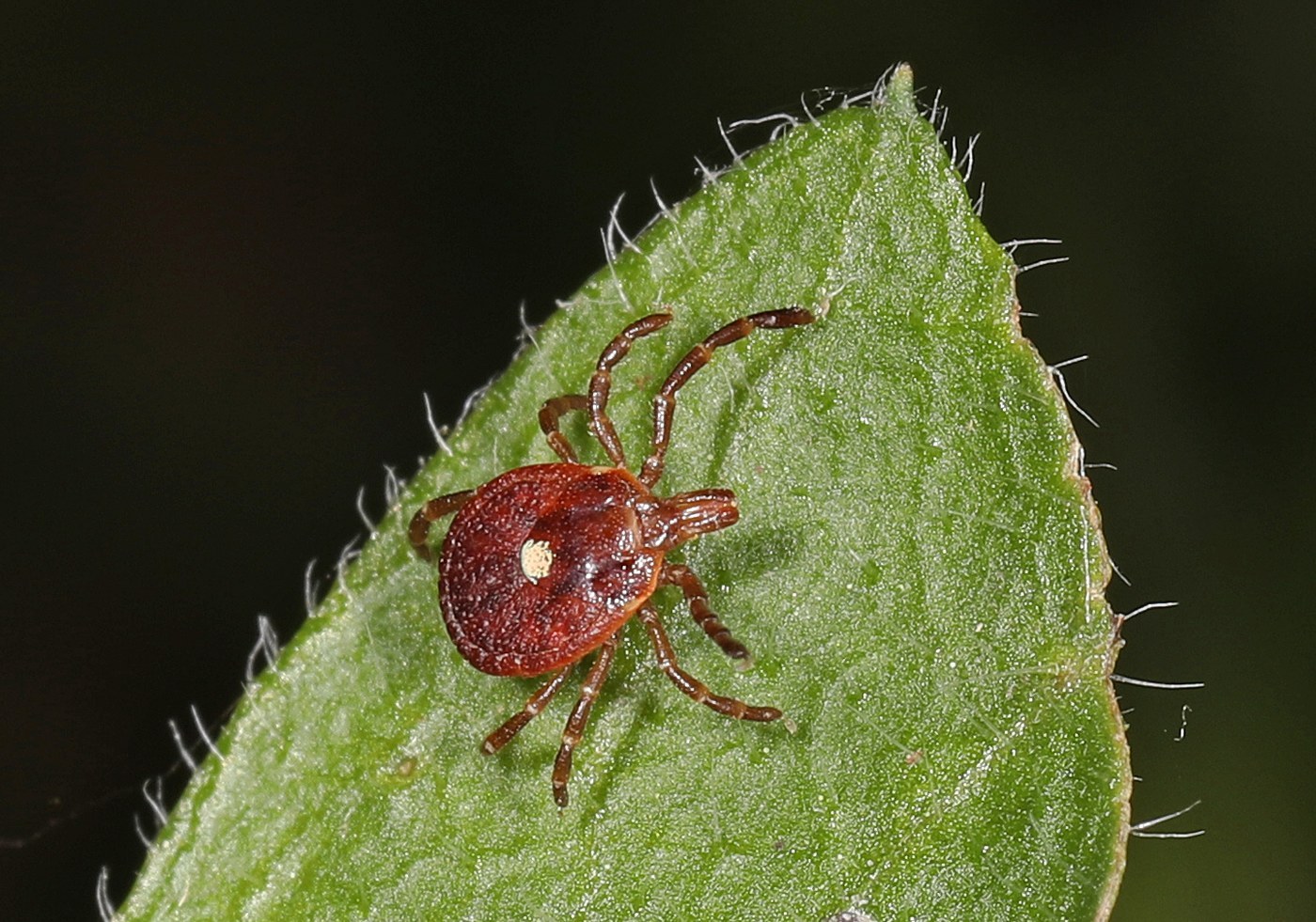
Named for the single silvery-white spot on the back of the adult female, the lone star tick is unusually active for a tick, moving toward hosts rather than simply waiting for them to pass. Its reddish-brown, ornamented body makes it one of the easier North American ticks to identify at a glance.
- Size
- Unfed adults about 3–4 mm; engorged females can exceed 1 cm
- Habitat
- Wooded areas with dense underbrush across the southeastern and south-central United States
- Danger
- Bites
Spotted a bug like this?
Identify any bug or insect from a photo, free.
Overview
The lone star tick is a hard tick widespread across the southeastern, south-central, and increasingly northeastern United States. It is named for the single bright silvery-white dot found in the center of the adult female's back, one of the most distinctive markings among North American ticks.
This species is notable among ticks for its unusually active questing behavior, and it feeds on a very broad range of hosts, from small mammals and ground-nesting birds to deer and livestock, contributing to its wide distribution.
How to Identify
- Reddish-brown, oval, flattened body typical of hard ticks
- Adult females have a single, conspicuous silvery-white spot in the center of the back (scutum)
- Adult males lack the central spot but instead show scattered white streaks or spots along the outer margin of the body
- Eight legs in nymphs and adults, six in larvae
- Distinguished from other regional ticks primarily by the star-shaped marking, unique to this species
Habitat & Range
Lone star ticks are common in wooded areas with dense underbrush, forest edges, and overgrown fields throughout the southeastern and south-central United States, with a range that has expanded into parts of the Midwest and Northeast. They are active from early spring through fall.
Behavior & Diet
Unlike many ticks that passively wait on vegetation for a host to brush by, the lone star tick is known for actively moving toward hosts it detects through carbon dioxide and movement, a more aggressive questing style than most other tick species. It feeds on an unusually wide range of hosts including deer, other mammals, ground-feeding birds, and reptiles, which helps explain its broad geographic spread.
Life Cycle
The species follows the typical three-host hard tick life cycle: eggs hatch into six-legged larvae that feed on a first host, molt into eight-legged nymphs that feed on a second host, and finally molt into adults that seek a third host before mating and laying eggs. The full cycle generally takes about one year in warm climates, with each stage capable of feeding on a wide variety of animals.
Frequently asked questions
What gives the lone star tick its name?
The single bright silvery-white spot in the center of the adult female's back, resembling a lone star.
How can you tell a male from a female lone star tick?
Females have one central white spot, while males instead show scattered white streaks or spots along the body margin and lack the central dot.
Is the lone star tick more active than other ticks?
Yes, it is known for actively moving toward hosts rather than only waiting passively on vegetation, an unusually assertive questing behavior for a tick.
Where is the lone star tick found?
It is most common in wooded, brushy habitat across the southeastern and south-central United States, with an expanding range into the Midwest and Northeast.
Lone Star Tick guides
In-depth guides for identifying, understanding, and living alongside Lone Star Tick.
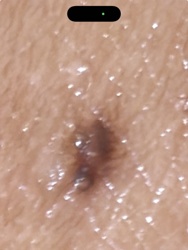
Lone Star Tick identified by the community
Real finds identified with Bug Identifier.


Other bugs you may enjoy
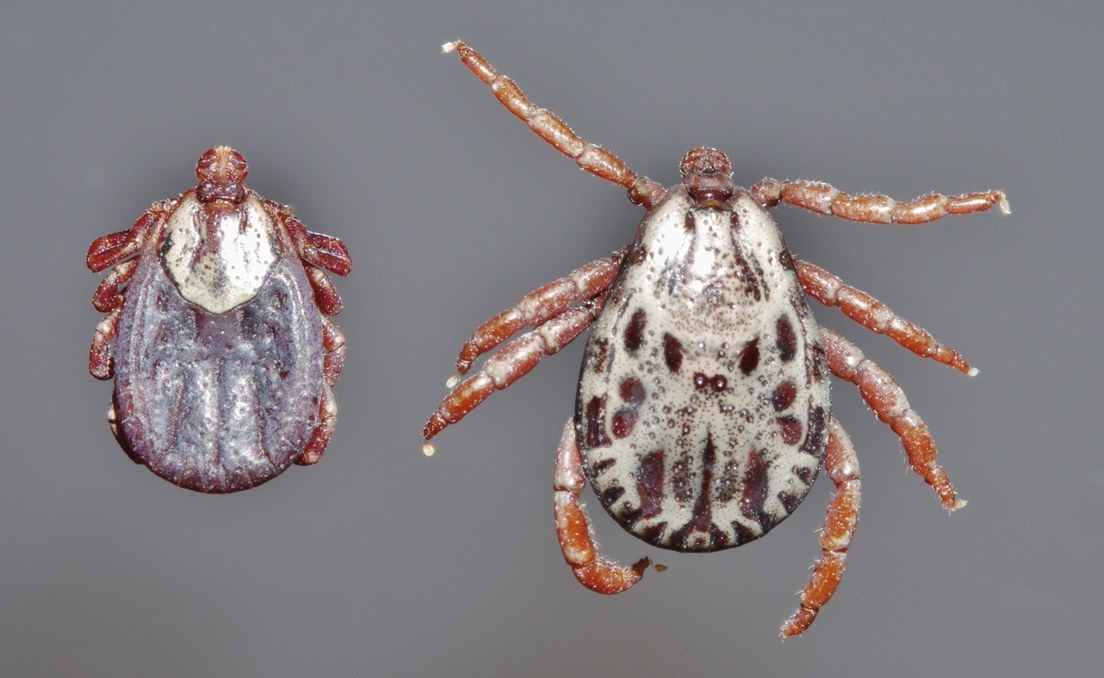
Wood Tick
Grassland, shrub-steppe, and open woodland of western North America
Yellow Scorpion
Arid scrubland, rocky slopes, and desert margins
Whip Spider
Tropical caves, rainforest leaf litter, and under bark
Water Mite
Ponds, lakes, streams, and other freshwater bodies
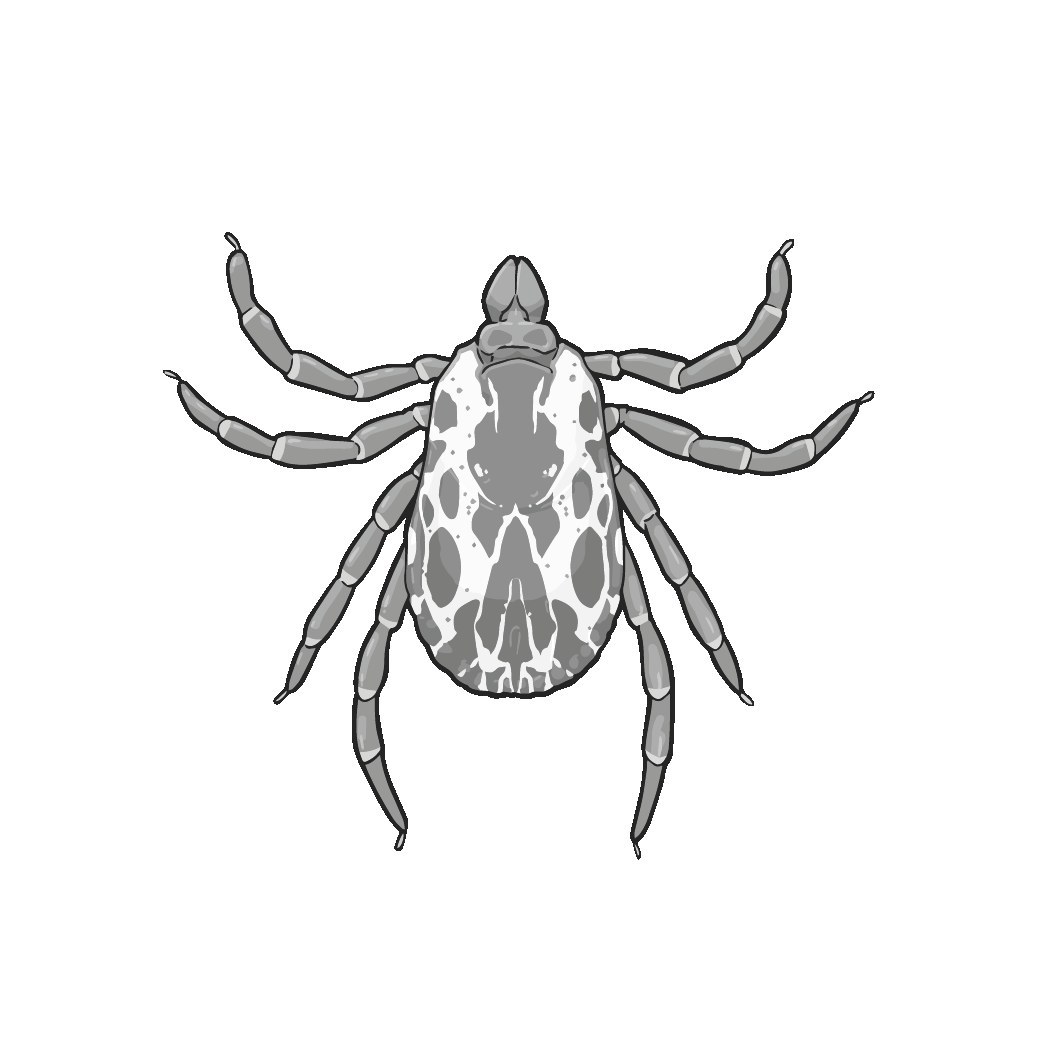
American Dog Tick
Grassy fields, trails, and low vegetation near woodlands
Arizona Bark Scorpion
Rocky desert terrain, tree bark, and structures in the Southwest
Tick
Tall grass, brush, woodland edges, and animal trails
Soil Mite
Soil, leaf litter, moss, and decaying organic matter worldwide
Rocky Mountain Wood Tick
Sagebrush shrublands, grasslands, and montane forest edges
Two-Spotted Spider Mite
Undersides of leaves on garden plants, crops, and houseplants
Spider Mite
Undersides of leaves on garden plants, houseplants, and field and orchard crops worldwide
Whip Scorpion
Tropical and subtropical caves, tree bark, and rock crevices worldwide