Bagworm Identification Guide
A caterpillar that builds and carries a spindle-shaped case of silk and plant debris, easily mistaken for a pinecone or twig.
Read the full Bagworm encyclopedia entry →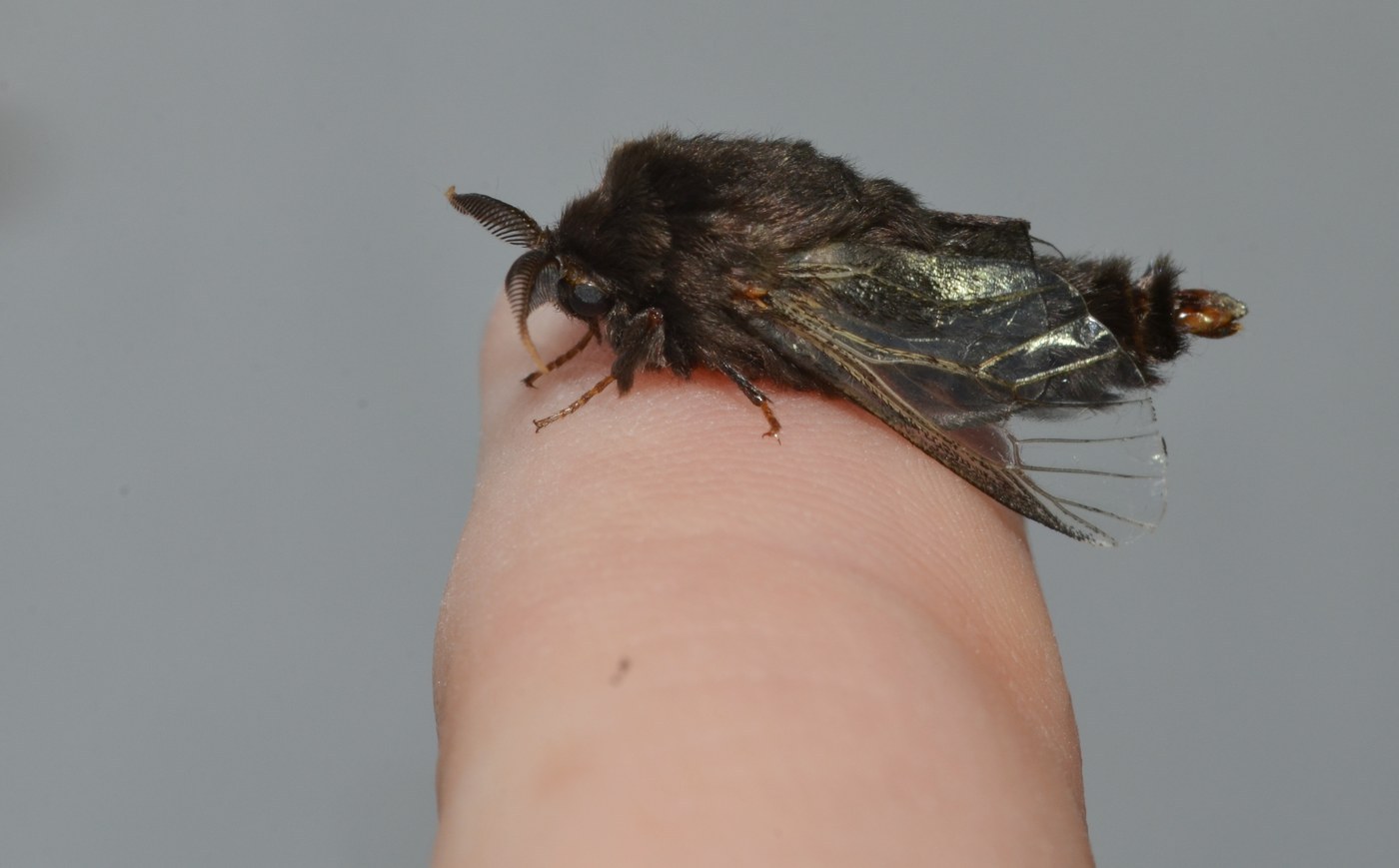
Key Visual Features
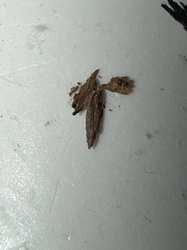
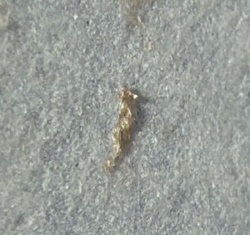
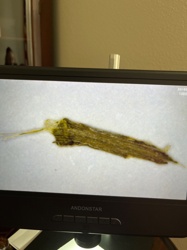
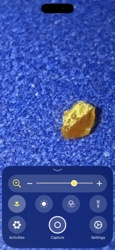
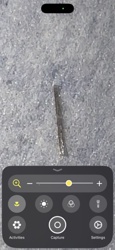
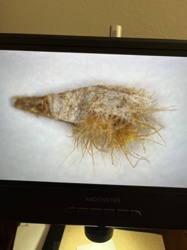
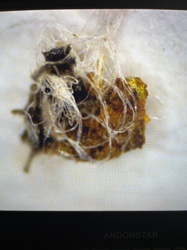
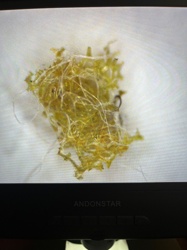
- The most recognizable feature is the case (bag) — a spindle- or cone-shaped shelter built from silk and bits of the host plant's twigs, leaves, or needles, giving it a rough, debris-covered look.
- Cases range from about 1/2 inch when young to 1.5-2.5 inches (4-6 cm) long at maturity, tapering and often hanging from a branch by a strand of silk.
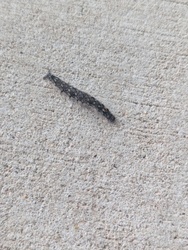
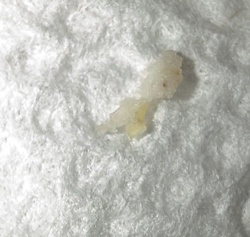
- The caterpillar itself is dark brown to grayish with a somewhat mottled head and thorax, but it is rarely seen fully outside the case, only the front end emerging to feed or move.
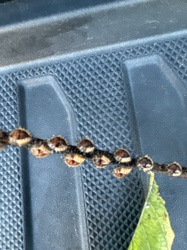
- Cases hang and sway from twigs, and the caterpillar drags the case along as it crawls, anchoring it with silk when resting or molting.
- Adult males are small, fuzzy, clear-winged dark moths; adult females are wingless, legless, and grub-like, and never leave the case at all.
Where and When You'd See It
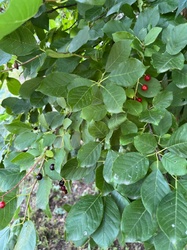
- Commonly found on evergreens such as juniper, arborvitae, and cedar, as well as many deciduous trees and shrubs.
- Cases are visible year-round since old cases persist on branches after the insect inside has died or the female has laid eggs within, but active larvae are most visible from late spring through summer.
- Look closely at branches where foliage looks thin or where odd "ornament-like" spindles are hanging — these are often mistaken for cones, seed pods, or debris caught in the branches.
Similar-Looking Bugs
- Pinecones and seed pods can look similar from a distance but don't move, sway on silk, or add fresh plant material over time.
- Case-bearing moth larvae in the same general family exist but tend to build flatter, smaller cases rather than the tapered spindle shape of a bagworm's bag.
- Tent caterpillars build a very different structure — a webbed, communal tent in branch forks — rather than an individual, twig-covered case.
Quick ID Checklist
- Spindle-shaped case made of silk and plant debris hanging from a branch.
- Case size roughly 1/2 to 2.5 inches depending on the caterpillar's age.
- Only the front of the caterpillar (dark brown/gray) emerges from the case to feed.
- Case sways freely on a silk strand and is added to over time with fresh material.
- Found mainly on evergreens and shrubs, with old cases persisting through winter.
Frequently asked questions
How do I know a hanging case is a bagworm and not just plant debris?
A bagworm case is built from silk and bits of the exact foliage it's attached to or near, sways freely on a silk strand, and often shows a caterpillar's head poking out when it's actively feeding.
Do bagworms ever leave their case?
The caterpillar keeps its body mostly inside the case at all times, only extending its head and front legs to move or feed; females never leave the case even as adults.
What does an adult bagworm look like?
Adult males become small, dark, mostly clear-winged moths that fly to find females, while adult females stay wingless and grub-like inside the case for their entire life.
Why do some cases stay on a tree after the season ends?
Old cases can remain attached to branches long after the caterpillar has matured or a female has laid eggs inside, so an empty case doesn't necessarily mean current activity.
Bagworm identified by the community
Recent Bagworm finds identified with Bug Identifier.