
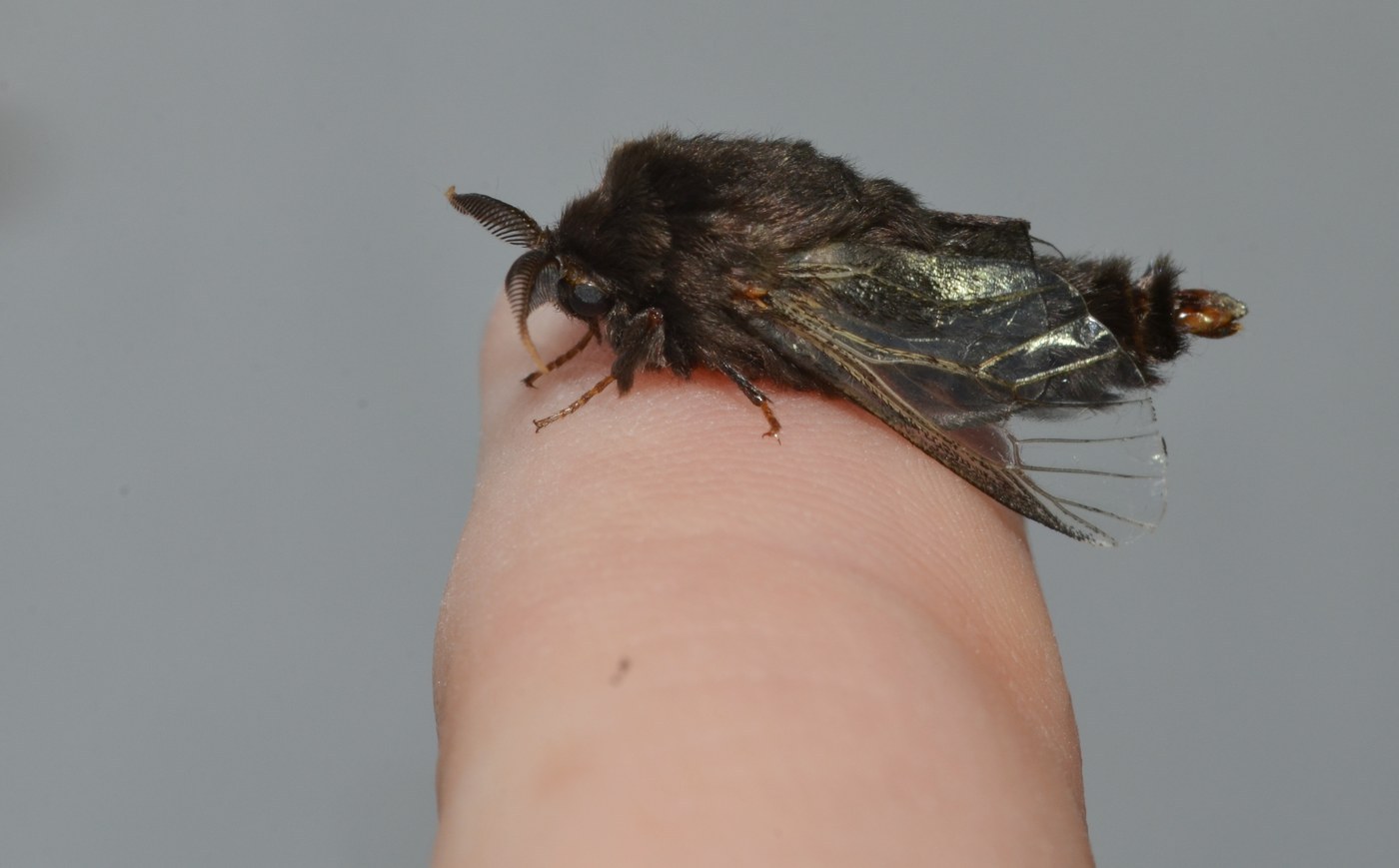
Bagworm
Thyridopteryx ephemeraeformis
A caterpillar that constructs and lives inside a spindle-shaped case of silk and plant debris, dragging its portable shelter along as it feeds on tree foliage.
- Size
- Case 38–63 mm long
- Habitat
- Trees and shrubs, especially conifers and ornamental landscaping
- Danger
- Nuisance pest
Spotted a bug like this?
Identify any bug or insect from a photo, free.
Overview
The bagworm, most commonly represented in North America by the evergreen bagworm Thyridopteryx ephemeraeformis, is the larval stage of a moth in the family Psychidae. This family is defined by its unusual larvae, which spin protective, camouflaged cases out of silk interwoven with bits of leaves, twigs, or bark from their host plant.
Bagworms are considered a garden and landscape pest because dense infestations can strip needles or leaves from ornamental conifers and shrubs, though the insect itself poses no direct threat and simply feeds as any caterpillar does. Adult male bagworm moths are small, dark, and fly briefly to find females, which remain wingless and grub-like inside their cases for their entire lives.
How to Identify
- Distinctive spindle-shaped case, 38–63 mm long, made of silk woven with small pieces of twigs, needles, or leaf fragments from the host plant.
- The case hangs from twigs and branches, often mistaken for a small pinecone or bit of plant debris.
- The caterpillar itself is dark brown with a mottled pattern, visible only when it extends its head and legs from the case opening to feed or move.
- Cases enlarge as the larva grows, always remaining camouflaged to match the surrounding foliage.
- Lookalike: easily confused with small pinecones, seed pods, or other plant debris due to its effective camouflage.
Habitat & Range
Found throughout much of North America, especially in the eastern and midwestern United States, on a wide variety of trees and shrubs but with a strong preference for conifers such as juniper, arborvitae, and cedar. Larvae are most active and feeding from late spring through summer, with cases becoming most visible in fall and winter after leaves drop.
Behavior & Diet
The caterpillar feeds on the leaves or needles of its host plant while remaining largely concealed inside its self-made case, extending only its head and front legs to move and eat, dragging the case along. Because a single generation can defoliate sections of ornamental trees or shrubs when populations are high, the species is regarded as a garden and landscape pest. Adult males are small, dark, clear-winged moths that fly to locate females, which remain wingless, legless, and grub-like, never leaving their case even as adults.
Life Cycle
Bagworms undergo complete metamorphosis. Eggs overwinter inside the mother's case and hatch in late spring into tiny larvae that immediately begin constructing their own protective case from silk and plant material, enlarging it as they grow through the summer. In late summer, larvae pupate within the case, and males emerge as flying moths to mate with the still-enclosed, wingless females, who then lay eggs inside their own case before dying; most regions see one generation per year.
Frequently asked questions
Is the bagworm case alive?
No, only the caterpillar inside is alive; the case itself is a silk-and-debris shelter the larva constructs and carries.
Do bagworms turn into butterflies?
No, bagworms are moth larvae in the family Psychidae; the adult males are small dark moths, while females remain wingless inside the case.
Why do bagworm cases look like pinecones?
The larva weaves bits of the host plant's own foliage into its case, providing effective camouflage against predators.
What trees do bagworms prefer?
They are especially common on conifers like juniper, arborvitae, and cedar, though they can feed on many other tree and shrub species.
Bagworm guides
In-depth guides for identifying, understanding, and living alongside Bagworm.
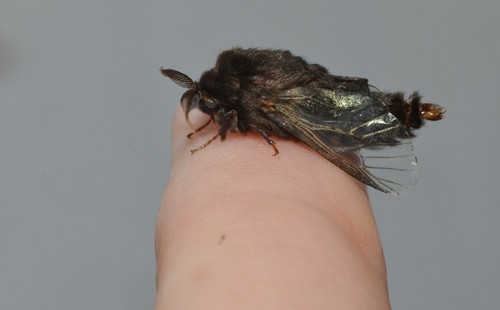
Bagworm identified by the community
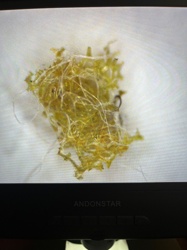
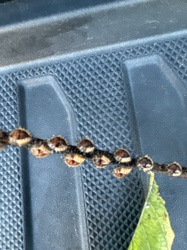
Real finds identified with Bug Identifier.
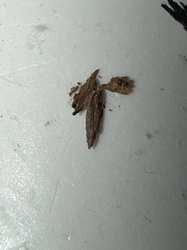
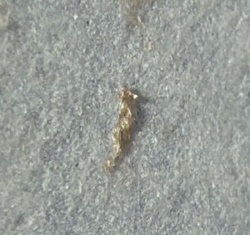
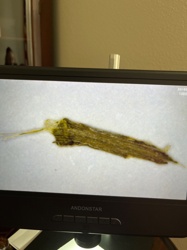
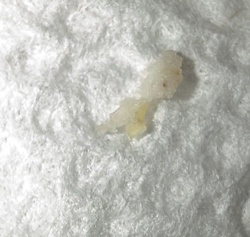
Other bugs you may enjoy
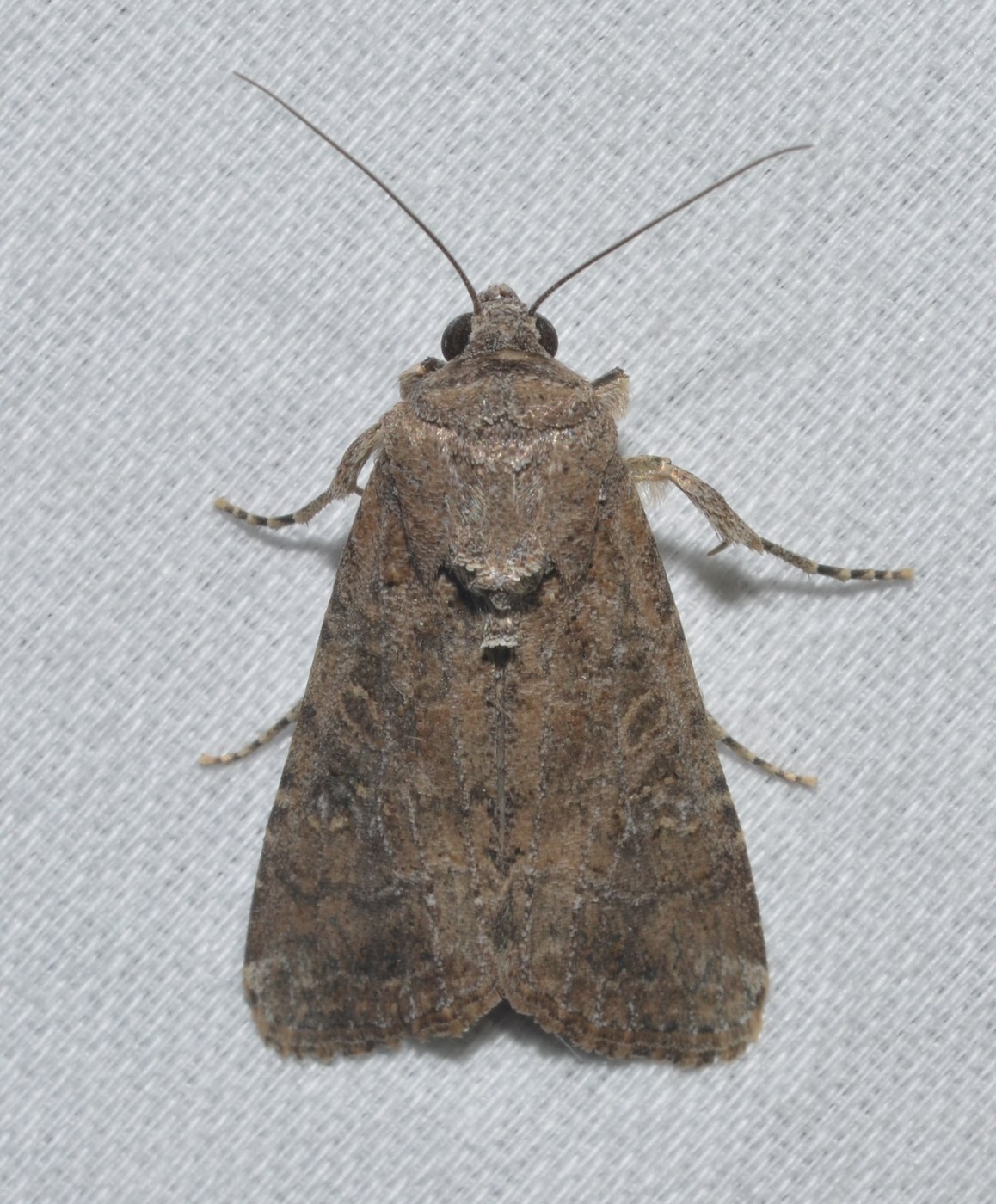
Armyworm
grasslands, pastures, and cereal crop fields
Zebra Longwing Caterpillar
Tropical and subtropical hammocks with passionflower vines
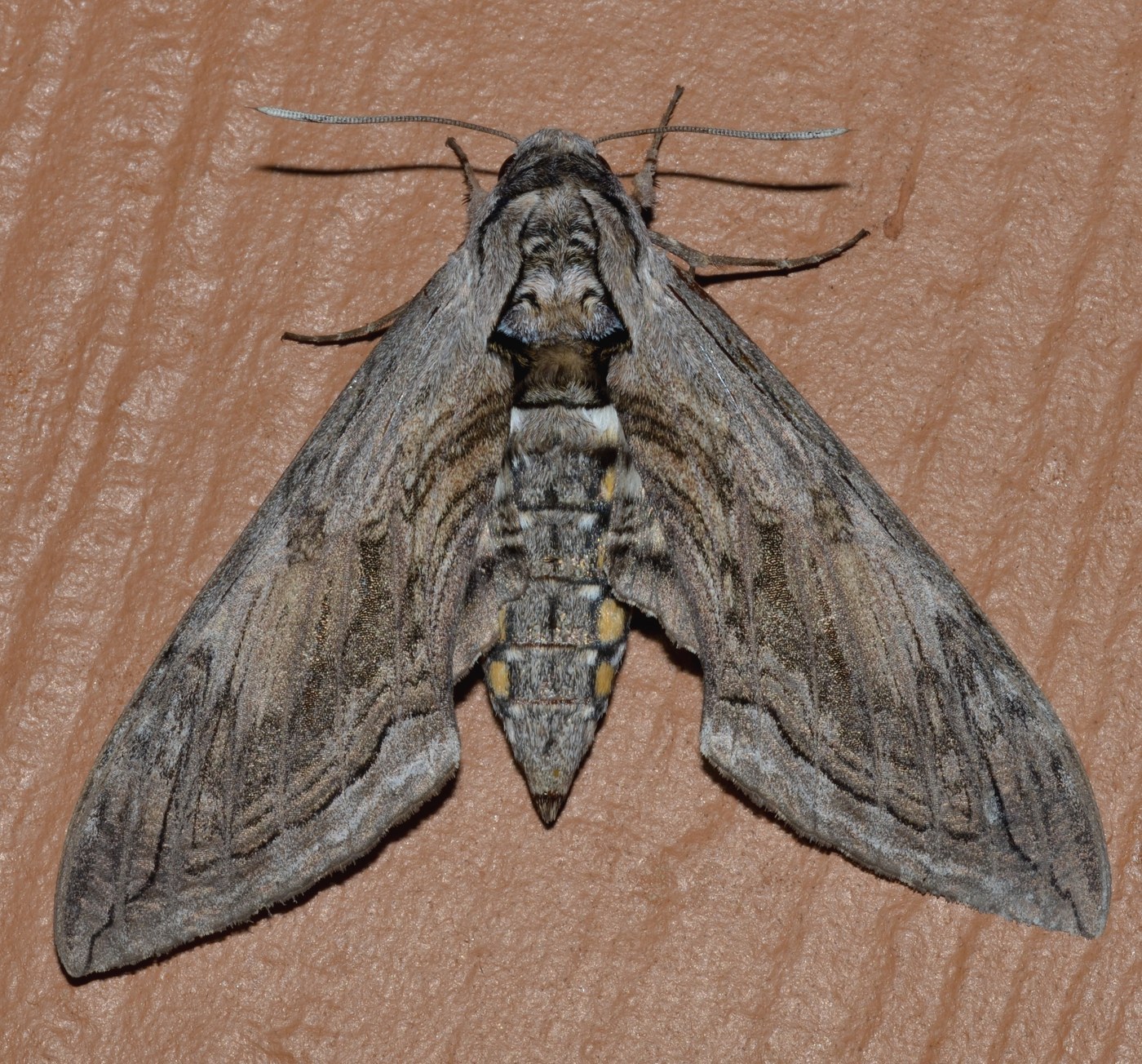
Tomato Hornworm
Gardens and fields with tomato, pepper, and other nightshade plants
Tent Caterpillar
Deciduous trees such as cherry, apple, and other rosaceous species
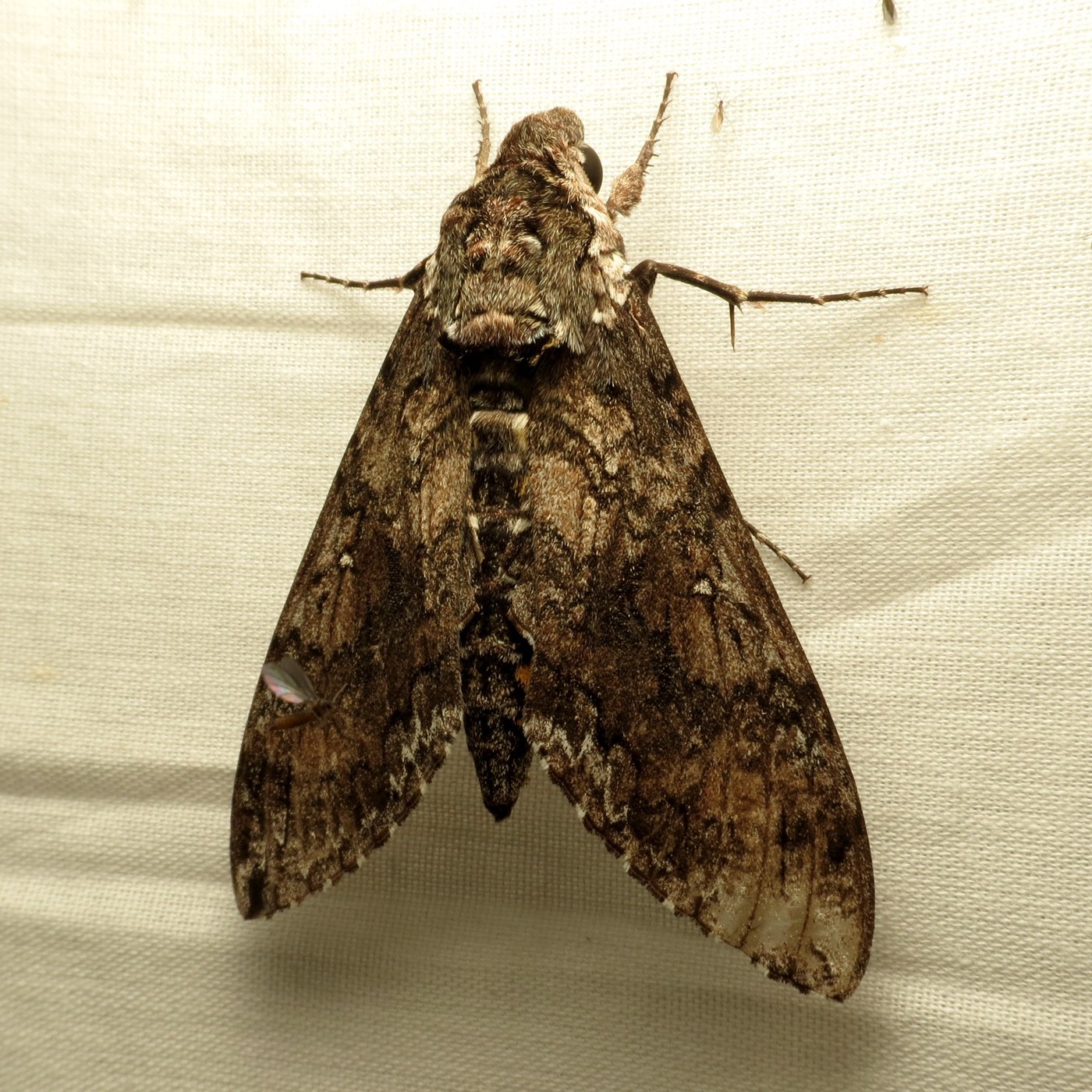
Tobacco Hornworm
tobacco, tomato, and pepper plants in gardens and fields
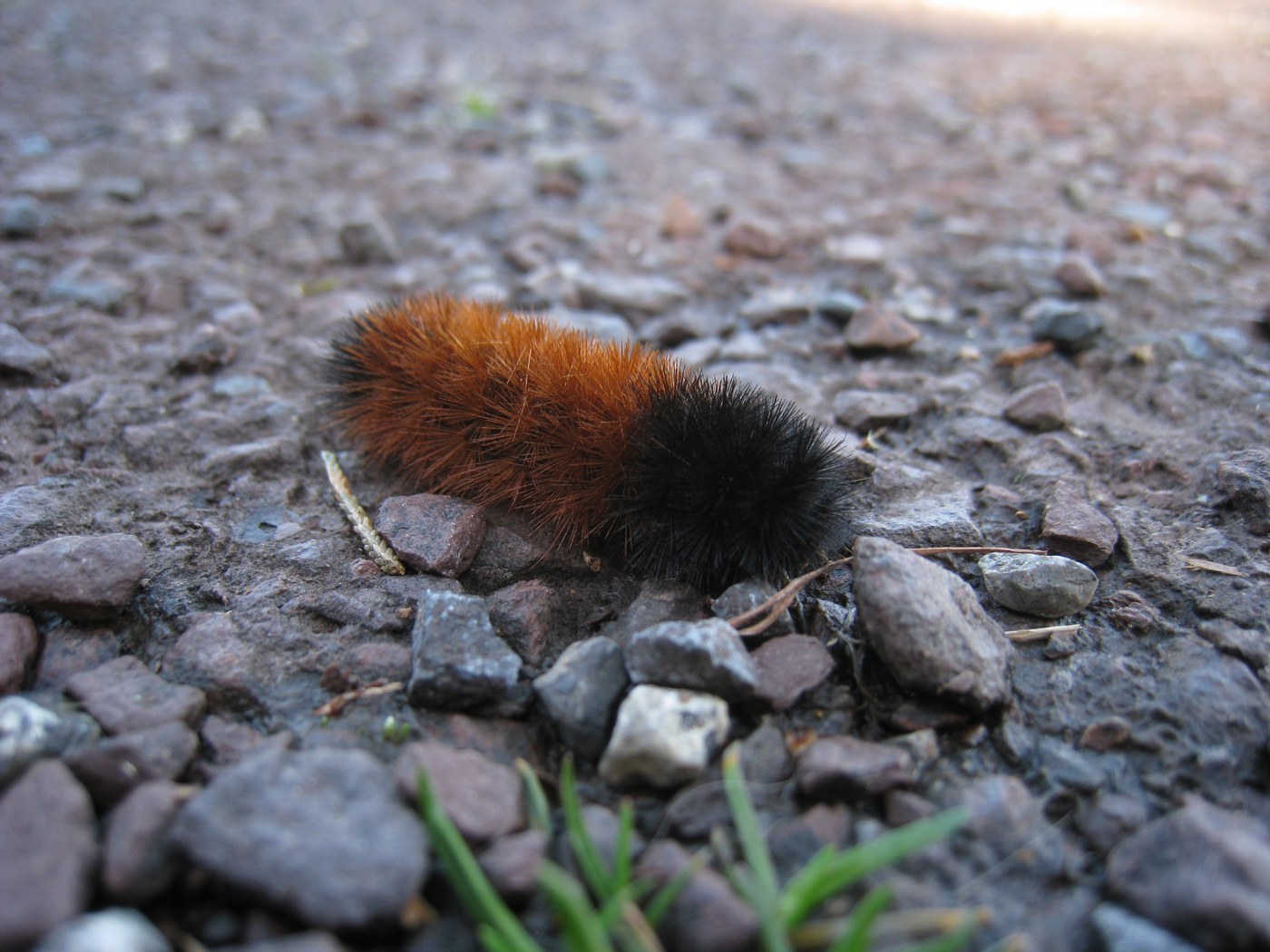
Woolly Bear Caterpillar
Gardens, meadows, roadsides, and woodland edges across North America
Sod Webworm
Turfgrass lawns, golf courses, pastures
Spiny Oak-slug Caterpillar
Deciduous forests and woodland edges with oak and other hardwoods
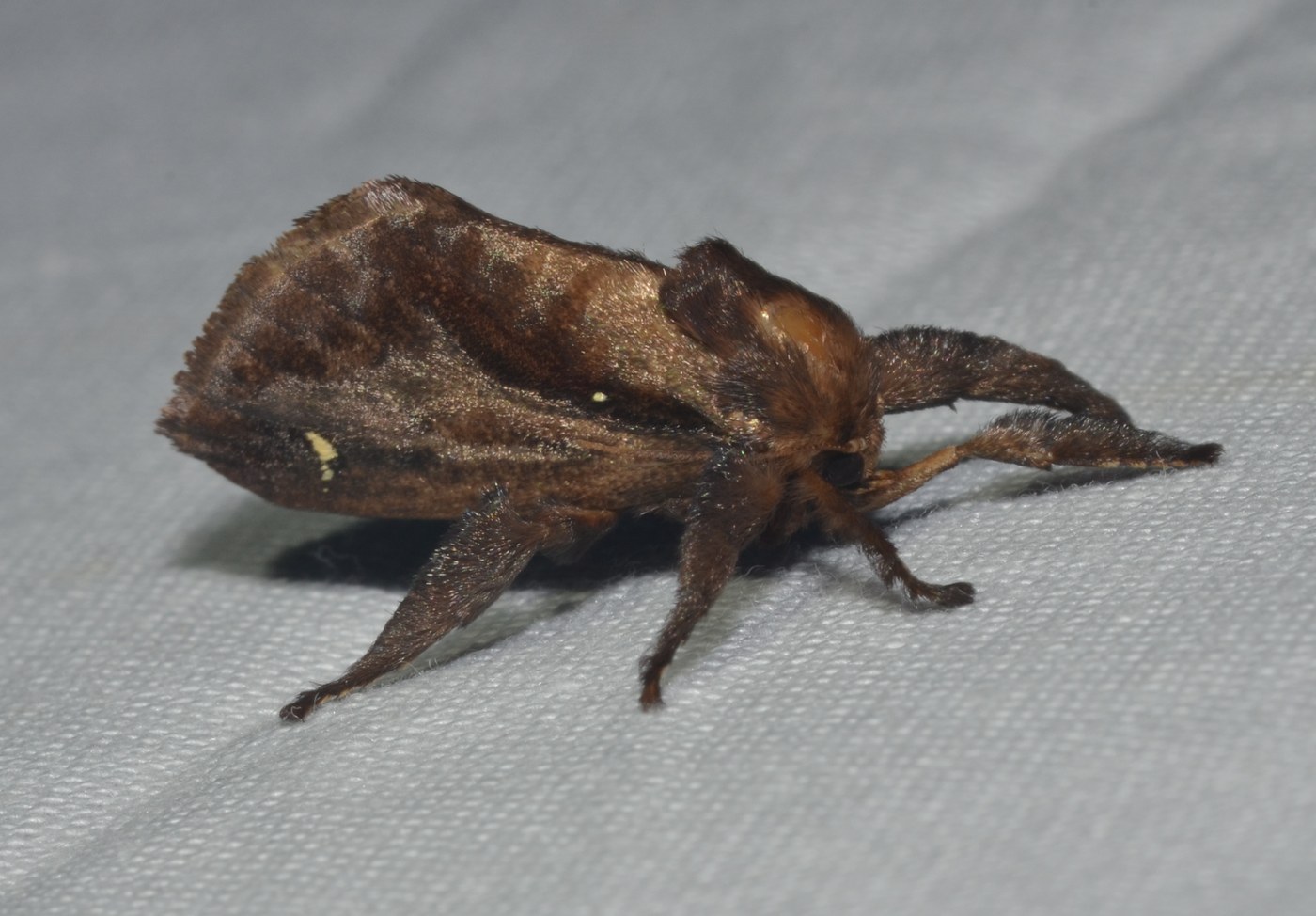
Saddleback Caterpillar
Deciduous trees and shrubs in eastern and southern North America
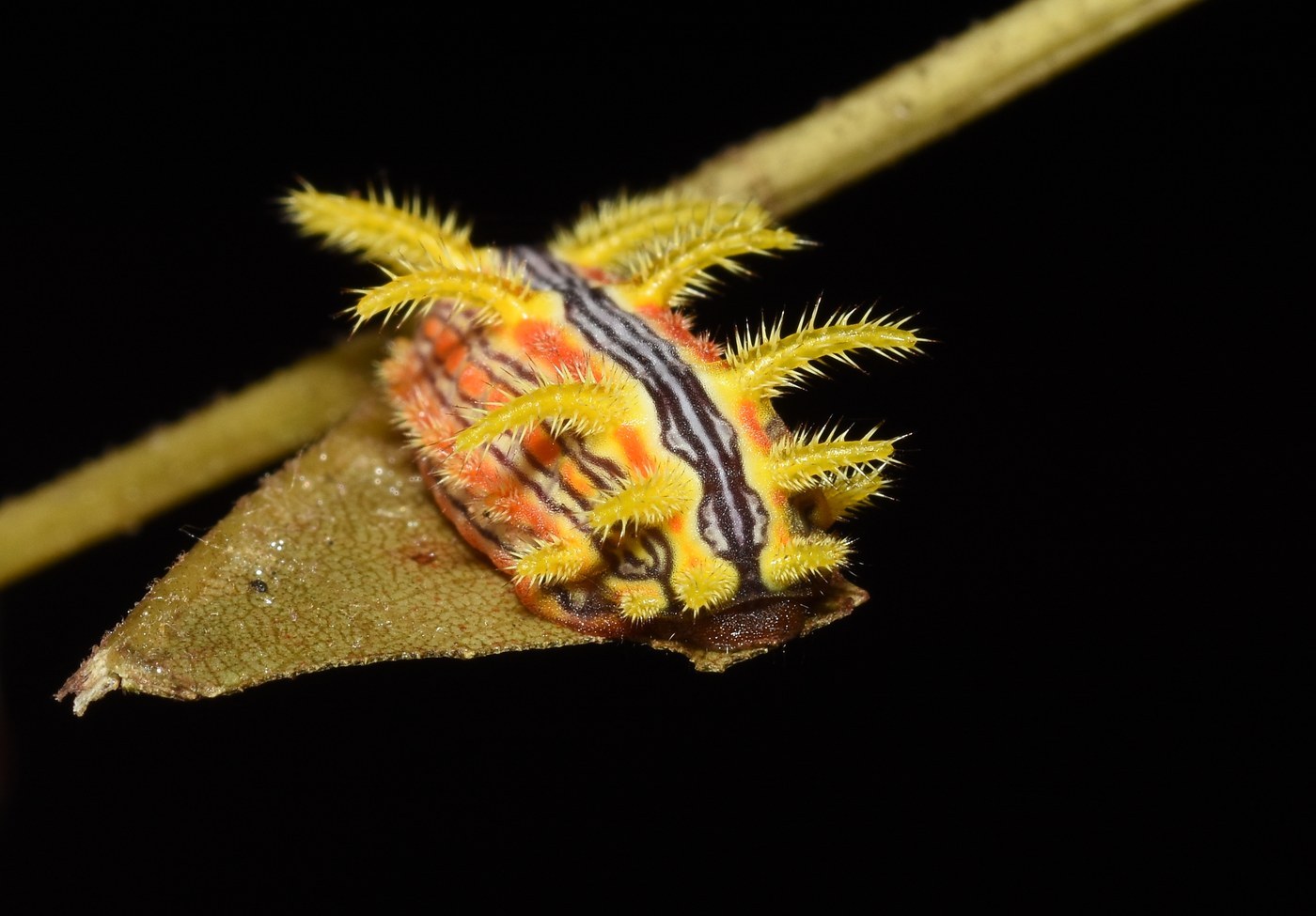
Stinging Rose Caterpillar
Gardens and woodlands with rose, dogwood, or oak
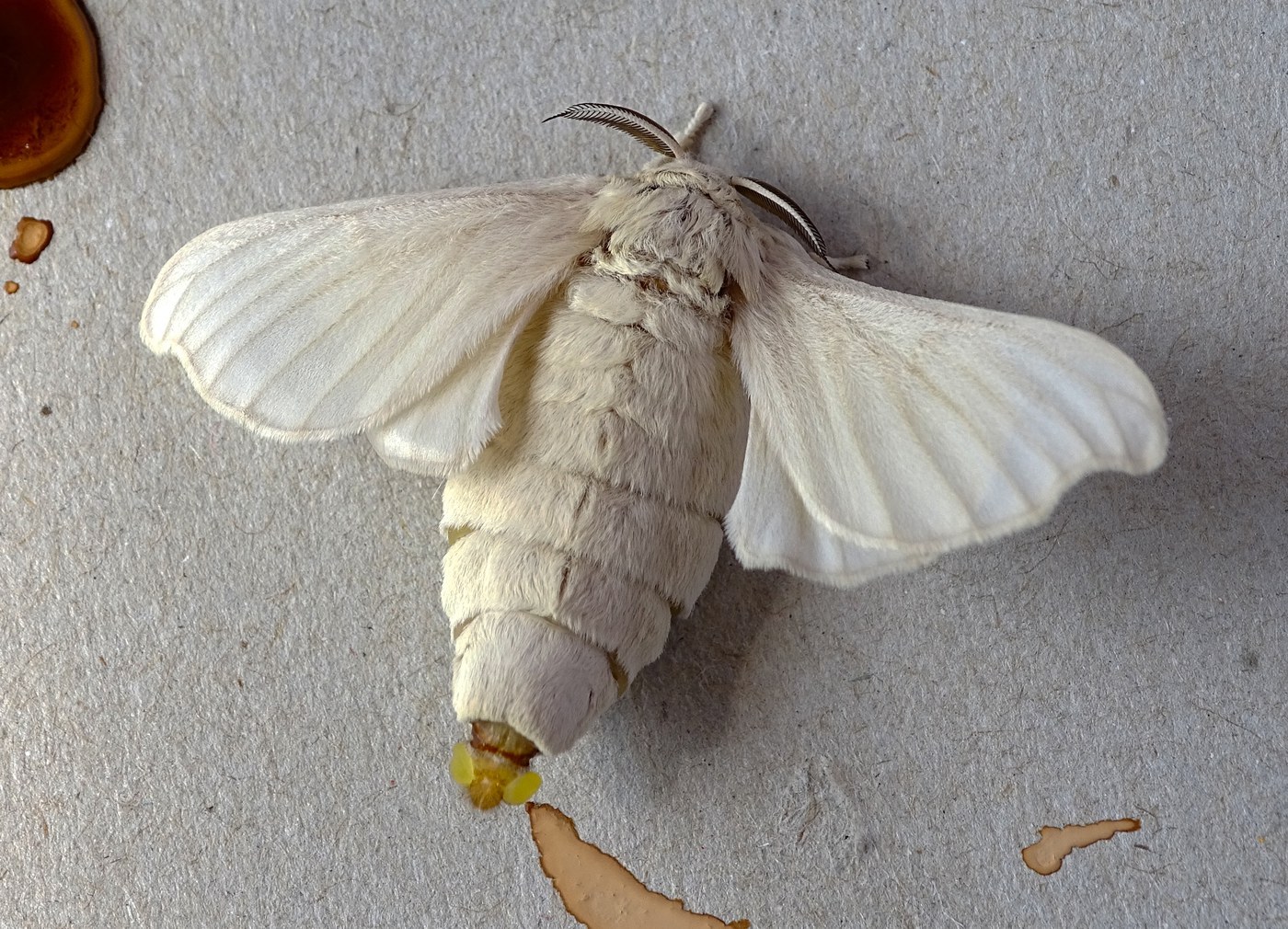
Silkworm
Reared exclusively in captivity on mulberry leaves; no independent wild population
Spicebush Swallowtail Caterpillar
Woodlands and thickets with spicebush or sassafras